Author: 玖伊岚 – Jiu Yi Lan

  • Beyond the Ordinary: Exceptional Korean Dishes at Mr. Lee in Frankfurt

    Beyond the Ordinary: Exceptional Korean Dishes at Mr. Lee in Frankfurt

    It’s been such a delight to stumble upon this Korean restaurant – Mr. Lee – a discovery that makes me wish I had found it sooner. Hidden behind an unassuming exterior, this spot has been serving some of the most iconic Korean dishes for years. Many of these dishes, which I’ve been longing to try, are not easy to find in Frankfurt, due to the meticulous sourcing of ingredients and the labor-intensive techniques involved.

    Restaurant Profile
    • Name of the Restaurant: Mr. Lee
    • Adress: Gutleutstraße 153, 60327 Frankfurt am Main
    • Style: Korean Cuisine – street food snack, grill, stir-fry, soup, noodle, rice dish, hotpot
    • Price: around 25 – 45 EUR per Person (incl. drinks and tips)

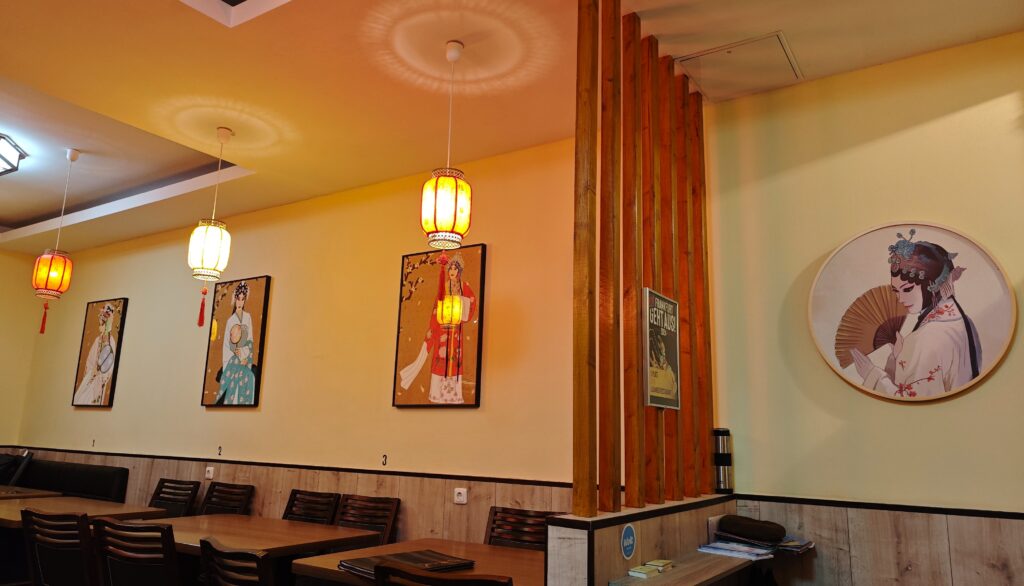
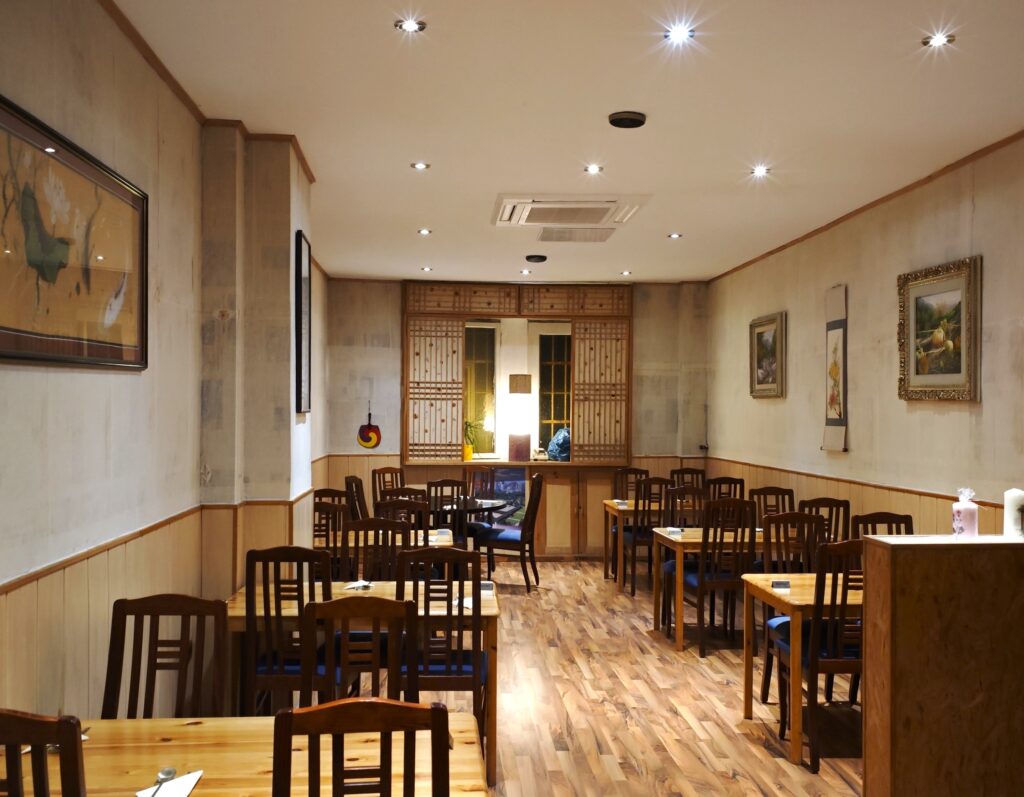
    The restaurant’s décor is simple yet inviting, with an understated charm that makes you feel at ease. There are cozy four-person tables for small groups and a spacious round table that seats 7–8 for larger gatherings. One of the walls is adorned with traditional hanok-style wooden windows, adding an authentic Korean touch.
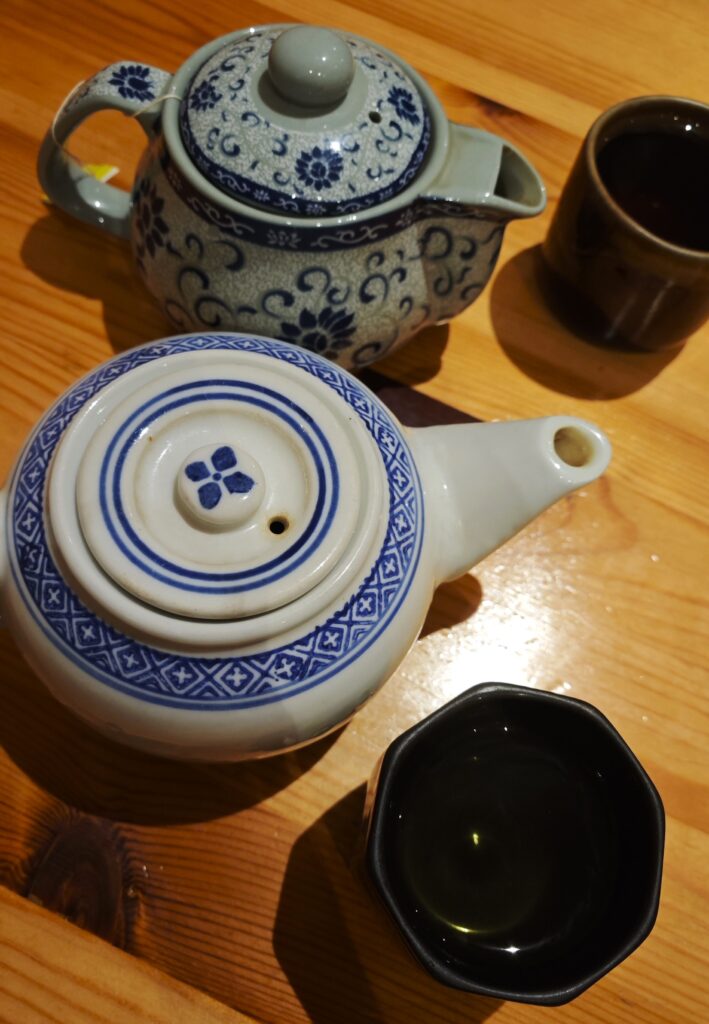
    Before we get into the food, it’s worth highlighting that Mr. Lee offers a range of soothing Korean teas, all at an affordable price of just 2–3 EUR per pot. They include:

    • Maisseide Tea (Corn Tea): A lightly toasted, nutty brew with a subtle sweetness,
    • Gersten Tea (Barley Tea): Roasty, earthy, and caffeine-free, with a smooth, smoky flavor,
    • Yulmu Tea (Job’s Tears Tea): Creamy, slightly sweet, and heaty,
    • Dungule Cha (Solomon’s Seal Tea): Mildly nutty with a hint of sweetness and a velvety texture,
    • Buchweizen Tea (Buckwheat Tea): Crisp, toasty, with a light, nutty aroma.

    These teas are believed to have health-boosting benefits and go really well with Korean cuisine!
    In Korean dining, small side dishes, known as banchan (반찬), are an integral part of the experience. At Mr. Lee, these accompaniments include sour and spicy cucumbers, crunchy spring sprouts, and, of course, kimchi—the bold and iconic fermented cabbage that embodies Korean flavors. There’s also a fermented green with a rich, savory note, along with tofu that is slightly starchy, sweet, and spicy. Fresh spinach brings a mild, clean taste, while crisp pickled radish gives a sweet and tangy crunch. Finally, a few small pieces of savory mini pancakes (jeon) provide a comforting bite.
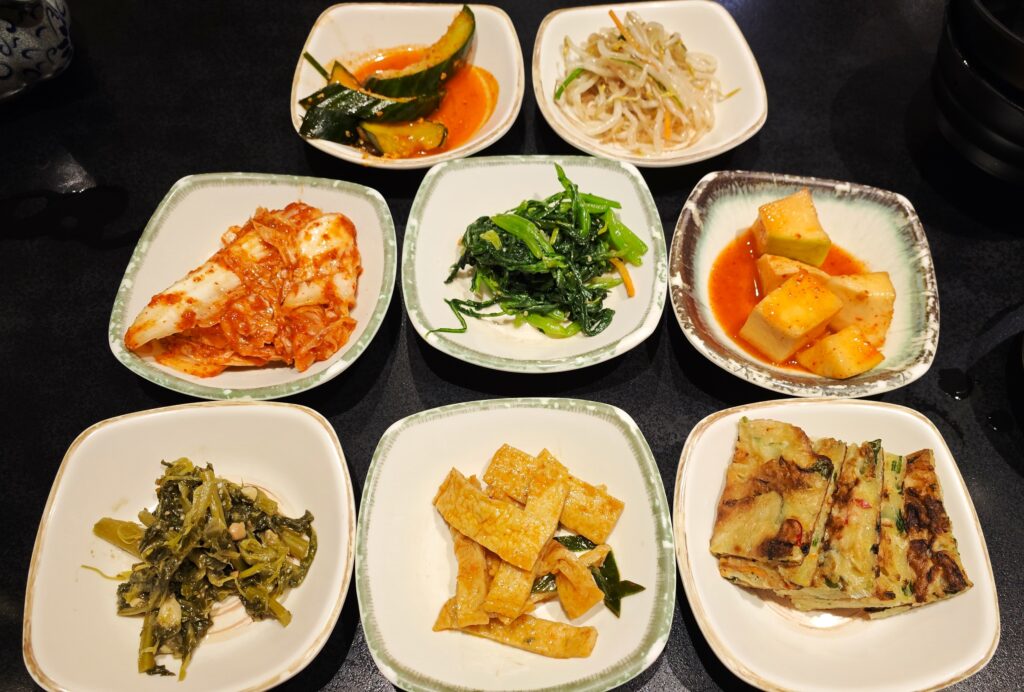
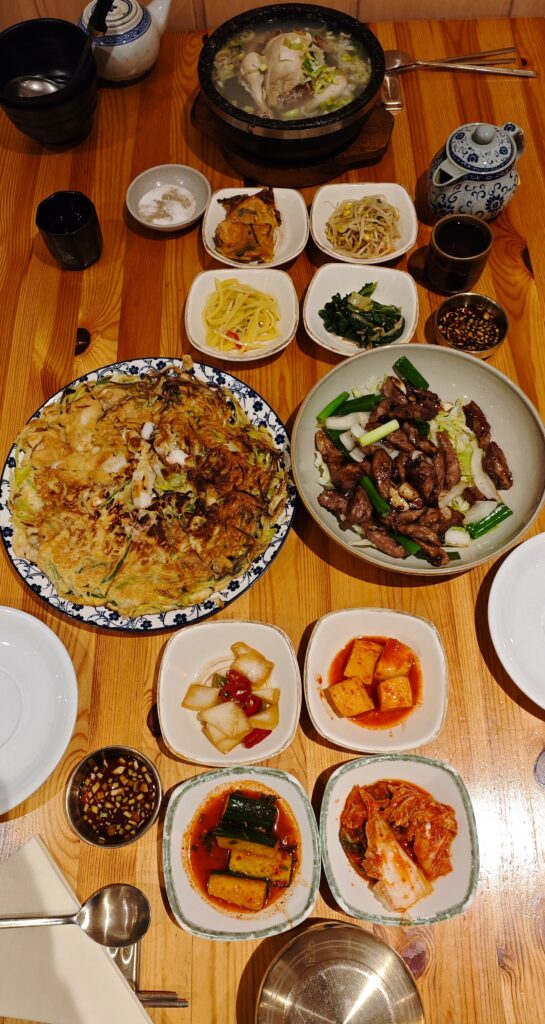
    These side dishes are a hallmark of Korean meals, meant to be shared and enjoyed alongside the main courses. They not only enhance the flavors, but also offer a glimpse into the diversity of Korean cooking, making every meal feel abundant and satisfying.

    The first dish we want to recommend at Mr. Lee is a classic Korean comfort food – Haemul Pajeon, a savory pancake brimming with seafood and leeks.
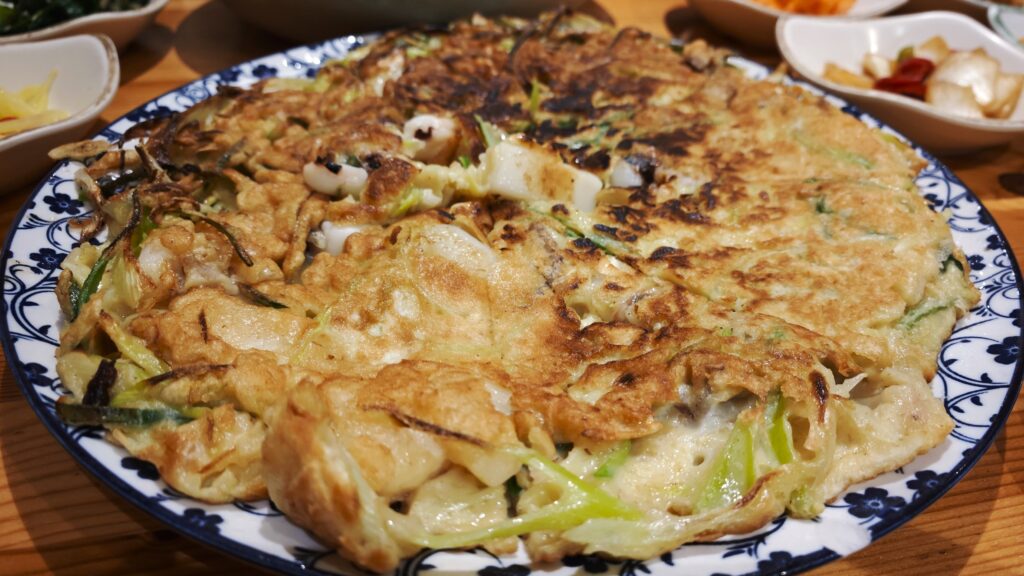
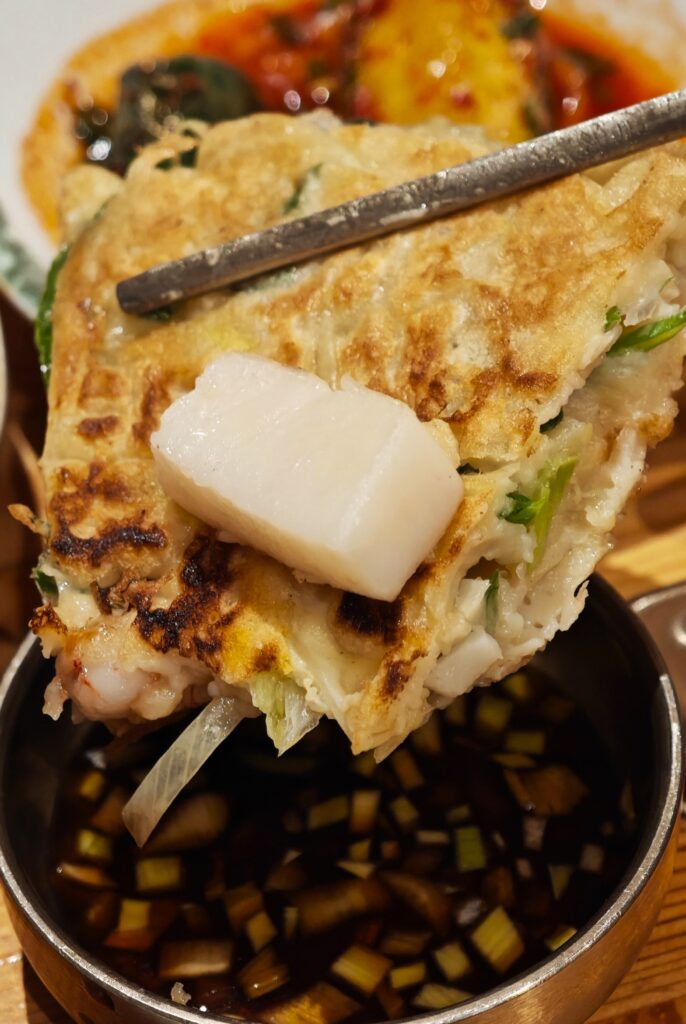
    The pancake arrives at the table thick, golden brown, and very fluffy, with a slightly charred surface that adds a smoky depth. Inside, you’ll find an abundance of seafood—plump shrimp, tender octopus, and generous chunks of meaty squid—all mixed with fragrant green onions and mildly sweet leeks.

    This dish is paired with a traditional dipping sauce choganjang, dotted with thinly sliced scallions. Made from soy sauce, vinegar, and a touch of sesame oil, this sauce lends tangy, savory, and slightly nutty note to the seafood pancake and enhances its rich, briny flavors.

    In Korea, pajeon is often associated with rainy days, as the sound of it sizzling on the pan is said to resemble the patter of rain. And indeed, it’s the kind of food that feels like a warm comforting hug you can enjoy on a drizzly day.  

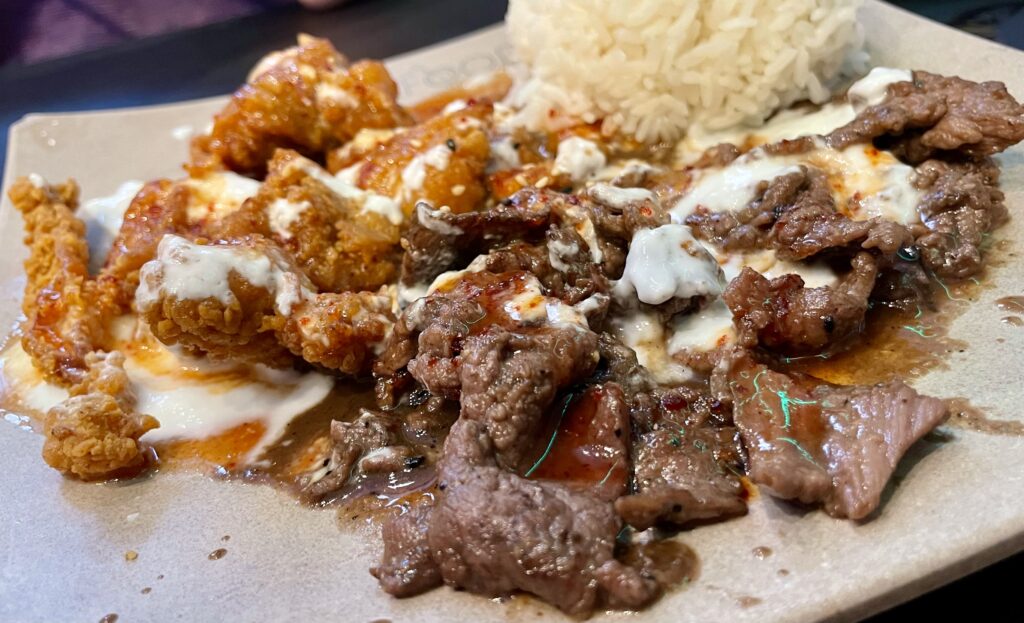
    For anyone craving for a piece of Korean barbecue experience, Anchangsal is a must-try. This Korean-style grilled beef dish uses flavorful skirt steak, a prized cut for its natural marbling and robust flavor.
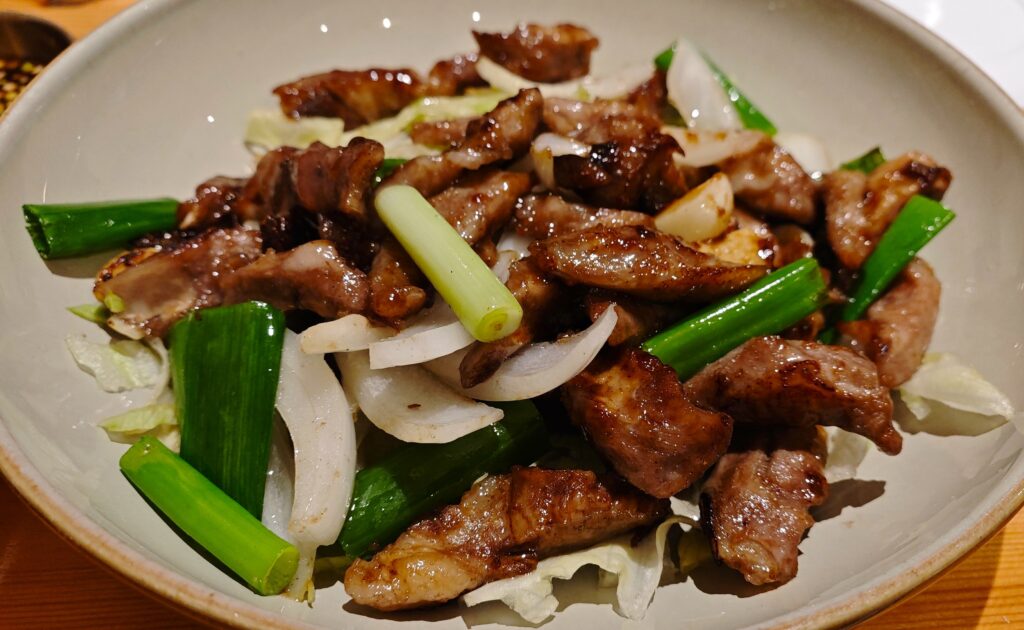
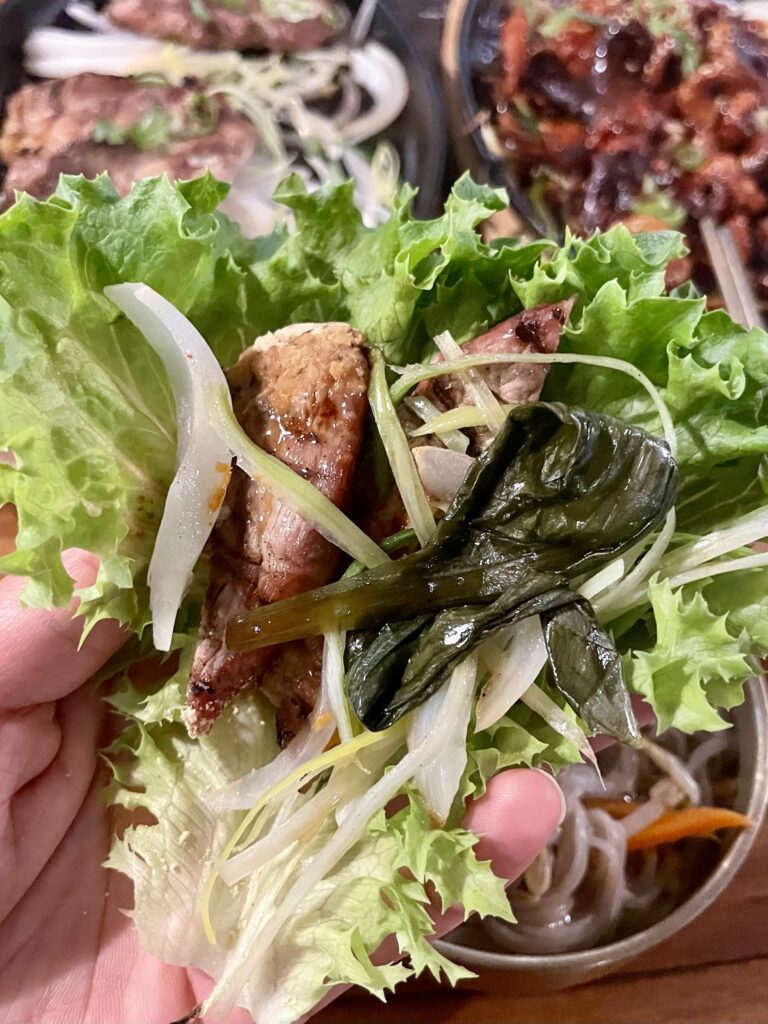
    In Korean barbecue culture, dishes like Anchangsal are usually cooked tableside, and enjoyed wrapped in lettuce with garlic and ssamjang sauce.

    At Mr Lee, the grilled beef is sliced into bite-sized pieces, and served ready to eat. The meat arrives glistening with an appetizing sheen of oil, its edges slightly charred to deepen its smoky aroma. Each slice, with an impeccable mix of lean meat and luscious fat, is both juicy and gratifying. It tastes slightly sweet, savory and a bit smoky, with just the right indulgence from the marbled fat.
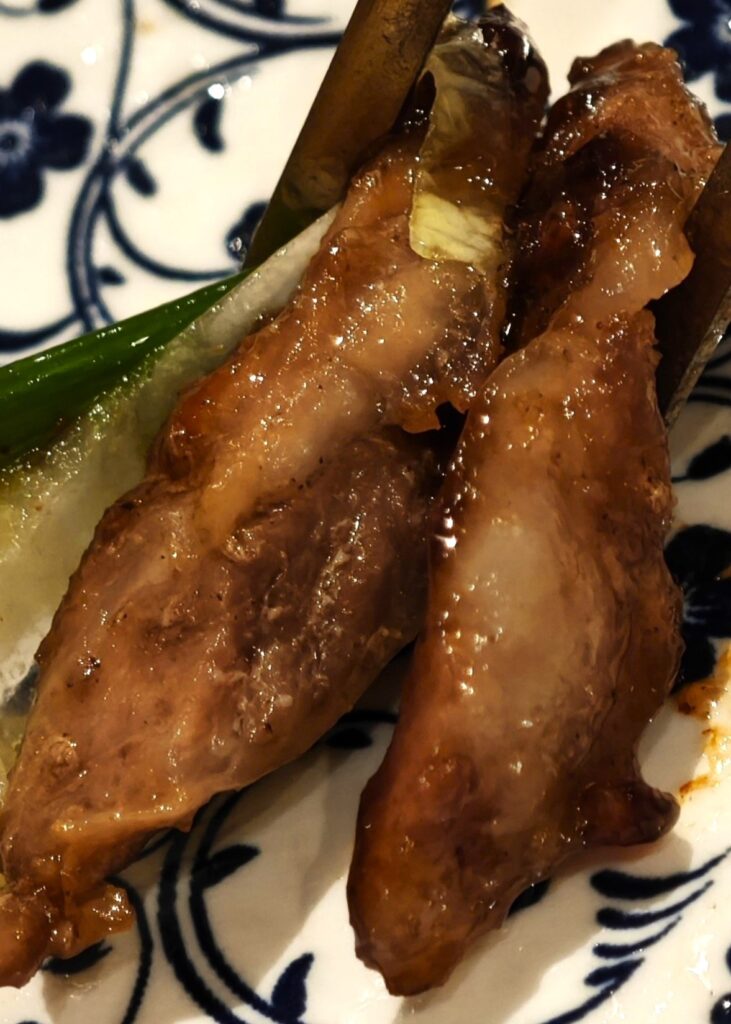
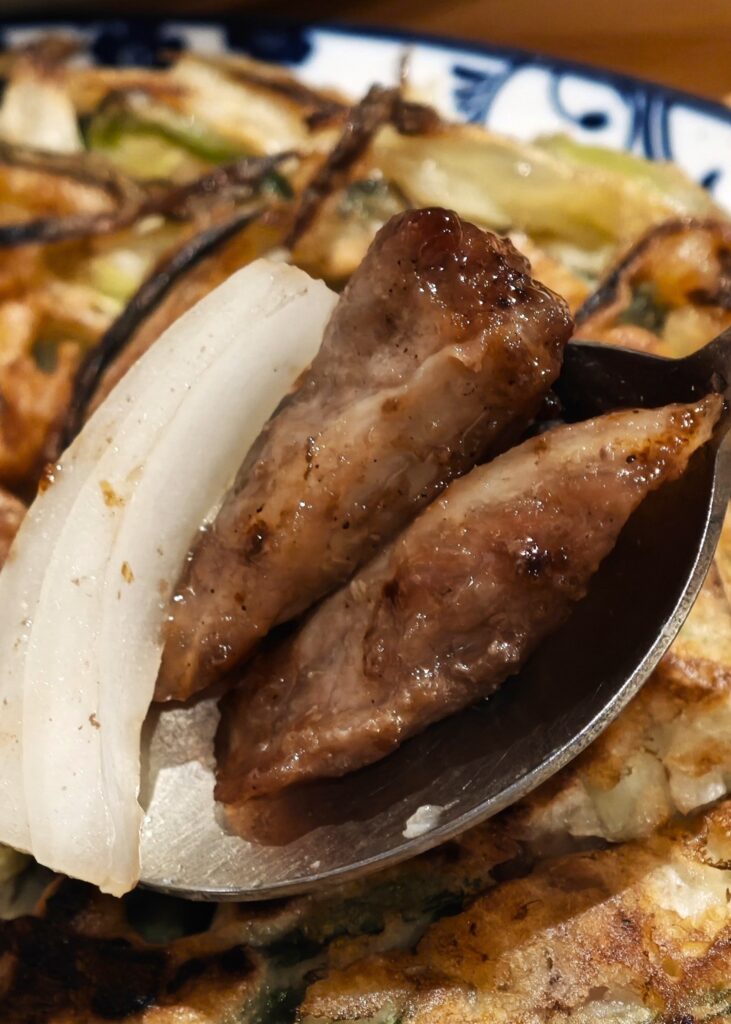
    The blend of onions, leeks, and garlic makes it even more enticing. Grilled alongside the meat, these vegetables soak up the juices and caramelize, adding a subtle sweetness and aromatic pungency to the beef’s bold flavor.

    Samgaetang, or Korean ginseng chicken soup, is the ultimate comfort food I’ve been searching for—and finally found! This delicacy features a whole young chicken stuffed with glutinous rice, ginseng, garlic, and jujubes (red dates), then slow-cooked until the meat is so impossibly tender that it falls apart at the slightest touch of your chopsticks.

    The nourishing broth – infused with the chicken flavor – is mild, pure and unadulterated, with no strong saltiness; instead, a small dish of salt and pepper is served on the side, so you can season the soup and chicken to your liking.
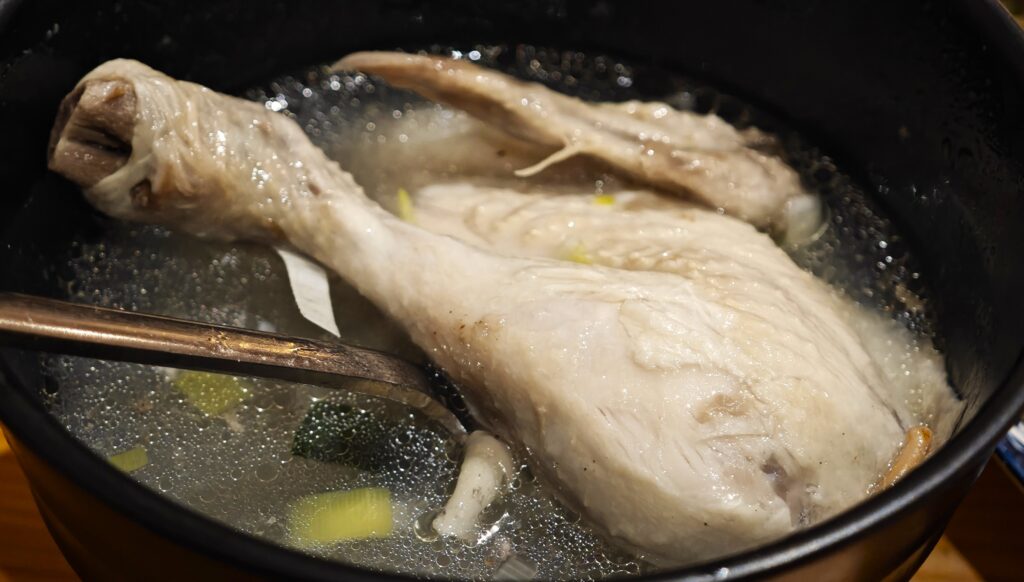
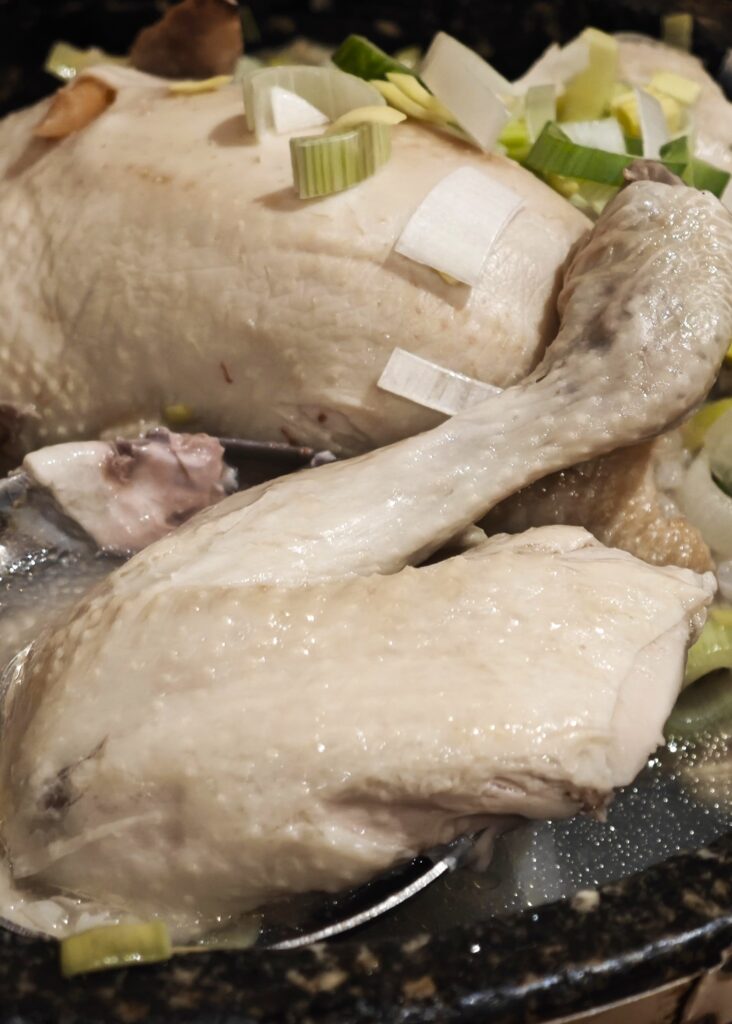
    Start by savoring a spoonful of the unseasoned broth, enjoying its clarity and depth. Then, tear the chicken into bite-sized pieces, dip them lightly in the salt mixture, or enjoy them alongside tangy kimchi. Inside the chicken, you’ll find glutinous rice soaked in the broth, soft, sweet jujubes dates, and ginseng – a revered root in traditional Chinese medicine, renowned for its adaptogenic properties that help the body cope with stress and boost overall vitality.
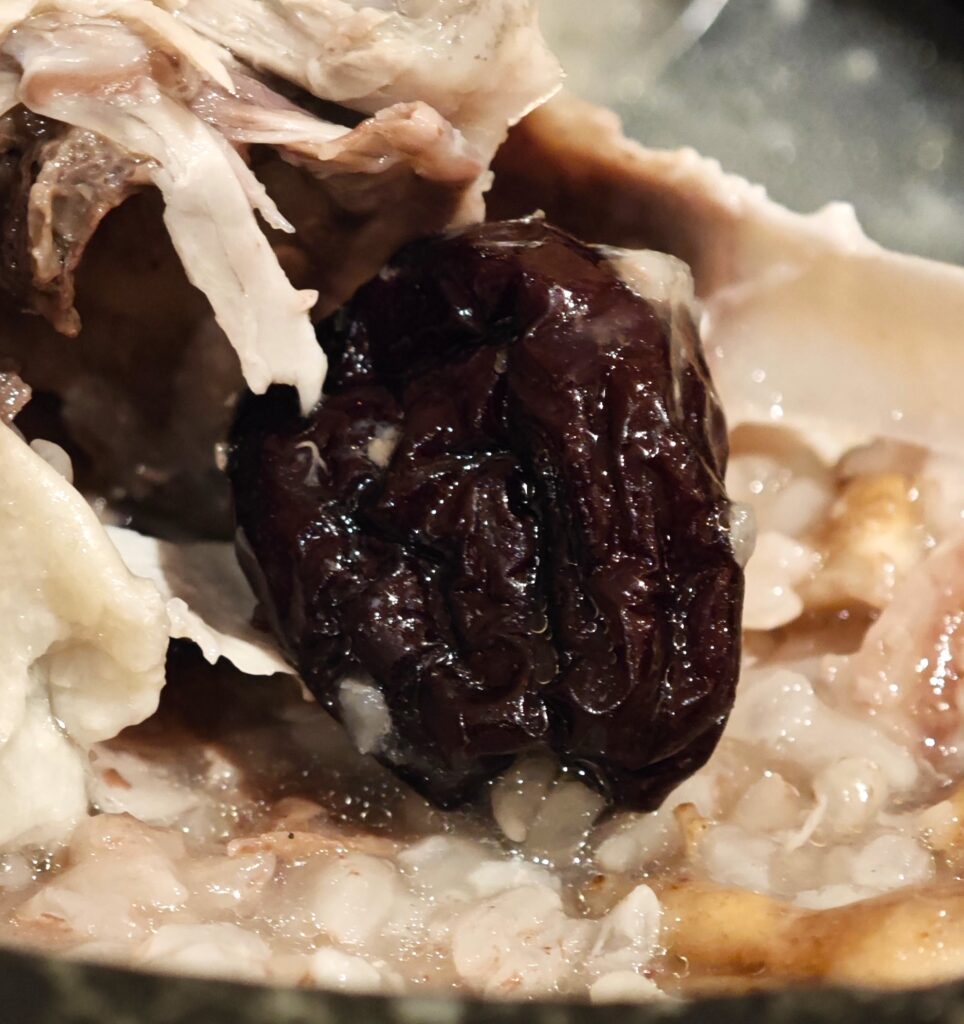
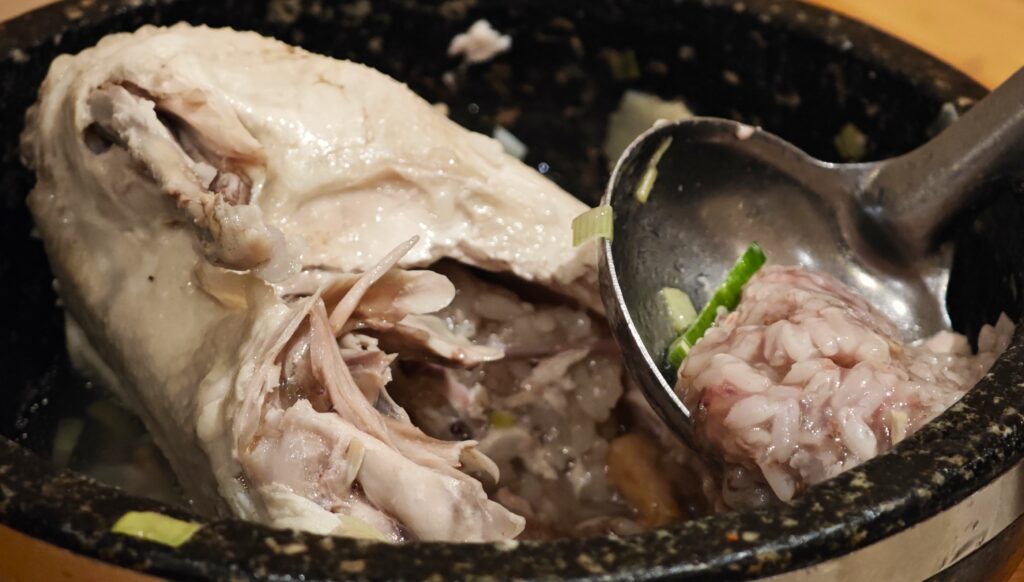
    In Korean, Samgaetang is like restorative remedy, popular all year round. In summer during Chobok (the start of the hottest days), it’s believed that eating hot and nutritious food replenishes your energy and balances the body during extreme heat. It’s equally beloved in winter, offering warmth and comfort in the coldest months.

    At Mr. Lee, for its meticulous preparation, this dish requires a reservation at least three days in advance. But it’s absolutely worth the wait!

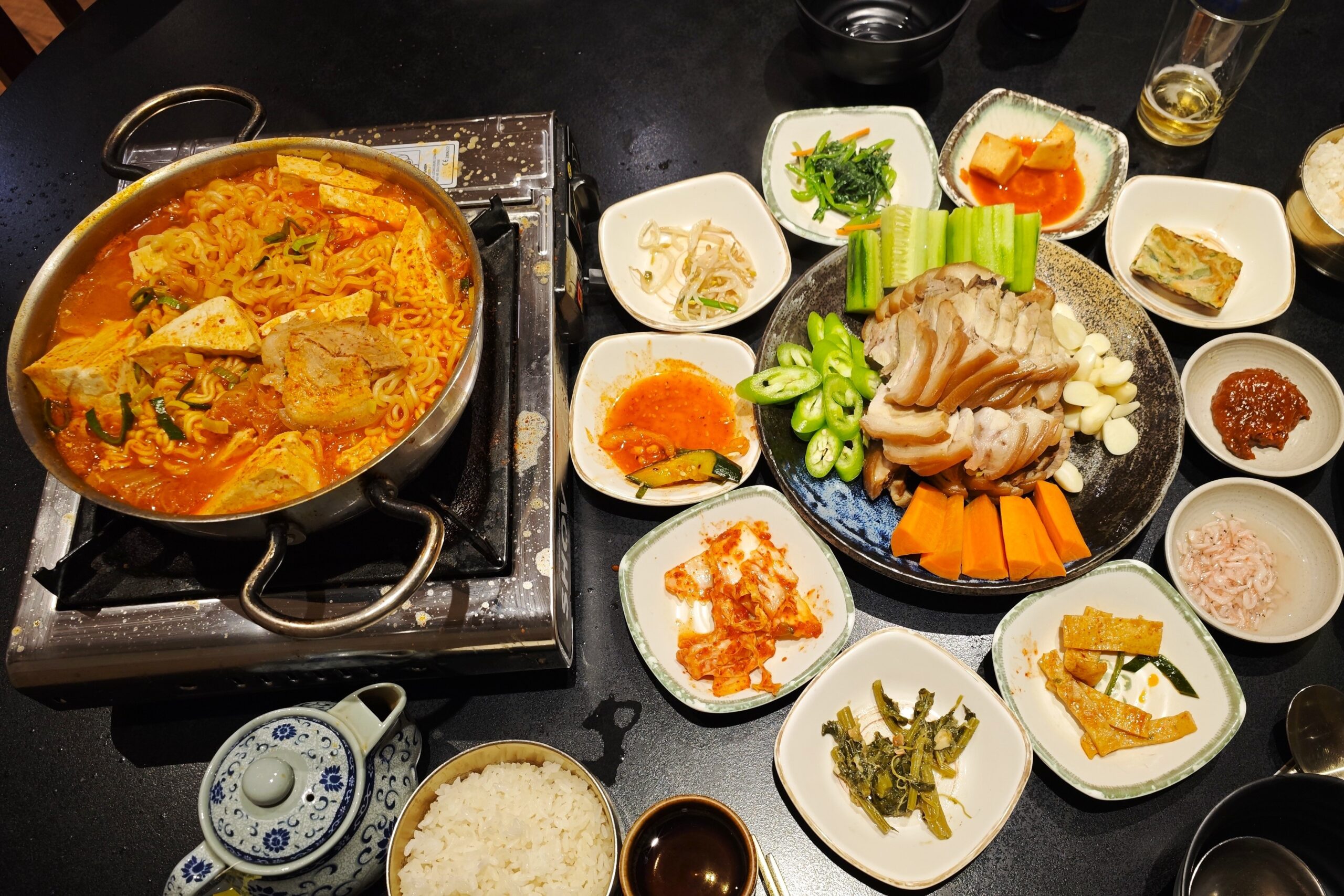
    Jokbal, Korea’s answer to German’s signature pork knuckle dish (Haxenfleisch), surprises with its balance of richness and lightness. The pork knuckle is simmered for hours in a seasoned broth of soy sauce, garlic, ginger, and spices, making the meat incredibly tender and delicious. The lean parts are slightly chewy, while the fatty parts are soft and rich—but not greasy. Thanks to the slow-cooking, excess fat is rendered out, leaving behind a supreme succulence and a clean, mild taste.
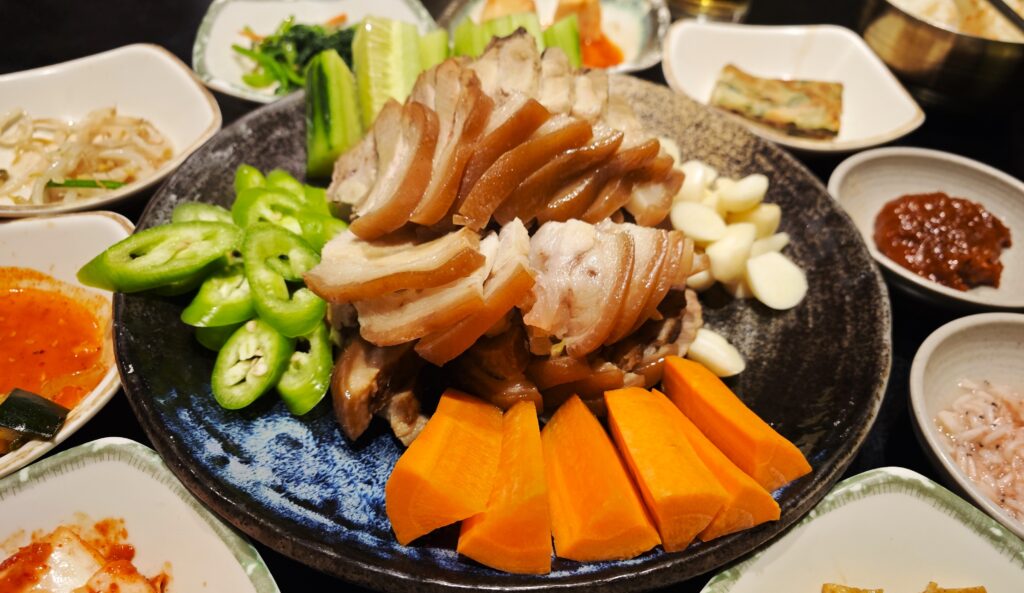
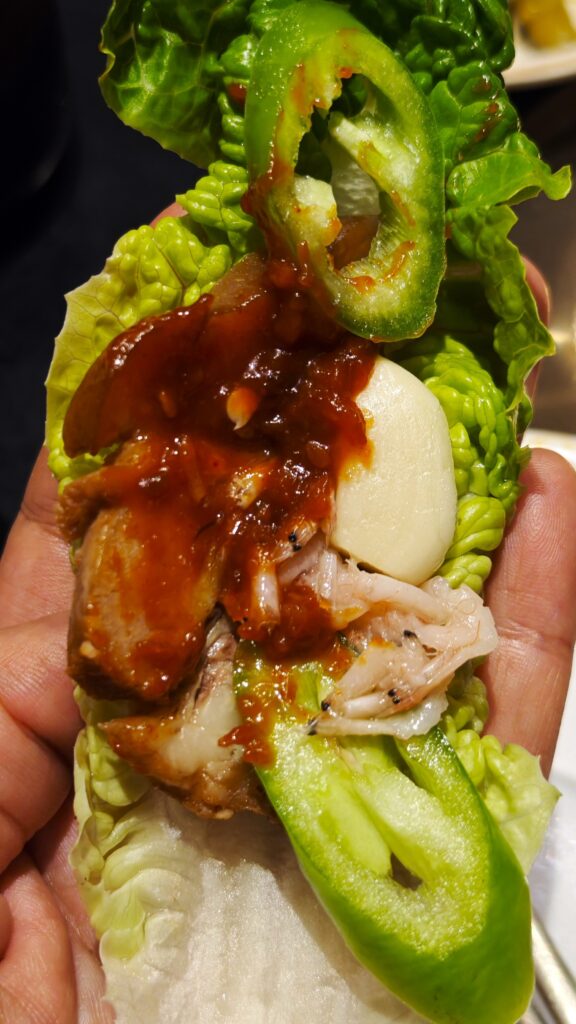
    The pork is paired with ssamjang (쌈장) sauce, made from soy sauce and fermented beans and subtly spiced with chili. There’s also saeujeot— a savory Korean shrimp sauce that complements the mild pork meat. Fresh accompaniments like crisp cucumber, carrots, long green peppers, crunchy lettuce leaves, and raw garlic bring brightness and pungency to the bite.
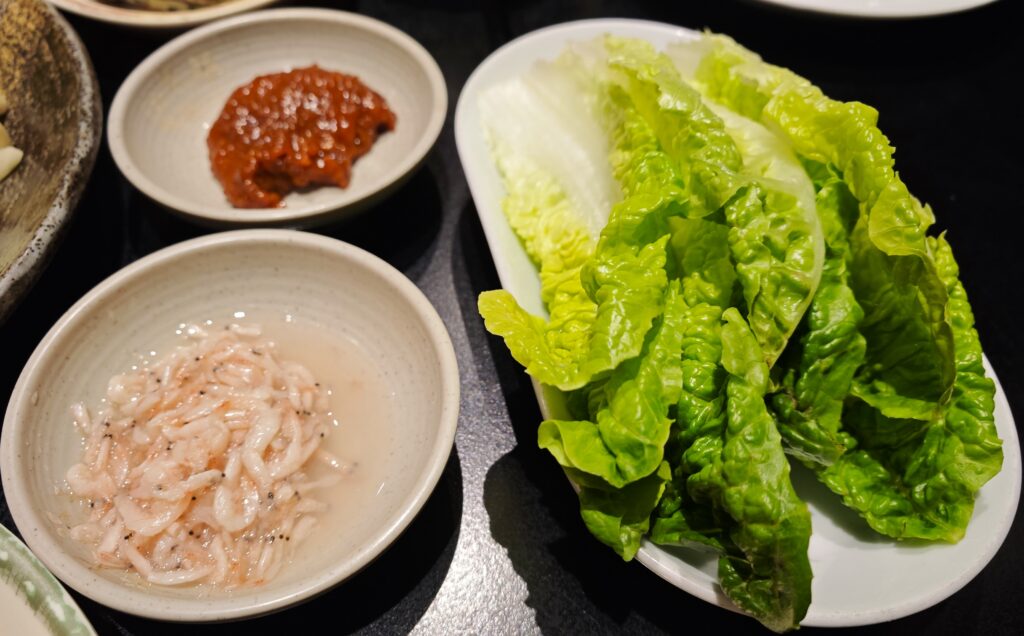
    Wrap a slice ofpork in a lettuce leaf, pile on the fresh vegetables, add garlic for boldness, and finish with a drizzle of savory sauce – it’s an explosion of flavors in one bite.
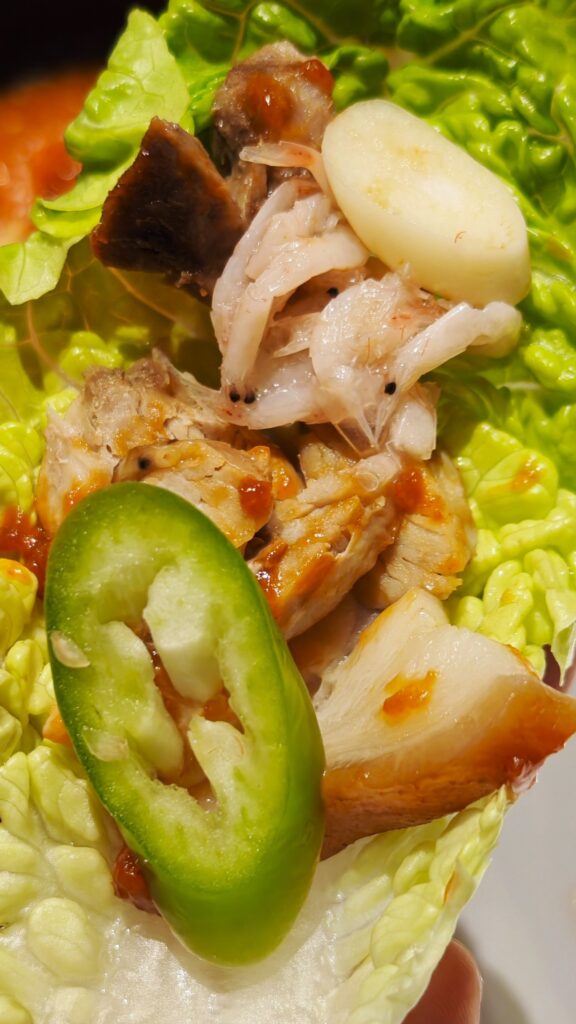
    Beyond its deliciousness, its collagen-rich properties are believed to promote smoother, more supple skin—leaving you feeling good inside and out!

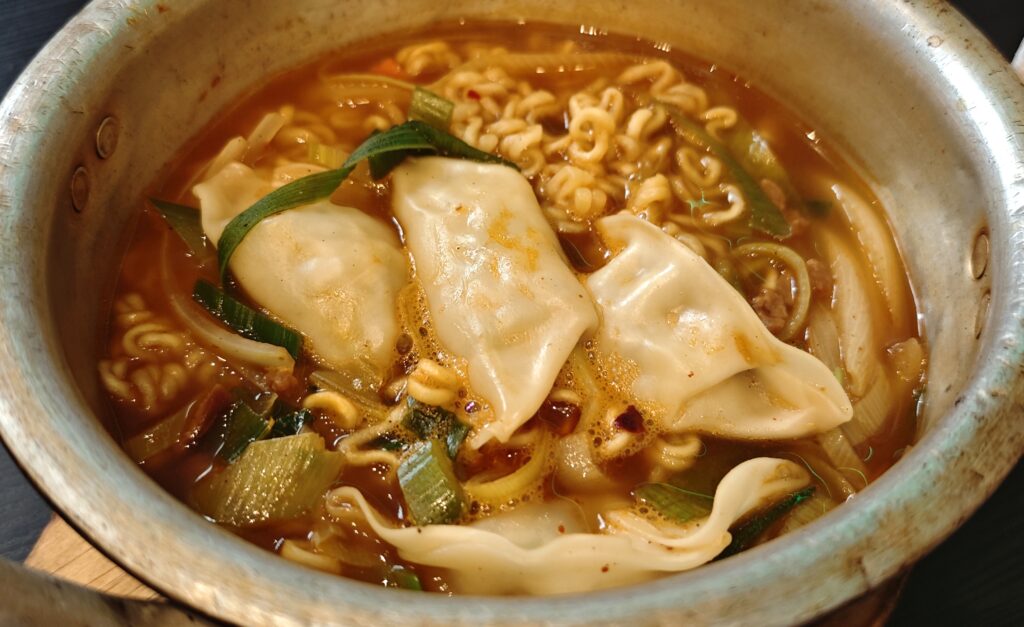
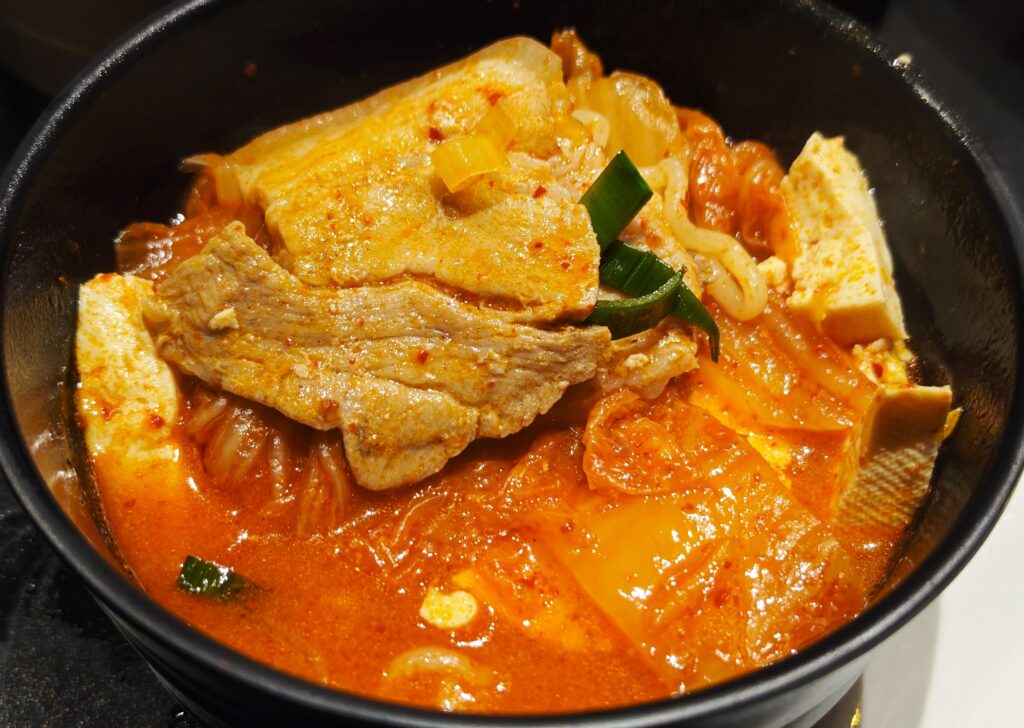
    Kimchi Jungol is a Korean hotpot that brings together the fermented kimchi with the Korean-style bacon, tofu, ramen, and a medley of spices, all topped with fresh leek for an aromatic burst.
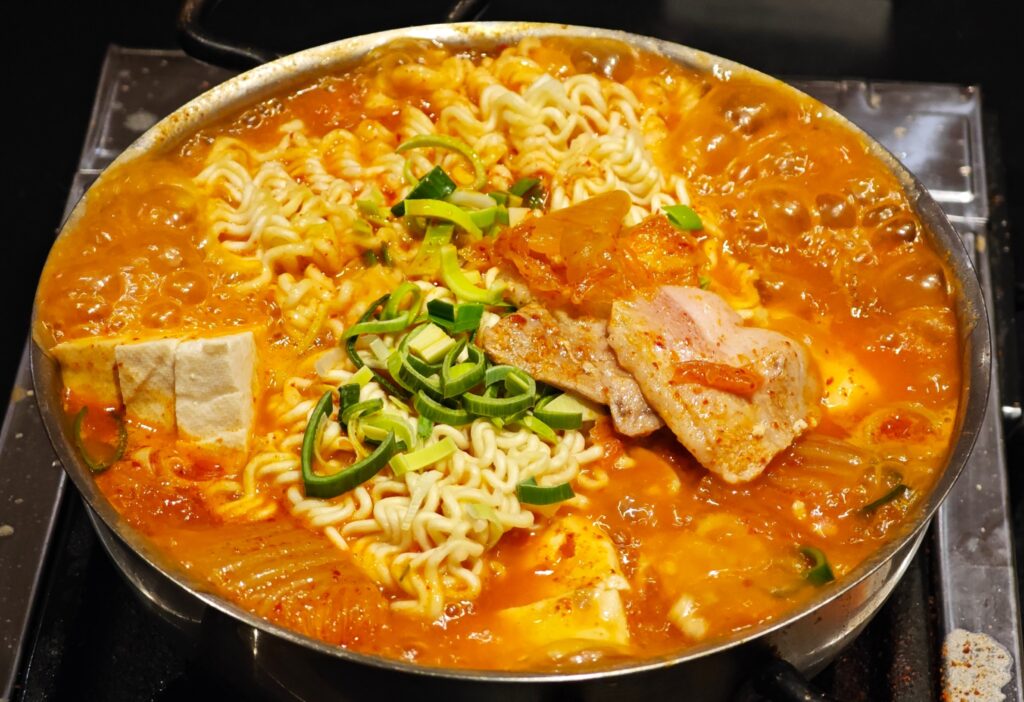
    The kimchi’s strong, tangy sourness forms the base of the broth, while the pork belly (or Korean-style bacon) lends a savory depth.
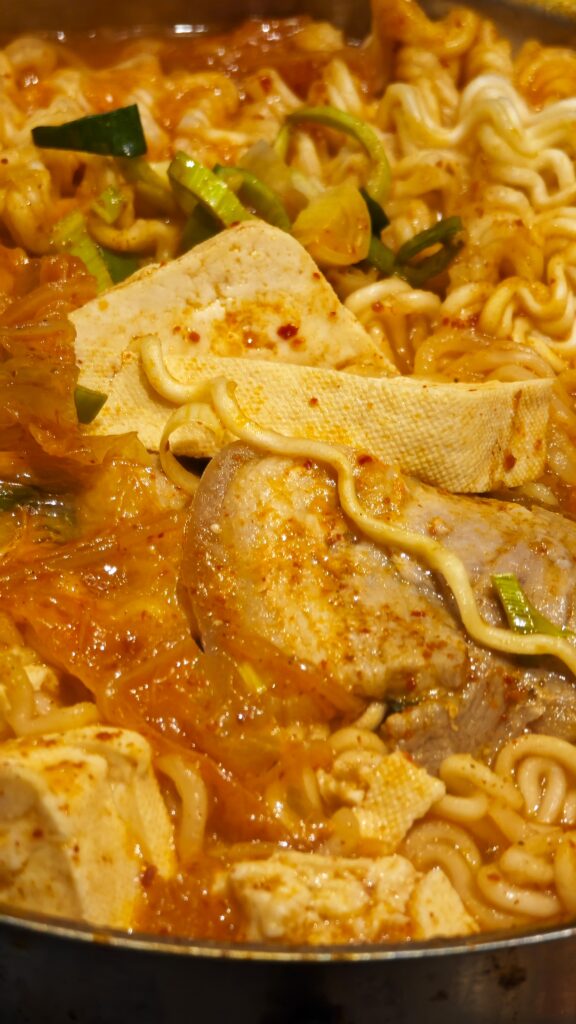
    The pork belly, rich, tender and umami-packed, pairs perfectly with bold, fermented kimchi, while the tofu contracts with a soothing softness.  
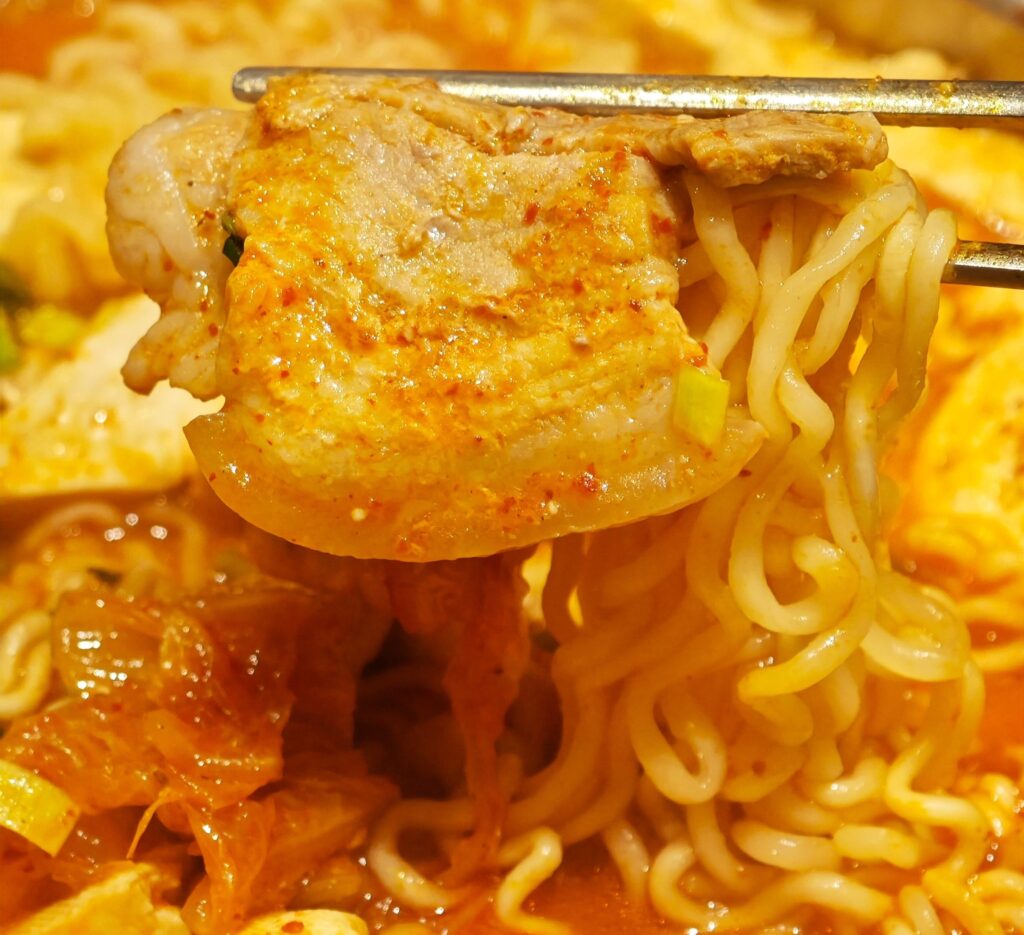
    The ramen noodles (Korean instant noodles), a popular staple in Korean stews, bring a bouncy, chewy texture that absorbs the thick, flavorful broth, making each bite super gratifying.
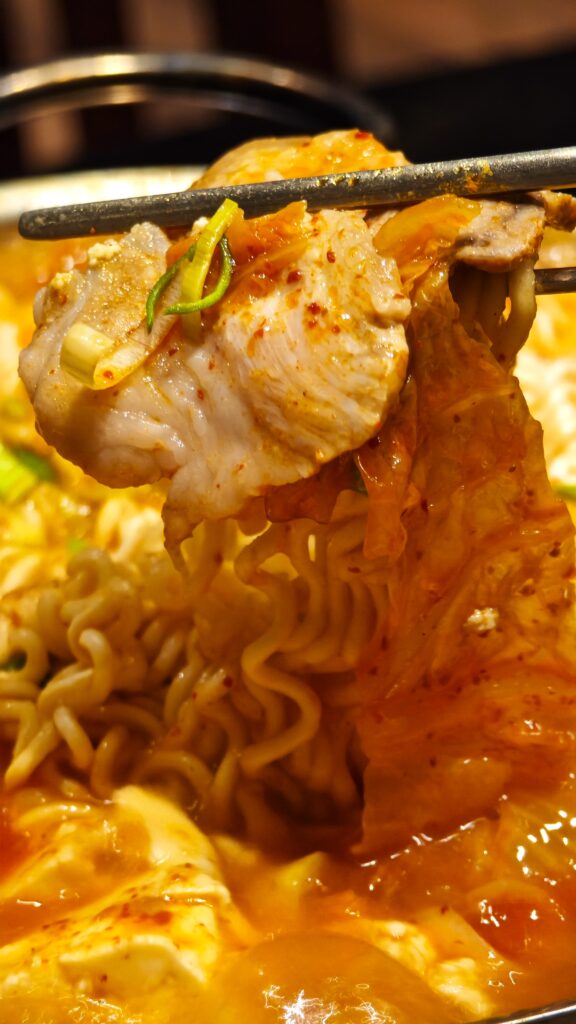
    The soup itself has a sour, spicy kick, thickened with a starchiness that gives it a hearty feel. What we like the most about this hotpot is the hint of tomato flavor, which brightens up the dish with a subtle freshness. You’ll find small pieces of tomato mixed in, infusing a mild sweetness.

    Once served, it only needs 3-5 minutes to cook the noodles, after which the pot should be turned off. All the ingredients are pre-cooked. If you like bold, complex Korean flavors, this is the dish for you and it’s sure to leave you warm and satisfied.
    Mr. Lee’s menu is full of dishes that are well worth trying, yet rarely found elsewhere in Frankfurt. As well as classics like Bulgogi, Duk-bok-ki and Mandu, you’ll see light and comforting Kongnamul Haejangguk (beef soup with bean sprouts), fiery and flavorful Agujjim (spicy monkfish with bean sprouts), tender Dogani Muchim (boiled beef marrow with vegetables), and juicy Bossam (Korean bacon paired with oyster and radish kimchi). For hotpot lovers, there’s a vegetarian version with anchovies and tofu.

    These dishes effortlessly reflect Koreans’ dedication to fresh ingredients and mastery of cooking techniques. The magic happens when the familiar ingredients transform into something extraordinary—like the tender, nutritious Samgyetang (ginseng chicken soup) or the rich yet refreshing Jokbal (pork knuckle). Some dishes here may be lesser-known, even to avid Korean food fans, but that’s the beauty of it, isn’t it? In life as in food, there is always something new and intriguing waiting to be discovered – some of which may become cherished memories, destined to stay, and leave a lasting imprint on your heart.  
  • Sorihashiya: Frankfurt’s Ramen Revolution

    Sorihashiya: Frankfurt’s Ramen Revolution

    Today, we’re absolutely thrilled to introduce you to Sorihashiya, a relatively new ramen place that has quickly captured the hearts (and stomachs) of Frankfurt’s Japanese food lovers. Located in a cozy, compact space, the restaurant Sorihashiya is often bustling, so it’s important to reserve in advance. With two-person, four-person, and even larger communal tables that seat up to 10, this place has a lively dining atmosphere where guests might share tables with new friends.

    Quick service is part of its fast-casual vibe, and diners are encouraged to keep meals within an hour to make room for the next round of ramen lovers waiting eagerly in line.

    Restaurant Profile

    So what’s the hype? One reason is their gyokai paitan broth—a masterfully crafted soup that’s rich, smooth, and packed with umami. After countless trials, Sorihashiya’s chefs landed on a winning recipe, combining French chicken and Spanish fish in double the usual amount to achieve a deeply satisfying richness. Gyokai paitan is a unique style of ramen soup known for its creamy texture and complex flavors, blending poultry and seafood into a divine sip of heaven!

    And it doesn’t stop at the broth. Sorihashiya’s noodles are crafted with care using German whole grain for flavor and Italian wheat for the ideal mochi-mochi texture—that gratifying chewy bite ramen lovers crave. Made with nothing but wheat, water, salt, and kansui (a special alkaline mineral water), these noodles are as pure as they are delicious.

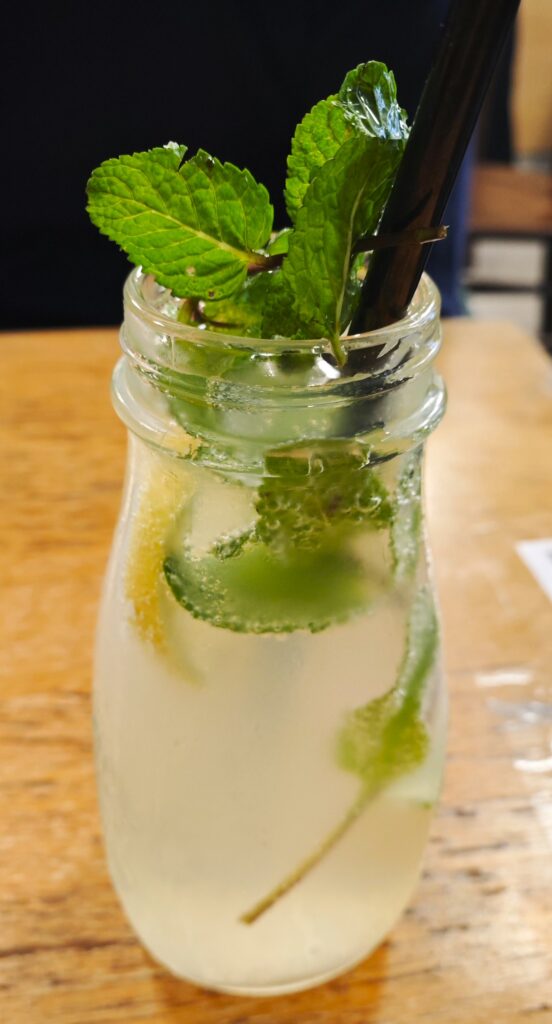
    Sorihashiya has a relatively simple drink menu, they offer classic Japanese drinks like Kirin beer and sake. If you prefer something warm, they also serve green tea and ginger tea. We personally prefer their homemade lemonade as a refreshing, zesty companion to a steaming bowl of ramen.

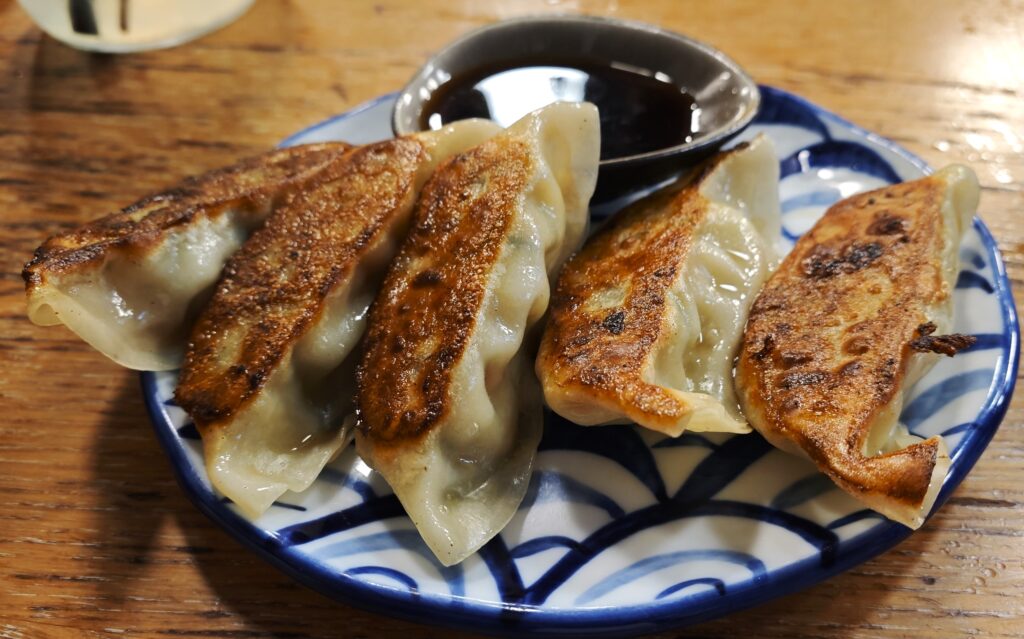
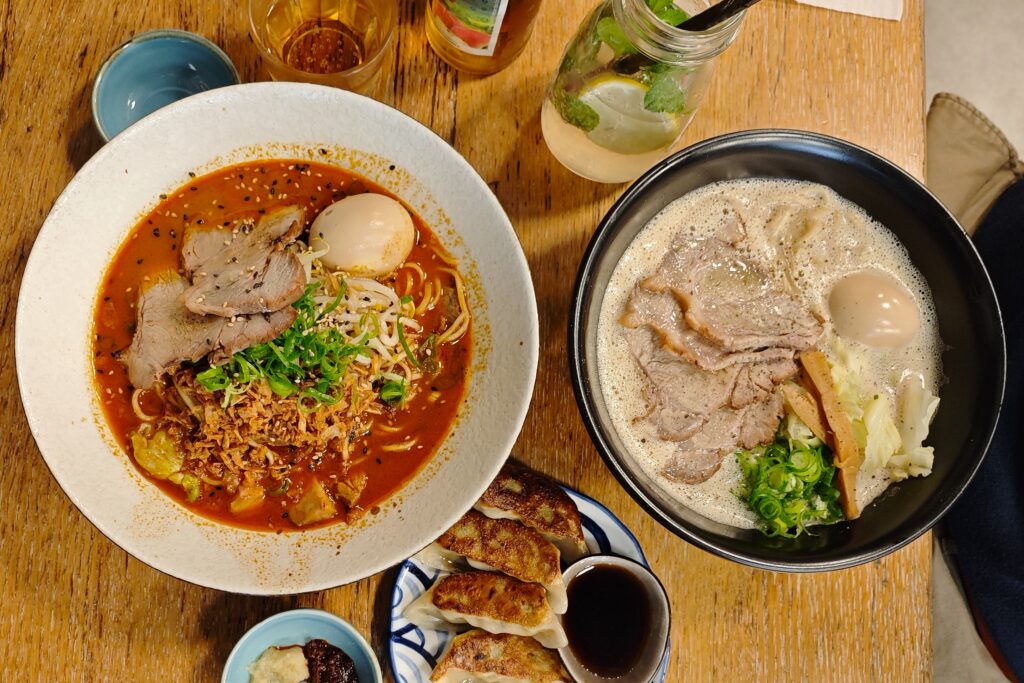
    There is also a good selection of side dishes, including savory donburi with tender chashu pork slices, classic edamame, and spicy kimchi. Among these, the vegetarian gyoza is a standout appetizer.

    These pan-fried dumplings arrive with five to a plate, featuring a crispy bottom and a soft, tender top. Inside, a fresh mix of carrots and cabbage provides a mild sweetness that pairs perfectly with the soy sauce dip. The gyoza are a balanced, tasty start to the rich, flavorsome ramen.

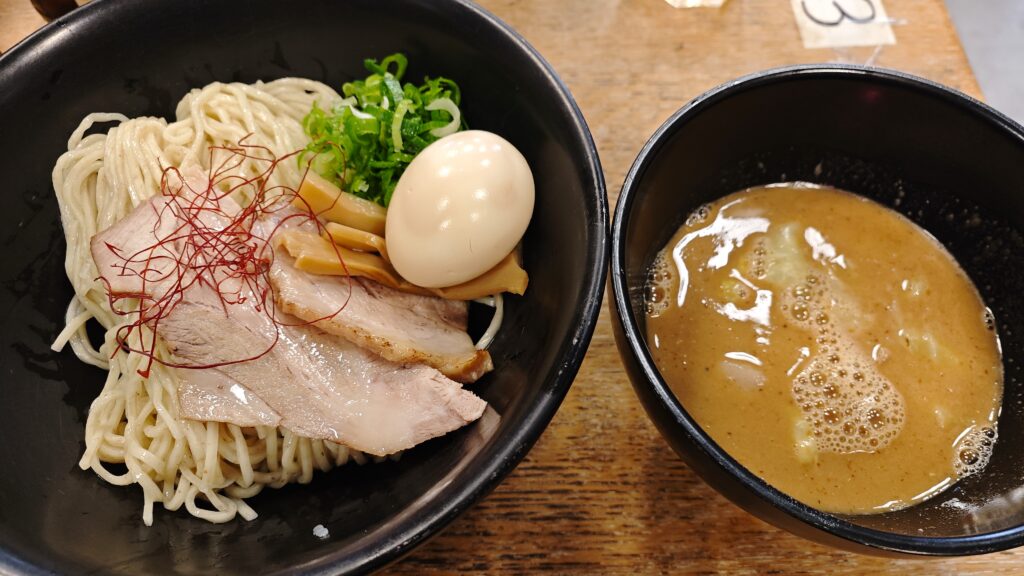
    The first noodle dish we want to spotlight is the Gyokai Tsukemen – a magical combination of noodles and soup that takes the ramen experience to a whole next level. Gyokai Tsukemen—which translates to “fish-based dipping noodles”—is a unique ramen style where cold noodles are dipped into a separate bowl of hot, richly flavored soup.

    The broth here is a savory powerhouse, brimming with deep umami, a hint of seafood brininess, and a heartwarming, robust chicken flavor. To balance this intensity, Sorihashiya adds yuzu that brings a bright citrusy note.

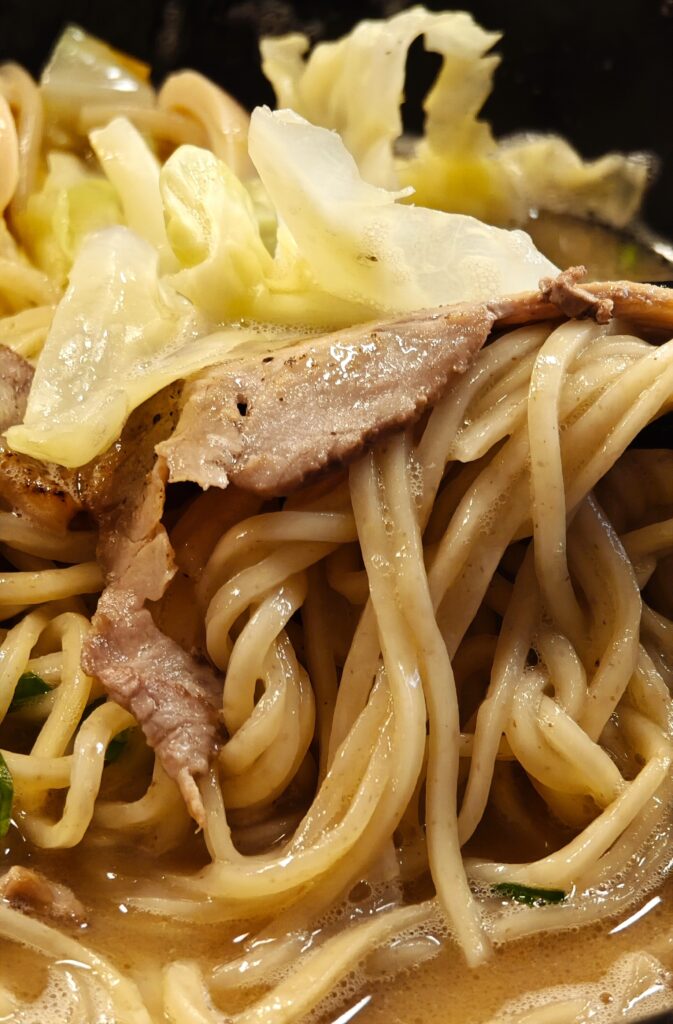
    The noodles are cut wide, which not only holds onto the broth beautifully but also enhances their springy, elastic texture—a result of dipping cold noodles into hot soup, a traditional technique that intensifies their chewiness and flavor.

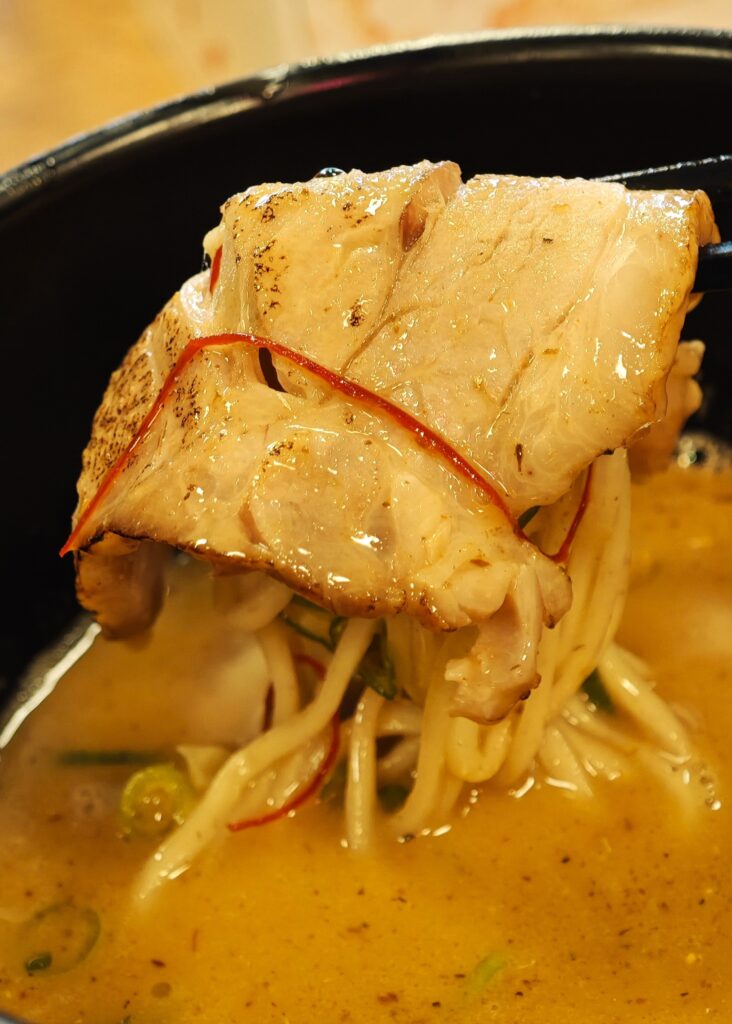
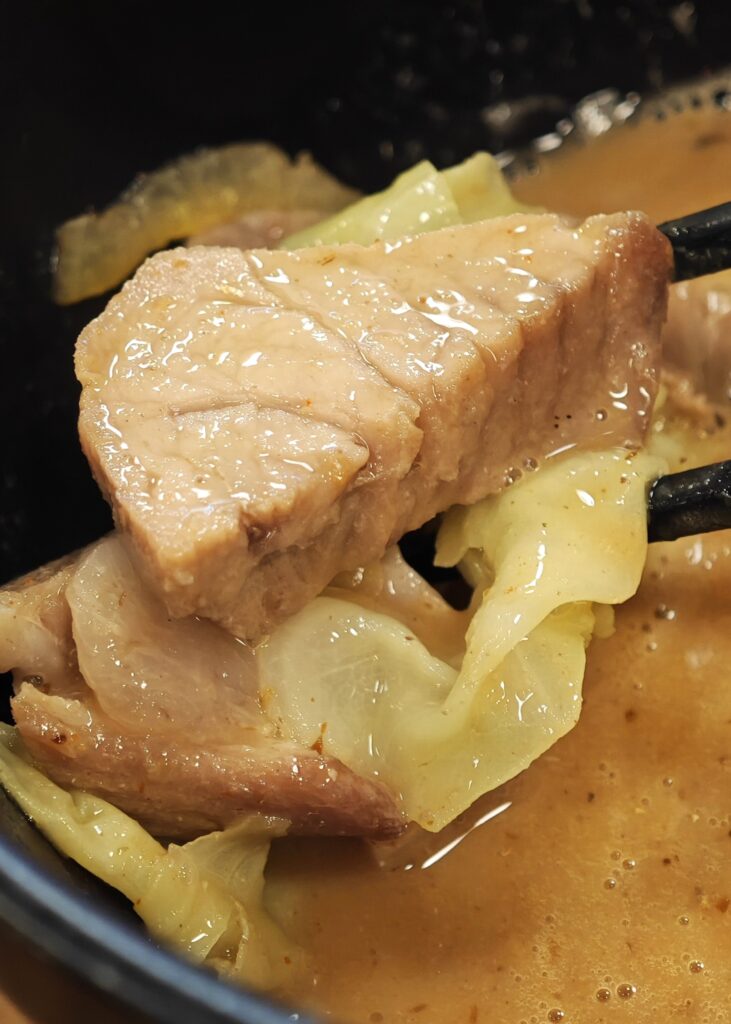
    The dish comes topped with juicy pork cubes, while optional add-ons include ajitama (a seasoned, soft-boiled egg with a creamy yolk) and chashu pork – thinly sliced, slow-cooked pork shoulder that adds a rich, melt-in-your-mouth layer to each dip. Alongside are tender bamboo shoots, refreshing cabbage, and a sprinkle of green onions, which all lend freshness to the bowl. The red chili threads provide a mild spiciness and a dainty decorative touch.

    If you haven’t tried this style of ramen yet, it’s an experience you shouldn’t miss. The way the noodles soak up the flavorful broth, the bounce of each noodle as it’s dipped, and the tender, savory slices of pork will turn every bite into a new discovery.

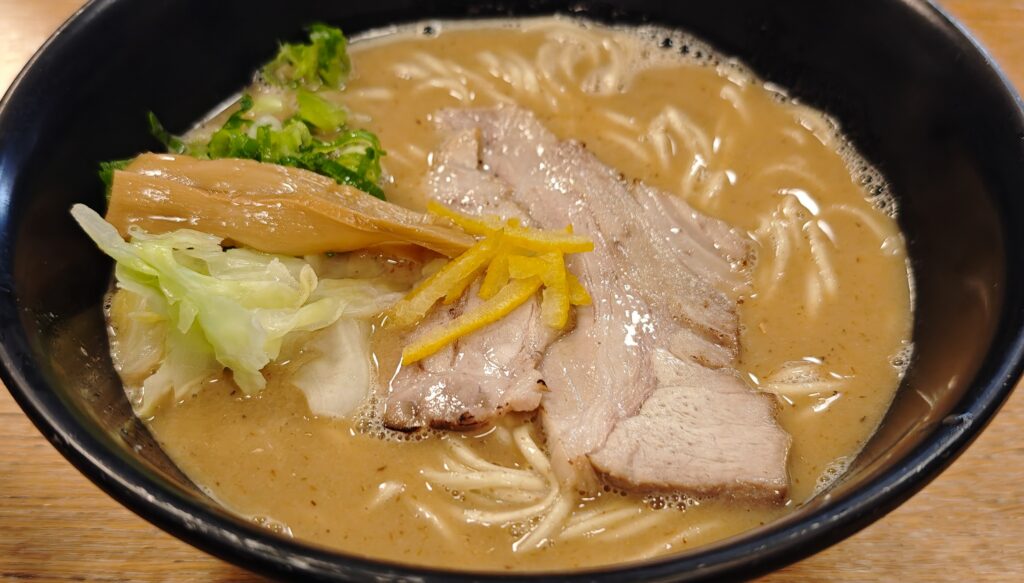
    While my personal favorite is the Tsukemen, Sorihashiya’s official star dish is actually the Gyokai Ramen. Just like the Tsukemen, this dish features their ultra-rich blend of fish and chicken broth. For the soup ramen, Sorihashiya uses thinner, smoother noodles to better absorb the soup. Compared to Tsukemen, this dish offers a more familiar way to enjoy their signature broth.

    The bowl comes topped with tender pork cubes and fresh, crisp toppings like cabbage, green onions, and bamboo shoots. A touch of yuzu adds a refreshing citrus to round out the soup’s richness. For those who like a little heat, extra spices are available at every table. They deliver a sharp, pungent kick that really enhances the flavors. But if you prefer it as it is, the thick, concentrated broth alone is hearty and indulgent enough to enjoy on its own.

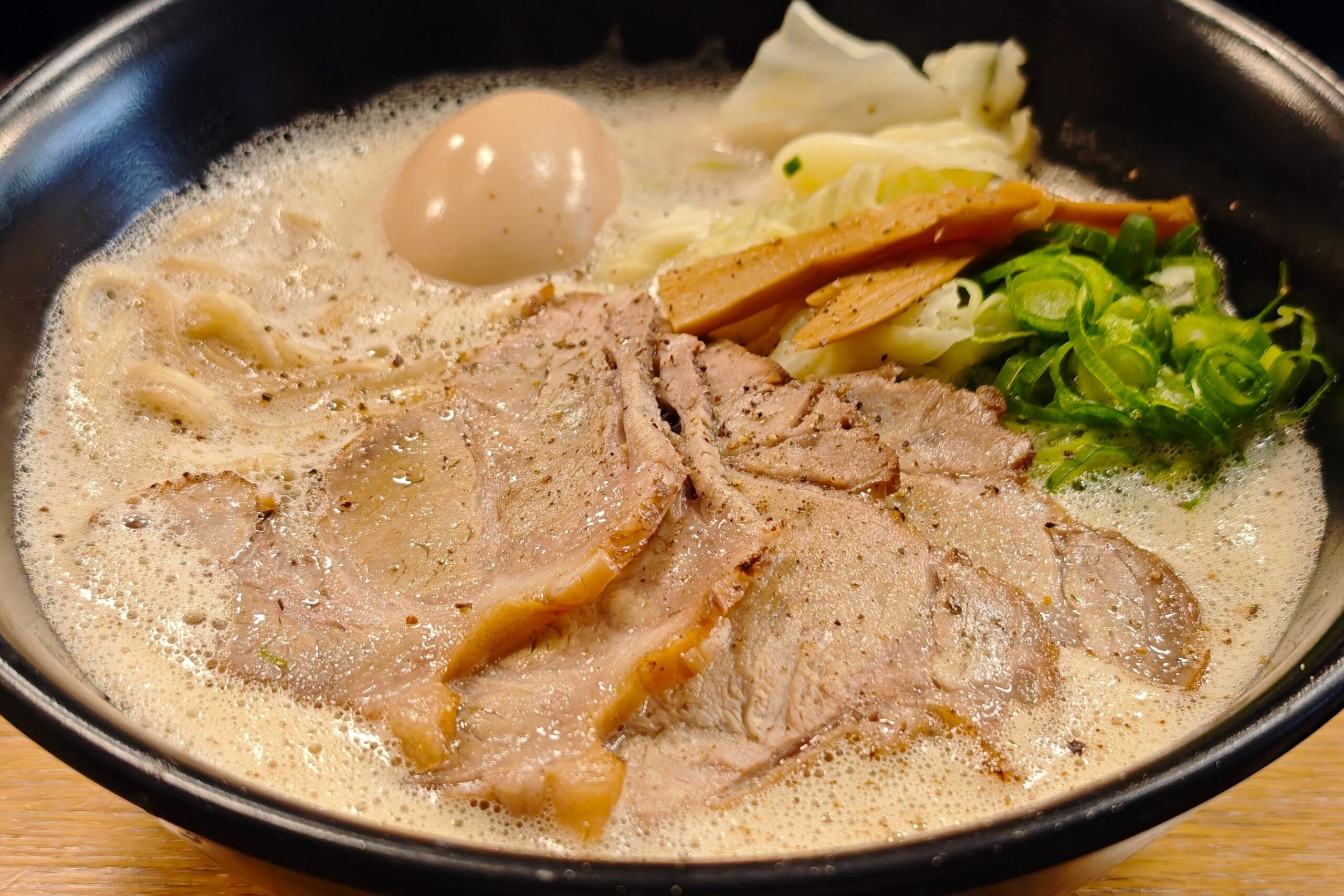
    Next up is the Shoyu Paitan Ramen – dubbed the “Beginner’s Choice”, recommended for anyone interested in a traditional paitan experience.

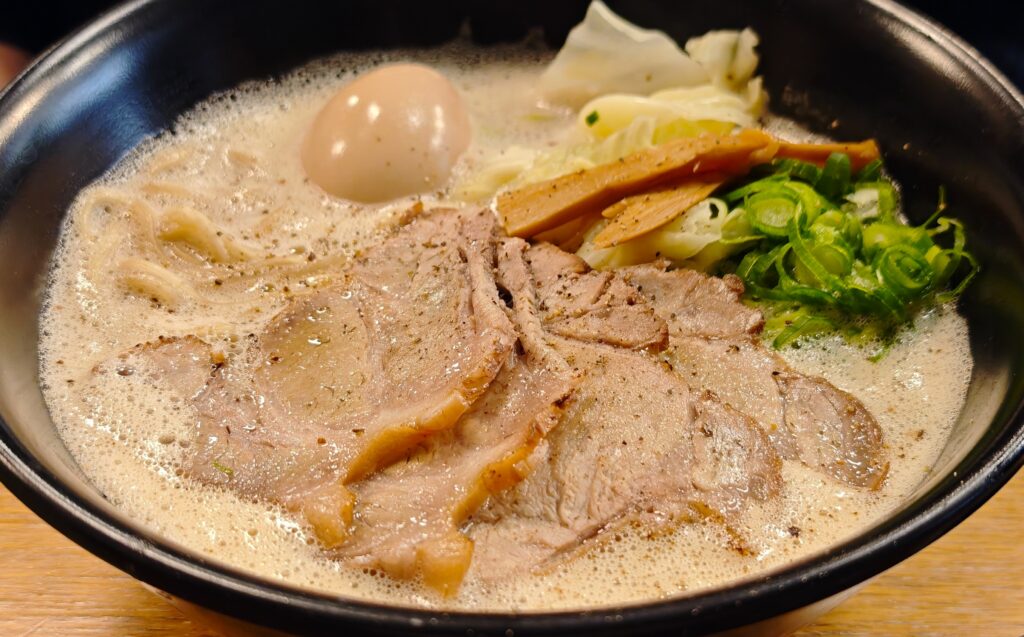
    Paitan” is a style of ramen broth deeply rooted in Japanese ramen culture, known for its creamy, opaque appearance. Unlike clear broths, paitan is made by simmering chicken (or sometimes pork) bones for hours, extracting collagen and fats to create a thick, velvety soup packed with deep umami. In this dish, the paitan base is enhanced with soy sauce (shoyu) for a savory, slightly tangy depth.

    At Sorihashiya, the paitan is particularly rich and thick, with a light foam on top from emulsified fats that seals in heat and aroma. When the noodles glide through the dense broth, they catch that flavor-packed richness in full, making every mouthful deeply indulgent.

    The bowl comes with tender pork cubes, crisp cabbage, green onions, and bamboo shoots. We also opted for an ajitama (boiled egg) and chashu (sliced pork) as additional toppings.

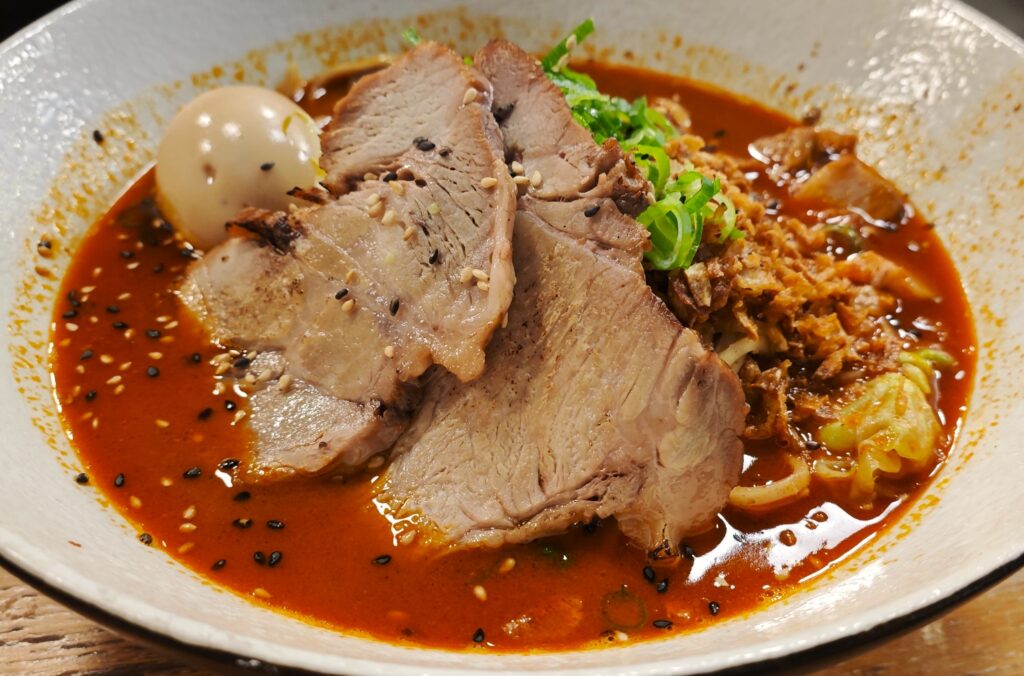
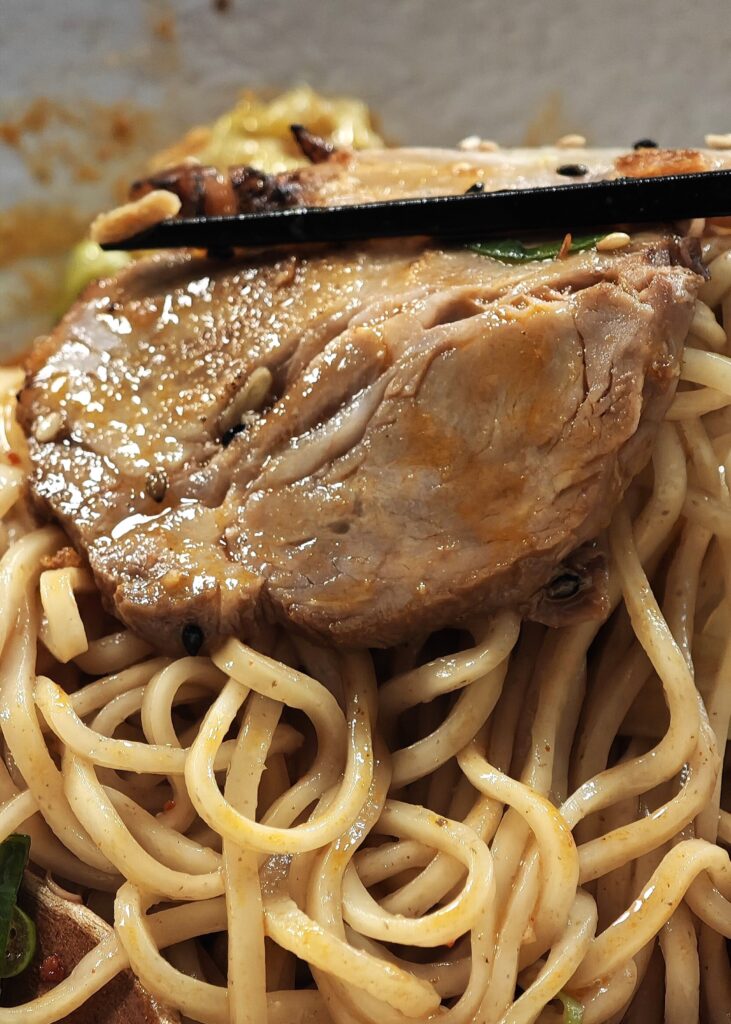
    Umakara Ramen is a bold, spicy option for ramen lovers, made with Sorihashiya’s thick, rich chicken broth. Similar to a Japanese take on Chinese dandan mian, it boasts a deep, satisfying heat.

    The umakara broth is infused with chili spice that’s intense, warm, and umami. Diving into the bowl, you’ll find tender pork cubes, lending a savory juiciness to the fiery broth. The ramen also includes crispy cabbage, refreshing bean sprouts, green onions, and a sprinkle of roasted onions and sesame seeds.

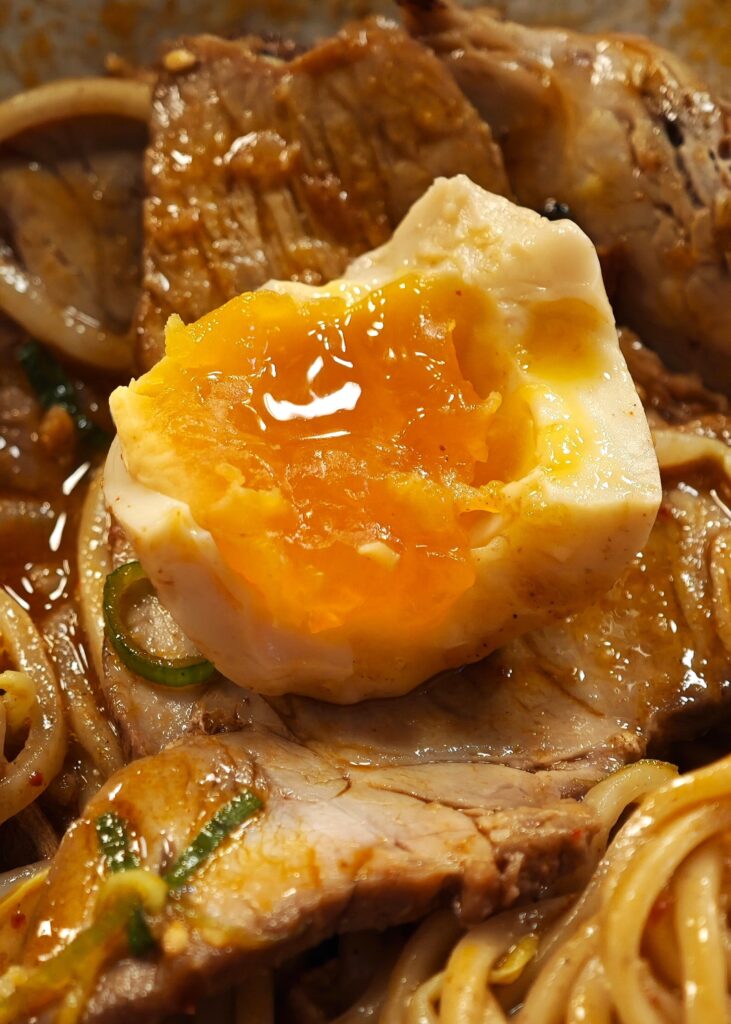
    It’s indeed a pleasure to see how the thick broth clings to the noodles. By the time you reach the end, it almost transforms into a Sichuan Banmian (spicy dry-mixed noodles). The broth/”sauce” coats every strand in a highly concentrated, flavor-packed finish, with optional add-ons like chashu pork and a creamy ajitama egg further intensifying its hearty, robust taste.

    In Japan, ramen restaurants are as numerous as the stars in the sky, each one striving to stand out. Some pursue bold flavors, others emphasize premium ingredients; some stay rooted in tradition, while others push the boundaries of creativity. With over 20,000 ramen shops across the country, the competition is fierce, driving ramen restaurants to constantly focus on perfecting their recipes.

    Sorihashiya’s menu may be simple, but every bowl is a masterwork. Their thick, collagen-rich broth and uniquely crafted noodles highlight the restaurant’s dedication to quality – this place isn’t about doing it all; it’s about doing it right.

  • Dim Sum House: Timeless Flavors of Hong Kong Come Alive in Frankfurt

    Dim Sum House: Timeless Flavors of Hong Kong Come Alive in Frankfurt

    There’s something magical about dim sum— it’s comfort, flavor, and nostalgia served in steaming baskets. This little restaurant Dim Sum House offers the exact flavors that remind us of the bustling old streets of Hong Kong, where narrow alleyways lead to hidden popular stands filled with the aroma of freshly steamed dim sum and bubbling congee.

    We keep coming back, especially when we’re in the mood for something soothing and simple. The restaurant has a modest, yet charming setup. With indoor and outdoor seating, the space is alive with the hum of conversation and the clinking of tea cups. Inside, walls adorned with vintage photographs take you right to the lively, chaotic heart of Hong Kong, where tea houses, noodle shops, and dim sum parlors sit tucked in every corner.

    Restaurant Profile
    • Name of the Restaurant: Dim Sum House (see menu)
    • Adress: Vilbeler Straße 27, 60313 Frankfurt am Main
    • Style: Hong Kong/Cantonese/Chinese Cuisine – dim sum/steamed baskets, dumplings, stir-fries, soup, braised clay pot dishes, noodles, rice dishes, porridge, roasts etc.
    • Price: around 20 – 30 EUR per Person (incl. drinks and tips)

    We can’t wait to take you through the dishes that keep us returning.

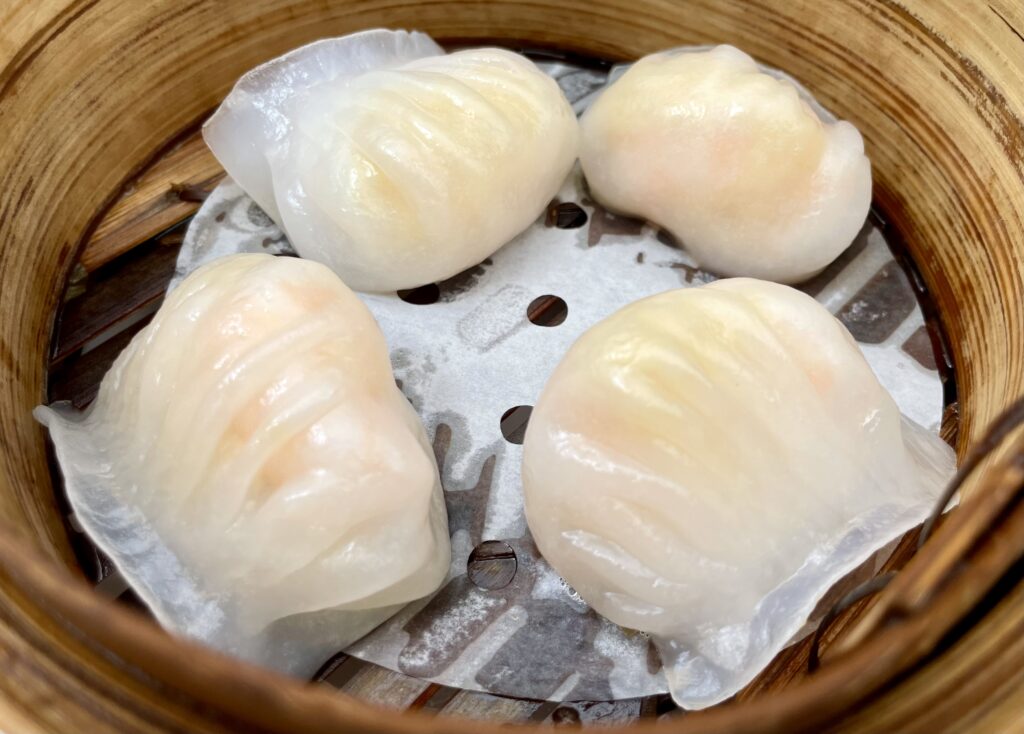
    D1 Har Gau (虾饺),the iconic shrimp dumpling – is a timeless classic in Cantonese dim sum cuisine, with a history spanning over a century. This artful creation is shaped like a crescent moon. A perfect Har Gau is adorned with twelve pleats on its semi-transparent skin, resembling the intricate design of a spider’s belly.

    The thin, translucent wrapper is made from wheat starch and tapioca flour to form its signature crystal-like appearance. Inside, the filling is a blend of succulent shrimp, tender bamboo shoots that taste fresh, savory, and slightly crunchy.

    When steamed, the snowy-white, glossy exterior glistens like a culinary jewel, with the pliable wrapper bursting with the rich aroma of its savory filling. The dumpling’s skin is soft yet elastic, encasing the juicy shrimp and crispy bamboo shoots. The shrimp itself is a highlight, bringing out a natural sweetness and a taste of the sea, complemented by the earthy crunch of the bamboo shoots.

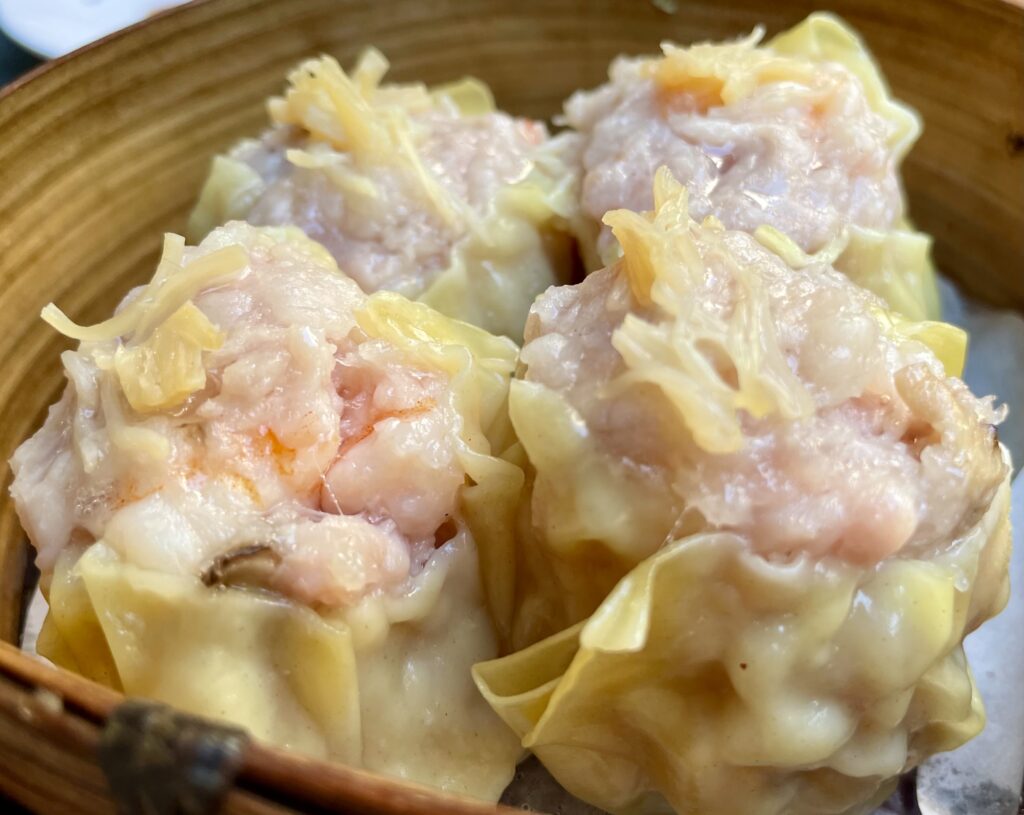
    D2 瑶柱烧卖王, fondly known as the “King of Siu Mai,” is beloved for its luxurious filling and bold flavors. It combines minced pork, tender shrimp, and shiitake mushrooms. The addition of dried scallops (瑶柱) elevates the flavor with a rich umami depth that lingers on the palate.

    The golden-yellow skin, tinted with egg yolks or turmeric, adds a visual appeal and hints at the rich flavors waiting inside – where the “meaty chunks” meet the “minced meat” to create a filling that is both tender and satisfyingly chewy.

    With every bite, the plump, juicy filling releases a burst of savory richness. The pork is finely minced yet retains a firm bite, while the shrimp adds a springy, bouncy texture. The shiitake mushrooms contribute an earthy aroma, and the dried scallops lend a subtle seafood sweetness.

    Despite its juicy, almost oily interior, the flavors are balanced, never tipping into greasiness. The overall experience is indulgent yet clean, and incredibly gratifying.

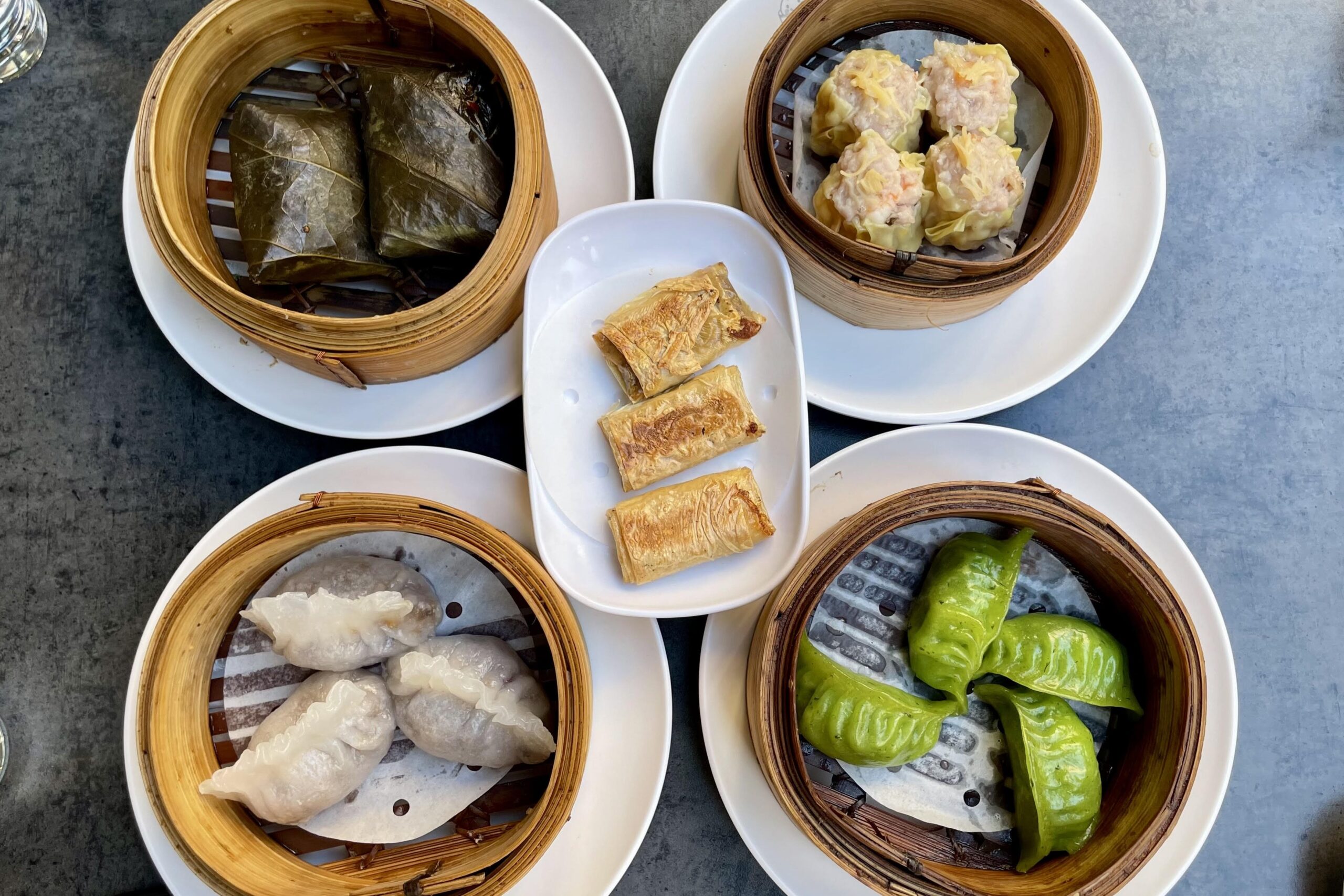
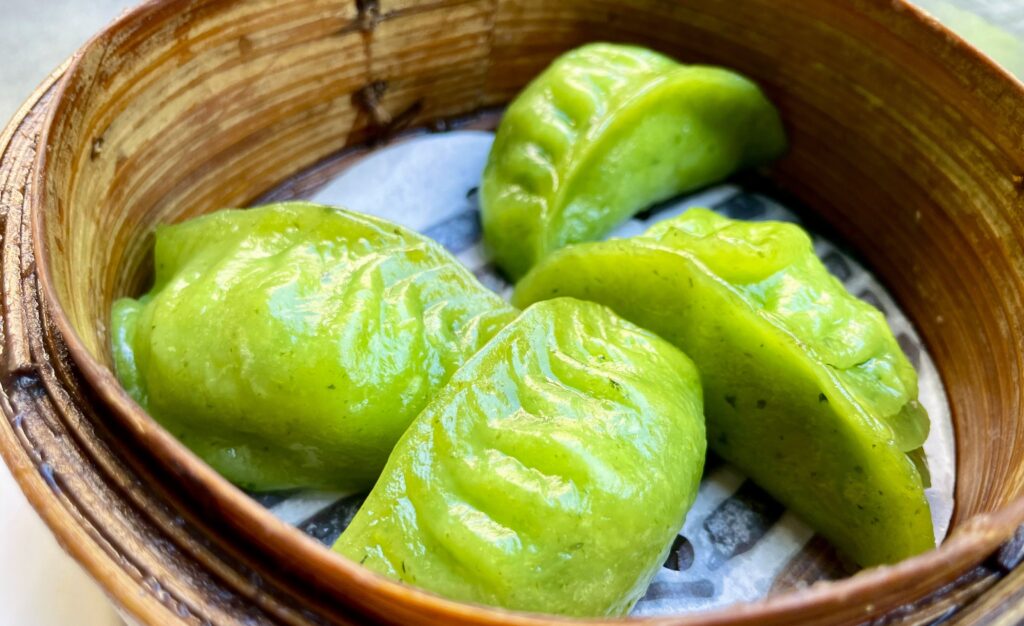
    D7 菠菜带子饺, or spinach scallop dumpling is like a flavor-packed emerald in the dim sum repertoire. Its translucent, emerald-green wrapper is colored naturally with fresh spinach juice, which gives it an earthy aroma that sets it apart.
    The skin is thin, soft yet resilient, perfectly encasing a succulent filling of spinach, scallops and fish. This combination is both refreshing and indulgent. The spinach lends a subtle, vegetal sweetness that complements the briny freshness of the scallops and fish. Together, they create a harmonious blend of land and sea.

    This dumpling is not only delicious but also light and easy to digest, making it a great choice for those who likes subtle yet layered flavors.

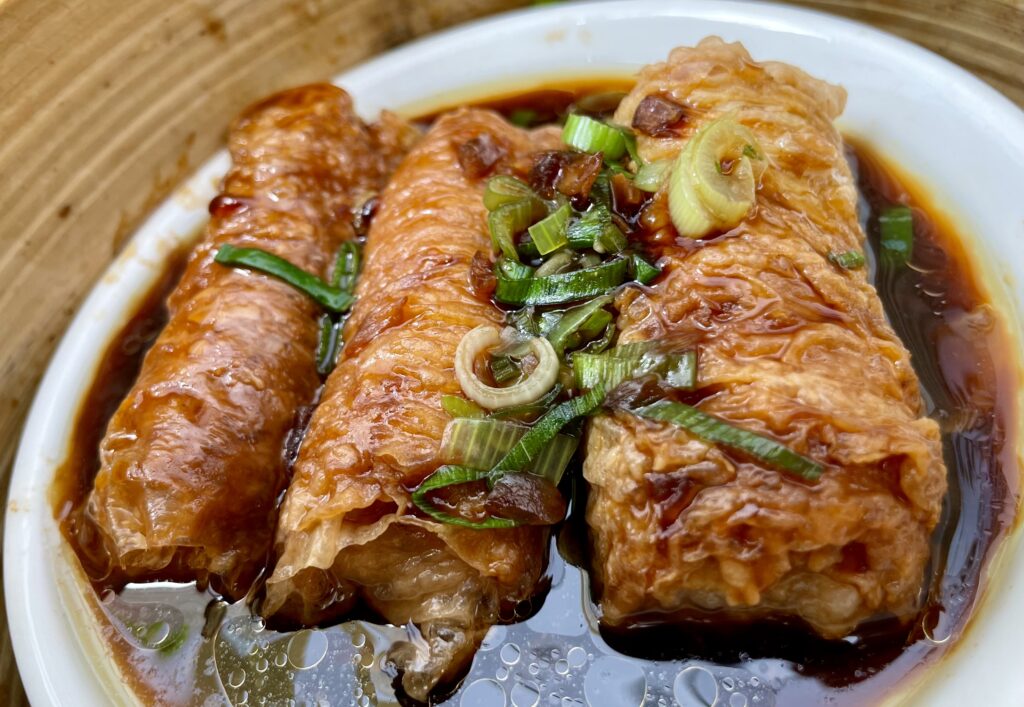
    D12 鲜竹卷 (Juicy Tofu Roll) features thin, layered tofu skin wrapped around minced pork and shrimp. The rolls are bathed in a savory blend of soy and seafood sauces and topped with fresh green onions for a fresh aroma.

    The golden-brown tofu skin glistens from the light coating of sauce, making it very appetizing. At first bite, the tofu skin impresses with its soft, multi-layered structure. Known as yuba, the tofu skin is made by simmering soy milk and lifting the thin layer that forms on the surface. Though thin and delicate, its ability to absorb flavors and retain moisture is excellent. Just feel how it releases the rich flavors of the juicy filling – the generously packed minced pork and tender shrimp – offering a full-bodied bite with every mouthful.

    The sauce adds a savory depth and umami, enhancing the natural sweetness of the shrimp and the meaty richness of the pork.

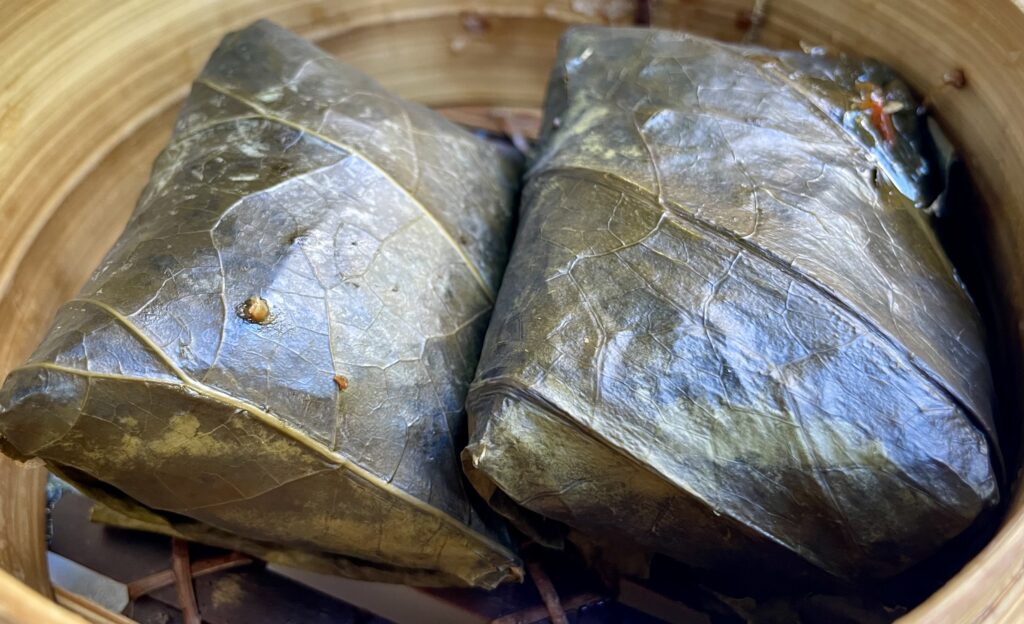
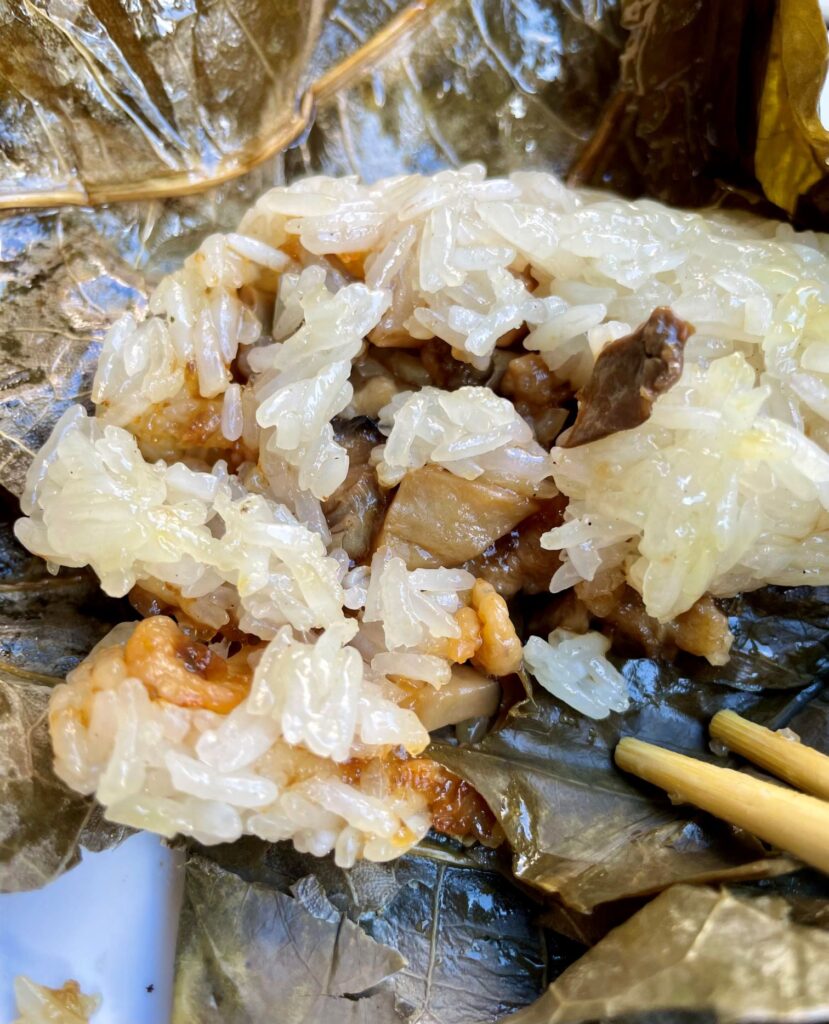
    D14 珍珠糯米鸡, also known as Lo Mai Gai, includes sticky rice and a hearty filling of chicken, pork, tiny dried shrimp, and mushrooms, all lovingly wrapped in fragrant lotus leaves.

    Unwrapping the lotus leaf is a sensory treat, as the warm, earthy aroma escapes, hinting at the flavors hidden within. The sticky rice shines with just the right amount of moisture, infused with the delicate herbal note of the lotus leaf. The rice is soft and chewy, with a rich, and slightly oily mouthfeel that’s indulgent, but not greasy.

    The steaming process melds all ingredients together, ensuring every grain carries the tender, silky essence of the chicken, enriched by a hint of luscious fat. Pork adds a hearty bite and savory depth, while tiny dried shrimp contribute bursts of umami and brininess. Mushrooms, with their subtle chewiness, weave everything together, balancing the richness of the meats.

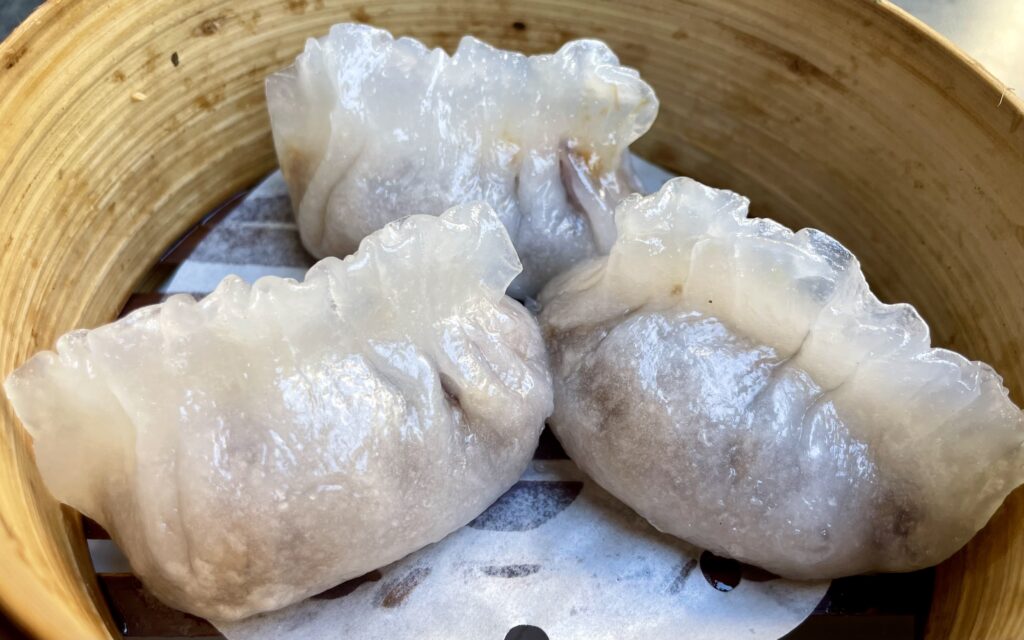
    D18 潮州粉果 (Chaozhou Fen Guo) has its roots tracing back to the Ming Dynasty (1368 to 1644 CE). A hallmark of Teochew (a city in Guangdong Province) cuisine, these steamed dumplings boast a paper-thin, crystal-clear skin and a savory filling.

    The dumpling’s translucent wrapper is made using rice flour and wheat starch. The dough is kneaded to a silky perfection and steamed to achieve a glossy, semi-transparent sheen that glimmers like a jewel. It’s elastic and smooth, with a pleasant chewiness.

    As you bite into the 潮州粉果, the skin yields to reveal its flavorful filling: peanuts that bring a nutty crunch contrasting with the soft wrapper, slightly sour pickled mustard greens (酸菜), tender morsels of pork, and crisp bamboo shoots. It’s a combination of savory, tangy, and nutty, with an array of textures to keep each mouthful intriguing.

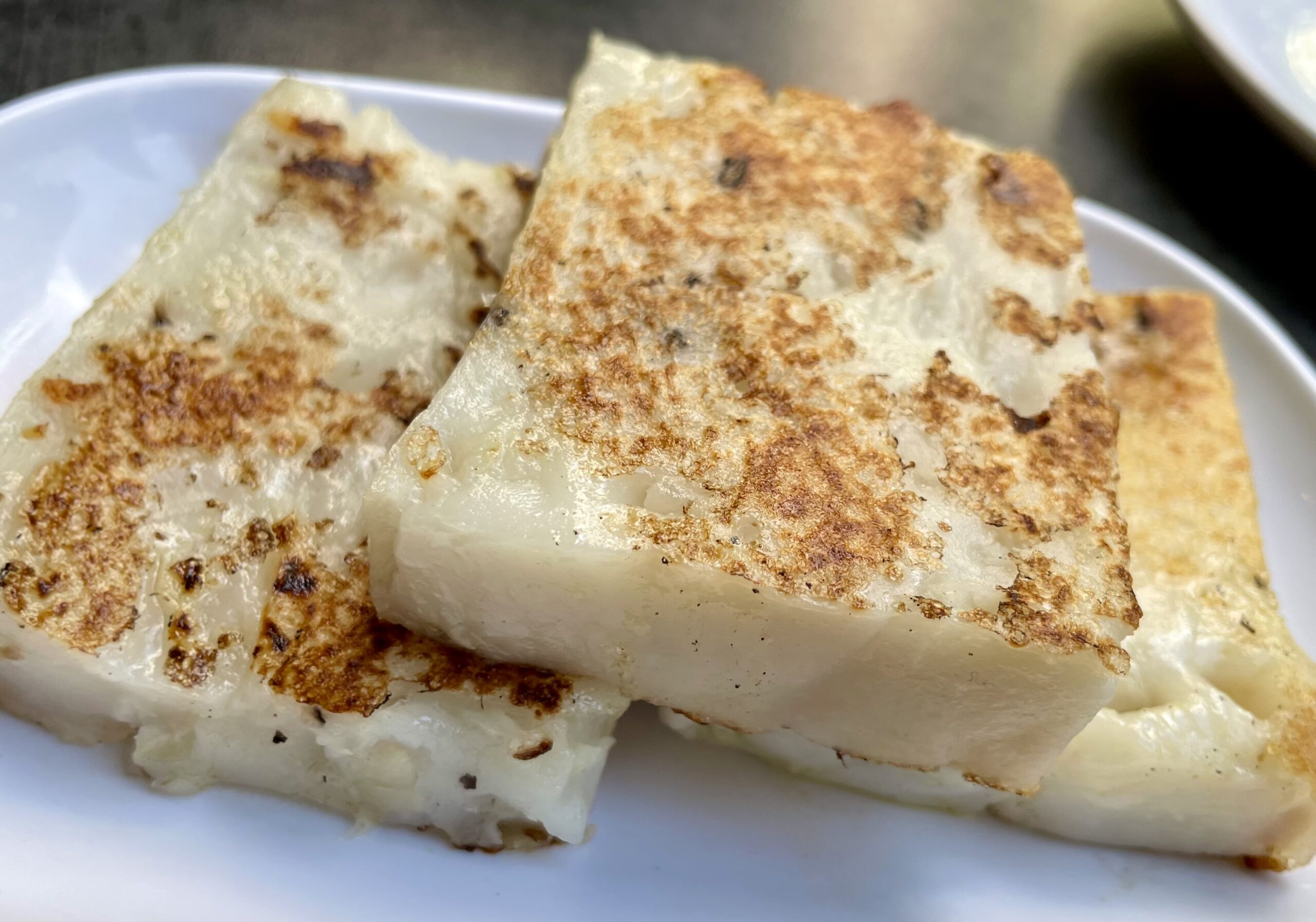
    DG1 萝卜糕 (Radish Cake) is known for its comforting texture and mild, soothing flavor. This dish features a smooth, soft interior with a slightly crispy golden-brown exterior.

    Made with finely grated white radish, the cake carries a subtle sweetness, yet you won’t see visible chunks of radish. Instead, the radish is finely integrated with glutinous rice flour. Tiny dried shrimp, or 虾米, lend a delicate umami that balances the mild taste. The overall taste is gentle yet layered, combining fresh radish, savory shrimp, and slightly sticky consistency of rice flour.

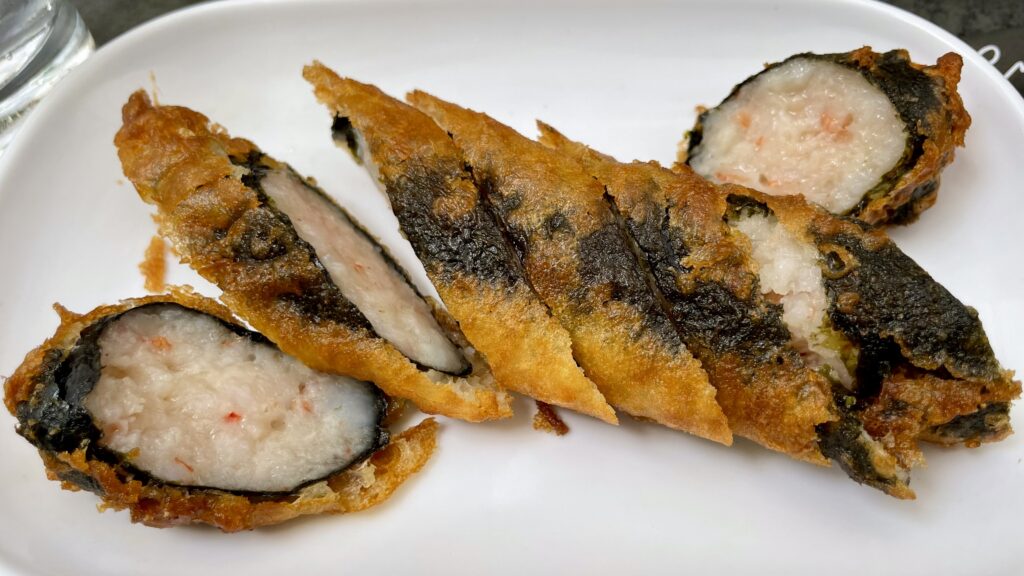
    DG5 紫菜卷 (Seaweed Rolls with Shrimp) is one of the most popular dishes at Dim Sum House, offering a crunchy skin and a savory, briny filling. These rolls are carefully wrapped in seetang (seaweed), adding a touch of natural umami and a slight oceanic aroma that complements the rich shrimp paste inside.

    As you bite into the crispy, golden skin, you’ll taste the shrimp’s briny richness and the seaweed’s fresh, salty notes. Together, the crispy outer coating and the tender, flavorsome shrimp filling make for a delicious treat that’s absolutely a joy to eat.

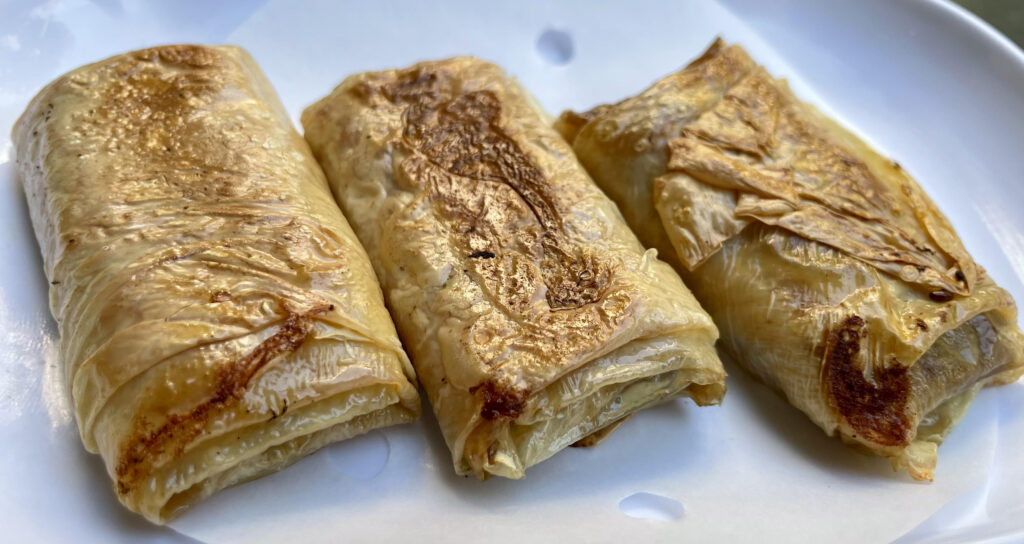
    DG9 香煎腐皮卷 (Pan-Fried Tofu Skin Rolls with Vegetables and Mushrooms) is a savory vegetarian dish. The tofu skin, made by crafting a thin, delicate layer from simmered soy milk, is rich in flavor and high in nutrients. The process is an art – the soy milk is heated slowly until a thin membrane forms on the surface, which is then carefully lifted and dried by skilled chefs. This tofu skin becomes golden and crispy when pan-fried, creating a crunchy outer layer with a slight chewiness.

    Inside, the rolls are filled with juicy vegetables and earthy mushrooms. Each bite reveals a burst of flavor. When dipped into soy sauce with spices or a splash of vinegar, the rolls sock up the savory goodness. Paired with the fresh filling, they create a mouthwatering combination that’s truly enjoyable.

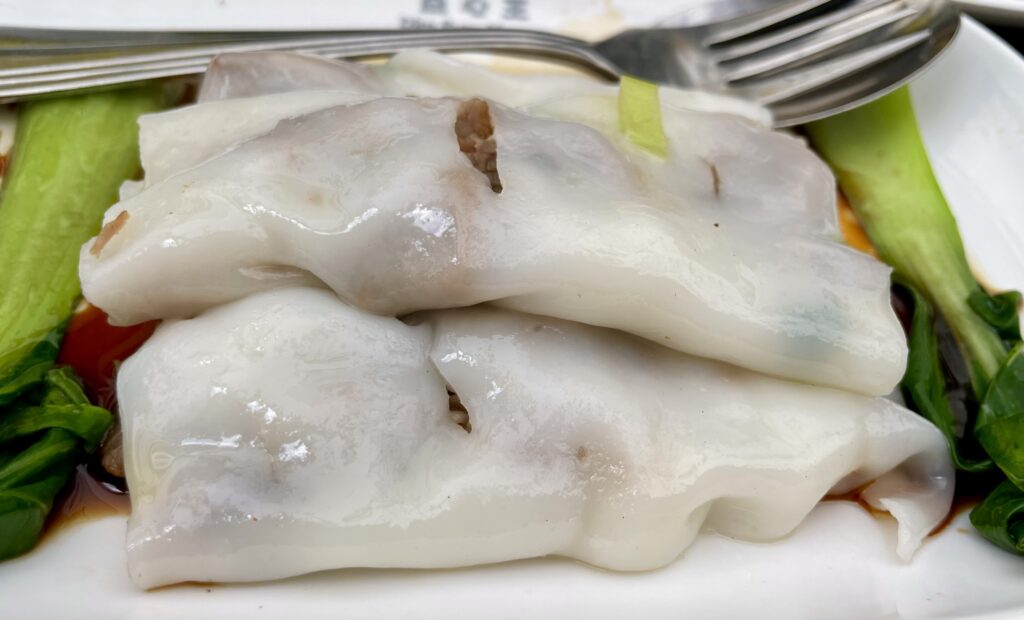
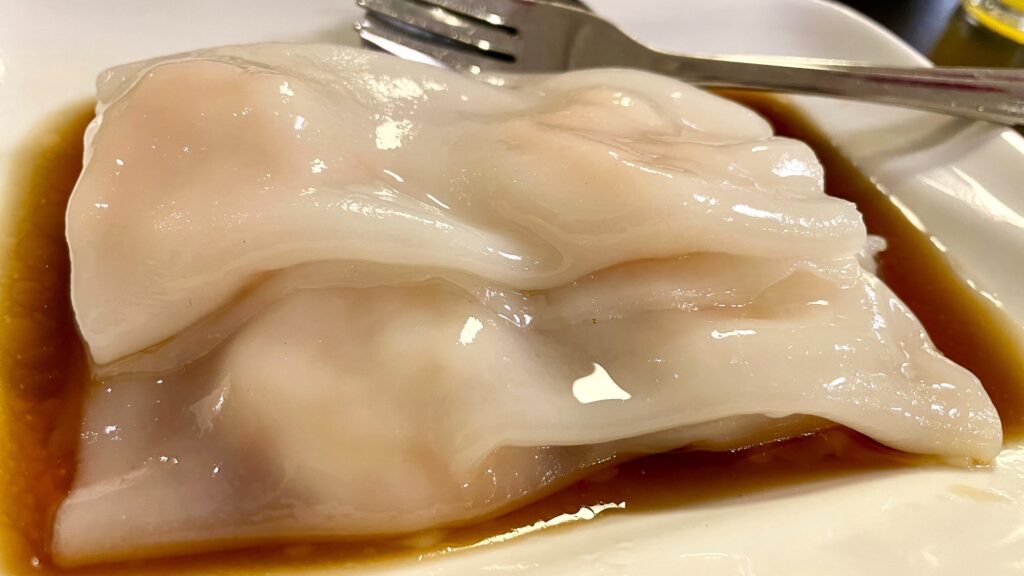
    肠粉 (Cheung Fun) is a timeless Cantonese dish that has won hearts across Hong Kong, Guangdong, and beyond. This dim sum staple is made from a silky rice flour batter, steamed into soft, translucent sheets that are rolled into delicate bundles. The texture is the highlight — smooth, tender, and slightly elastic, making it such a joy to bite into.

    The rolls can be served plain, known as TF6斋肠粉 (Zhai Cheung Fun, a vegetarian option), or filled with a variety of ingredients. At Dim Sum House, we’d like to recommend:

    TF1 Char Siu Cheung Fun (叉烧肠)

    This roll is filled with Char Siu, a Cantonese BBQ pork that is slightly sweet, savory, and smoky. The pork is roasted to achieve a caramelized glaze with a hint of honey. The tender pork contrasts beautifully with the soft, smooth wrapper. A splash of light soy sauce enhances the umami flavor, balancing the touch of sweetness.

    TF3 Shrimp Cheung Fun (虾肠)

    This version features plump, juicy shrimp that bring a clean, oceanic sweetness. The shrimp filling is lighter than the BBQ pork, ideal for those who prefer delicate, refreshing flavors. The light soy sauce drizzled on top accentuates the shrimp’s natural sweetness, while the soft, silky rice roll complements the shrimp’s firm bite.

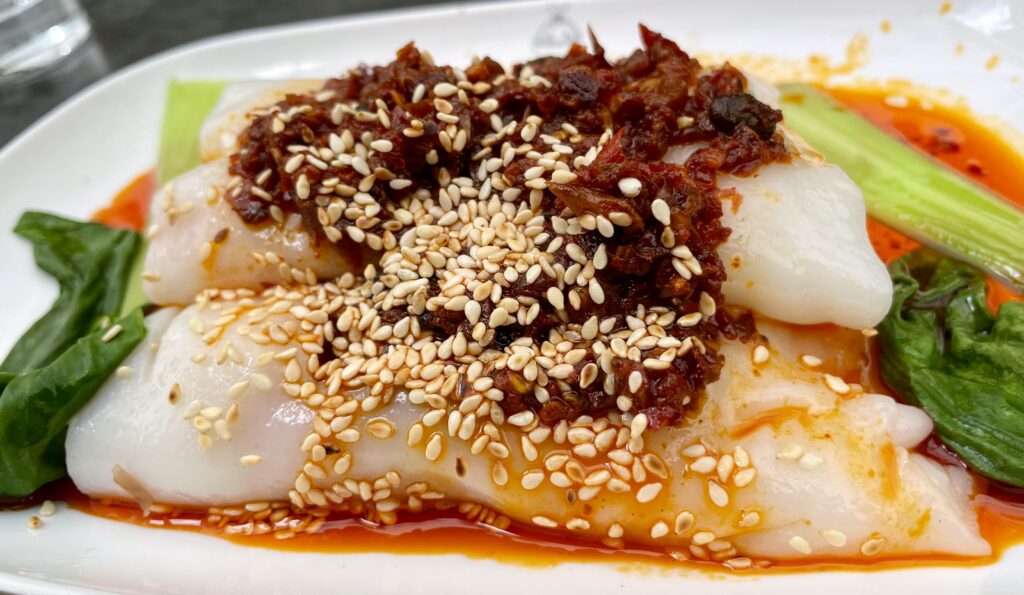
    TF8 Kou Shui Ji Si Cheung Fun (口水鸡丝肠)

    A bold and spicy option, these rolls are filled with tender shredded chicken and green onions, topped with doubanjiang (spicy fermented bean paste) and sesame seeds. The doubanjiang delivers a punch of umami, with a deep, spicy, and smoky flavor that goes wonderfully with the mild chicken. The fresh green onions and loads of nutty sesame seeds add crunch and fragrance. Together, the sauce and chicken, paired with the neutral, mild rice rolls, make for perfectly balanced bite that’s exciting and flavorful. 

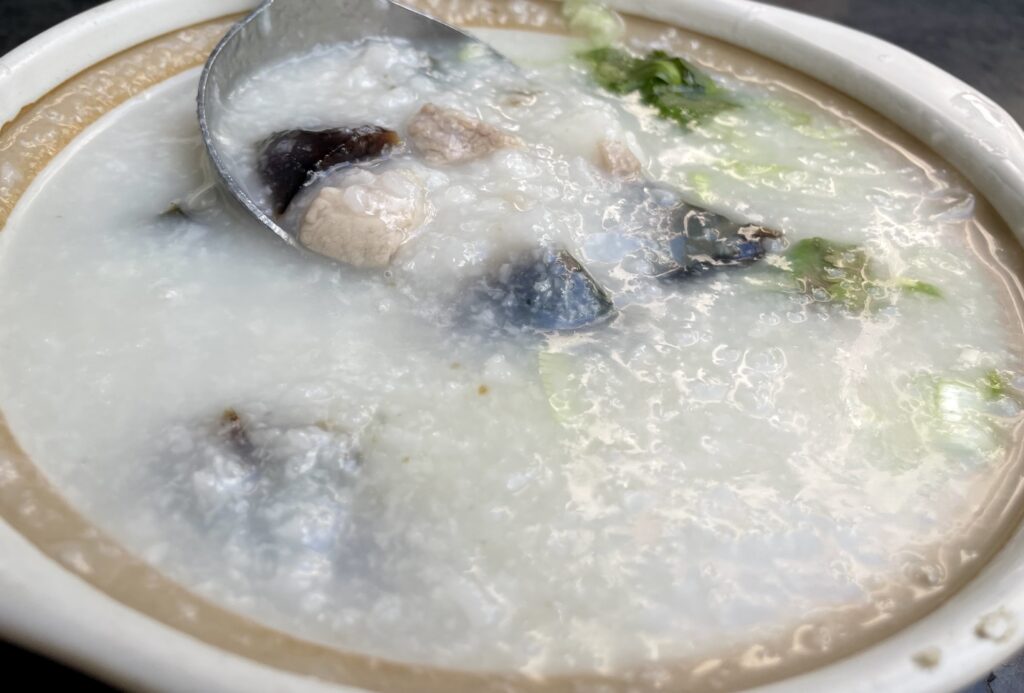
    R1 皮蛋瘦肉粥 (Congee with Thousand-Year Egg and Pork) is a cherished dish in the Guangdong-Hong Kong-Macau region and is widely offered in congee houses and Cantonese restaurants. 

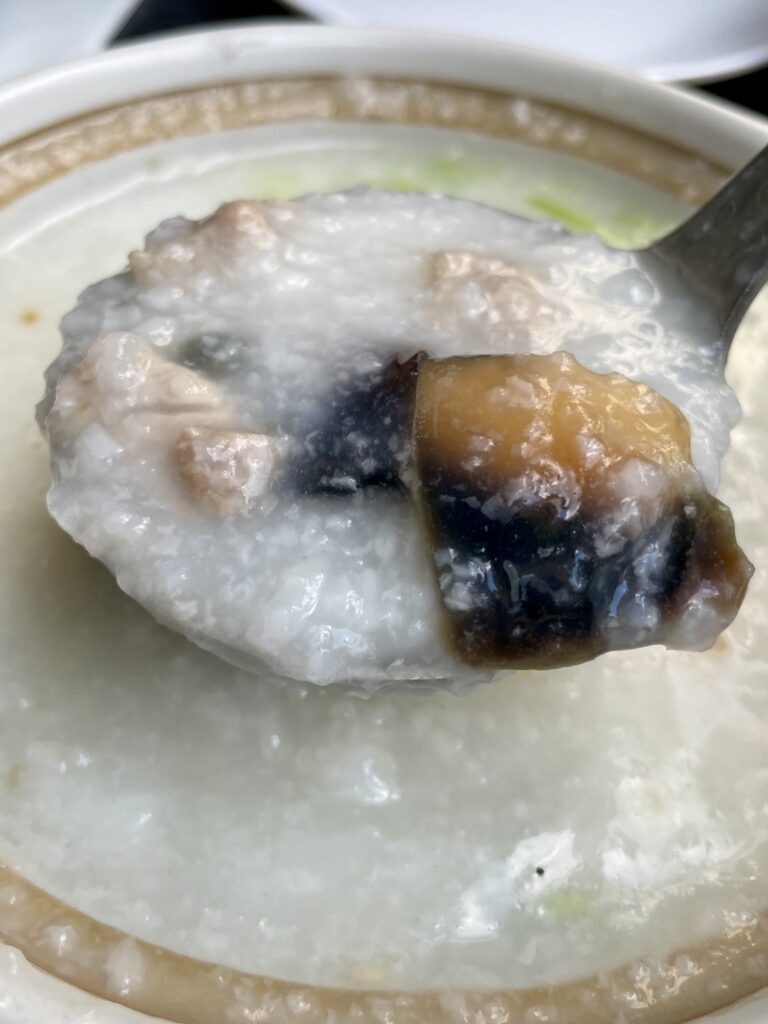
    This comforting congee starts with creamy, velvety rice porridge, the perfect base for its key ingredients: thousand-year egg and tender slices of lean pork. Thousand-year egg, despite its dramatic name, is a delicacy preserved using a traditional curing process that enhances its creamy texture and introduces a subtle brininess with mineral-rich flavors. Lean pork brings a savory depth, balancing the mild congee with its meaty richness.

    It’s a blend of savory, salty, and umami. With a distinct, almost earthy salinity of the eggs, every spoonful tastes complex yet gentle – deeply comforting. A drizzle of sesame oil and a sprinkle of fresh scallions enrich the flavor with nutty fragrance and a pop of freshness.

    Dim Sum House also serves many other congee variations and accompaniments, such as seafood or chicken congee, plain congee, and You Tiao 油条 (crispy fried dough sticks), a classic side for dipping into the congee for textural contrast.

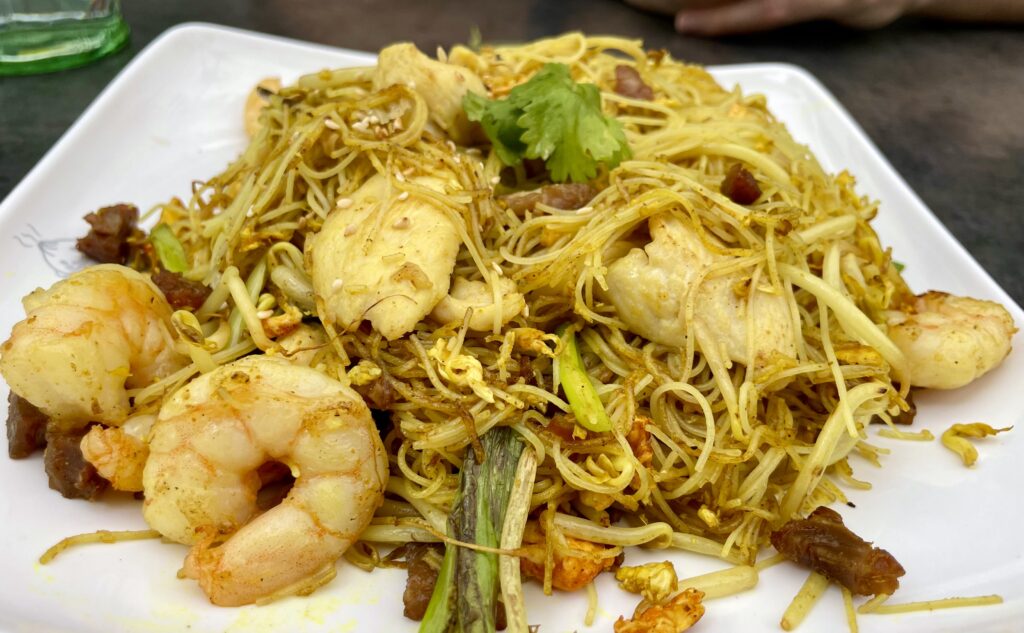
    GN2 星州炒米 (Singapore-style Fried Rice Noodles) is a fragrant and flavorsome dish. Though the name references Singapore, this dish actually originated in Hong Kong and has become a staple in local tea restaurants, street food stalls, and dim sum houses.

    The thin, light rice noodles are stir-fried with a mix of curry powder and turmeric, giving the dish its signature golden color and slightly spicy, earthy undertones. This spice blend, married with the sweetness of Chinese BBQ pork (char siu) and the briny freshness of shrimp, creates a well-balanced, rich taste. Tender pieces of chicken and a soft fried egg add depth and comfort, while green onions, cilantro and spring sprouts lend a crisp freshness. Hearty yet light, this dish combines warmth, spice, umami, and freshness in every bite.

    Dim Sum House offers far more than what we have recommended. From the comforting soup to the fried rice and stir-fried foods, from 烧腊 (Cantonese Roasts) and 烧鸭 (roast duck) to tender braised dishes like 牛腩牛筋煲 (braised beef brisket) and 海鲜豆腐煲 (seafood and tofu pot), each is a story of tradition and culture.

    The simple yet familiar flavors, like a sensory journey transcending palate, evoke memories, emotions, and a sense of home that stretches across time and oceans. It reminds us that sometimes food can be a timeless bridge to the past, carrying with it the stories of those who came before. While savoring the taste of Hong Kong, its warmth and nostalgia, its mosaic streets and glowing neon signs, the aroma and chatter of tea houses, let the fragments of yesterday awaken, becoming vivid and tangible, once more.

  • Juicy Grills and Korean Classics: Exploring Hanssam in Munich

    Juicy Grills and Korean Classics: Exploring Hanssam in Munich

    Tucked away in Munich, there’s a Korean restaurant called Hanssam that’s winning hearts, not just of Koreans but also far beyond Korean community. Known for its authentic flavors and irresistible dishes, Hanssam truly lives up to the hype. With its spacious, wide wooden tables, and built-in grills perfect for Korean BBQ, this restaurant exudes an inviting, cozy ambiance. Drawn by the rave reviews, we couldn’t resist checking it out—and every dish we tried deserves a wholehearted recommendation!

    Restaurant Profile

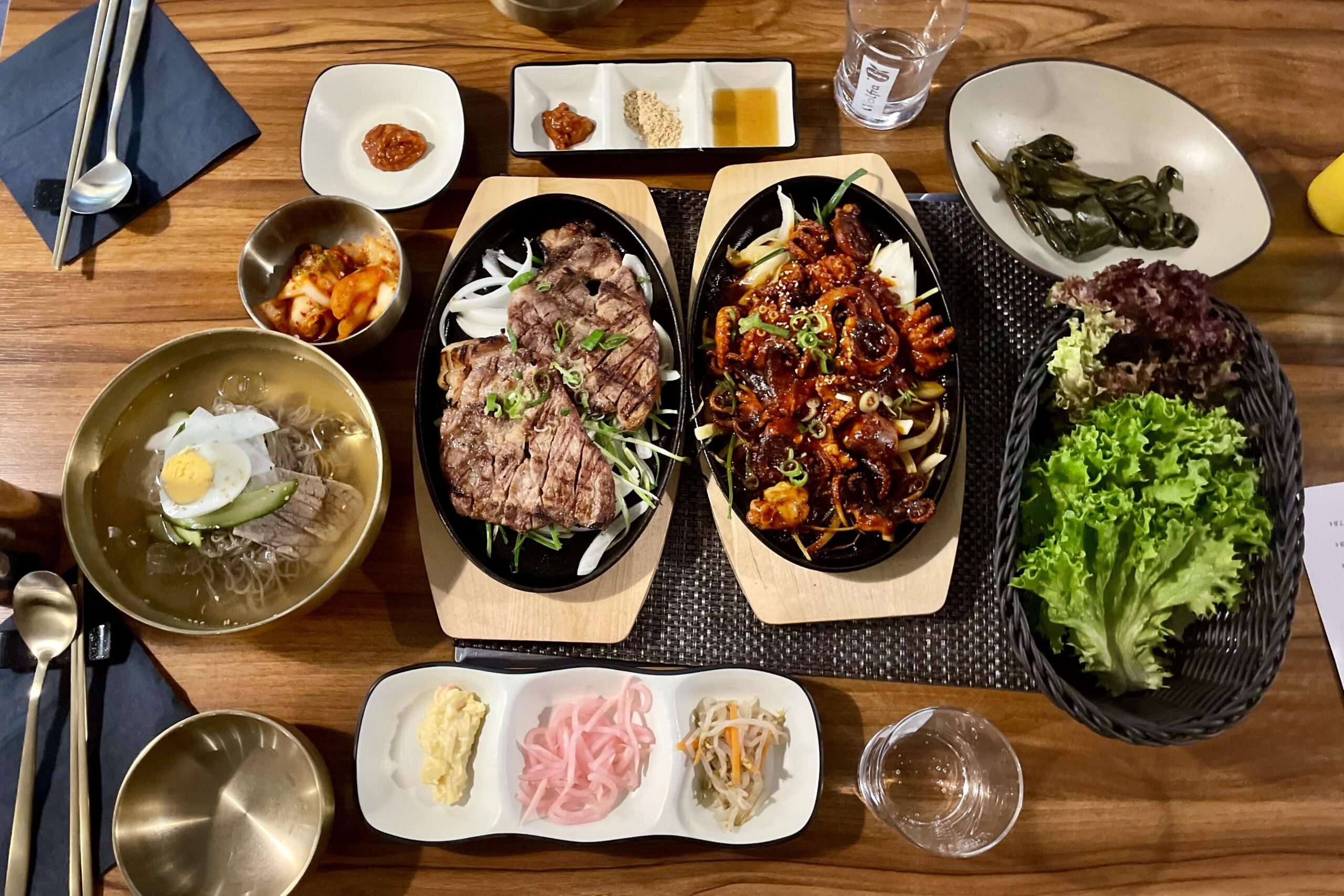
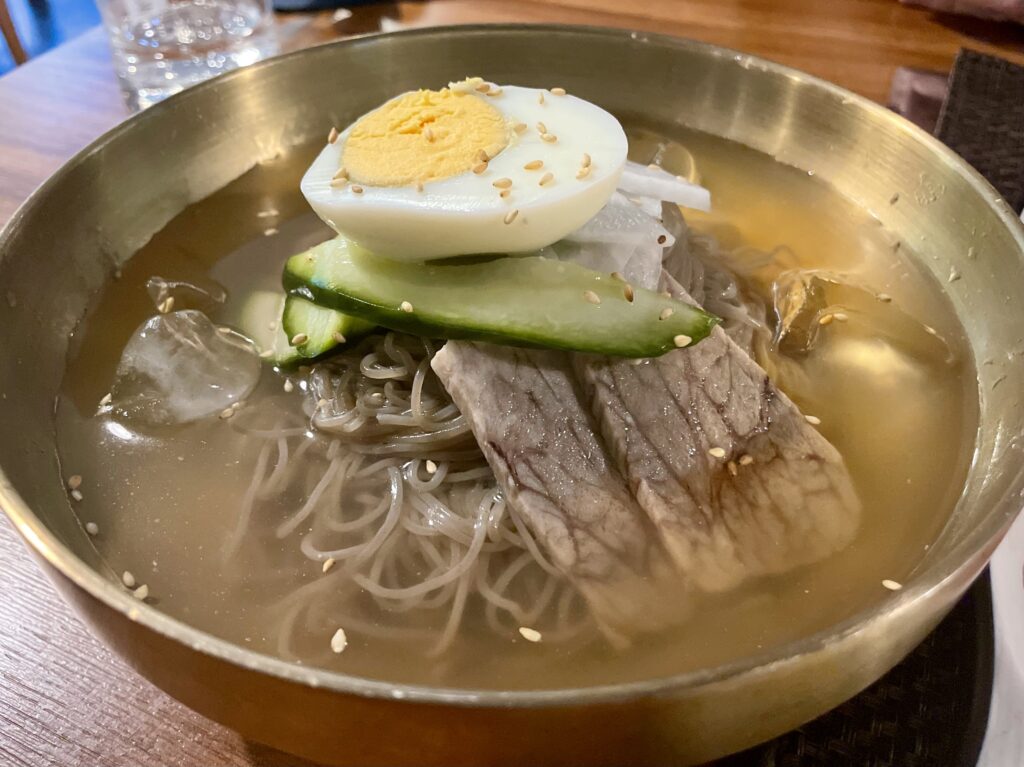
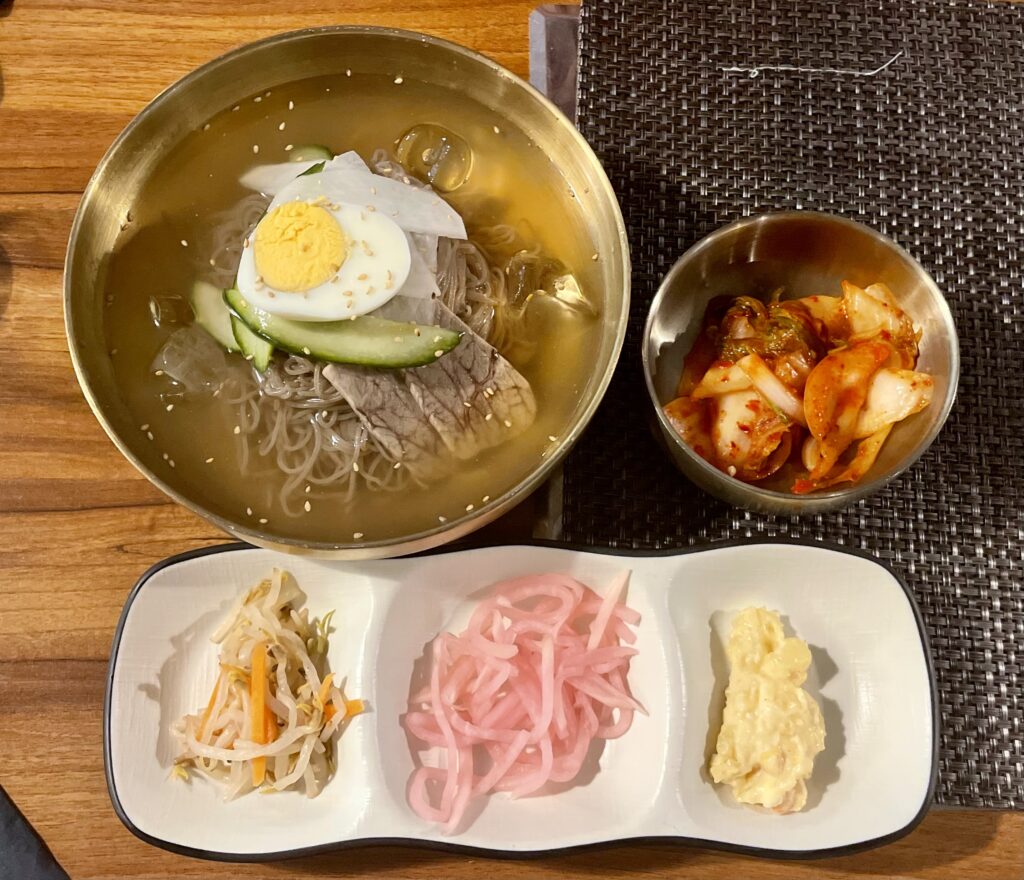
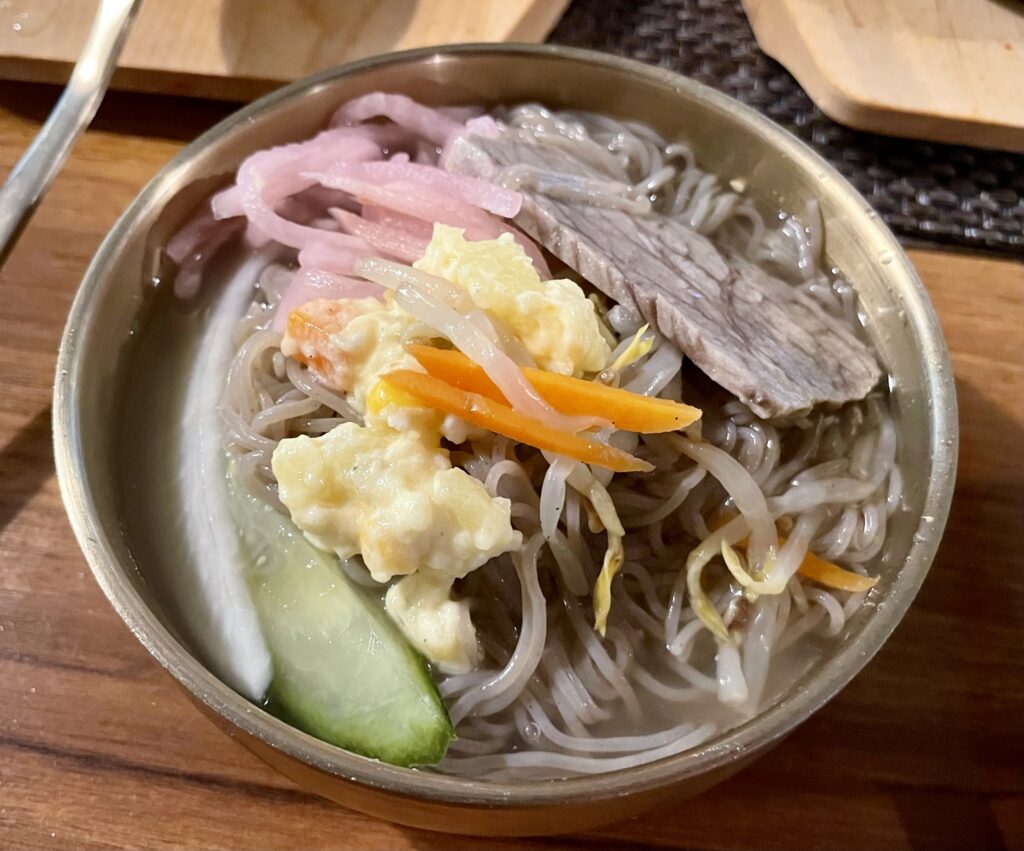
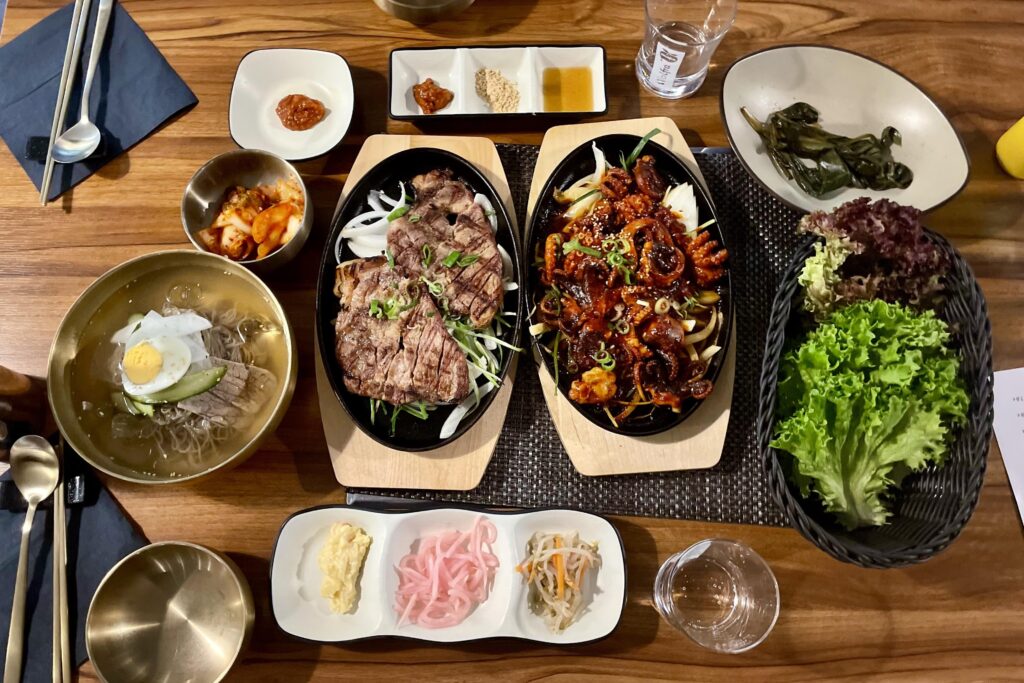
    The first up is 20 Mul Naengmyeon, a bowl of chilled buckwheat noodles topped with sesame seeds, half a boiled egg, thinly sliced beef, cucumber, and radish, all served in a crystal-clear, ice-cold broth.

    Yes, the broth was so chilled it had actual ice floating in it – a refreshing surprise. Light, savory, and subtly tangy, the broth offered an invigorating coolness that’s perfect for hot days. Interestingly, despite its modern appeal as a summer favorite, Mul Naengmyeon, which originated in North Korea, specifically the Pyongyang region, was traditionally enjoyed during winter.

    The noodles are astonishingly elastic and chewy. Their unique texture is thanks to the starch content of buckwheat, often mixed with sweet potato starch, making them naturally gluten-free and healthy.

    Served alongside the noodles were light, flavorful sides like kimchi, crunchy bean sprouts mixed with shredded carrots, and pink pickled radish. Golden mustard paste (Gyeoja, 겨자) added a mild tang when stirred into the broth.

    Then there was the beef—thinly sliced, so tender that it practically falls apart without chewing. Each bite feels light, healthy, and packed with flavors– rich, savory beef, paired with crisp vegetables and zesty reddish while super elastic noodles bind everything in harmony. No wonder it’s a timeless classic!

    The restaurant’s name Hanssam refers to a traditional Korean way of enjoying grilled meat: wrapping it in a fresh lettuce leaf with sauce and sides, then savoring it all in one satisfying bite. True to its name, the restaurant is a real haven for BBQ lovers, with specialties ranging from boneless chicken leg to beef ribs, pork shoulder and seafood.

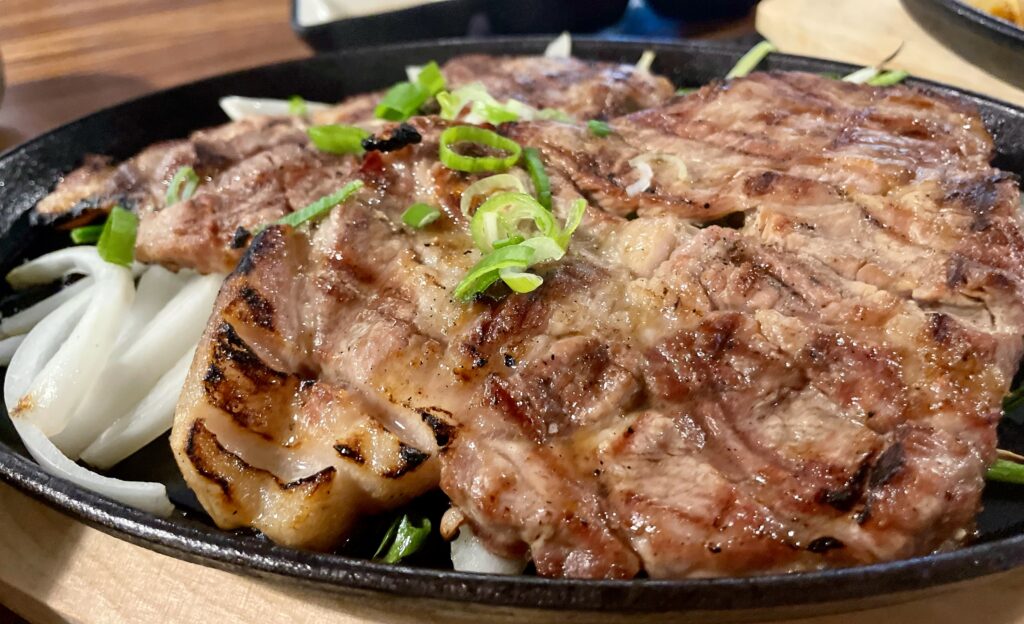
    We tried the 14 Yangnyeom Moksal – succulent pork neck marinated in a rich soy-fruit sauce that delivers a mouthwatering balance of savory, smoky, and lightly sweet flavors. The meat is grilled until crisply charred on the outside and tender on the inside, with a perfect mix of lean and fat that yields juicily in your mouth.

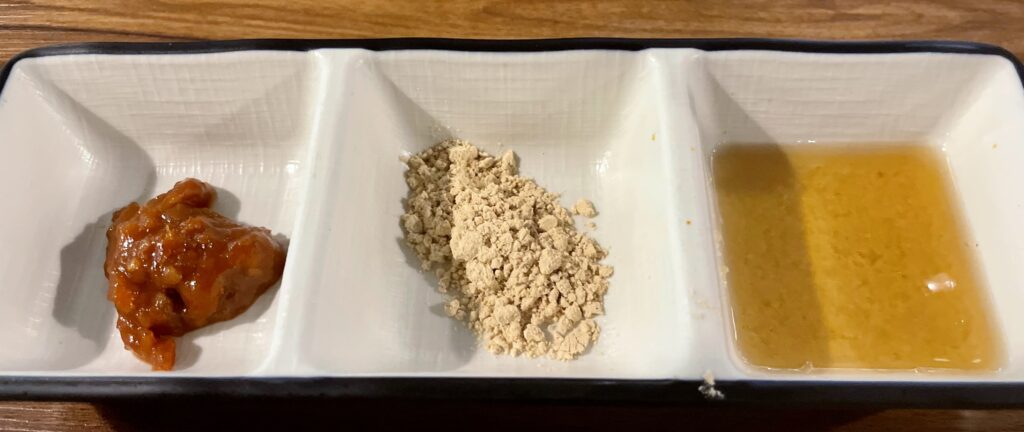
    Served as full pieces alongside scissors for easy cutting, the Yangnyeom Moksal is paired with raw and green onions for a fresh crunch and a touch of sharpness. It comes with three sauces:  

    • A red gochujang-based chili paste, spicy with hints of sweetness, enhancing the smoky notes of the pork;
    • A sesame-based dry rub, which brings a subtle nutty savoriness that highlights the meat’s natural flavor.
    • A sesame oil blend, silky and rich with garlicky notes, giving a luxurious touch to the charred pork.

    Wrapped in a crisp lettuce leaf, you’ll have a vibrant, juicy bite — with tender meat balanced by the fresh greens, the pungent onions, and the burst of flavor from the sauces. The lettuce also makes each bite feel lighter, despite the richness of the pork. While you don’t get to grill it yourself, this dish still offers a deliciously immersive taste of Korean BBQ culture!

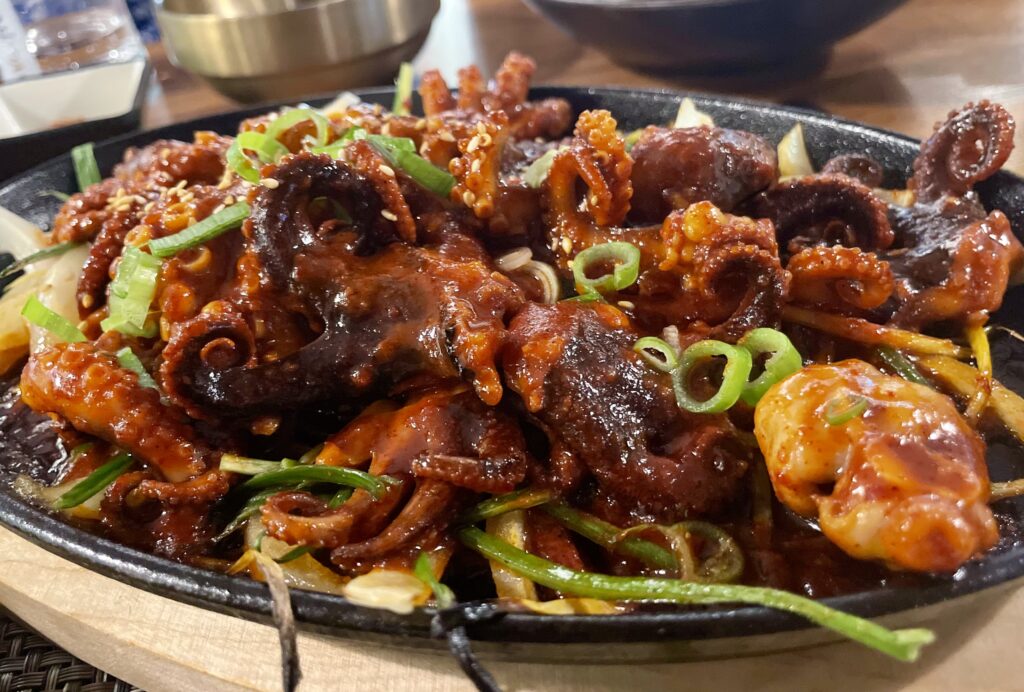
    Our next grill is 16 Jjukkumi Bokkeum—a Korean classic featuring baby octopus marinated in a fiery chili sauce.

    The baby octopus is so soft, plump, and tender, showing off its fresh flavor. This impeccable tenderness comes from careful cooking, as overcooking octopus can make it rubbery.

    The sauce is the heart of Jjukkumi Bokkeum—a masterful blend of Korean chili paste (gochujang), garlic, soy sauce, sesame oil, and sugar. This spicy, sweet, and savory combination clings to the octopus, bringing out its natural, oceanic flavor with a dance of heat and umami.

    Finished with green onions and caramelized onions, it has this bold and balanced flavors Korean cuisine is known for, making it a great choice for seafood and spice lovers.

    While Hanssam may not be solely dedicated to Korean barbecue, the grill undoubtedly takes center stage. Korean barbecue stands apart from other grilling styles, like Xinjiang kebabs, where meat is roasted on rotating spits, or Japanese teppanyaki, where chefs slice and grill meat on a flat iron plate. What makes Korean barbecue special is its traditional method of charcoal grilling, which enhances the flavors of marinated meats cooked over a metal mesh grill. While grilled beef is often the star elsewhere, in Korea, grilled pork is often the go-to choice—delicious, affordable, and packed with flavor.

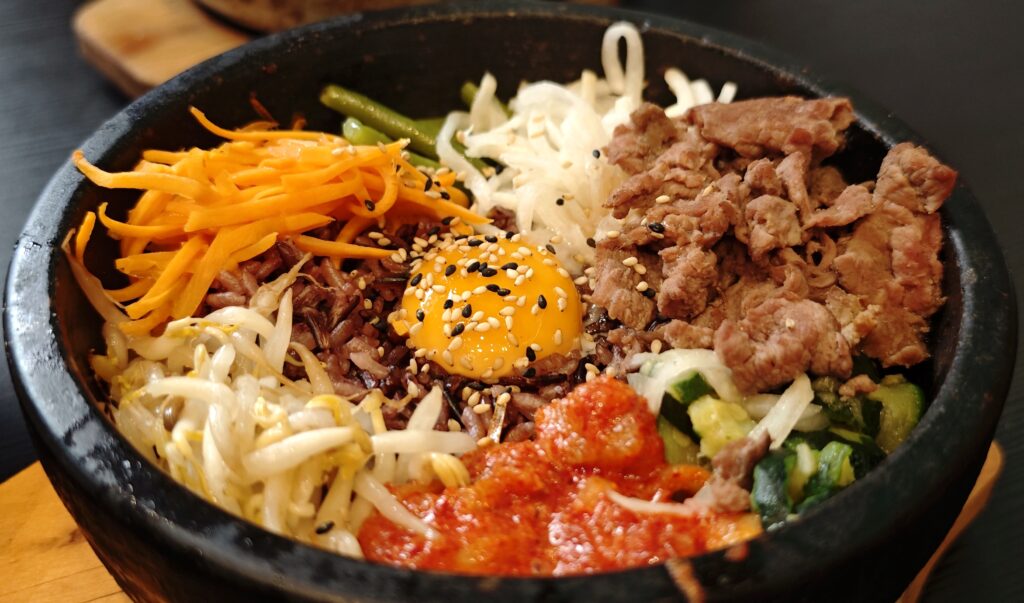
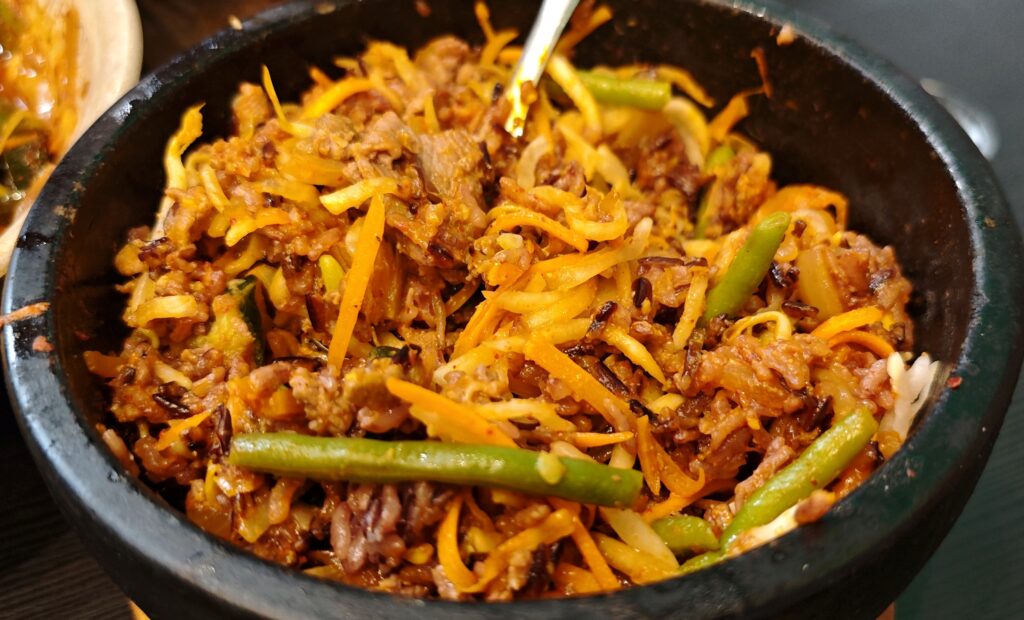
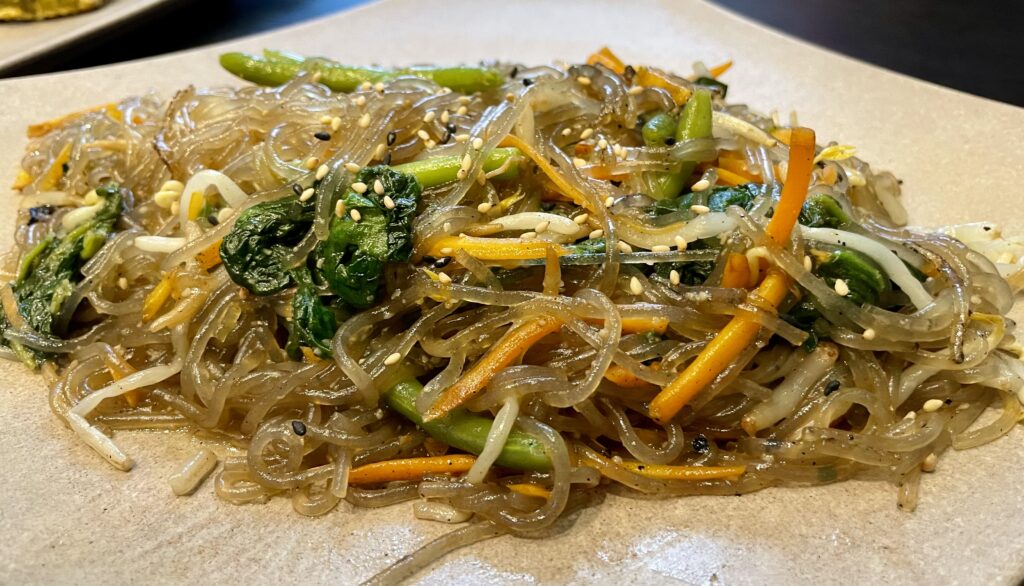
    As one of Munich’s top Korean restaurants, Hanssam’s menu offers much more than just grilled dishes. You’ll find Korean classics like Haemul Pajeon (seafood pancake), Mandu (dumplings), crispy fried chicken, Tteokbokki (spicy-sweet rice cakes), Bibimbap (mixed rice with veggies and proteins), Japchae (stir-fried glass noodles) and heartwarming, flavorsome soups—each dish designed to delight with flavor, nutrition, and shared moments around the table.

  • Yuan 缘来: Bringing the Heart of Northeastern China Straight to Frankfurt

    Yuan 缘来: Bringing the Heart of Northeastern China Straight to Frankfurt

    Nestled in a quieter corner of Frankfurt, Yuan 缘来Restaurant is a charming escape into the Northern Chinese countryside. This hidden spot teems with a northeastern farmhouse vibe, also known as Dongbei Nongjia Yuan. This concept of Northeastern Farmhouse is deeply rooted in the rural culture of northern China, where hearty, rustic flavors and large shared plates bring people together.

    Restaurant Profile

    Surrounded by lush greenery, Yuan has a spacious courtyard complete with a children’s playground, convenient parking, and an open-air BBQ area, where they use charcoal grills that give an authentic, smoky flavor. It’s great for family gatherings, casual meals with friends, or a romantic dinner—and with many dishes served in generous portions, it’s especially ideal for sharing among bigger groups.

    Yuan has a wide array of Northeastern Chinese dishes so authentic they might just bring the locals to tears. With flavors unmistakably Northeastern, each dish stirs waves of nostalgia and an overwhelming sense of home.

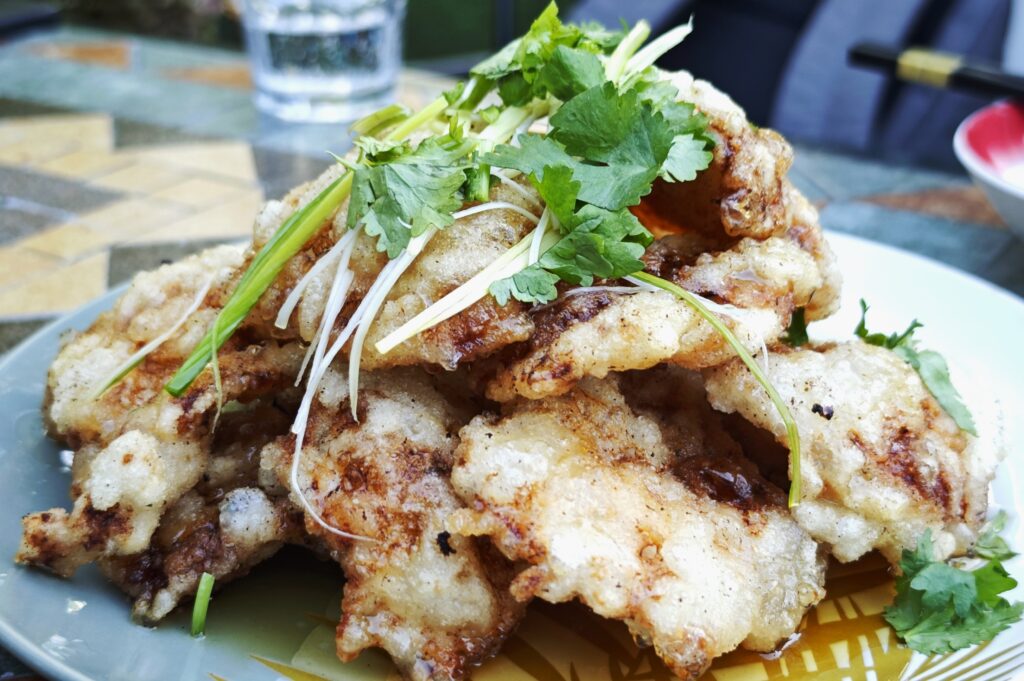
    First up is Guo Bao Rou (锅包肉 or Fried Pork in Scoop), a classic that dates back to the Guangxu period (1871–1908) in the Qing Dynasty. Created by Chef Zheng Xingwen in Harbin, this dish turns savory fried pork strips into a legendary sweet-and-sour delicacy.

    This dish begins with thinly sliced, well-seasoned pork tenderloin coated in a light, flour-and-starch batter. The coating turns into an airy crunch as it’s deep-fried to a golden crisp. The pork is then quickly tossed in a sweet-sour sauce, finished with fresh cilantro and leeks that add a fresh, aromatic contrast to the fried richness.

    The pork inside is tender and juicy, harmonized by the tart-sweet sauce, with just the right touch of saltiness. It’s similar to schnitzel, but with thinner, even crispier slices, and an addictively bright, tangy finish.

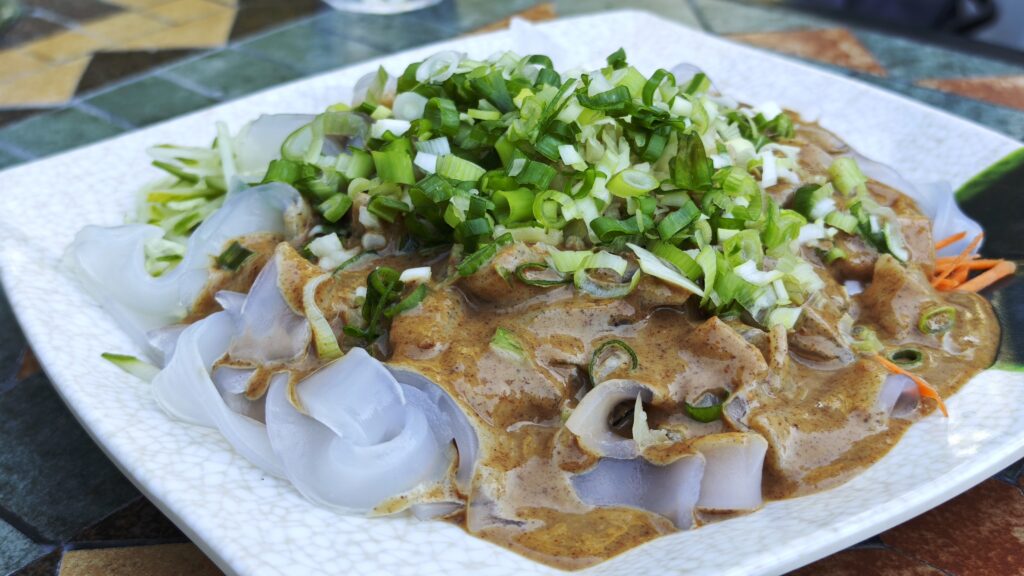
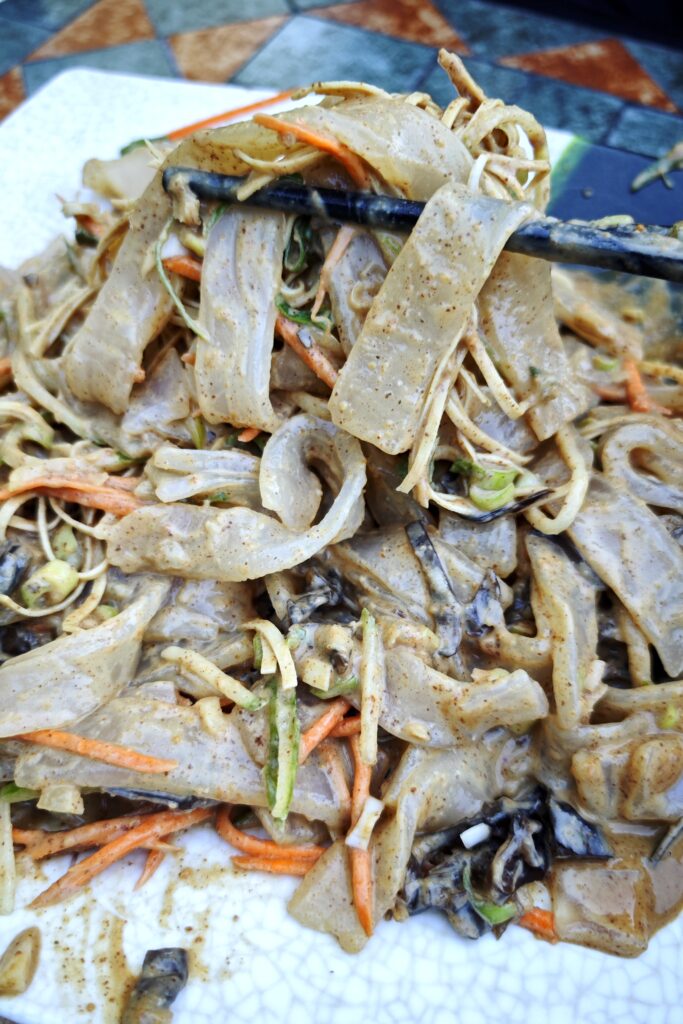
    Northeastern Cold Potato Noodle Salad (Dongbei Da La Pi, 东北大拉皮) is a beloved hometown dish from China’s Northeast, known for its unique texture and fresh, savory flavor.

    Made mainly from potato starch, these translucent noodles are remarkably chewy yet tender. In fact, they’re so elastic that they can almost stretch like a rubber band.

    The noodles are topped with fresh ingredients: crisp cucumber and carrot, earthy wood ear mushrooms, fragrant cilantro, green onions, and thin tofu strips. A blend of soy sauce, aged vinegar, and garlic paste provides a savory, tangy base, while a thick, nutty sesame paste adds richness and a hint of sweetness. Served cold, with the creamy sesame dressing clinging to each noodle, every bite is refreshing yet indulgent, combining deep umami with a gentle tang for a classic Northeastern comfort taste.

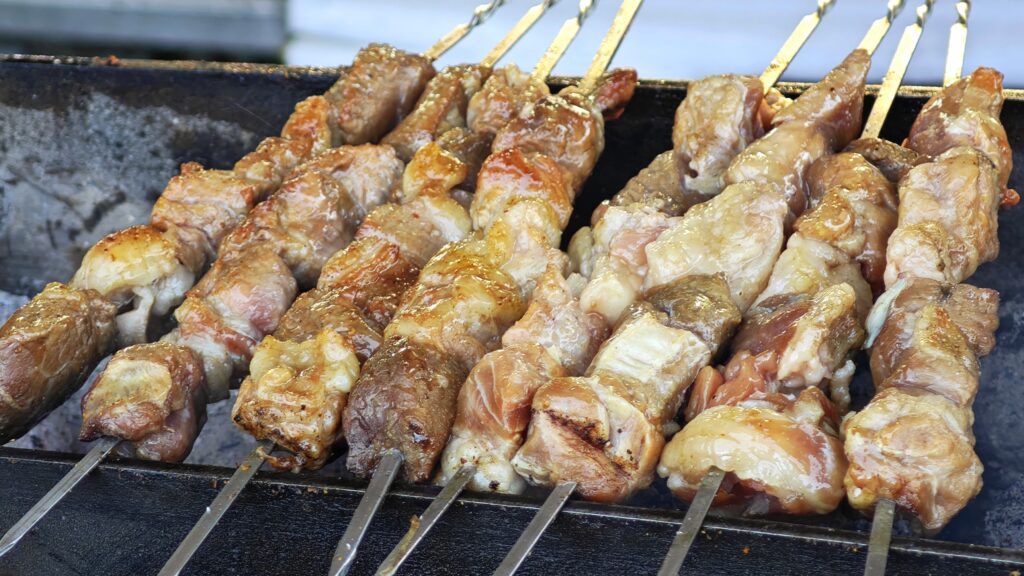
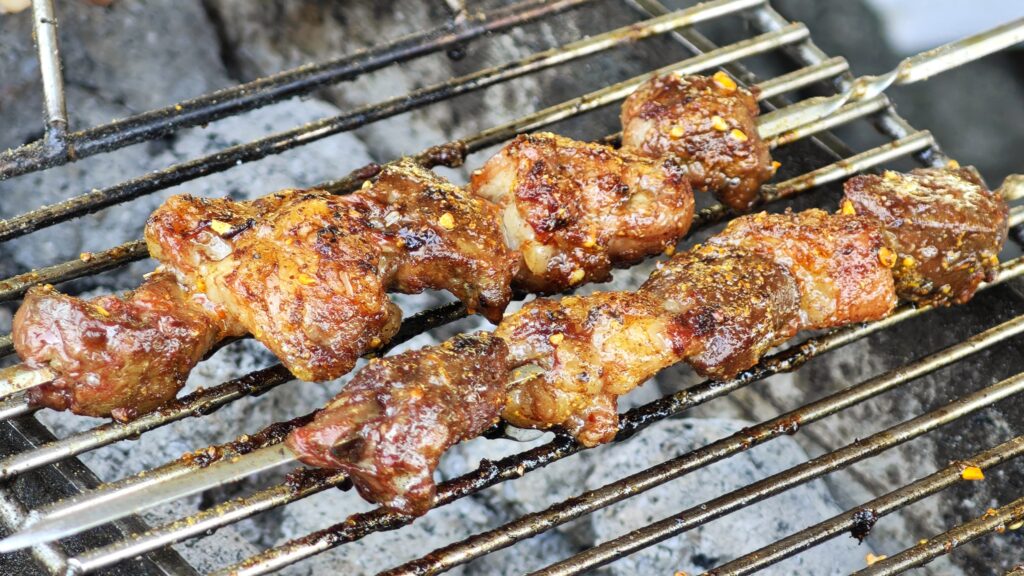
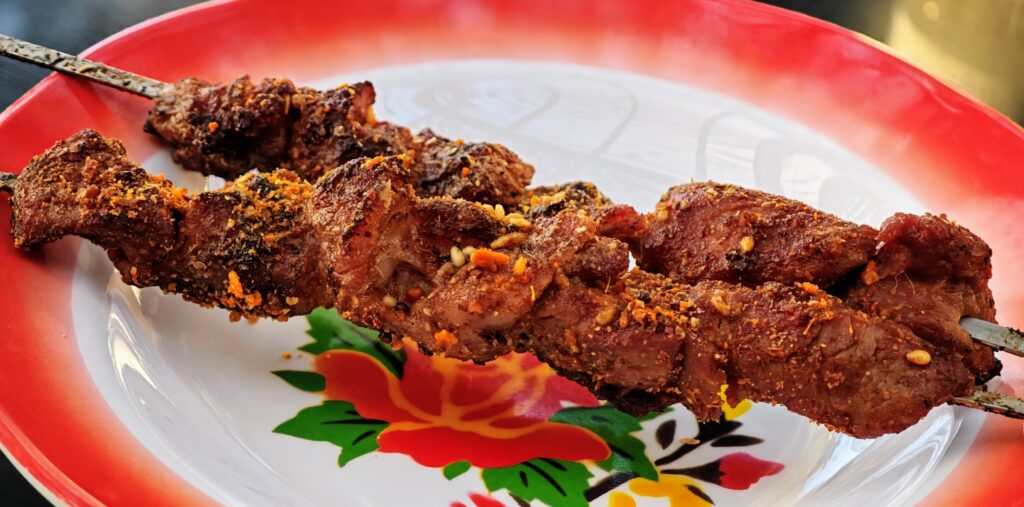
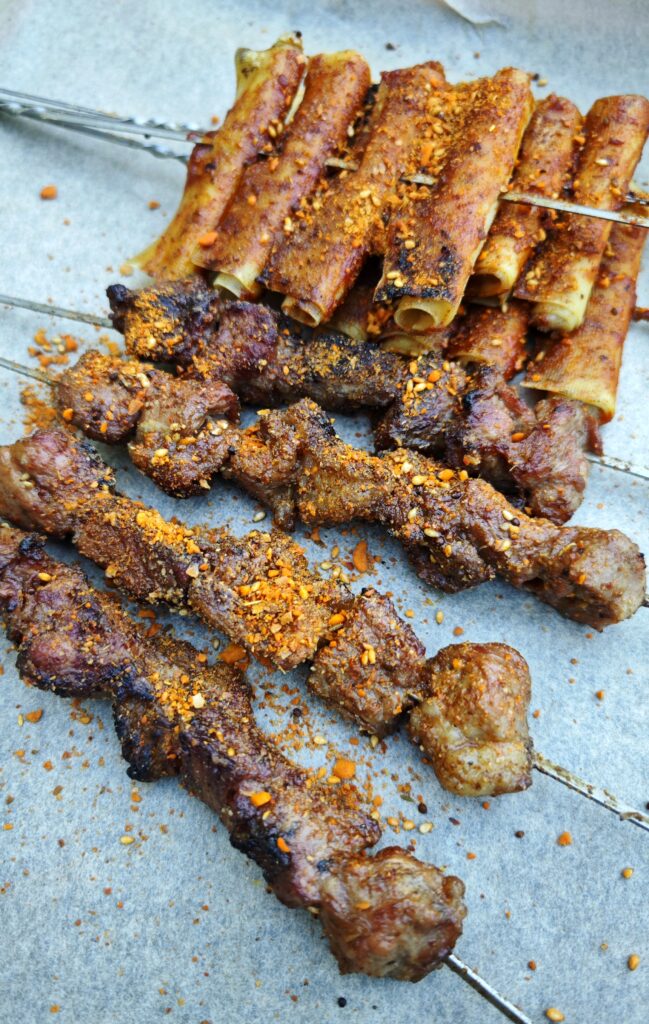
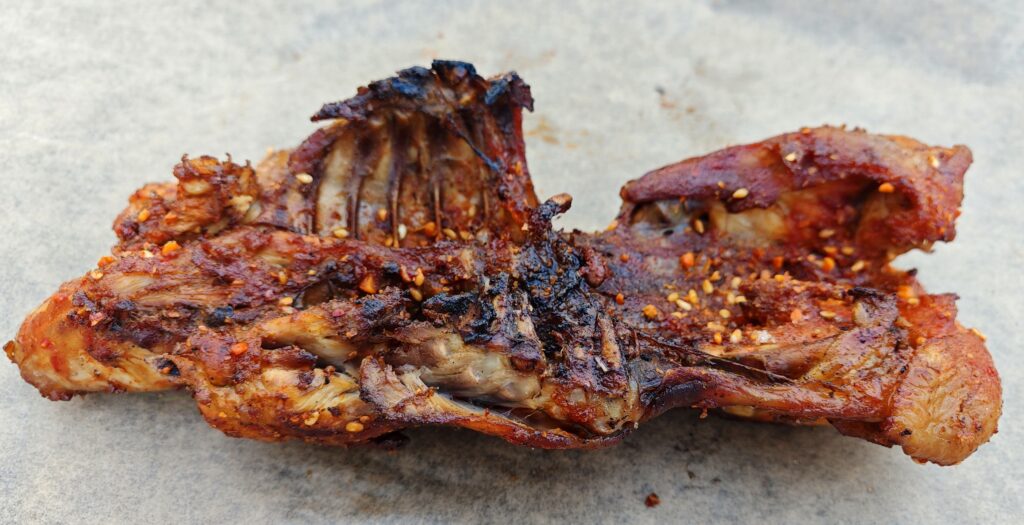
    Yuan’s menu brings the Northeastern BBQ straight from China to Frankfurt. With open-air grilling right next to lush greenery, it’s lively feast of rustic countryside flavors, with highlights like Lamb Skewers (羊肉串), Beef Skewers (牛肉串), and veggie options like Tofu Skin Rolls with Enoki Mushrooms (豆腐皮卷金针菇). A rare treat in Frankfurt, they even have the Grilled Chicken Rack (烤鸡架).
    Lamb Skewers are plump, generously seasoned, with a delicious mix of fatty and lean meat that renders an irresistible juiciness. Coated in cumin, chili powder, and pepper, the outside crisps to a caramelized crust, delivering a deep, earthy flavor with just the right touch of spice.

    Beef Skewers are leaner and slightly chewy, yet tender. The firm texture takes on the intense seasoning beautifully, with each piece infused with intense, smoky, bold flavors.

    Tofu Skin Rolls with Enoki Mushrooms are spicy and full of flavor. The thin tofu skin crisps up to a delightful chew, while the juicy enoki mushrooms inside soak up a spicy, slightly tangy marinade, creating an intense, lingering flavor that spice lovers will relish.

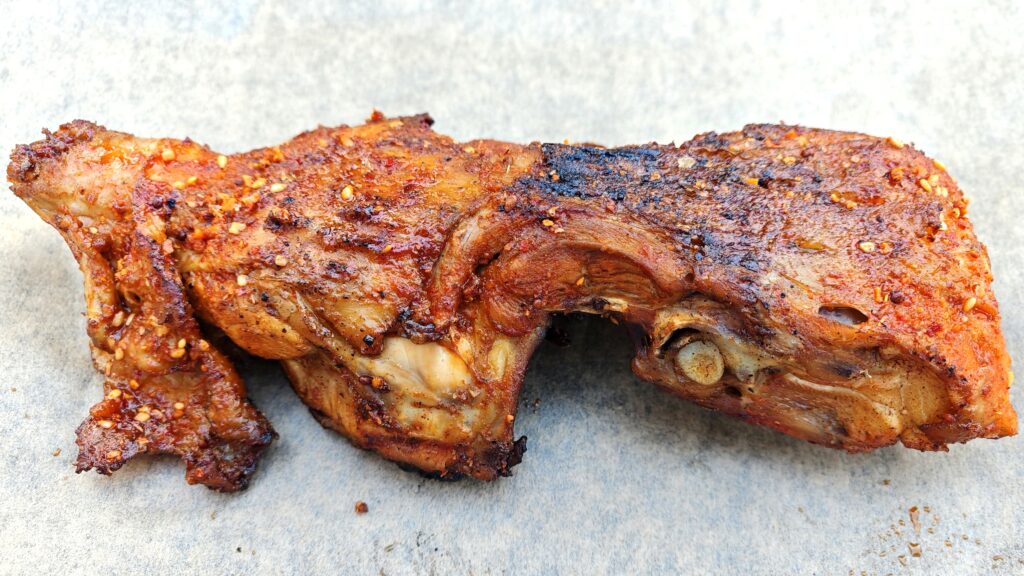
    Grilled Chicken Rack is a Northeastern specialty. It uses the cleaned backbone of the chicken, which is washed and trimmed of excess fat. Eating straight off the bone is as fun as it is delicious. The meat on the bone is packed with flavor, as grilling it bone-in locks in natural juices and brings out a deeper, richer taste. The bones absorb the smoky, charred essence from the coals, which then seeps into the tender meat. Every morsel is savory, spicy, with a crispy edge that gives way to tender, well-seasoned meat – a hearty, hands-on feel that’s deeply satisfying.
    This chicken rack isn’t listed on the menu and may not always be available, but it’s definitely worth asking for!

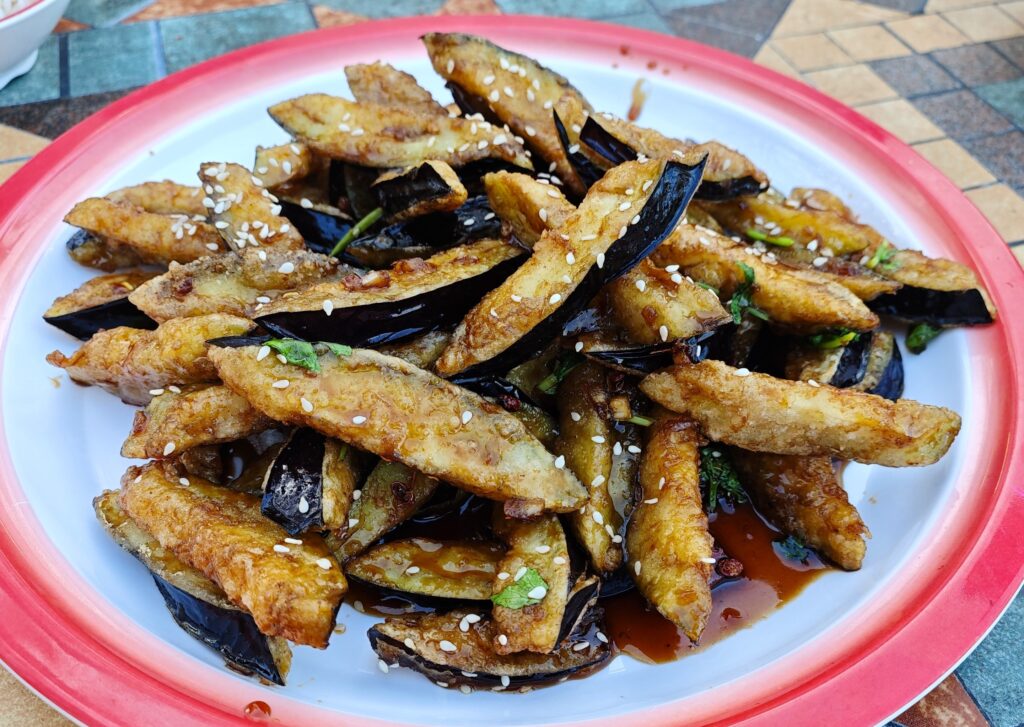
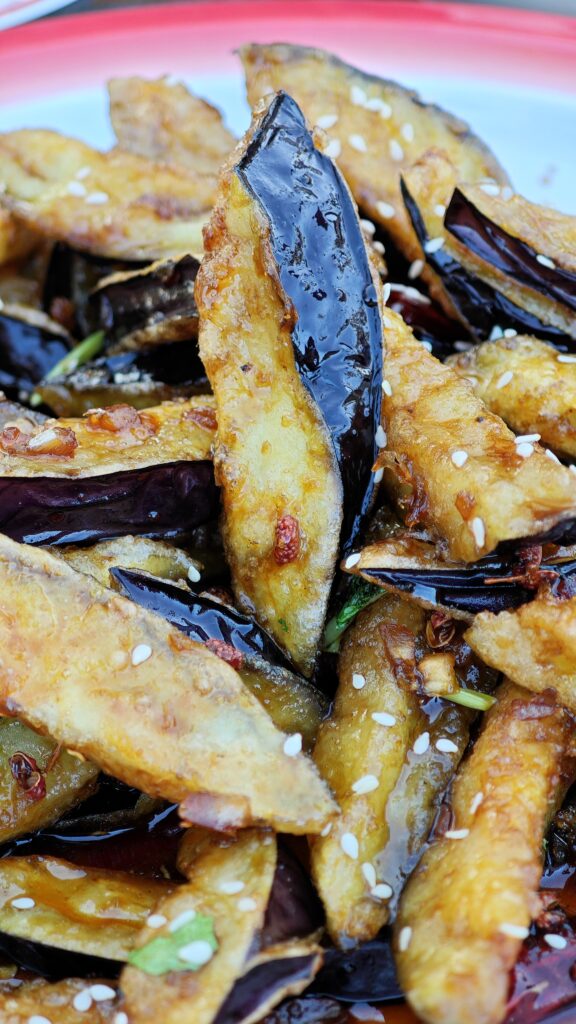
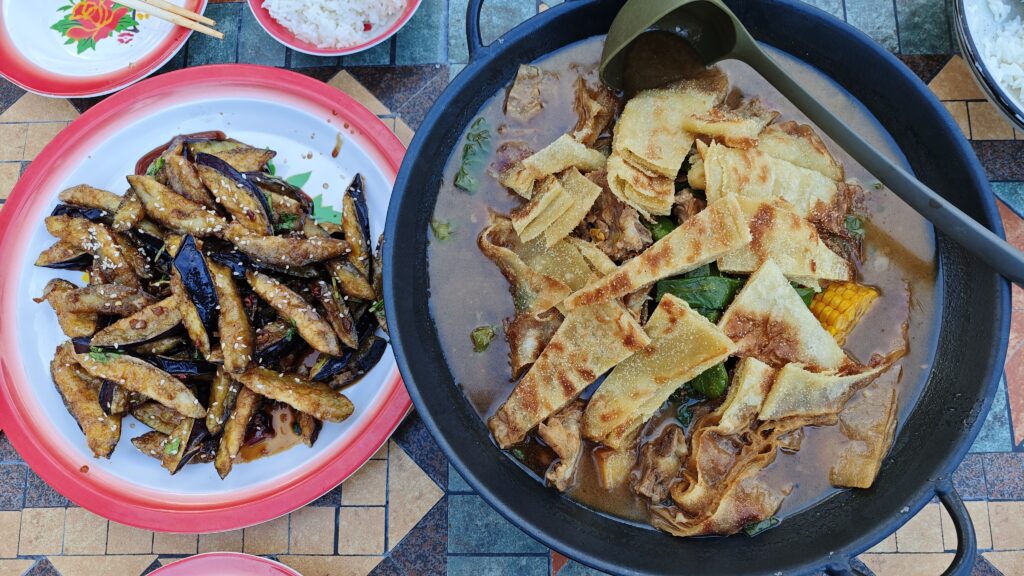
    Spiced Crispy Eggplant (风味茄子) is a delicious vegetarian dish. The eggplant chunks are lightly dusted with cornstarch and deep-fried until the exterior crisp up while the inside stays soft and tender.

    Once fried, the eggplant is tossed in a rich sauce mingled with Sichuan peppercorns, garlic, and a hint of sugar and soy sauce. This mix creates sweet-sour flavor with a subtle smokiness. The Sichuan peppercorns bring an enticing, numbing heat, giving each piece that unique, tingling sensation.

    The sesame seeds and fresh cilantro lend a bright, nutty note. The crispy skin fully absorbs the sweet-tangy sauce. It provides a spicy, savory crunch and contrasts beautifully with the mild, juicy inside. This dish is all about multi-layered textures and flavors, and it’s really unforgettable.

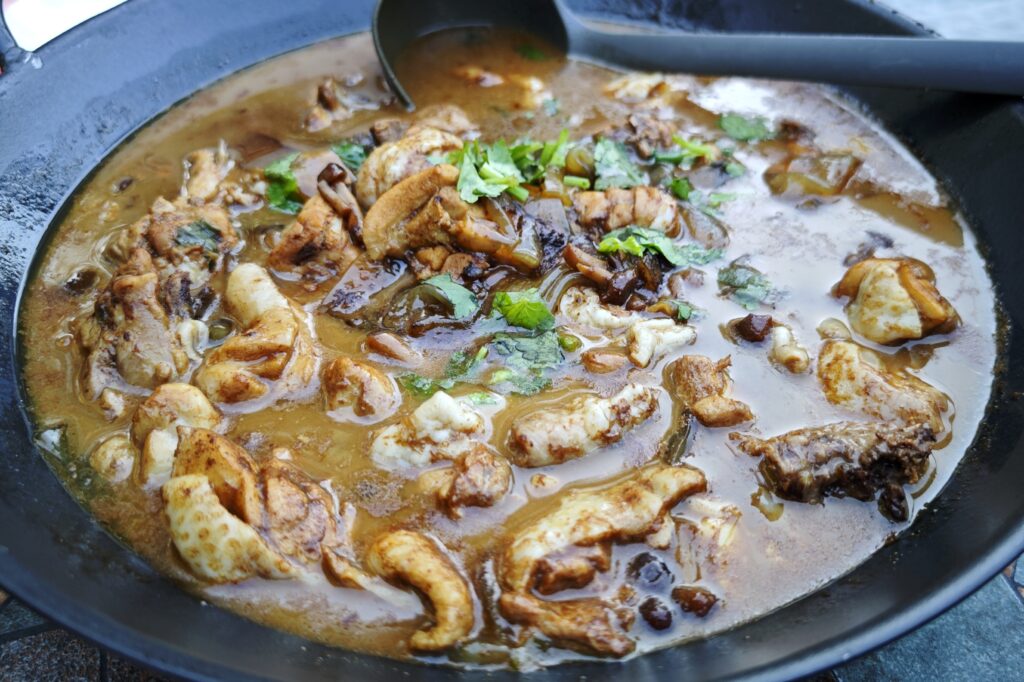
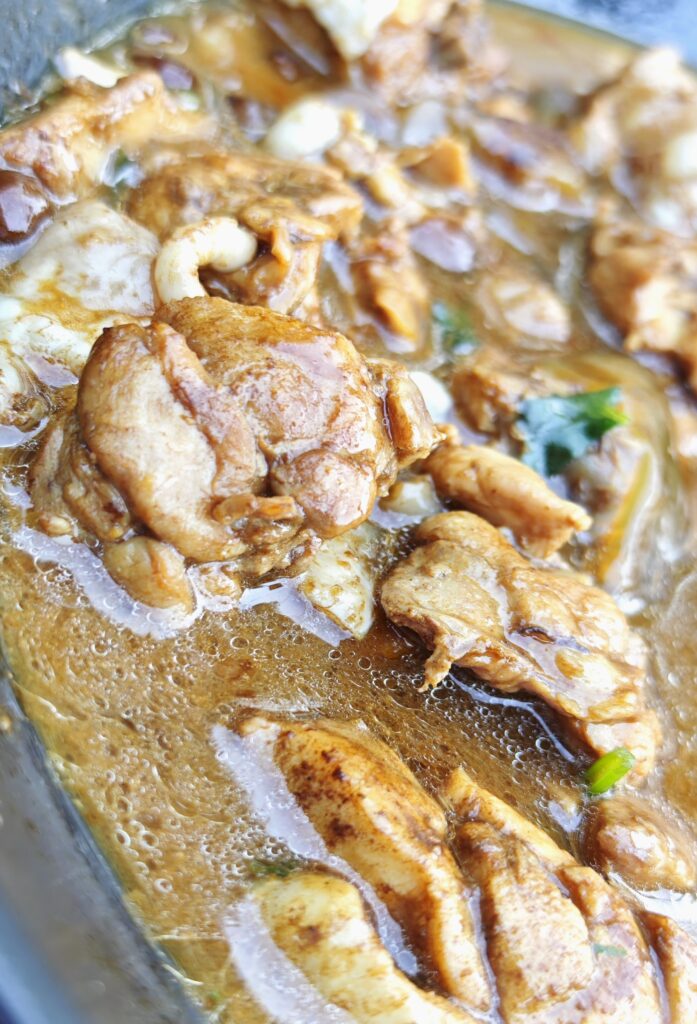
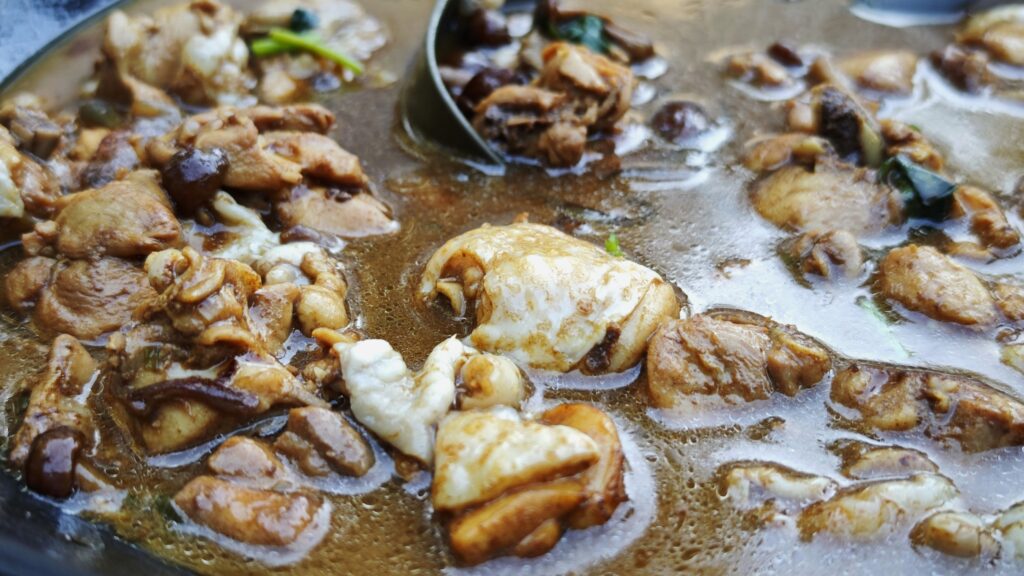
    Chicken Stewed with Mushrooms (小鸡炖蘑菇) is a super popular stew from Northeast China, combining tender chicken, earthy mushrooms, and slippery vermicelli noodles.

    Topped with fresh cilantro, the chicken chunks are cooked with fragrant ginger, scallions, and star anise, creating a warm, aromatic base. As the chicken simmers, its juices meld with the mushrooms, into a rich broth that’s thick, robust, and has a delicate balance of light sweet and savory. The mushrooms’ umami and fragrant earthiness wonderfully complement the succulent chicken.

    The vermicelli noodles made from potato starch (土豆粉) has a comforting, almost gelatinous quality that enhances stew’s smoothness. Its delicate taste nicely balances the robust flavors of the chicken and mushrooms.

    The chicken is stewed with skin and bones. The marrow and skin fat are released into the broth, giving it a deep, silky mouthfeel. The skin has a soft chew, while the meat is melt-in-your-mouth tender, its juicy goodness falling effortlessly off the bone – making every bite burst with flavor!

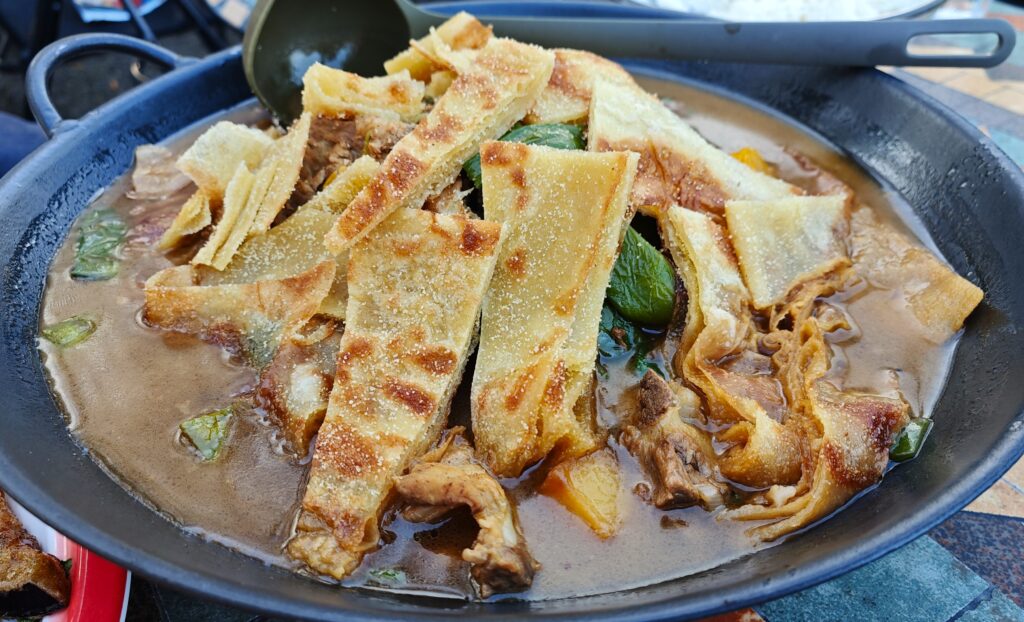
    In a region known for its harsh winters, stews hold a significant place and are household staples. Enter 一锅出, or “Everything in One Pot,” a traditional stew from Northeastern China that reflects the rustic, hearty spirit of rural life. Served in an iron pot right at the table, this dish is all about the communal, no-frills style of local dining.

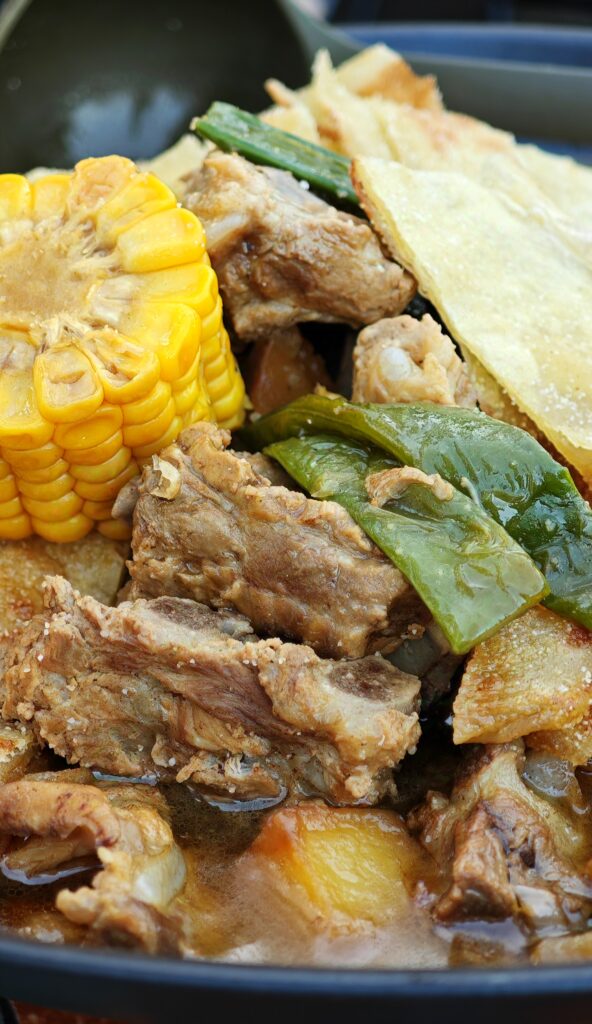
    This stew features generous portions of tender pork ribs, mixed with green yundou (long green beans), corn and soft potatoes. The tender pork ribs, braised to absorb the full aroma of fresh vegetables and herbs, lend a savory, subtly sweet depth to the broth. So rich and warming, each sip reveals earthy sweetness of the beans, starchy creaminess of the potatoes, and a sweet crunch of the corn.

    Hearty pancakes rest atop the ingredients. Traditionally, in rural villages, these pancakes are pressed along the edges of the iron pot, but here at Yuan, they’re spread across the surface of the stew, soaking up the broth’s flavors. With one side golden and crisp, the other soft and chewy, the pancake becomes a sponge of rich savoriness.

    Altogether, 一锅出 is a dish with straightforward, homestyle appeal—no fancy garnishes or elaborate seasonings, just humble ingredients patiently cooked to warm you to the core.

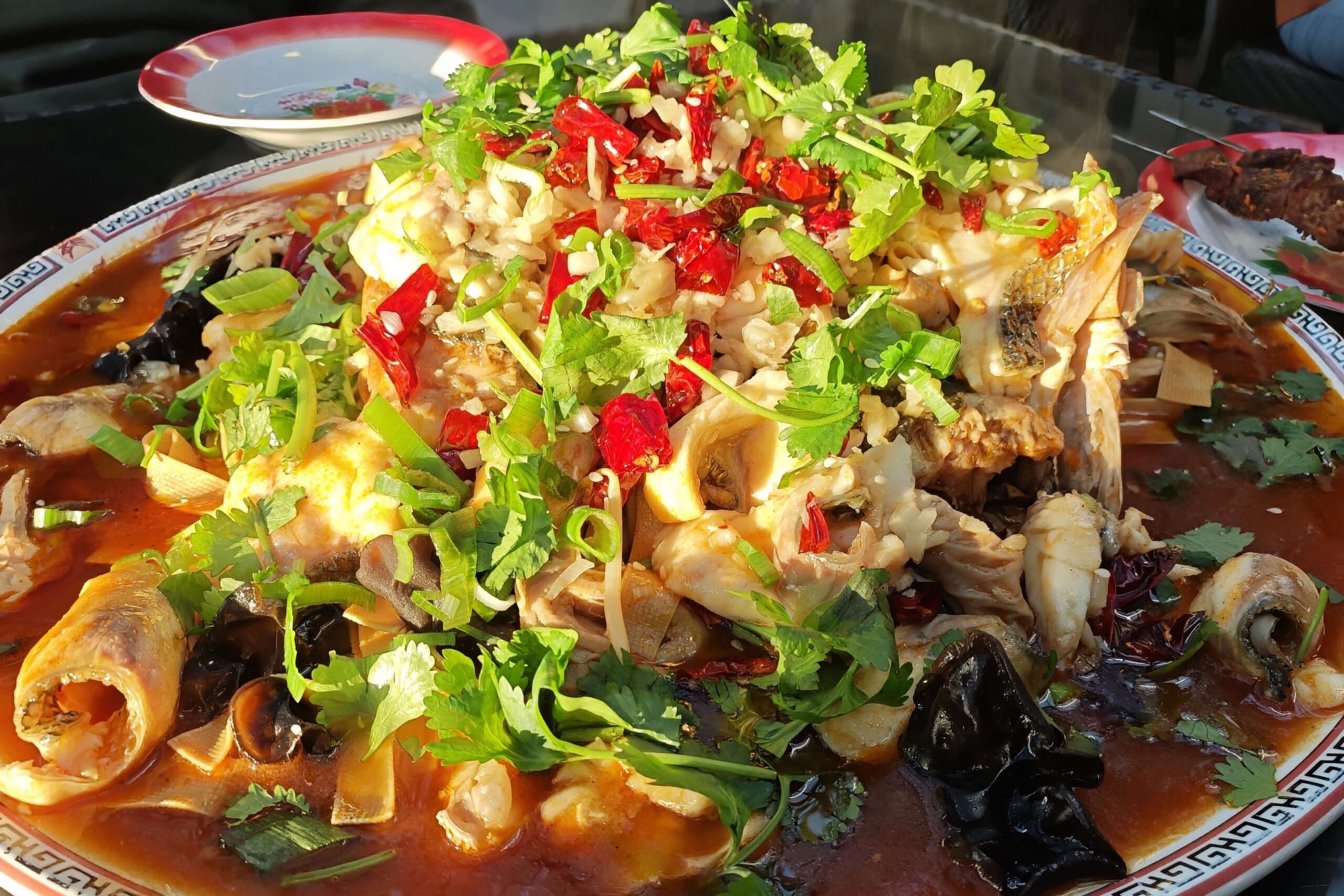
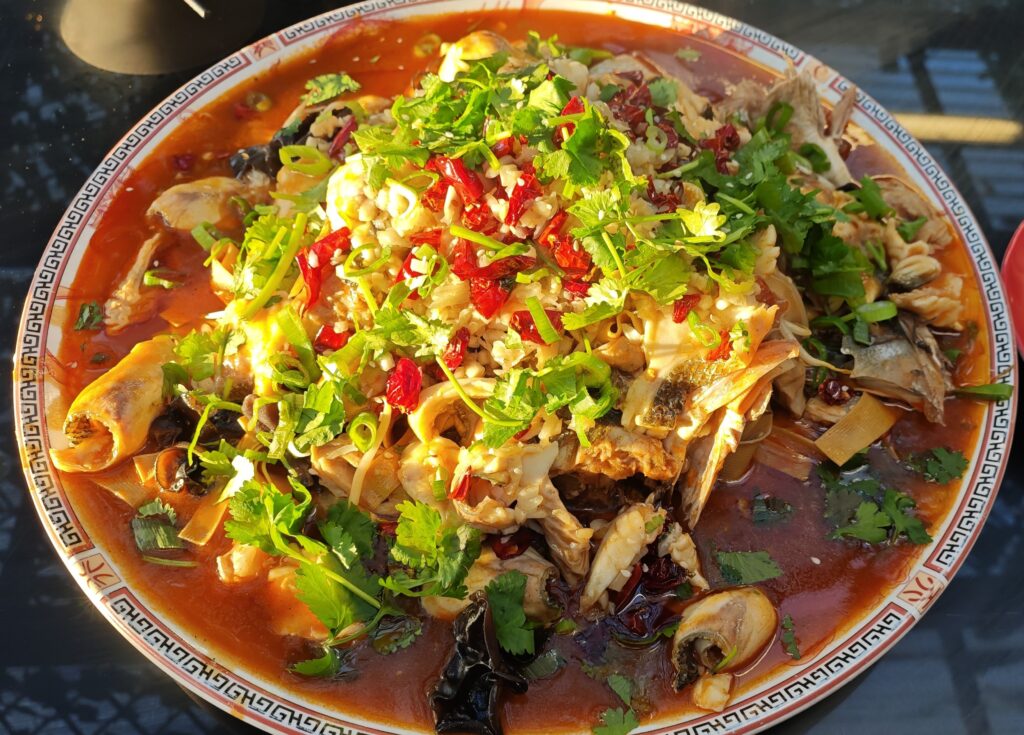
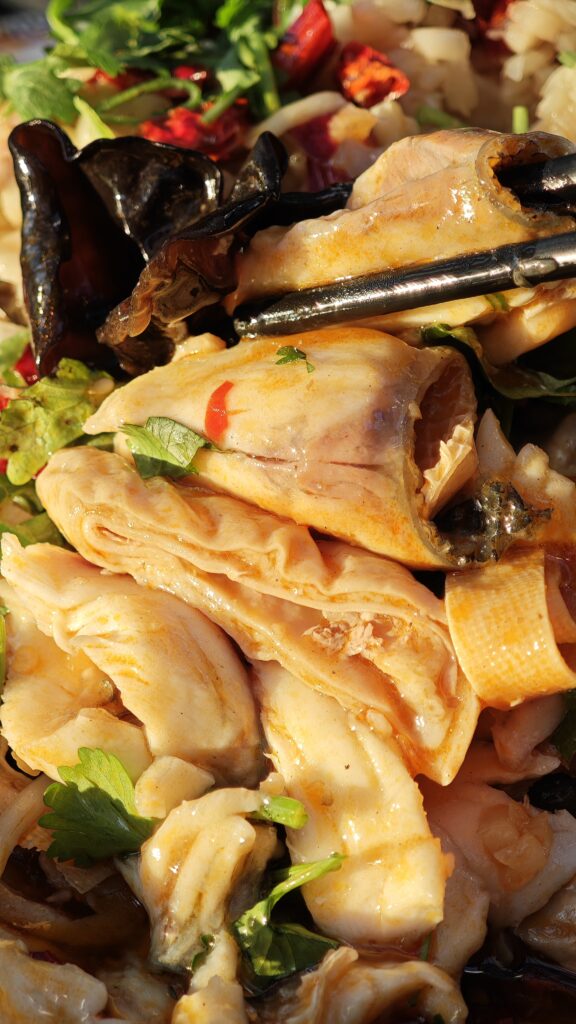
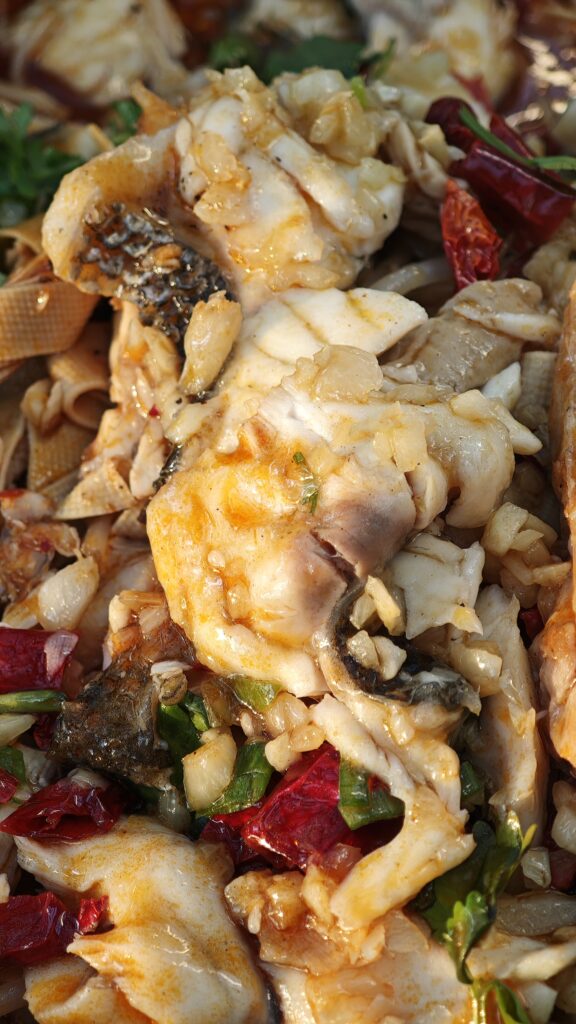
    肥肠鱼, or “Fish with Pork Intestines,” is a bold and flavor-packed dish that combines whole fresh fish, chopped and cooked with the bones intact, alongside succulent pork intestines. When served, the fish bones are mostly removed, leaving behind a few large bones that are easy to detach. The generous amount of both fish and intestines makes this dish a real feast.

    Marinated with baijiu (Chinese white liquor), green onions, ginger-infused water, and salt, the fish’s natural flavors come alive. Coated with egg white and cornstarch, the fish is tender yet firm, holding its shape while keeping a velvety softness. Enriched with oils and spices, the fish skin is deeply savory, while the meat is incredibly tender and flavorful.

    The pork intestines, juicy, tender, and richly flavored, take on a subtle smokiness from the broth and spices. With a chewy, almost creamy texture, they complement the delicate fish nicely. Their distinct heartiness, with spicy, savory notes, creates a lingering warmth that fills each bite.

    A variety of vegetables—soft tofu, crisp bean sprouts, and wood ear mushrooms—layer the dish, bringing an earthy, crunchy contrast. Topped with fresh cilantro and dried chili, 肥肠鱼 has a fiery kick and a garlic-forward aroma.

    This dish offers full sensory experience—its vibrant colors, intense aromas, and unique taste make it hard to resist, especially for those who crave bold flavors.

    Yuan specializes in hearty stews, offering an impressive lineup with pork, chicken, goose (available on request and must be booked in advance), fish and seafood. They are made to share, with portions that are often too large for two and best enjoyed with three or more people. For smaller groups, the stir-fries are a better choice—whether veggie-focused, meat-centric, or some delicious grills—all at very reasonable prices.

    Northeastern China is a region of vast landscapes and sparse population, giving rise to a remarkable natural bounty: over 70 types of poultry, 50 varieties of livestock and game, 100 kinds of fish, and a wealth of fruits, vegetables, and grains. This abundance has shaped the culinary richness of this region, and you can taste it in Yuan’s dishes through their generous portions and rich flavors. Each plate flaunts the region’s unrestrained spirit and its devotion to hearty, memorable meals – bringing true Northeastern Chinese feasts straight to Frankfurt.
  • An Frankfurt: Vietnamese Food Paradise Hidden in Plain Sight

    An Frankfurt: Vietnamese Food Paradise Hidden in Plain Sight

    We felt very blessed when we discovered this Vietnamese spot, and we can’t wait to share it with you. It’s the kind of place you might walk past a thousand times, but never quite notice it’s there. Tucked away in a quiet corner, this small yet elegantly decorated restaurant is located in a quiet passageway of a mall, with some of its seating spilling into the mall’s walkway. Despite its location, the foot traffic is light, giving you a calm environment to enjoy a peaceful meal without too many distractions. This cozy spot may look humble, but it serves some of the best pho in Frankfurt. In fact, my Vietnamese friends say this is the only place in the city they go to for a steaming bowl of pho. And after trying it, we can see exactly why.
    Restaurant Profile

    An extra perk of dining at An Frankfurt is that you can pair their delicious food with the exquisite Vietnamese drinks from the Egg Coffee spot just across the way. And you can order these drinks directly at An Frankfurt, together with your meal. If you haven’t tried them yet, you definitely should —they’re as chic as they are delicious. Here are our recommendations:

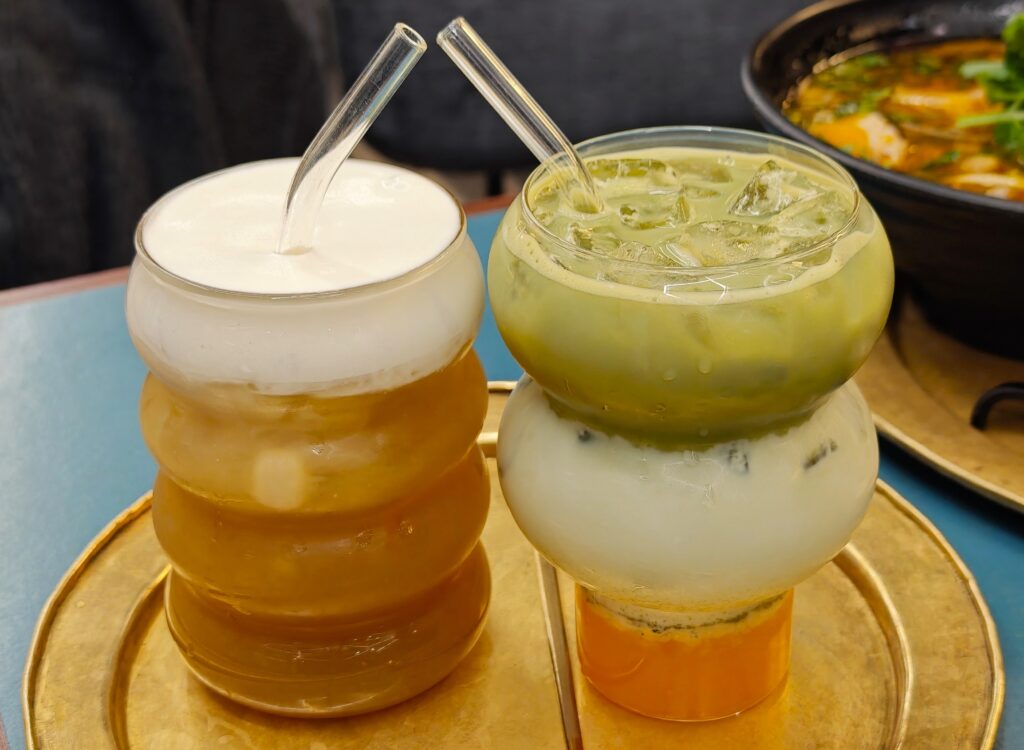
    Pink Salt Cream Lotus Iced Tea is a very unique drink. The tea itself has a light-yellow hue, likely made from a blend of lotus tea and green tea, as it has a subtle floral note.

    Topping the tea is a layer of salted cream—thick yet smooth— floating gracefully on the surface. You can either stir it to mix the cream into the tea or let it slowly blend on its own, creating a balanced taste. At the bottom, you’ll find lotus seeds, fresh and slightly sweet, adding a crunch and natural fragrance. The rich, savory cream mellows the tea’s light bitterness, forming a velvety smooth texture that coats the palate. This drink is rich and refreshing at the same time.

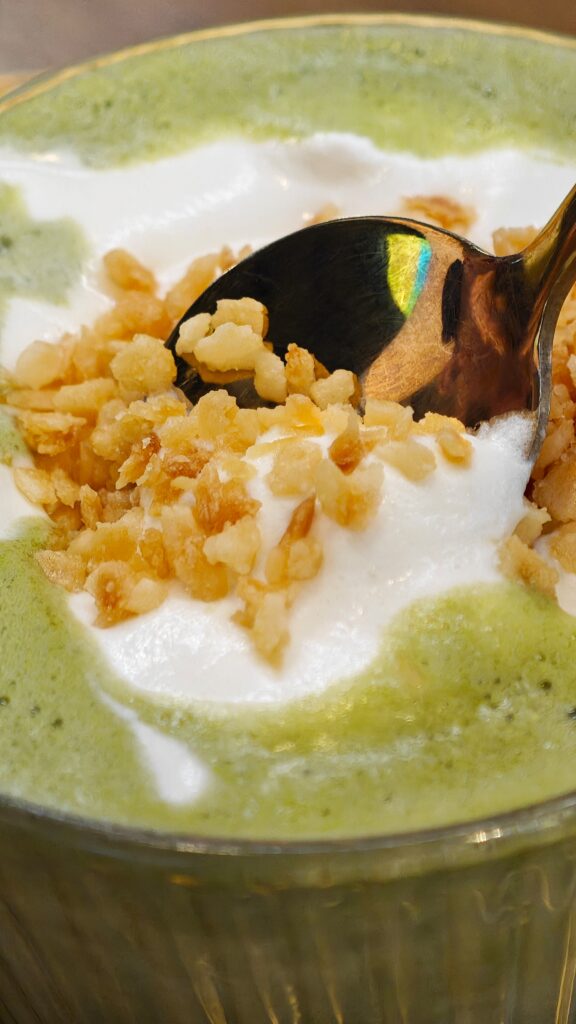
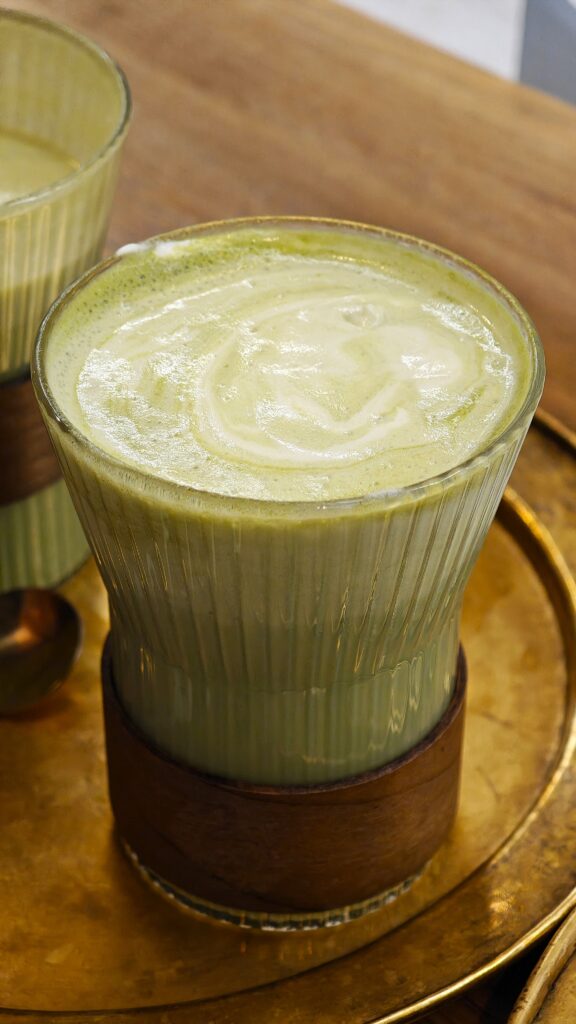
    Matcha Latte Mango is a beautifully layered beverage of three distinct colors – green matcha on top, creamy milk in the middle, and a sunny yellow mango at the bottom. The matcha’s gentle earthiness pairs perfectly with the milk’s smoothness.

    When you sip it from the bottom, you’ll taste mango’s natural tropical sweetness, while a higher sip blends the matcha with the milk for a creamy, slightly grassy flavor. By carefully balancing the densities of each ingredient, the three layers stay separate until you decide to mix them. It’s like having several drinks in one—whether you enjoy the mango on its own or mix it all together for a rich, balanced taste. This drink is as eye-catching as it’s deliciously diverse.

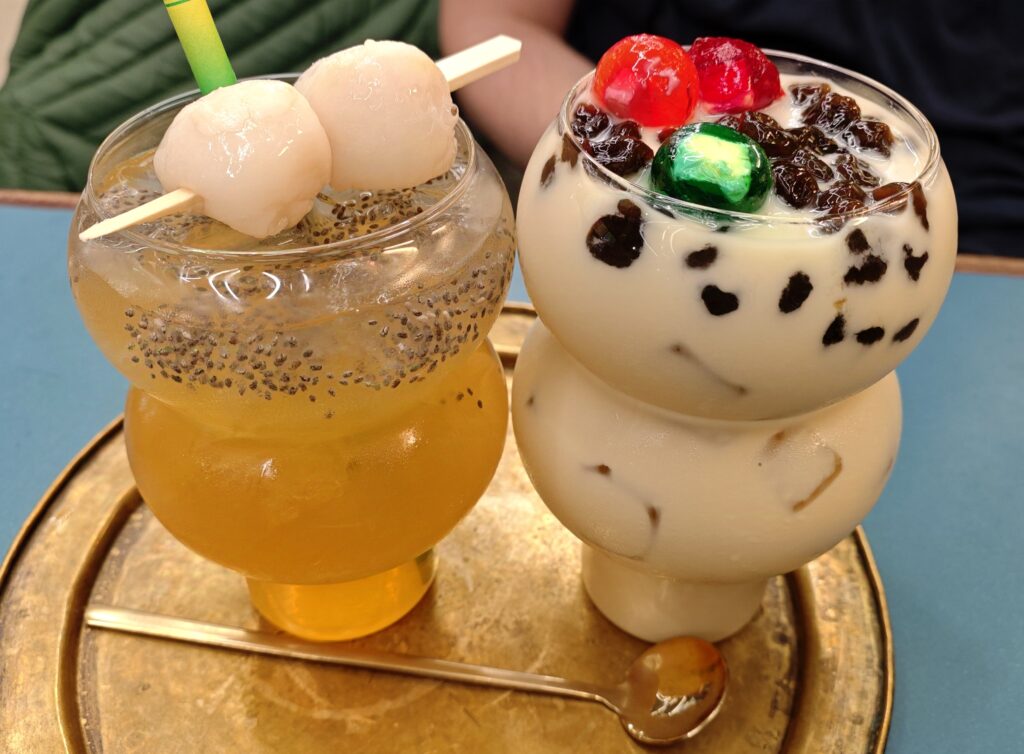
    Lychee with Chia Seed Iced Tea is a light, golden-colored drink, likely made from green or jasmine tea, which gives it a subtle, fragrant base without being too sweet. Suspended in the tea are chia seeds that add a hint of nuttiness and a playful chewiness. Topping it off are two juicy lychees, bringing a floral, fruity sweetness. Light and crisp, this drink is a great cooling companion to a bowl of hot noodle soup.

    Trà Sữa Oolong Thạch Phô Mai is a Vietnamese drink that combines the rich, slightly roasted flavor of oolong milk tea with the creamy, smooth texture of cheese jelly. The drink is topped with green and red agar jelly balls and mixed with dried berries.

    The jelly balls are filled with fruits and flavored syrups, providing a fun, sweet treat when bitten into, while the dried berries add a tartness that balances the creamy, nutty oolong. The drink is not so sweet, but offers well-rounded flavors that’re both soothing and indulgent.

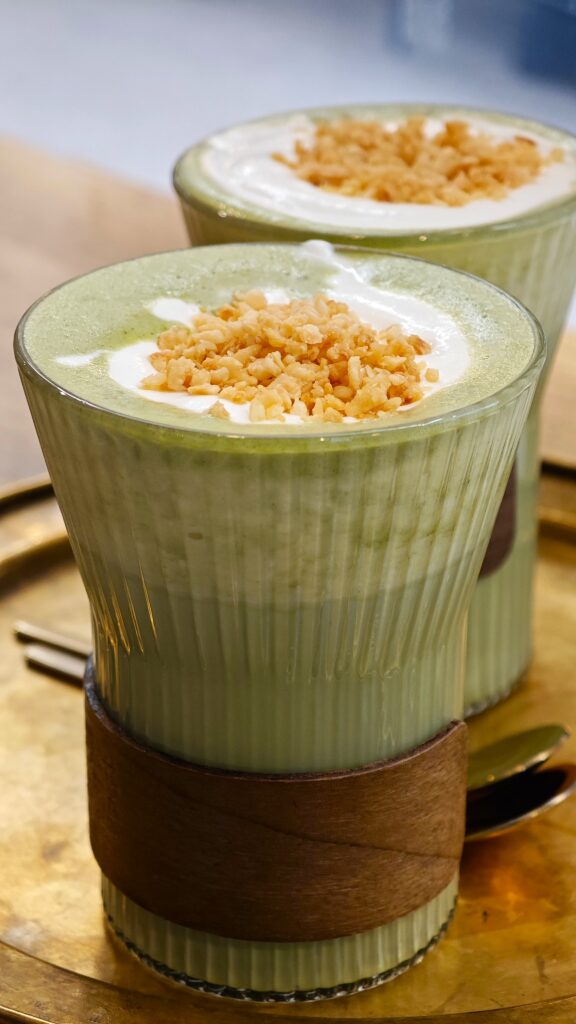
    Matcha Coconut – a fusion of Japanese matcha and creamy coconut

    This drink can be served either warm or cold. It greets with a sprinkle of toasted coconut shavings on top, releasing a subtly sweet aroma and an earthy matcha flavor.

    First sip is smooth, velvety, and creamy, with a mild, milky, coconut sweetness that softens matcha’s tea intensity. Midway through, the matcha’s tea flavor emerges, and strengthens, leaving a refreshing, slightly grassy finish. A hint of saltiness enhances the flavor.

    Matcha is packed with antioxidants, and coconut adds healthy fats, making this almost a guilt-free pleasure!

    Now for the food! While this restaurant may not have an extensive menu, it does offer the most characteristic Vietnamese dishes, each one crafted with care and bursting with flavor!

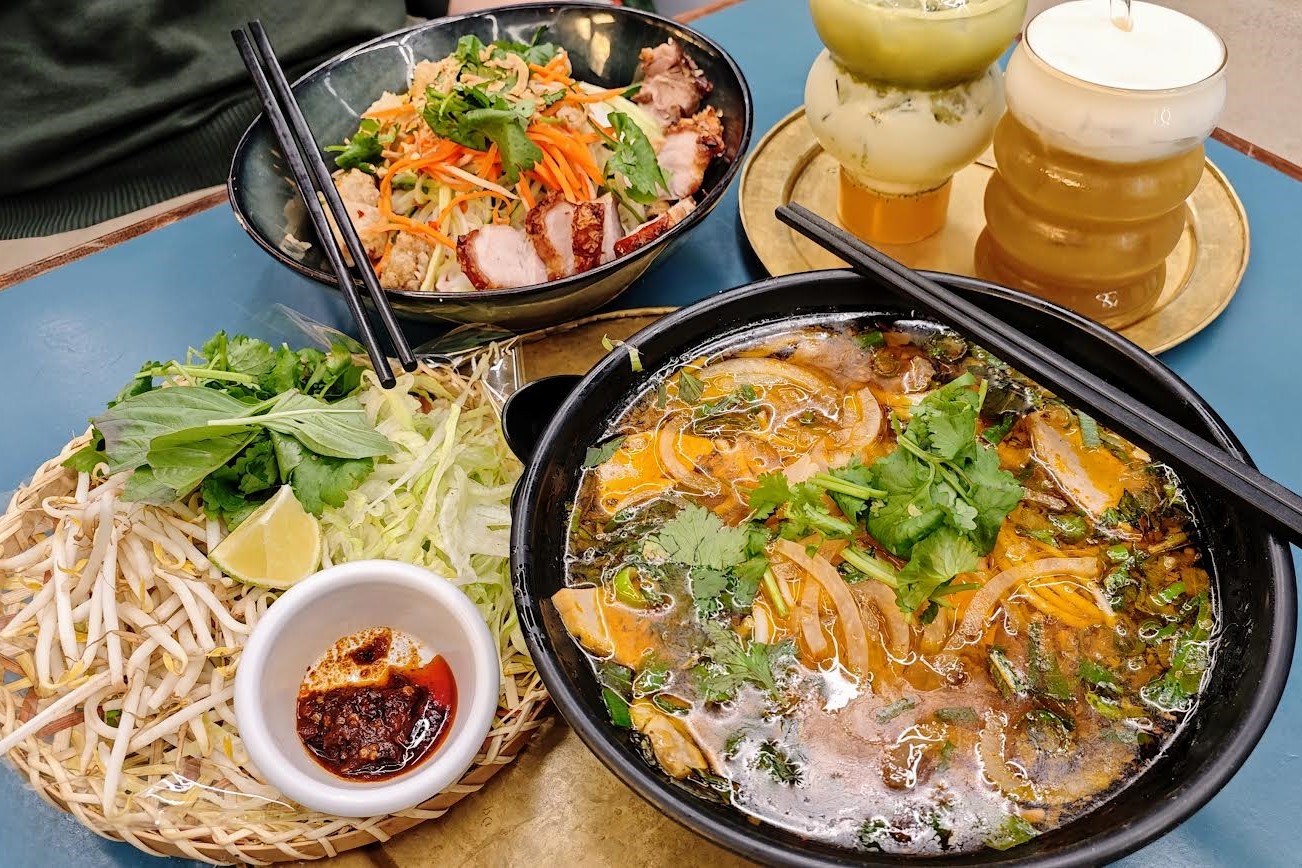
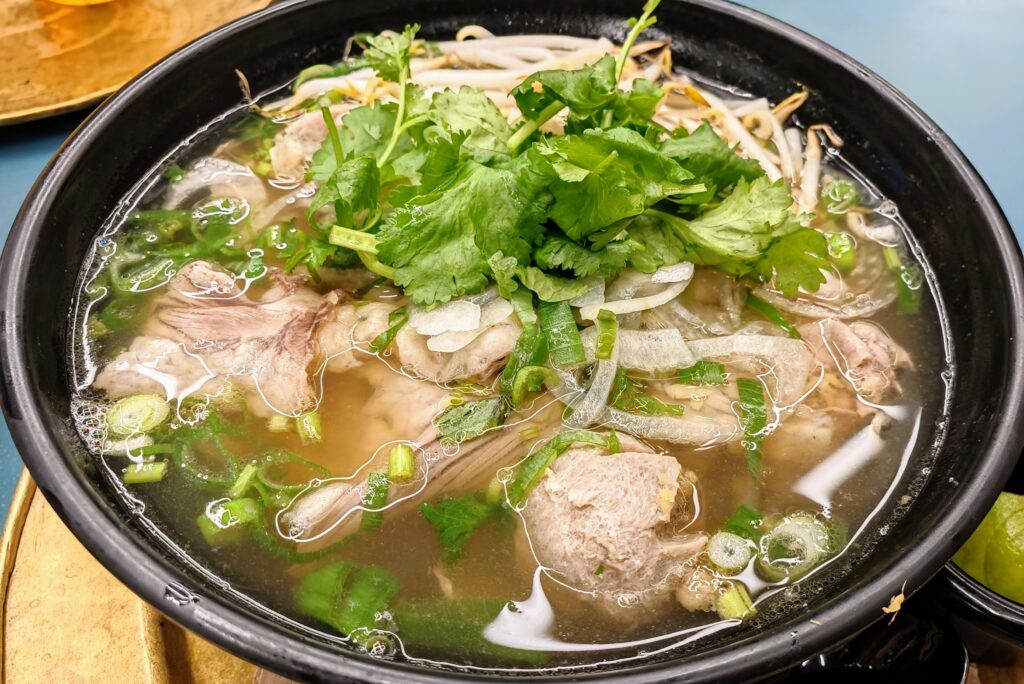
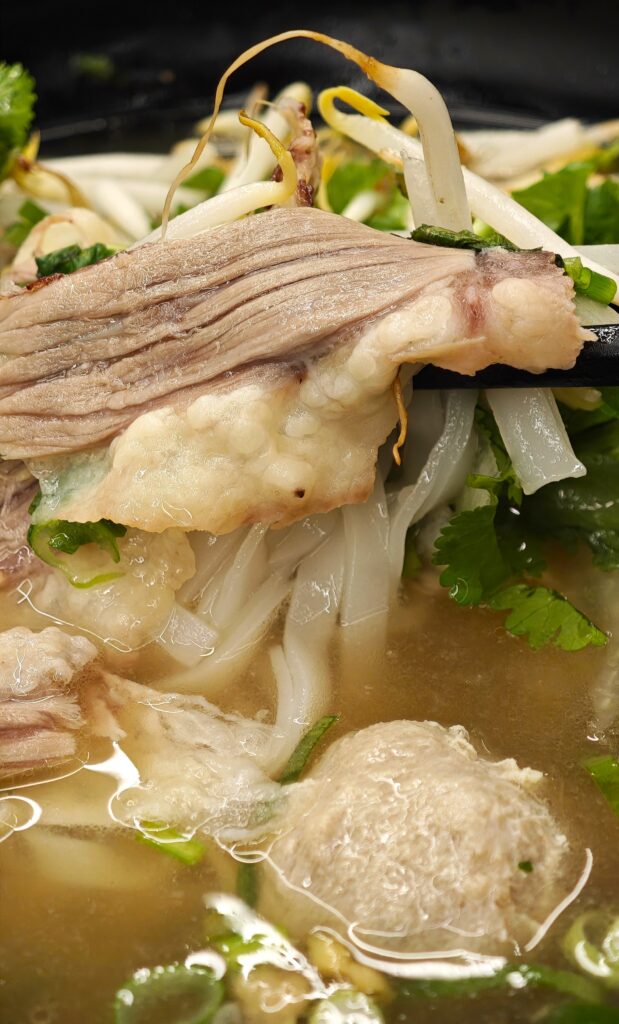
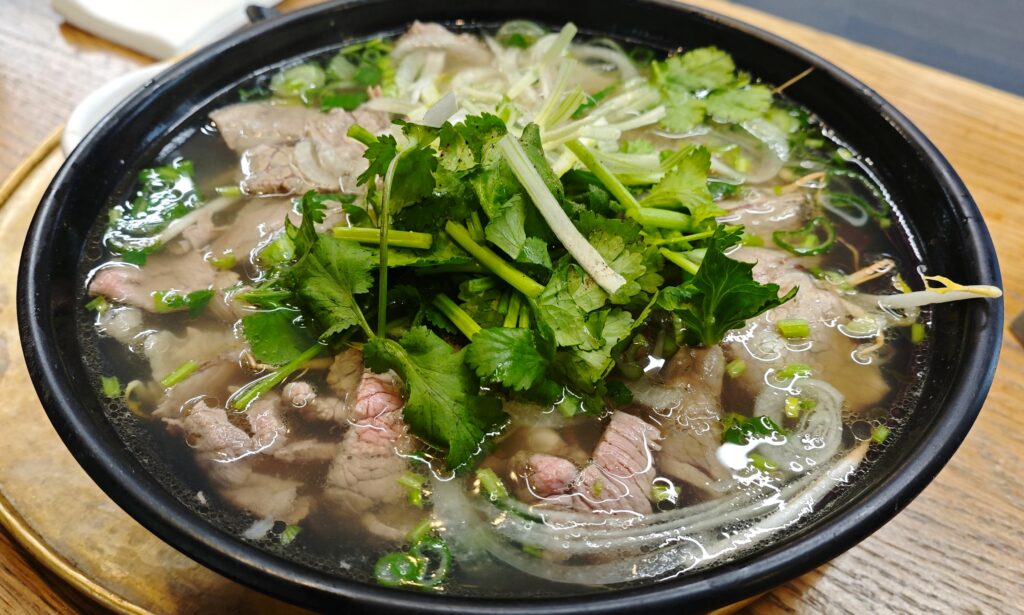
    41 Phở Tái Chín Bò Viên (Vietnamese noodle soup with sliced rare beef, beef brisket, and beef balls) is the start of the menu at An Frankfurt. Each bowl is garnished with bean sprouts, cilantro, fresh onions, and spring onions.

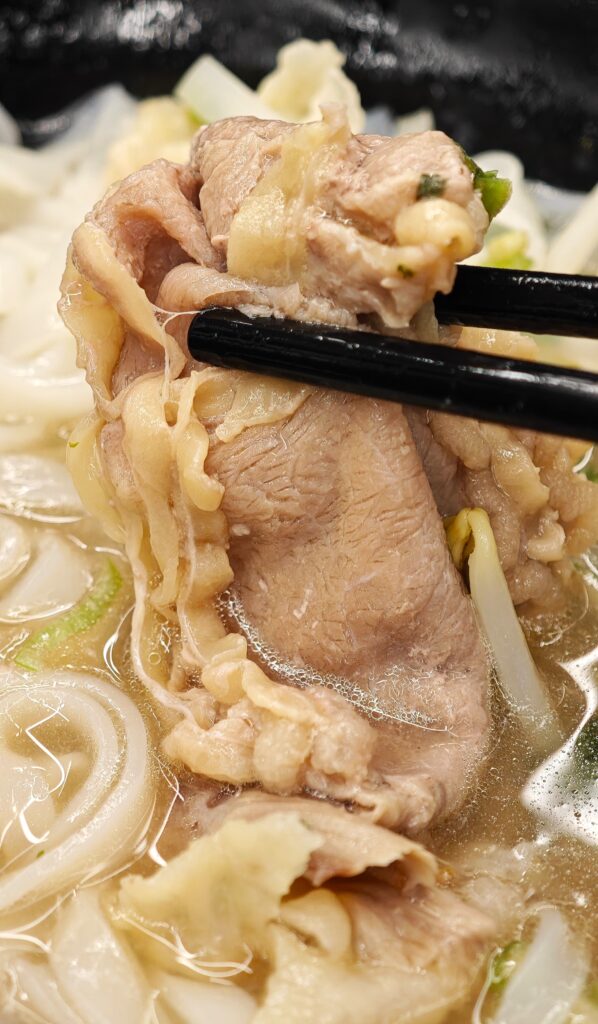
    The beef in this bowl is so thinly sliced and so tender that it almost melts in your mouth. The fatty part – so rich and flavorful, likely because it absorbs all the savory goodness from the broth, creating a deep, beefy, umami-packed mouthfeel.

    The beef balls are a slightly chewy and bouncy, giving a satisfying chew. What truly sets this dish apart is the broth. It’s not overly salty, with a clean, fresh flavor that speaks of long hours of slow simmering. You can really taste the love and dedication. Its rich and comforting taste, as the owner himself confirms, comes from cooking it low and slow, to extract the flavors purely from bones and spices, with no additives.

    The harmonious blend of fragrant herbs, a touch of sweetness from the spices, and a beefy depth wraps around your senses like a warm hug on a chilly day. It’s light yet full-bodied. The optional lime and chili add extra brightness. This is a phở at its best—simple, honest, and utterly delicious.

    The dish comes with 2 more variations:

    42 Phở Tái Nạm Gầu – Pho with slow-cooked beef brisket and succulent beef shank;

    43 Phở Tái Nạm Gầu Bò Viên – The “All-In” Pho with tender beef brisket, springy beef balls and lean, hearty beef shank;

    All swimming in the herb-infused, savory, clear, beef broth.

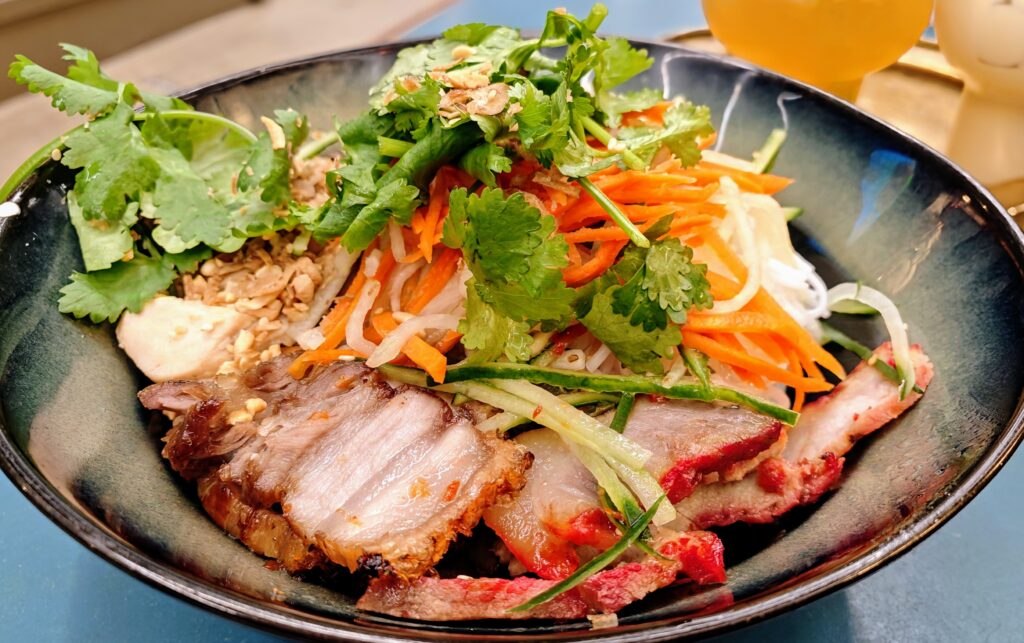
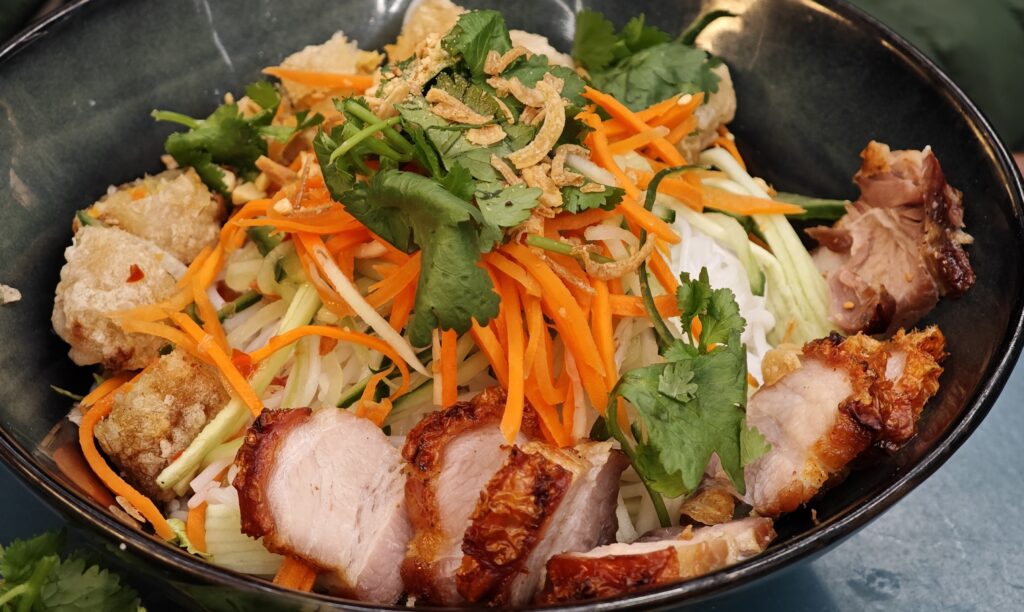
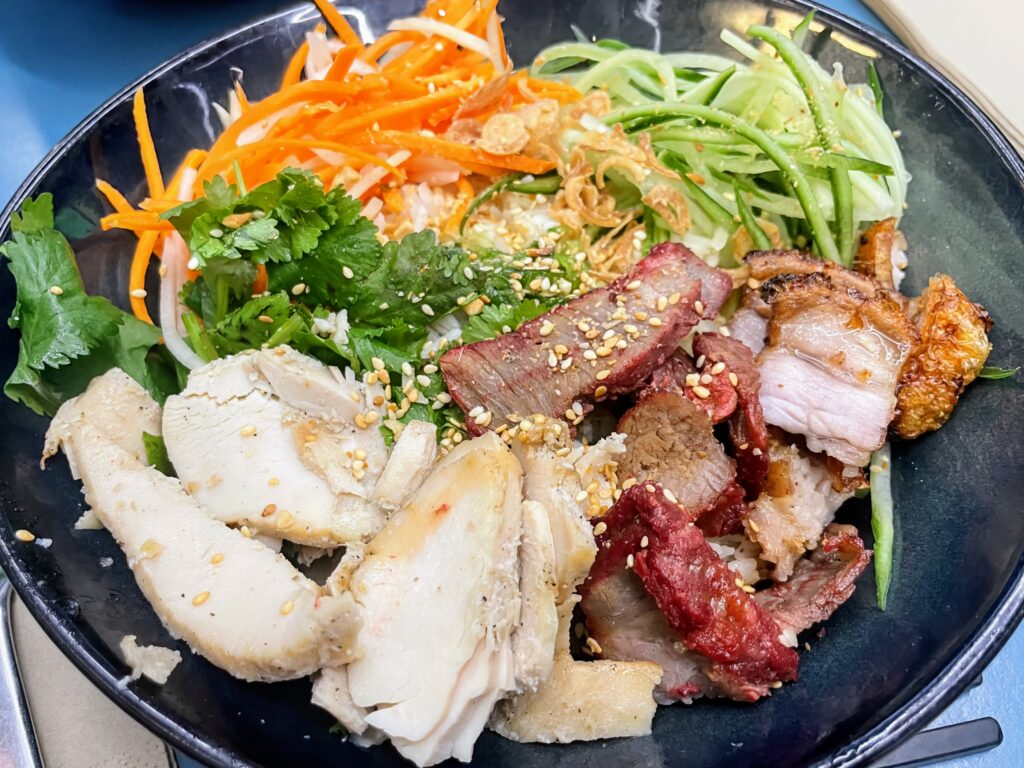
    28 Bún Gà – Xo Xía, Heo Quoy is a tantalizing Vietnamese dish that combines a variety of meats with rice noodles. It includes succulent chicken, grilled pork neck, and crispy roast pork, all arranged atop a bed of soft noodles.

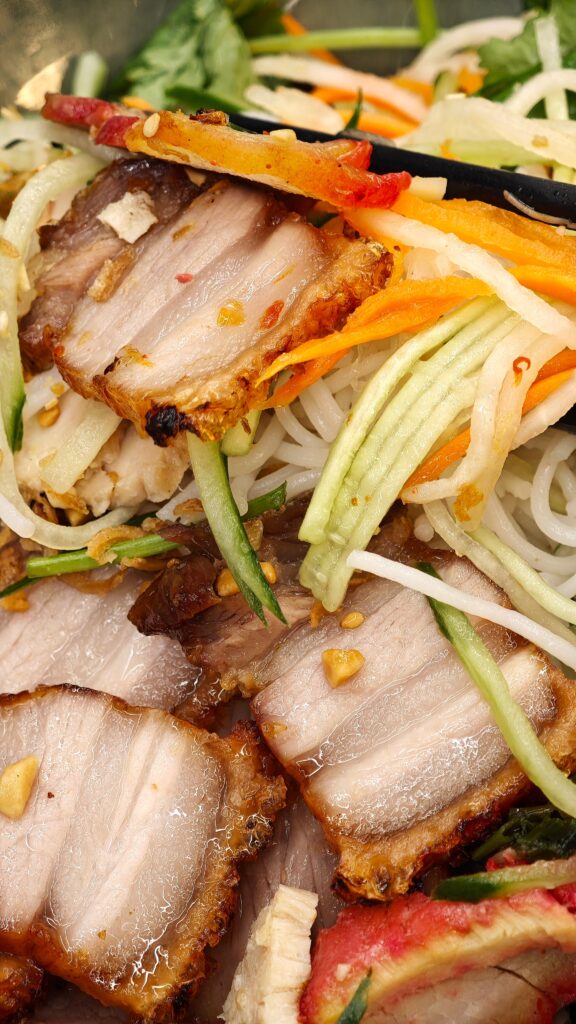
    This dish is served cold, but the noodles are slightly warm. The noodle base—bún (rice vermicelli)—is a Vietnamese staple, often used in salads and soups. Made from rice flour, it’s naturally gluten-free, making it a light and healthy choice. Its colorful add-ins also include strips of pickled carrots and radish, as well as cucumber, crushed peanuts and fresh cilantro.

    The roasted pork is so tasty. With a good mix of lean and fatty meat, each piece delivers juicy bites with an irresistibly crunchy edge. The savory crispy pork skin is not just for the texture, it truly elevates the whole experience. Meanwhile, the chicken is simply seasoned, so you can taste its natural mild sweetness. It acts as gentle counterpoint to the richer pork flavors.

    Finished off with tangy nước chấm, a classic Vietnamese sauce made from fish sauce, lime juice or vinegar, sugar, garlic, chili, and water, this dish is all about balance. It’s light yet full of flavor, with a refreshing, savory crunch in every bite.

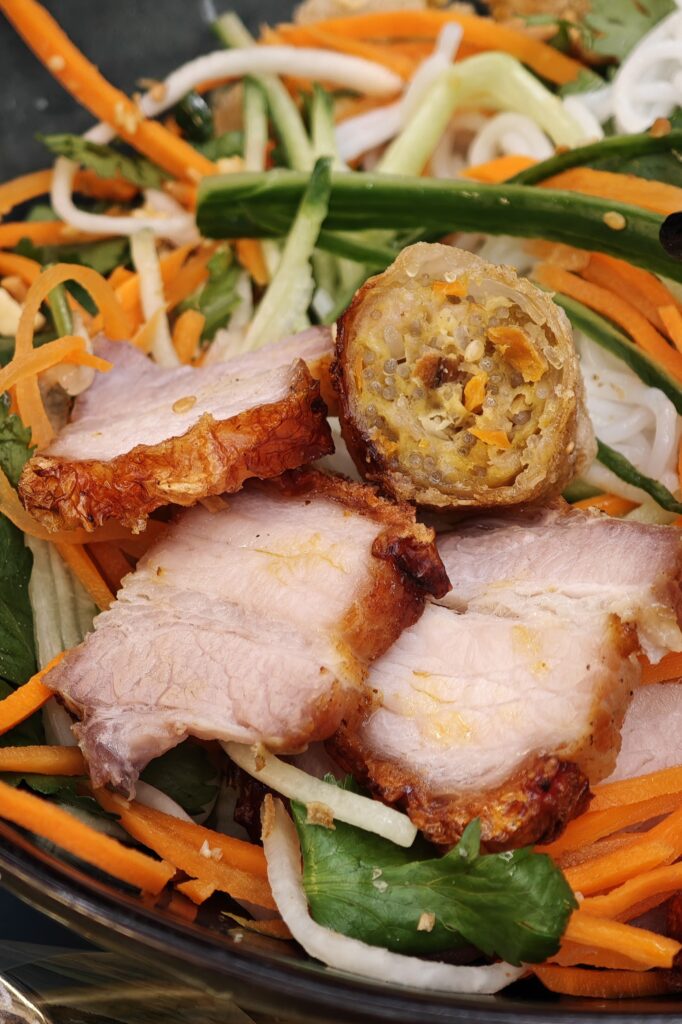
    If you’re looking to indulge a bit more, you can choose the heartier variations featuring fried spring rolls, specifically the 21 Bún Chả Giò Thịt (with pork) or 21.1 Bún Chả Giò Gà (with chicken). Both dishes have similar dressings and toppings, but the crispy spring rolls give them a more wholesome feel.

    We really love their pork, so we went for the 21 Bún Chả Giò Thịt. The crispy pork skin is, again, absolutely perfect — crunchy with an intense savoriness that matches wonderfully with the light flavors of the rice noodles and fresh vegetables. Each bite of the spring roll is a burst of umami crunch – golden and crisp on the outside, with a soft, flavorsome glass noodle filling on the inside.

    Don’t forget to dip them into the nước chấm that gathers at the bottom of the bowl. It brings all the flavors together – sweet, sour and salty – into one tasty, satisfying chew.

    If you’re craving something even more substantial, 36 Cơm Gà Xá Xíu, Heo Quay might be just what you’re looking for. Instead of rice noodles, this dish uses fragrant rice as the base.

    It comes with the same delicious meat options as the bún, including tender chicken, grilled pork neck, and crispy roast pork, all served warm. The combination of meats, along with fresh cilantro, vibrant veggiesroasted onions and sesame, adds layers of flavor and savoriness. This dish is perfect, if you want to enjoy rich, more filling Vietnamese cuisine with the added comfort of a warm rice base.

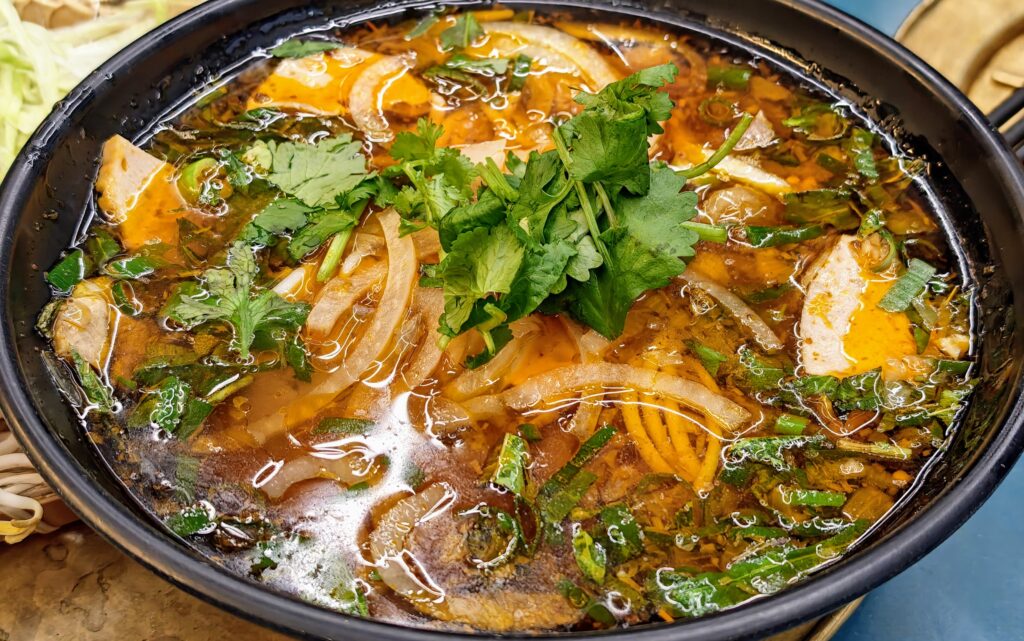
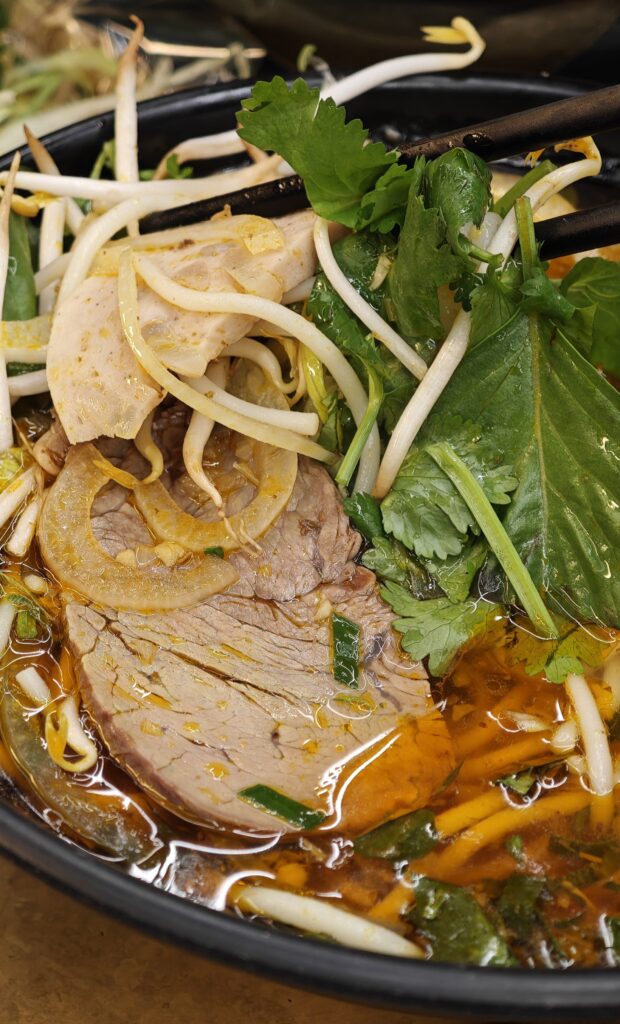
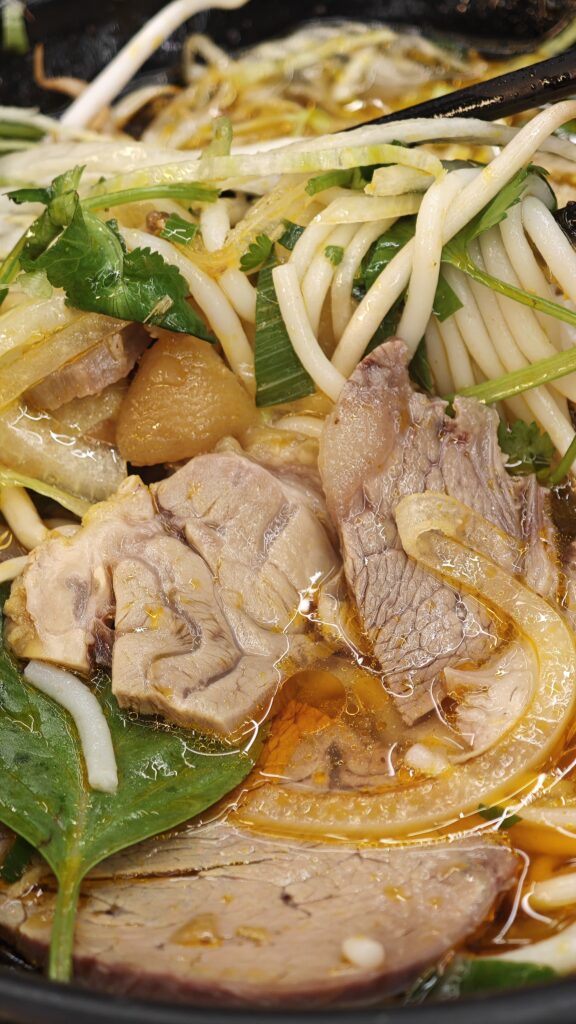
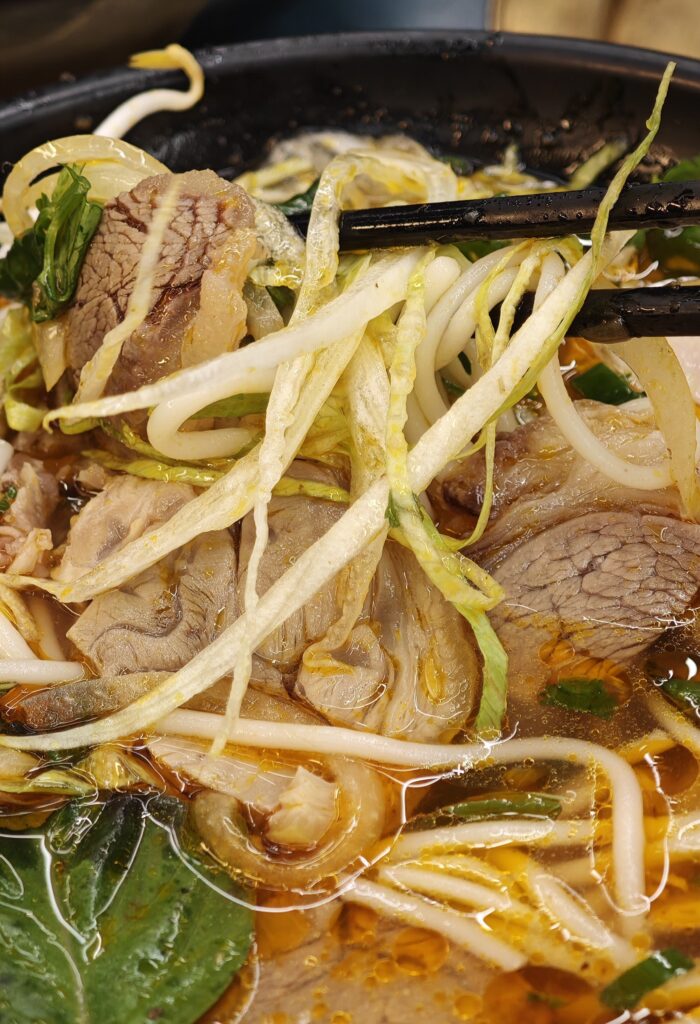
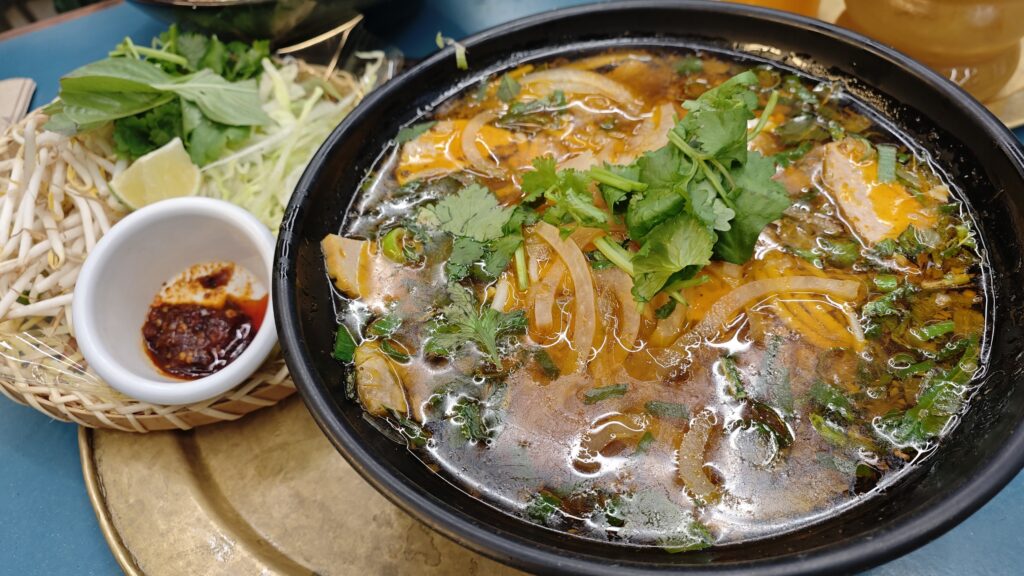
    43A Bún Bò Huế is a popular Vietnamese beef noodle soup from the ancient capital of Huế. This dish is a real flavor powerhouse, with its bold, aromatic broth infused with the rich essence of beef and fragrant lemongrass. The broth is intense and hearty, with an unmistakably, deep beefy flavor.

    This dish comes with slightly thicker, chewier rice noodles, tender pork and beef slices, and fish tofu.

    The fatty, juicy skin of the pork practically melts in your mouth, adding a touch of indulgence, while the fish tofu’s umami blends beautifully with the spiciness of the chili oil.

    Fresh garnishes like lime, Thai basil, bean sprouts, and cilantro bring a refreshing contrast, lending brightness, crunch, and herbal notes that lift the richness of the broth. A dollop of extra chili sauce, for spice lovers, turns up the heat. The combination of spicy, savory, sour, and aromatic elements makes for a hearty, warming experience that’s both bold and balanced.

    All the noodle and rice dishes can be paired with a variety of meats or tofu for vegetarians. Beyond what we introduced, An Frankfurt also offer summer rolls, papaya salad, and the ever-popular Bánh Mì (sandwich)—Vietnam’s fusion of East and West, where French baguettes meet Vietnamese grilled meats and fragrant herbs. Bánh Mì shows you Vietnam’s ingenuity in merging cultures to create something unique and tasty of its own.

    This hidden gem really captures the soul of authentic Vietnamese cuisine. Each dish, with its varied flavors, textures, and aromas, brilliantly balances simplicity and sophistication. Approach each meal with an open heart and a curious palate, and you’ll discover not just a taste of Vietnam, but also its deep-seated love for its culture, its community, and the rich gifts of its land and sea.

  • Lijianger Restaurant: A Cozy Escape with Authentic Guilin Flavors

    Lijianger Restaurant: A Cozy Escape with Authentic Guilin Flavors

    Today we’re taking you to a hidden gem – an unassuming yet cozy restaurant that not many people know about. It features spacious square tables, soft-cushioned seating, and a private dining room that fits about 10 people, perfect for larger groups needing a bit more privacy. Tucked away near Konstablerwache station, it may be easy to miss, but inside you’ll find a treasure trove of authentic flavors from Guilin, a region in China known for its breathtaking landscapes and rich culinary traditions.

    The iconic Li River (Li Jiang or 漓江) of Guilin, so stunning it graces the back of China’s 20-yuan banknote, is a symbol of the region’s natural beauty. But beyond its scenic wonders, Guilin is just as famous for its cuisine. As the saying goes, “Guilin’s scenery stands above all, Li Jiang’s flavors bring joy to all (桂林山水甲天下, 漓江美食滿盡歡)”. Historically a cultural crossroads in southern China, Guilin became a melting pot of culinary influences from Central China, Fujian, Guangdong and beyond. The result is a diverse range of flavors – crispy and fragrant, tangy and spicy, with bold or delicate tastes – all coming together in unique flavorful fusion.

    Restaurant Profile

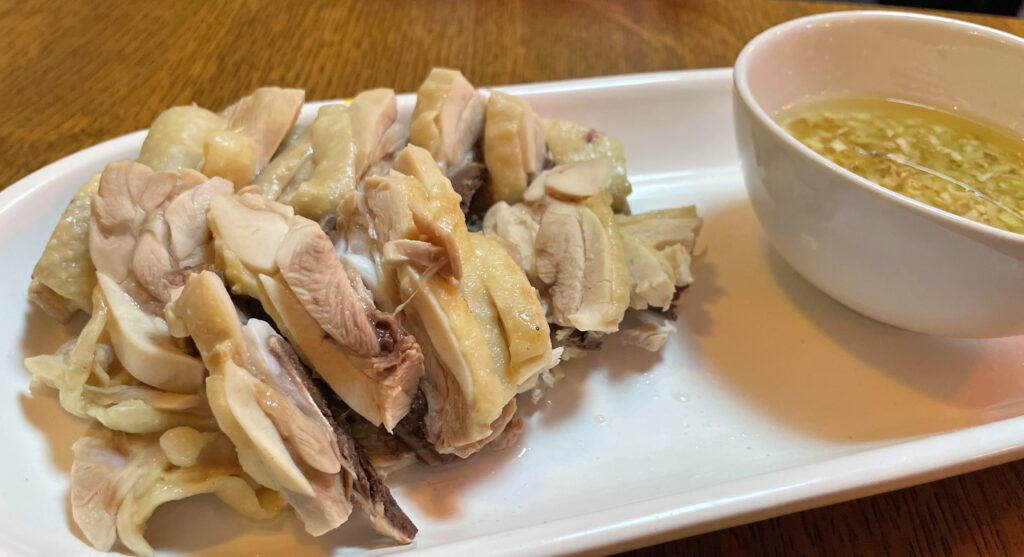
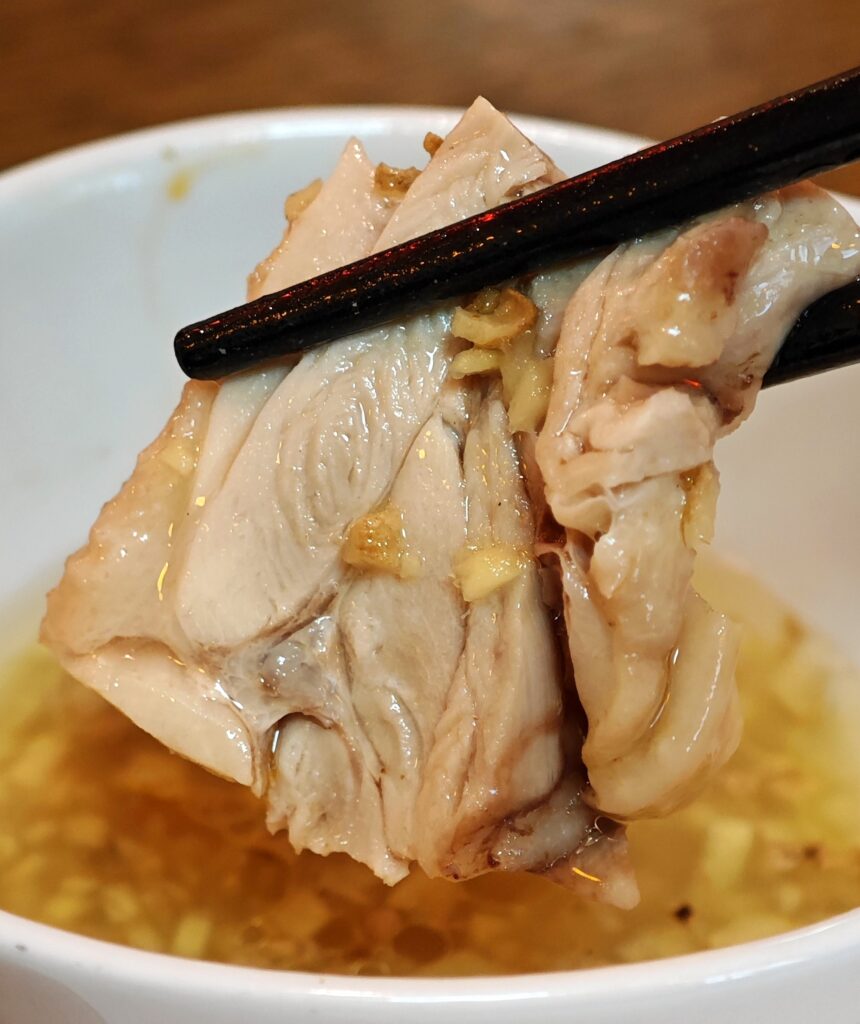
    Bai Qie Ji (白切鸡), or poached chicken, is a traditional dish in Cantonese cuisine that highlights the chicken’s natural flavors. This delectable dish gets its name from its cooking method, which involves poaching the chicken in plain water. The chicken is served warm with bones, cut into bite-sized pieces that are easy to pick up with chopsticks.

    The magic of Bai Qie Ji lies in its simple yet elegant preparation: no spices or heavy seasonings are added during cooking. The chicken is either immersed in hot water or steamed to perfect tenderness, allowing the pure, juicy essence of the meat to come through fully. The result is a remarkably succulent chicken with smooth, silky skin that is both fragrant and slightly chewy.

    Accompanying this dish is a sauce made from scallion oil, chicken broth, soy sauce, a touch of white sugar, and finely minced ginger, finished with a drizzle of sesame oil. This creates a savory dip that perfectly enriches the chicken’s delicate flavor – a balance of umami, sweetness, and a hint of ginger spice that elevates the dish without overpowering it.

    Bai Qie Ji embodies the Cantonese culinary values of freshness and simplicity. Even without any sauce, its flavor is exceptional, allowing you to savor the pure taste of the chicken in all its glory. For those seeking an extra kick, some enjoy pairing it with a chili sauce on the side which provides a pleasant contrast to the dish’s mild flavors.

    These next two appetizers feature cilantro (also known as coriander) as the main ingredient. In Asia, cilantro is loved for its refreshing taste and health benefits, packed with antioxidants and vitamins that can help reduce inflammation. However, it’s a bit of a love-it-or-hate-it herb—due to genetic variations, some people may experience a soapy taste. So, if cilantro is not your thing, you might want to skip these two dishes.

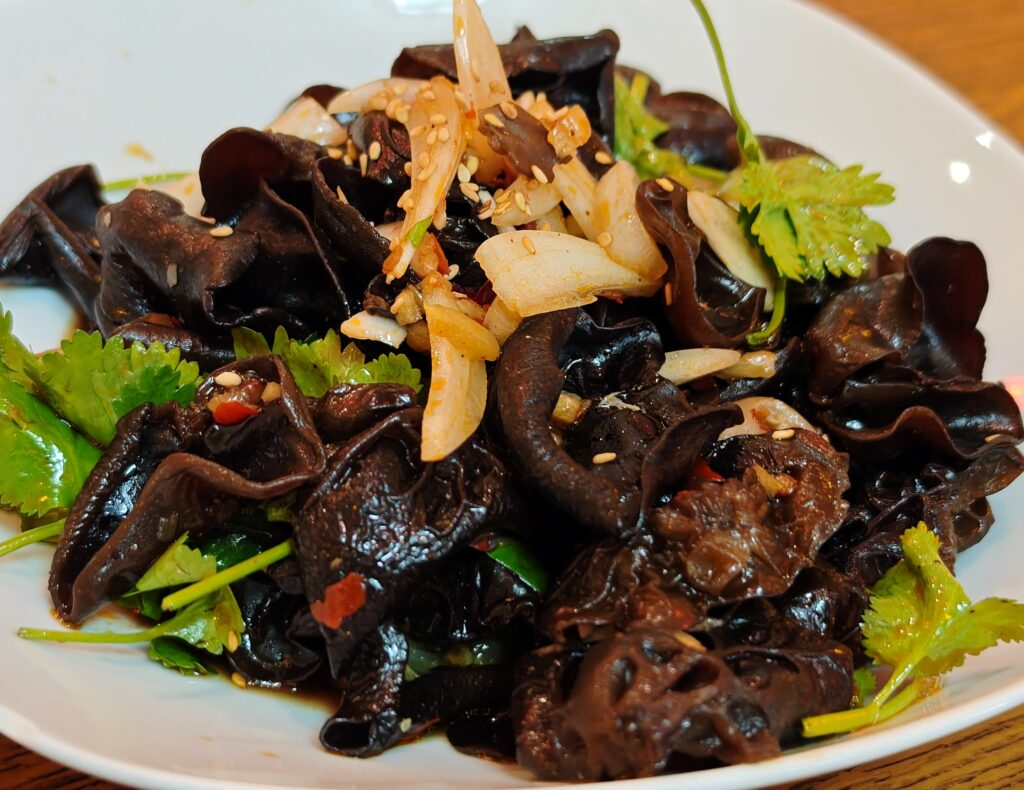
    The first is a zesty cold salad (凉拌木耳 or Liang Ban Mu Er) made with wood ear mushrooms, finely chopped cilantro, and chili peppers, topped with onions and toasted sesame seeds. Tossed in a light dressing of soy sauce, vinegar, and sesame oil, it has a tantalizing blend of spicy, tangy, and savory. The wood ear mushrooms add a slightly wobbly texture that pairs beautifully with the crisp cilantro and the kick from the peppers, making each bite both refreshing and appetizing.

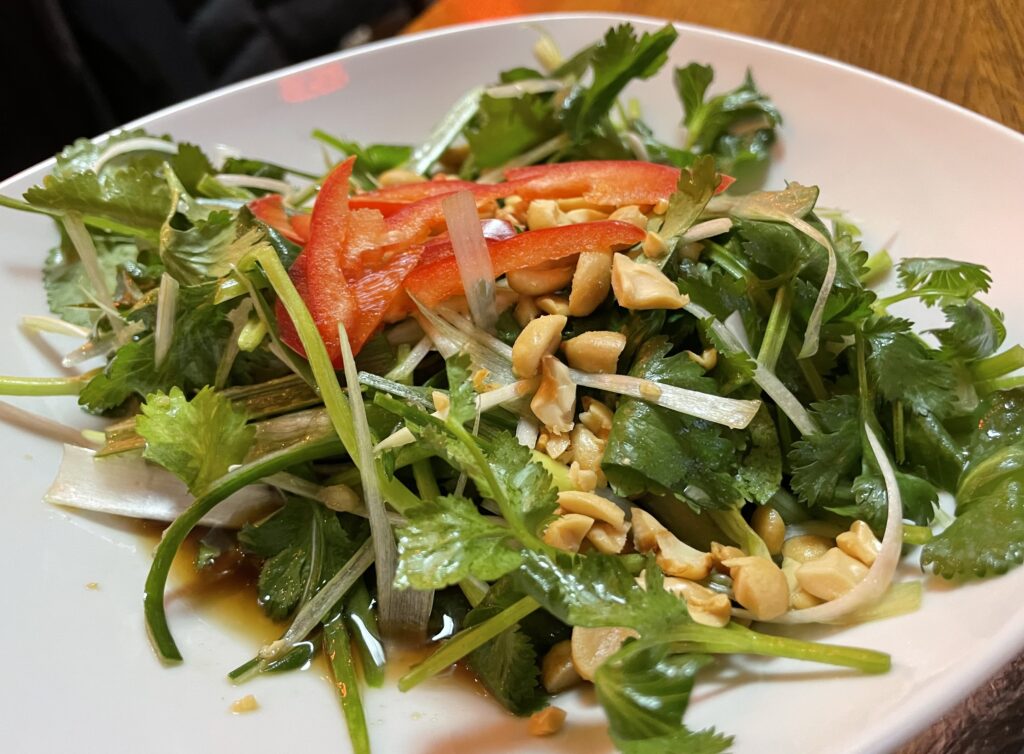
    Up next is the fiery Lao Hu Cai (老虎菜), or “Tiger Salad,” a bold dish from northeastern China. The “Tiger Salad” derives its name from its intense, spicy kick, much like the fierce bite of a tiger. This salad features a sharp mix of leeks, cilantro, green chilies, peanuts, and red bell peppers, all tossed in a spicy dressing. The flavor is intense and addictive, combining a robust crunch with a mouth-tingling heat.

    Lao Hu Cai is also a popular pairing with China’s potent baijiu (strong Chinese liquor), as the spice from the salad and the burn of the alcohol intertwine, creating a unique, powerful sensation that keeps you hooked for more.

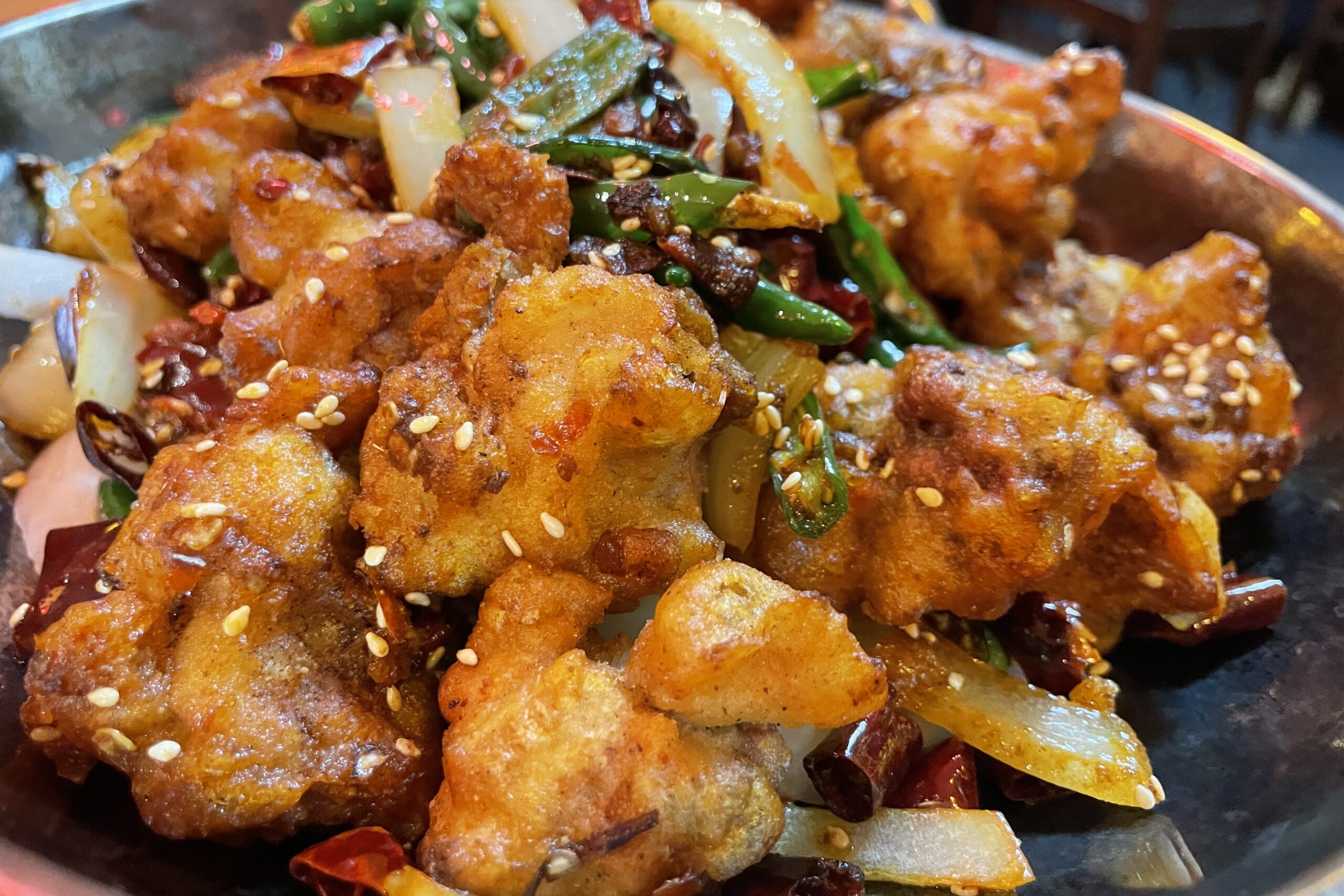
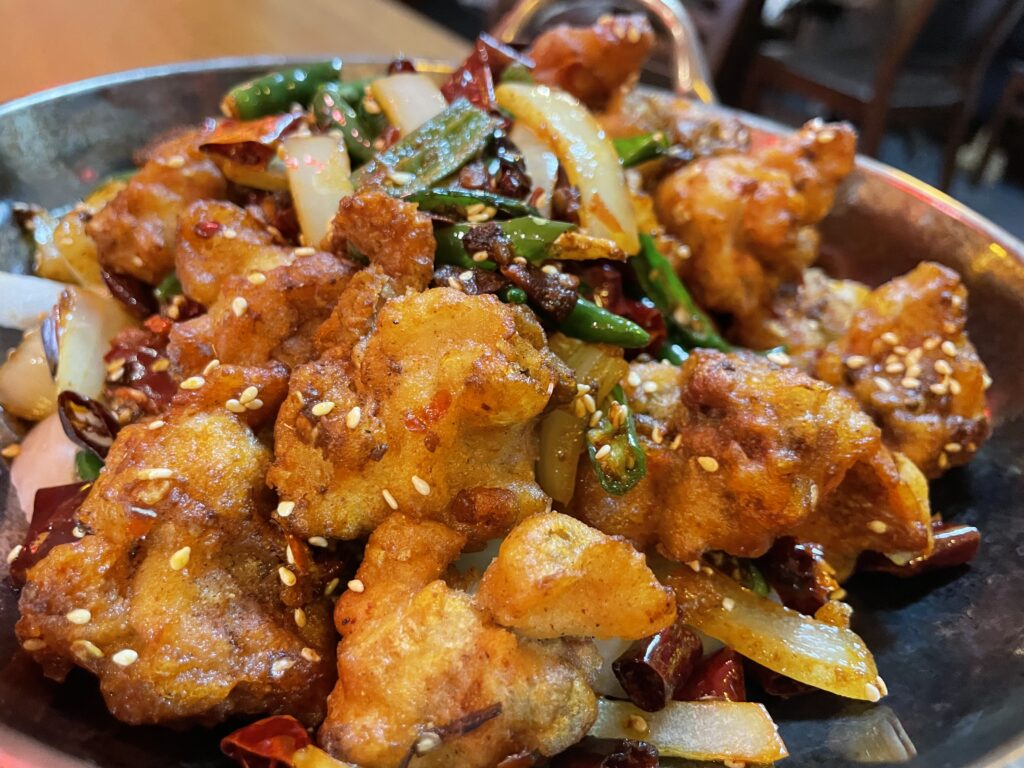
    Gan Guo Ji (干锅鸡), or Dry Pot Chicken, is a signature dish from Sichuan, renowned for its bold and spicy flavors. This dish, a local favorite at Lijianger, has its own twist: the chicken is lightly fried before stir-frying, giving it a crispy exterior while keeping the inside tender and juicy.

    Packed with small green chilies, onions, Sichuan peppercorns, dried red chilies, garlic, ginger and celery, this dish delivers a mouthwatering combination of heat and fragrance. Served in a sizzling pot, the spices meld together beautifully, delivering the characteristic numbing sensation (mala) from the peppercorns that complements the fiery kick of the chilies and amplifies the flavor depth.

    The chicken, served bone-in, absorbs all the flavors from the spices, delivering an enticing mix of spicy, savory, and slightly numbing tastes. The meat itself boasts a natural umami, often described as “self-made MSG” due to its glutamate.

    Though not officially on the menu, this dish is one of the most requested – a true hidden star that you won’t want to miss!

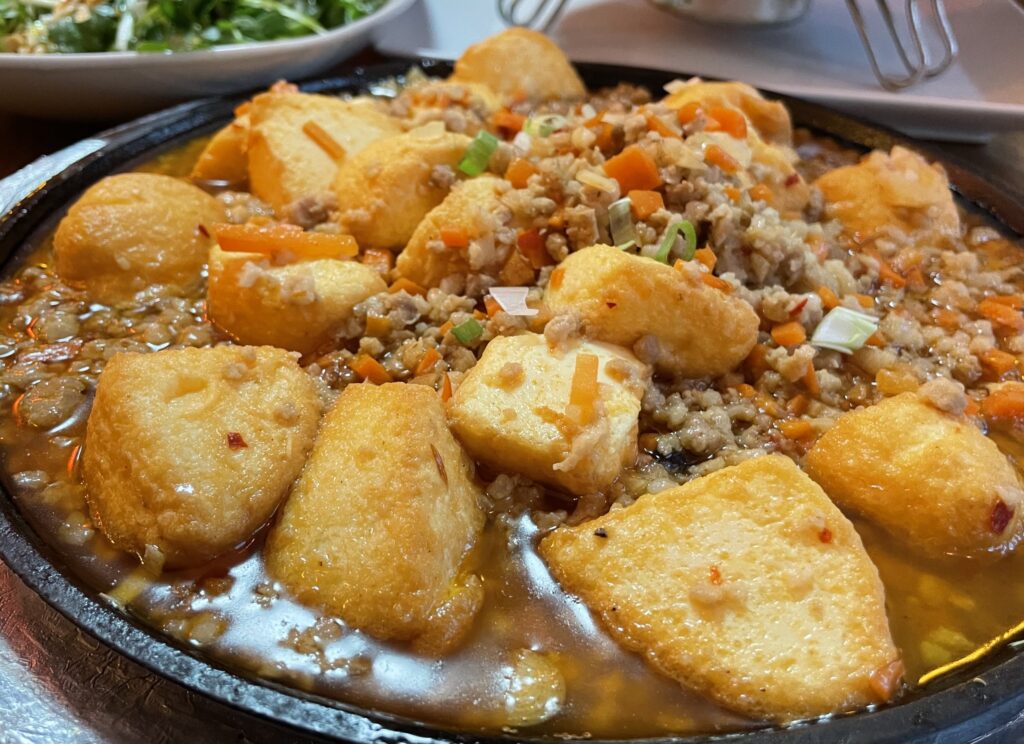
    Tie Ban Dou Fu (铁板豆腐), or Hot Plate Tofu, features silky egg tofu, lightly seared to form a golden crust while remaining wonderfully creamy within. The egg tofu, easily a favorite among tofu lovers, has a rich, custard-like flavor and is full of protein and nutrients.  

    Sizzling away on a hot plate, the tofu is stir-fried with savory minced pork, fresh scallions, and crisp carrots, creating a colorful medley that invites you to dig in. The slight brothiness adds a soothing touch, making each bite a comforting experience.

    The egg tofu’s subtle yet distinct flavor, harmonizing with the savory minced pork and fresh vegetables, provides a satisfying mouthfeel that combines rich, umami tastes with tender textures. It’s a dish that promises to leave you feeling warm and fulfilled!

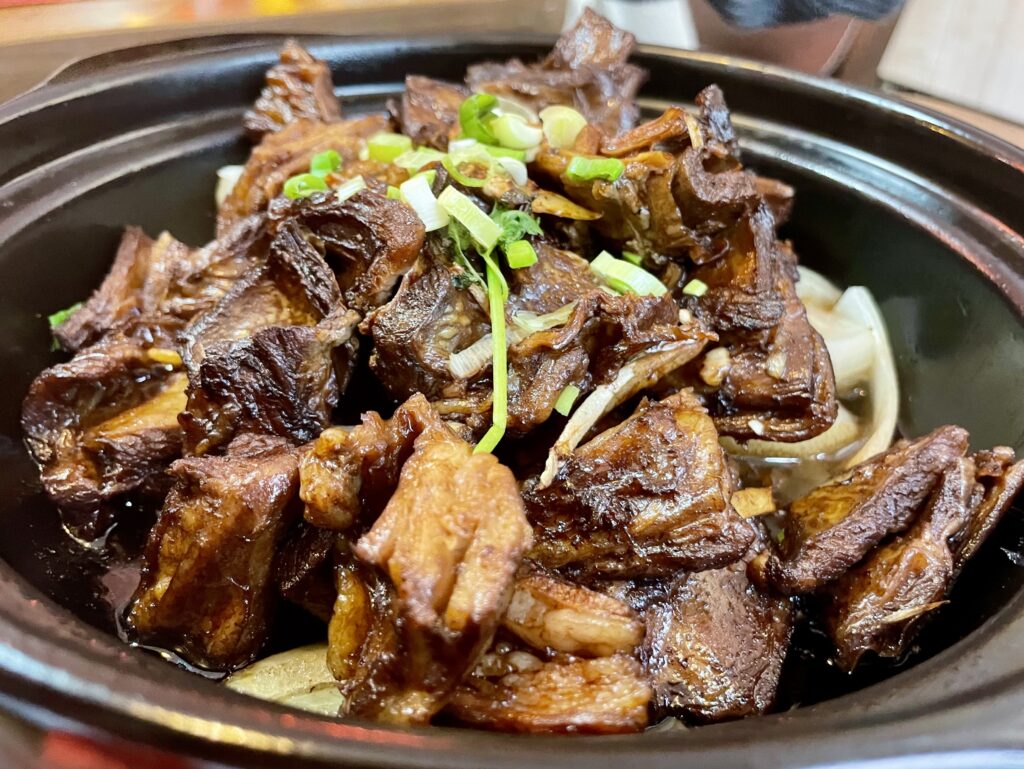
    Huang Men Yang Rou (黄焖羊肉), or Braised Lamb in Yellow Sauce, was once a favored delicacy in the imperial court of the last Qing Dynasty emperor. Originating from northwestern China, this dish is known for its aromatic and crispy texture that is rich yet not greasy.

    The lamb, expertly braised, soaks up the thick Huang Men sauce, which is both fragrant and deeply savory. The scallions and onions lend a crisp sweetness, enriching the succulent lamb pieces. The meat has a gratifying chew, with a good balance of fat and lean.

    The term “Huang Men” refers to a unique flavor profile characterized by rich umami, mellow sweetness, and a subtle heat that offers comforting warmth. This exquisite taste is achieved through a fusion of spices and seasonings, including ginger, scallions, star anise, and cinnamon. Together, they create a deep, robust, and inviting aroma that envelops the dish

    While this dish not always available, don’t hesitate to ask for it when you visit — it’s definitely worth trying!

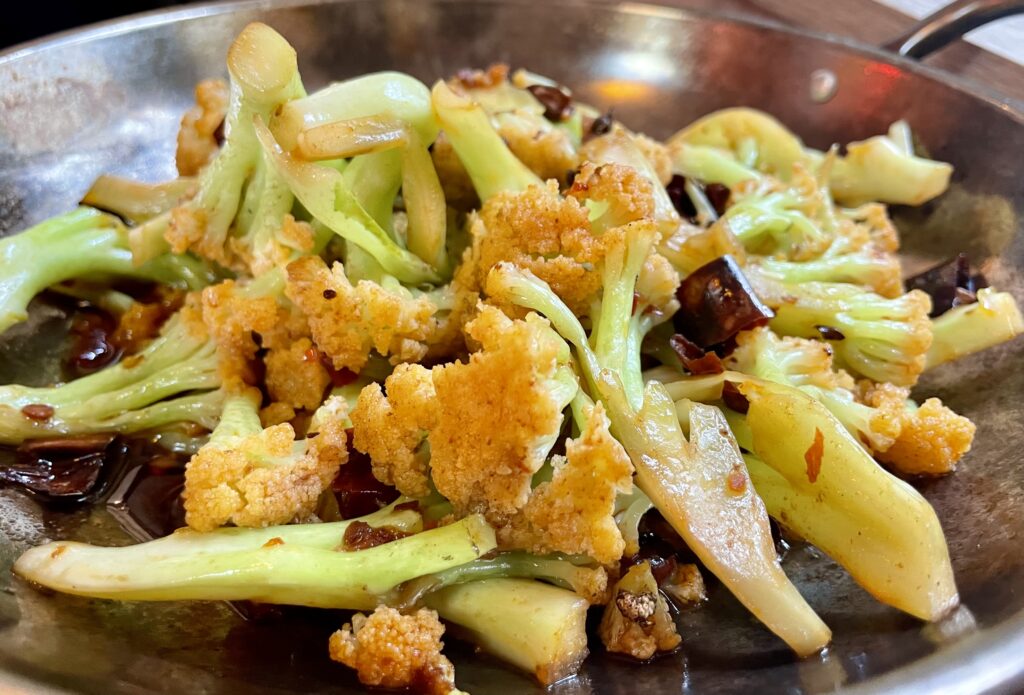
    Gan Guo Hua Cai (干锅花菜), or Dry Pot Cauliflower, is a delicious vegetarian dish that’s sure to please those who love crunchy textures with a bit of a kick. The “hua cai” in this dish, a Chinese cauliflower, differs from the Western variety with its longer stems and looser florets, giving it a firmer, crunchier bite.

    This dish is stir-fried in a sizzling pot with dried red chilies and garlic, delivering a savory, mildly spicy flavor. The garlic brings a fragrant depth, while the chilies infuse a gentle warmth. The cauliflower itself remains crisp and fresh, absorbing the flavors of the spices while retaining its natural sweetness. It’s one of those simple yet flavorful dishes that proves vegetables can be anything but boring!

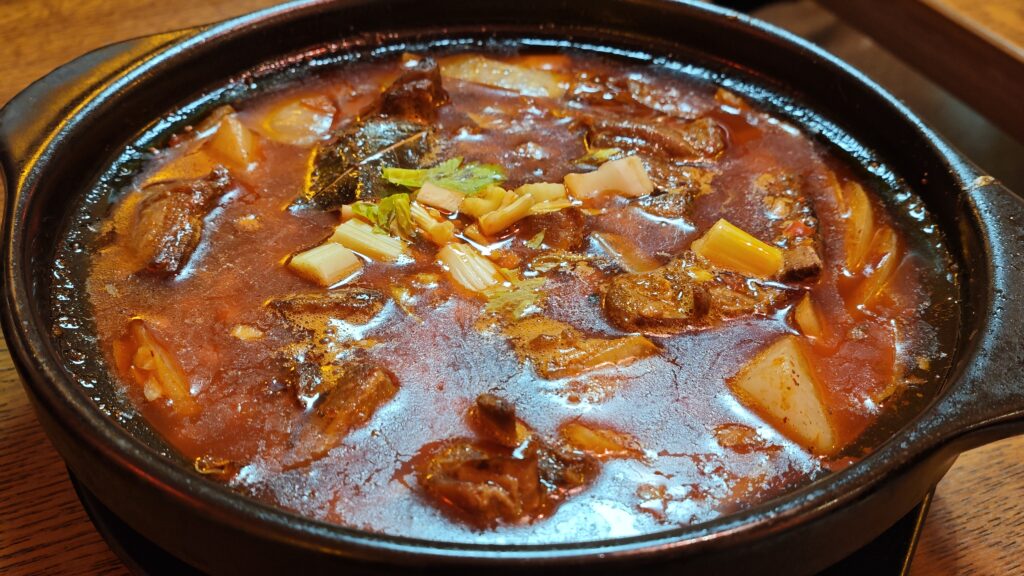
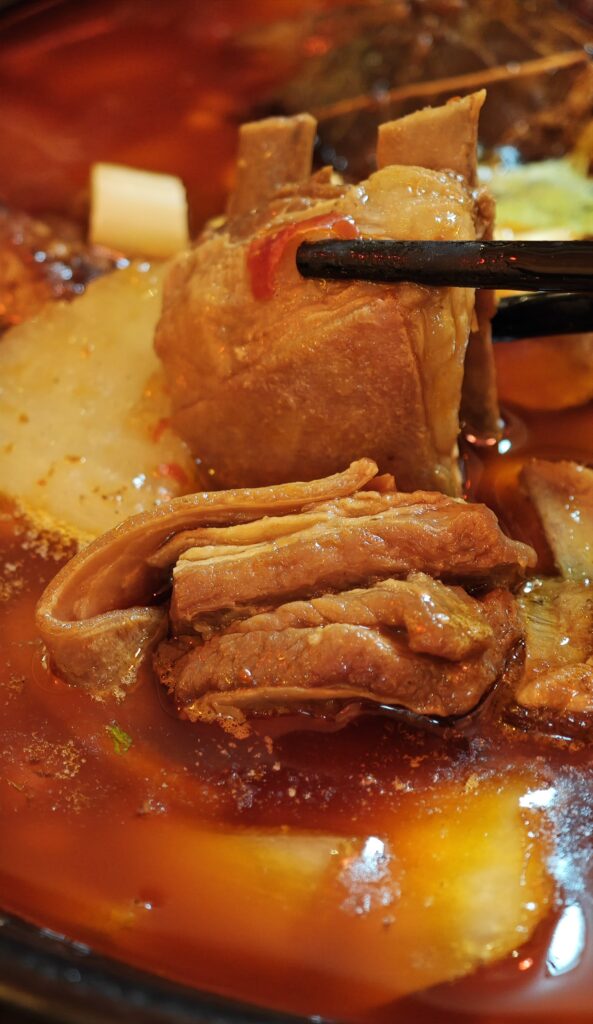
    Málà Yángròu Bǎo (麻辣羊肉煲), or Spicy Numbing Lamb Stew, is an off-menu dish that’s definitely worth inquiring about. This dish features slow-braised juicy lamb, elevated by the bold and fiery flavors of Sichuan cuisine.

    The lamb is succulent, with a good mix of lean and fat, making each mouthful indulgently rich yet tender. The broth is deeply aromatic, infused with málà (麻辣) heat (spicy and numbing), which leave a distinctive tingling sensation. The use of bay leaves lends an earthy, herbal aroma that complements the lamb’s natural gaminess.

    The stew is loaded with daikon radish, carrots, onions, and celery, each soaking up the broth’s intense flavors. The tender radish, in particular, pairs wonderfully with the lamb, offering a light, subtly sweet contrast to the rich meat.

    There is also a non-spicy version – the Jiàngxiāng (酱香) variation, which replaces the fiery málà with a savory, soy-based braise. This version has a deep umami flavor that’s rich, slightly sweet, and more comforting.

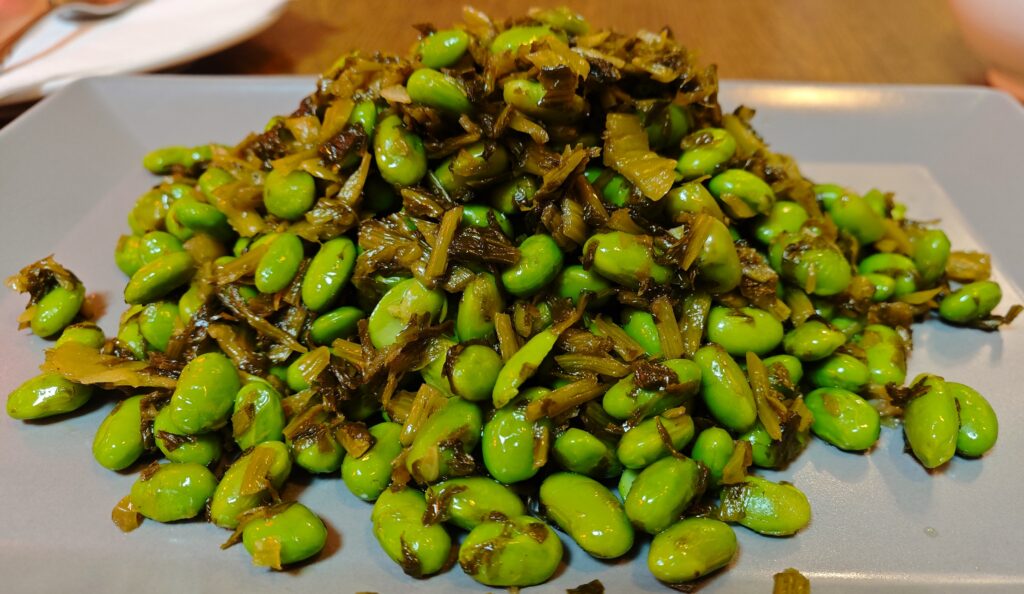
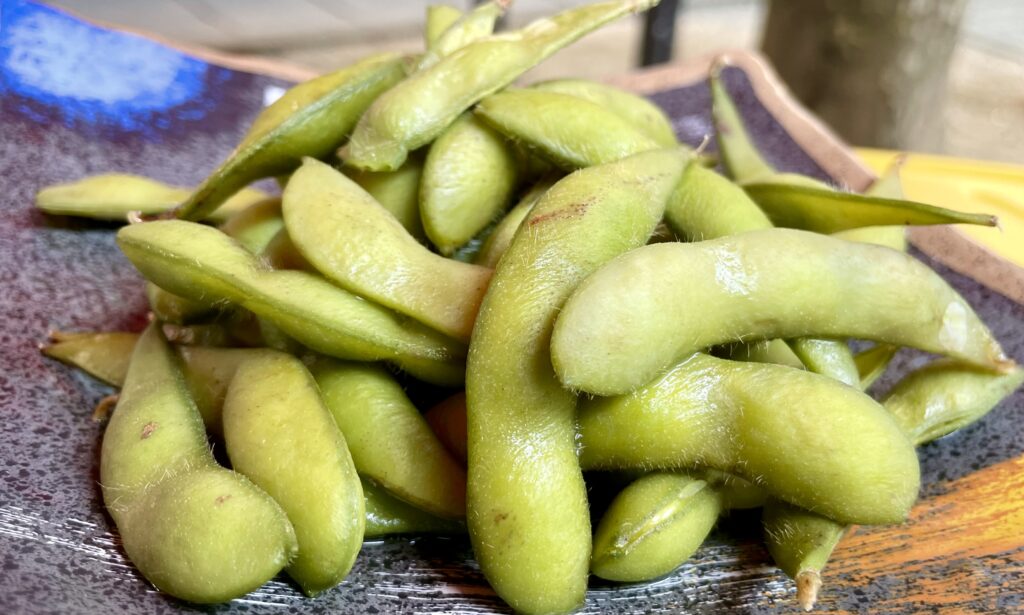
    Xue Cai Mao Dou (雪菜毛豆), or Pickled Mustard Greens with Edamame, is a bright, tangy dish that instantly whets your appetite.

    The pickled mustard greens (Xue Cai) give a sour punch, while the edamame adds a mild, nutty contrast. It’s light yet packed with zest, with a hint of saltiness, making it a great side dish to accompany heavier meals or enjoy on its own as a refreshing snack.

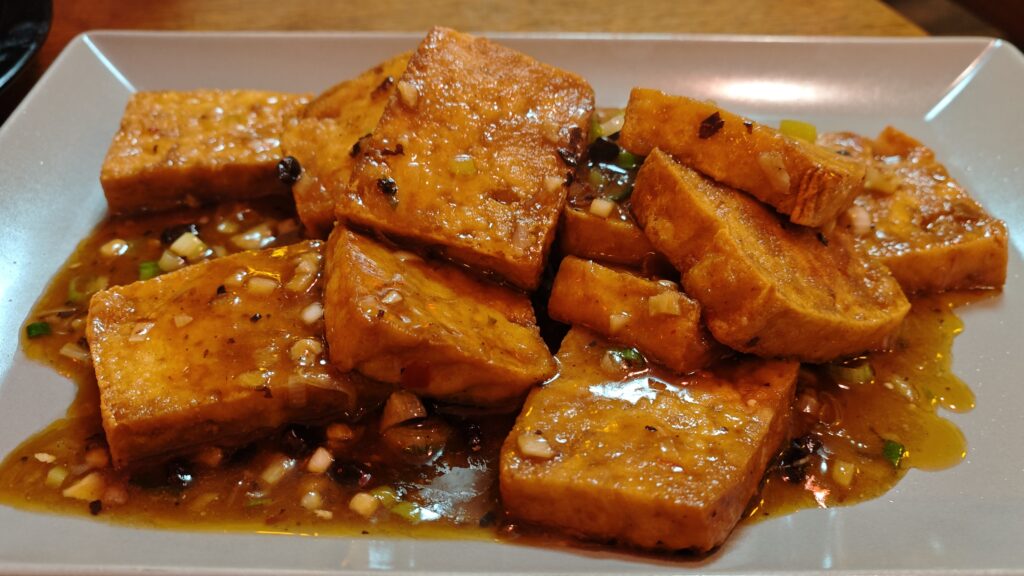
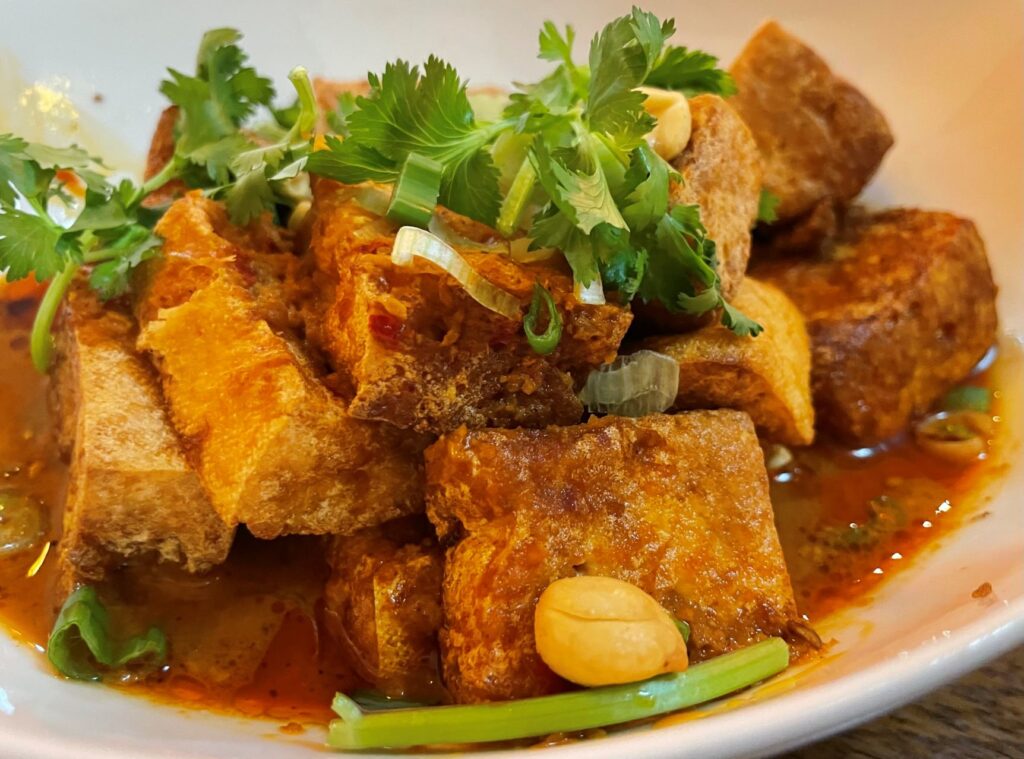
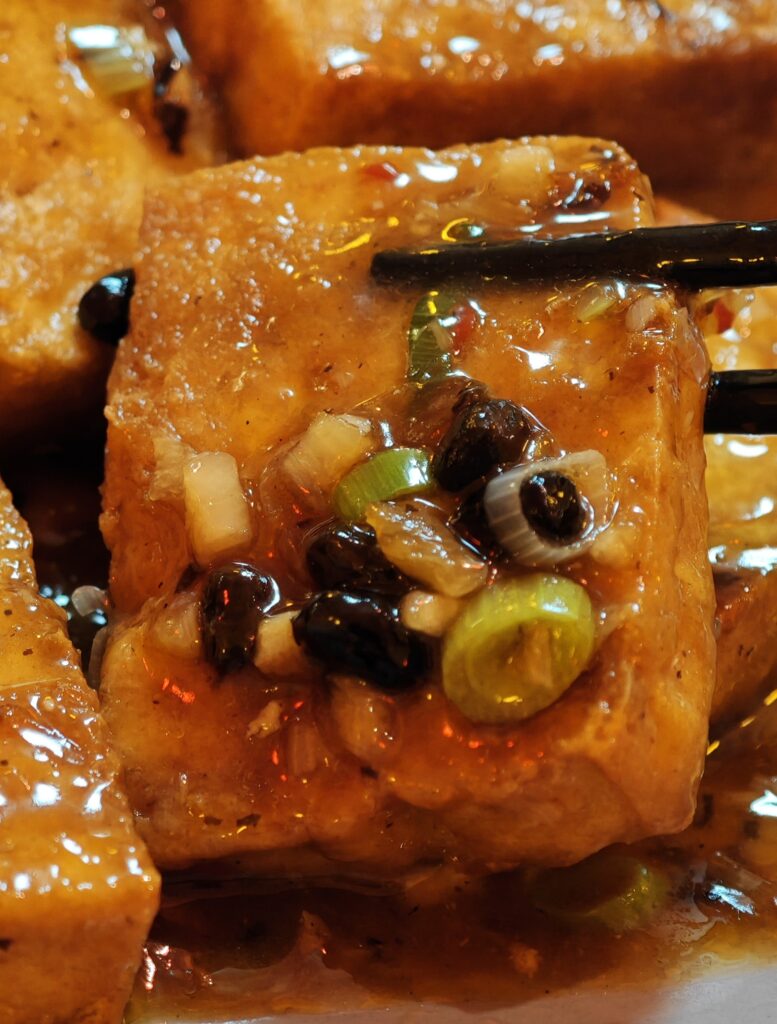
    Hong Shao Dou Fu (红烧豆腐), or Braised Tofu, is a deeply flavorful, aromatic dish that’s all about rich soy-based sauces and slow infusion of flavors.

    The tofu has a slightly chewy, golden-browned exterior, a result of light frying before braising. Inside, it remains soft and creamy, offering a delicious contrast. The braising sauce seeps into the tofu, infusing it with layers of flavor.

    The first impression is undeniably umami and garlicky, thanks to a mix of soy sauce, aromatic garlic, and fermented black beans (豆鼓, Dòu Chǐ). These fermented black beans contribute a deep, earthy, and slightly salty complexity, adding an aged, savory, slightly funky, and almost smoky dimension to the dish. It’s topped with spring onions, for a fresh sharp contrast to the richness.

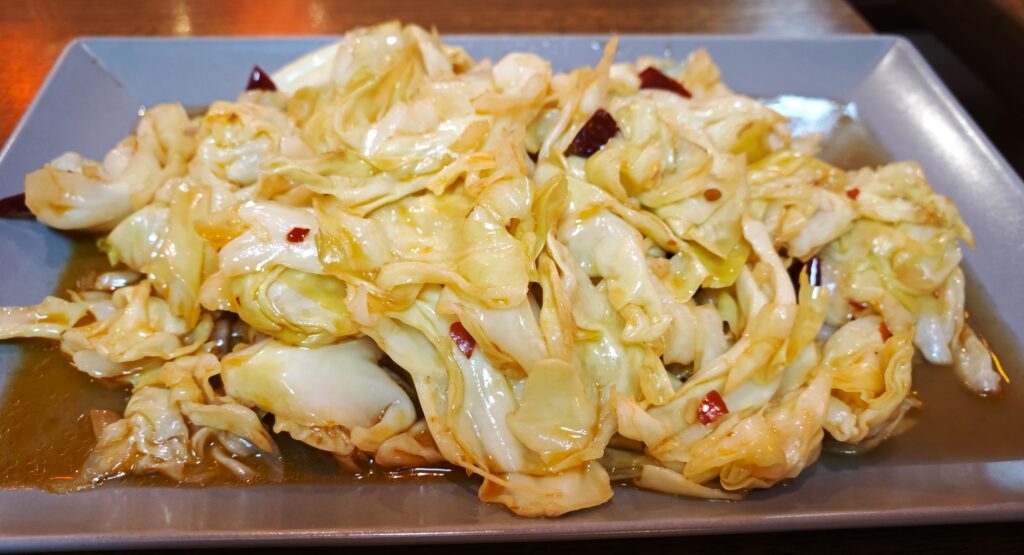
    Cù Liū Báicài (醋溜白菜), or Stir-Fried Chinese Cabbage with Vinegar, is a humble but comforting dish. The cabbage is stir-fried to a nice crunch, absorbing the tangy, slightly sweet notes of Chinese black vinegar. It also has dried chilies (干辣椒), which add a hint of warmth without making it too spicy, creating a gentle heat that enhances the overall flavor.

    The vinegar not only brightens the taste but also supports digestion, stimulating the palate and making it easier on the stomach. It’s a great choice when you’re looking for something both delicious and easy to digest.

    At Lijianger, there’s an impressive array of xiao chao (stir-fries), everyday household dishes from various regions of China. These dishes share the signature tangy, spicy, and savory flavors of Li Jiang, while incorporating regional nuances. While we’ve mostly focused on meat- or veggie-centric dishes, the xiao chao at Lijianger often features a balanced mix of both meat and vegetables.

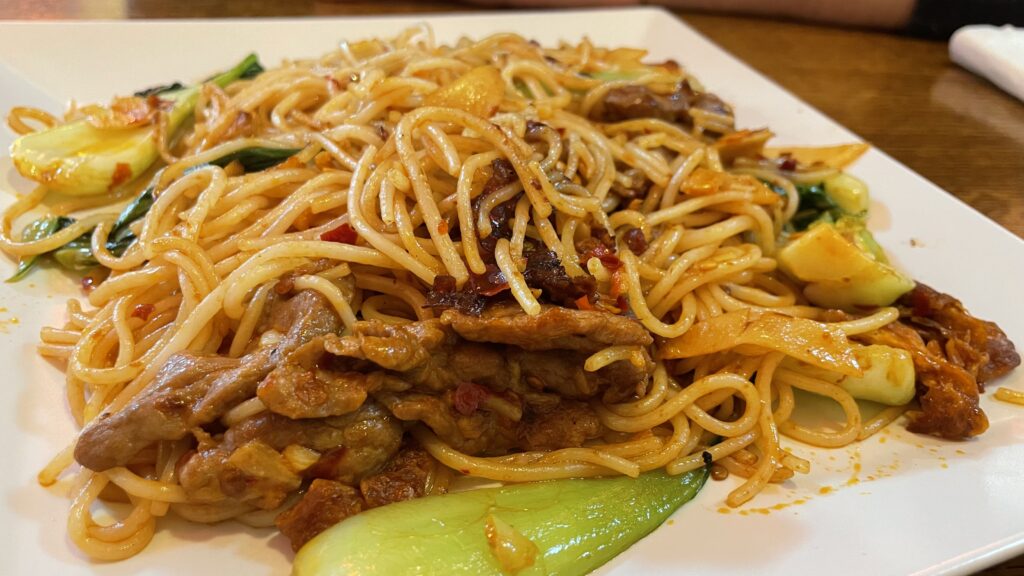
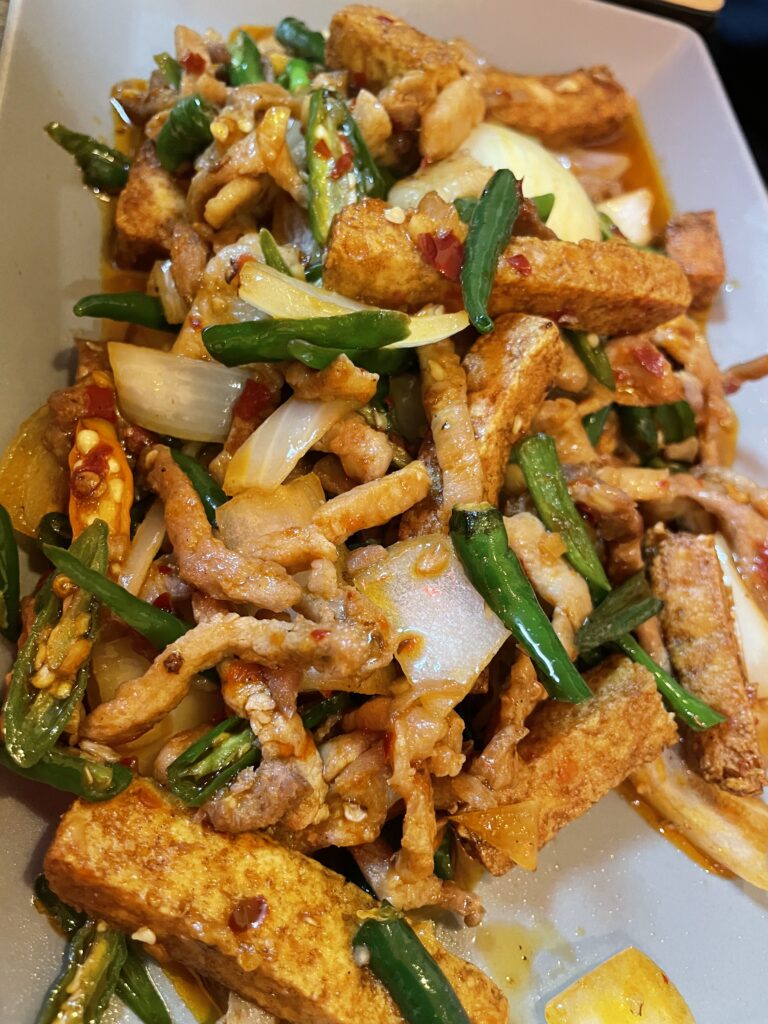
    A good example is Rou Chao Gan Dou Fu (肉炒干豆腐), or Stir-fried Pork with Dried Tofu. This dish includes tender slices of pork, crunchy strips of dried tofu, sharp onions, and small green chilies that add a bit of heat. The tofu has a firm, chewy texture, contrasting nicely with the tender pork and the crisp onions.

    Paired with rice, these wholesome dishes are ideal for a simple, solo meal and come at a reasonable price.

    To show just how authentic and local Lijianger truly is, they also offer what some might call “culinary nightmares” (or hellish dishes). These dishes come with intense flavors or strong smells that can be hard for many to handle, but those who love them find them utterly fascinating. You’ll rarely find these dishes in overseas Chinese restaurants because they’re perhaps too authentic to be widely popular.

    But don’t worry—if you happen to order one, the experienced waitstaff, familiar with European preferences, will kindly “warn” you that it might be too much for your palate and give you a chance to reconsider. For the seasoned Asian food fans, however, here’s a breakdown of some of these bold dishes—just in case you’re feeling curious or ready to get adventurous!

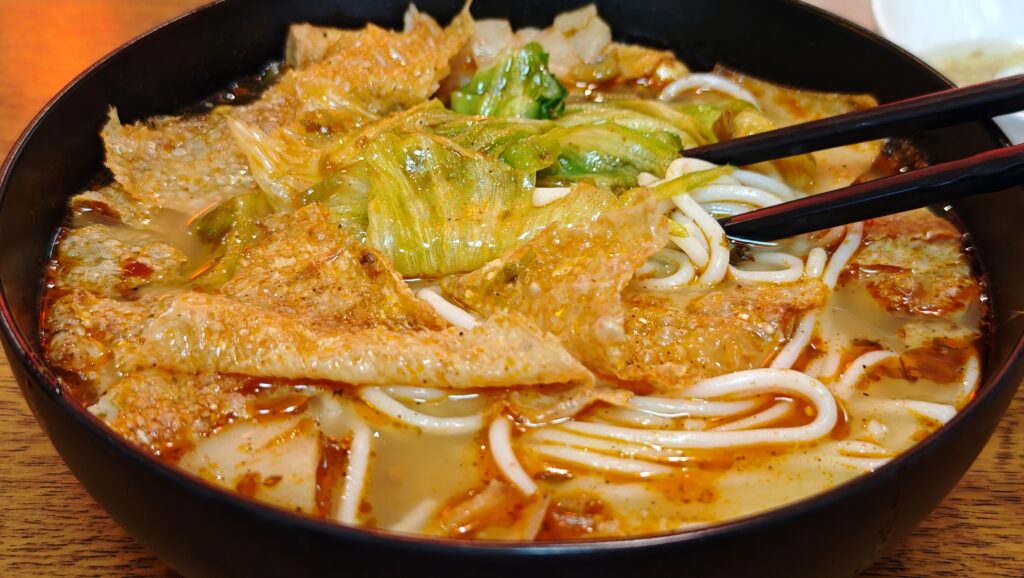
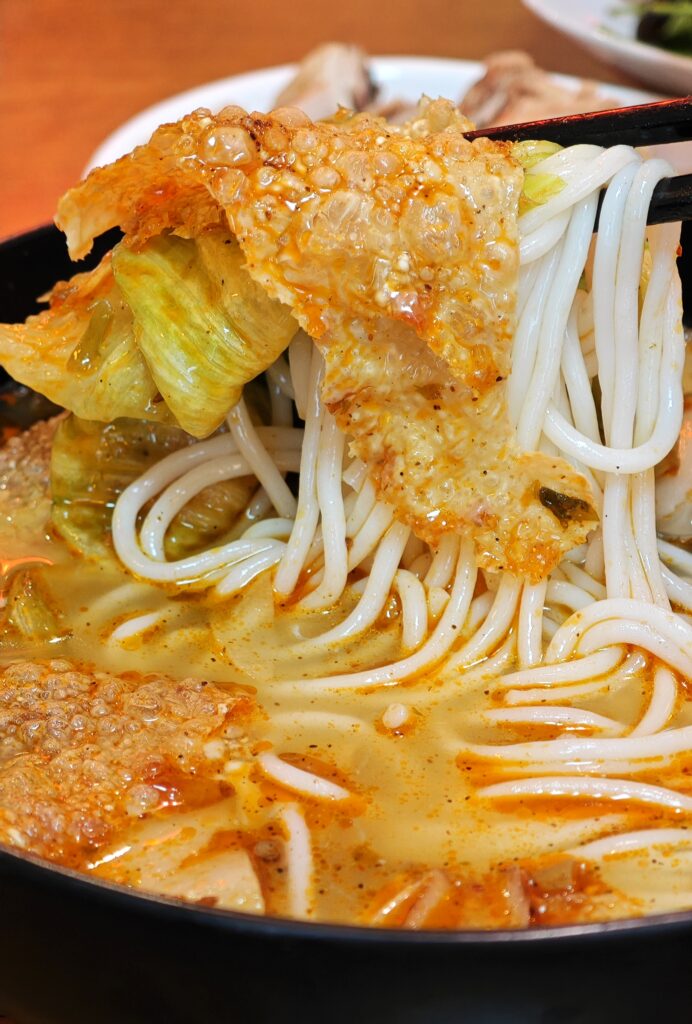
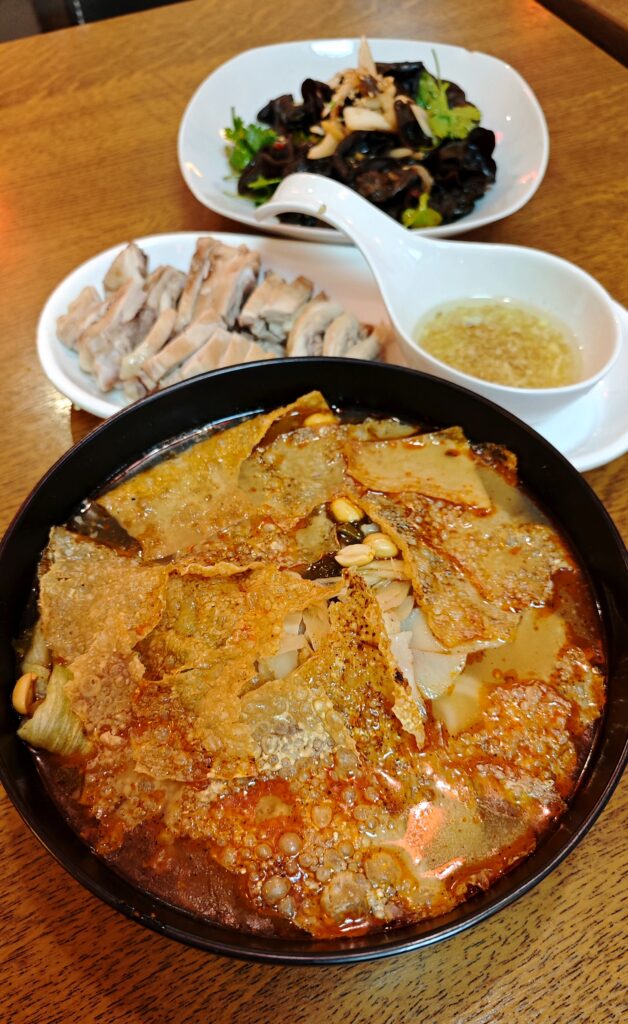
    Luo Si Fen (螺蛳粉), or River Snail Rice Noodles, is a beloved specialty from Guangxi, China, and has earned its place on the National Intangible Cultural Heritage List since 2020. Famous for its bold and unique flavor, the magic of this dish lies in its one-of-a-kind broth.

    The rich, aromatic soup is crafted by simmering river snails with an enchanting blend of spices, including galangal, star anise, cinnamon, cloves, and various chilies. Although the snail meat is discarded after the broth is made, as all the essence has been extracted into the soup, the resulting flavor is deeply savory and full of umami.

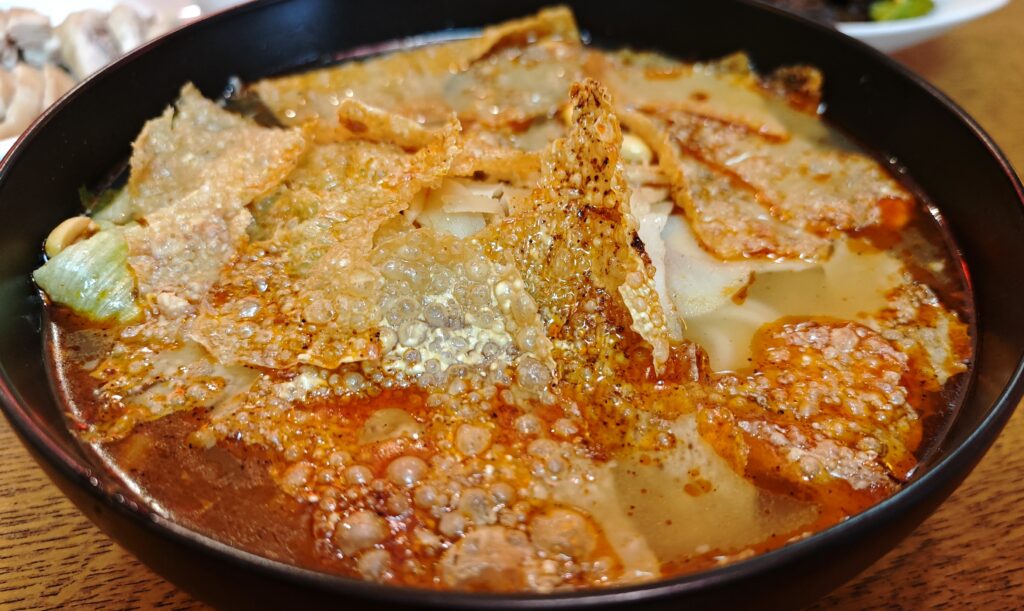
    Served over smooth rice noodles, Luo Si Fen is topped with pickled bamboo shoots, crunchy peanuts, crispy fried tofu skin, fresh cabbage, etc.

    Luo Si Fen is a love-it-or-hate-it dish largely because of its strong, distinct flavors and aromas. Many are put off by the pungent smell, particularly from the pickled bamboo shoots (酸笋). They have a fermented sharp, sour aroma that’s sometimes described as “stinky” in a similar way to durian or certain types of cheeses. The spicy, sour, and umami flavors can also be quite intense. The pickled and fermented elements combine with hot chili oil and strong spices, creating a flavor explosion that can be too much for those with milder tastes.

    On the other hand, those who really like Luo Si Fen often love it for these very reasons. The intense aroma and strong taste create a unique sensory experience. I personally enjoy the contrast of the sour bamboo shoots with the rich, spicy broth and crispy toppings like fried tofu skin. If you like bold, adventurous flavors, Luo Si Fen is a must-try – with its thrilling mixture of tanginess, heat, and umami, all anchored by a deeply flavorful broth.

    Chou Dou Fu (臭豆腐), or Stinky Tofu, is a popular fermented snack from regions like Changsha, Hubei, Nanjing, Shaoxing, and Taiwan. Each region has its own way of preparing and serving it. Lijianger’s version features a crunchy, golden exterior with a soft, creamy center. It’s topped with fresh green onions and cilantro, and served with a deeply flavored broth.

    While its strong, pungent aroma might catch you off guard, the tofu itself has a surprisingly mild taste with a ripened tang and an earthy richness. It absorbs the seasoning and broth, providing a tangy, garlicky, spicy and savory flavor, with a hint of umami. Though its smell may deter some, those who enjoy it find the combination of bold flavors and crispy texture absolutely addictive.

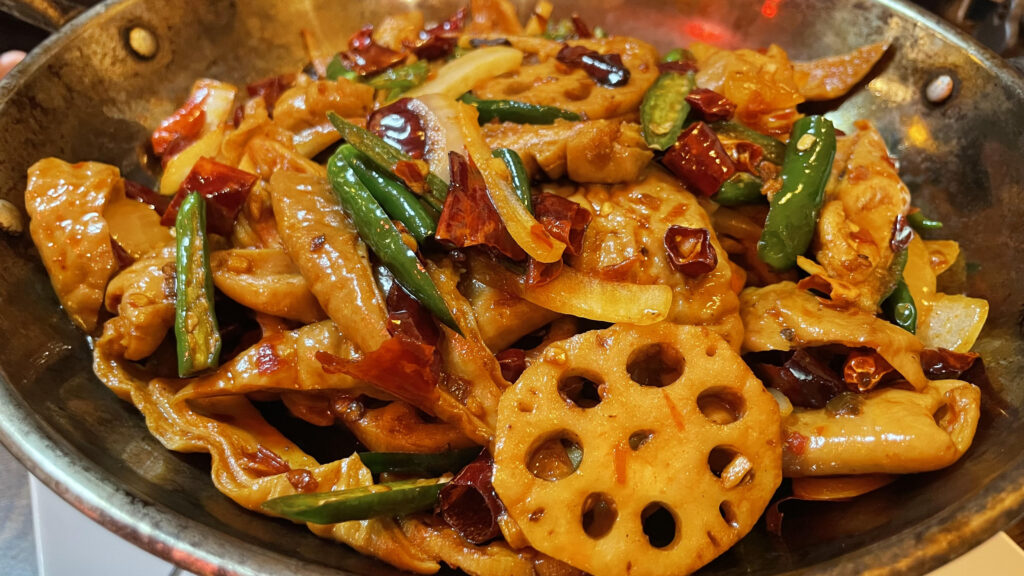
    Gan Guo Fei Chang (干锅肥肠), or Dry Pot Pork Intestines, is a robust, savory dish that’s packed with heat and spice. Stir-fried with dried chilies, fresh green peppers, onions, and lotus root, it delivers a fiery kick alongside tender bites of pork intestines. The intestines themselves have a slightly chewy, rich texture, absorbing the spices while offering intense, umami-filled taste.

    The intestines aren’t overly fatty, but rather well-seasoned and hearty without being greasy. Its strong, distinct flavor and chewy texture may be an acquired taste, but for those who love rich, spicy food, the soft, succulent pieces, bright red hue, and deeply fragrant aroma make this dish truly irresistible.

    Beyond its famous Luo Si Fen, Lijianger offers a wide variety of rice noodle dishes, from hearty beef to light seafood, minced pork, and fish noodles, with flavors ranging from spicy and sour to delicate and mild. The menu is also filled with specialties like Lemon Beer Duck (柠檬啤酒鸭), spicy clams (麻辣花蛤), Sichuan classics like poached beef or fish in chili broth (水煮牛肉/鱼), spicy numbing stir-fry pot (麻辣香锅), and an assortment of dim sum (点心) and comforting congees (粥).

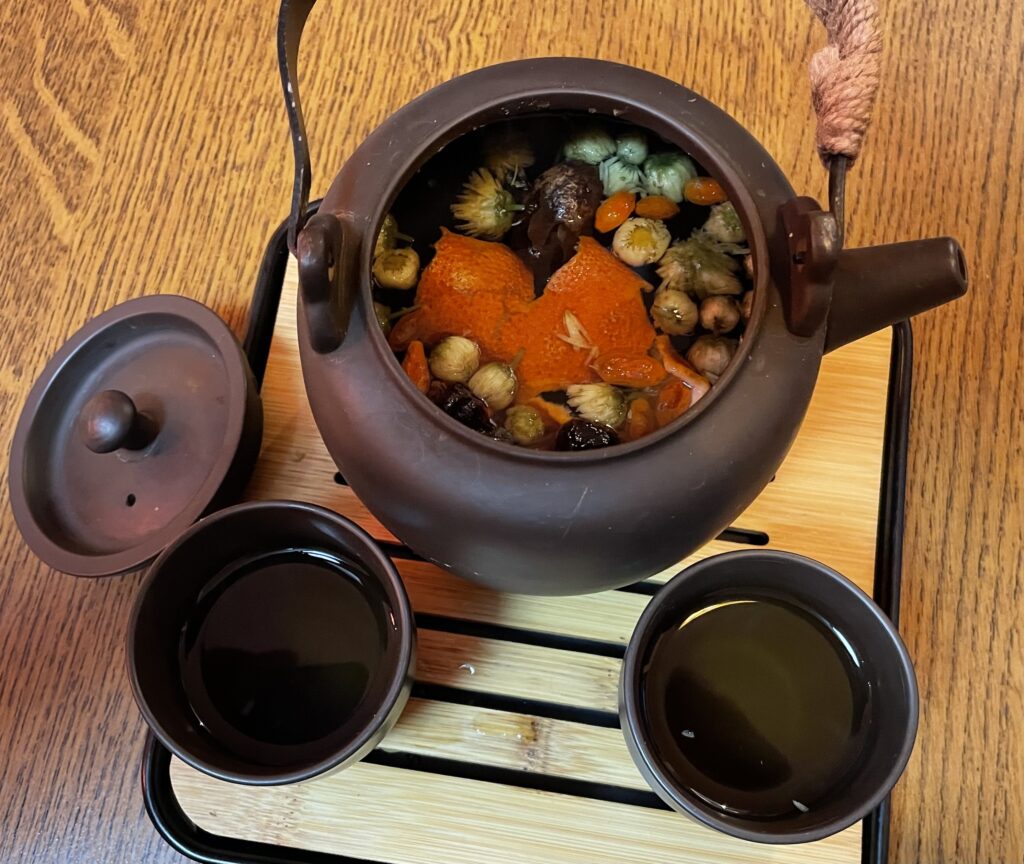
    For drinks, they have a good selection of Chinese teas, featuring an array of fragrant brews infused with various flowers and herbs. They’re quite healthy and mild in flavor. With a pot priced at around 5 euros, it’s good to share among 2-3 people.

    In the soft glow of evening, as the world outside fades, there’s something deeply comforting about settling down for a quiet, peaceful meal. It’s in these moments that you may remember the gentle advice from family: no matter how ordinary the day, always take time to eat well. The elders often say: to nourish yourself with good meals, while embracing each passing season, is life’s most profound practice – a quiet mastery of living. No matter the achievements, a healthy body is life’s greatest asset. And that strength, that vitality, is found not in grand gestures, but in the warmth of everyday meals, amidst the everyday hum of life.

    Outside, the weather may be dreary—fall slipping away, with the sudden chill of damp air creeping in. But when the stomach finds comfort in a steaming bowl of noodles or a well-balanced dinner, the heart, too, begins to feel at ease. It’s these small, unremarkable moments that make a day beautiful.

  • Mangetsu: Savoring Japan’s Culinary Traditions under the “Full Moon”

    Mangetsu: Savoring Japan’s Culinary Traditions under the “Full Moon”

    Today we’re thrilled to introduce you to an authentic Japanese restaurant that has been operating in Frankfurt for years: Mangetsu, which translates to “full moon.” It’s common in Japan to name places after elements of nature, like the moon or mountains, as they hold poetic beauty and deep cultural significance. The full moon, symbolizing beauty, perfection, and a sense of calm in Japanese culture, is often linked to traditional celebrations like Tsukimi (moon-viewing), where people appreciate the beauty of the full moon in autumn. Also representing cycles, renewal and a moment of reflection, this thoughtful name adds a serene touch to Mangetsu’s ambiance.

    With seating both indoors and outdoors, Mangetsu offers a comfortable dining environment, whether you prefer the cozy bar or a tranquil spot in their spacious courtyard, surrounded by neatly trimmed trees and umbrellas for shade or shelter. On a nice day, there’s nothing more pleasant than enjoying a selection of Japanese delicacies in this peaceful setting. Known for its dedication to tradition, Mangetsu cares a lot about delivering authentic flavors, using the time-honored techniques of Japanese cooking.

    Restaurant Profile

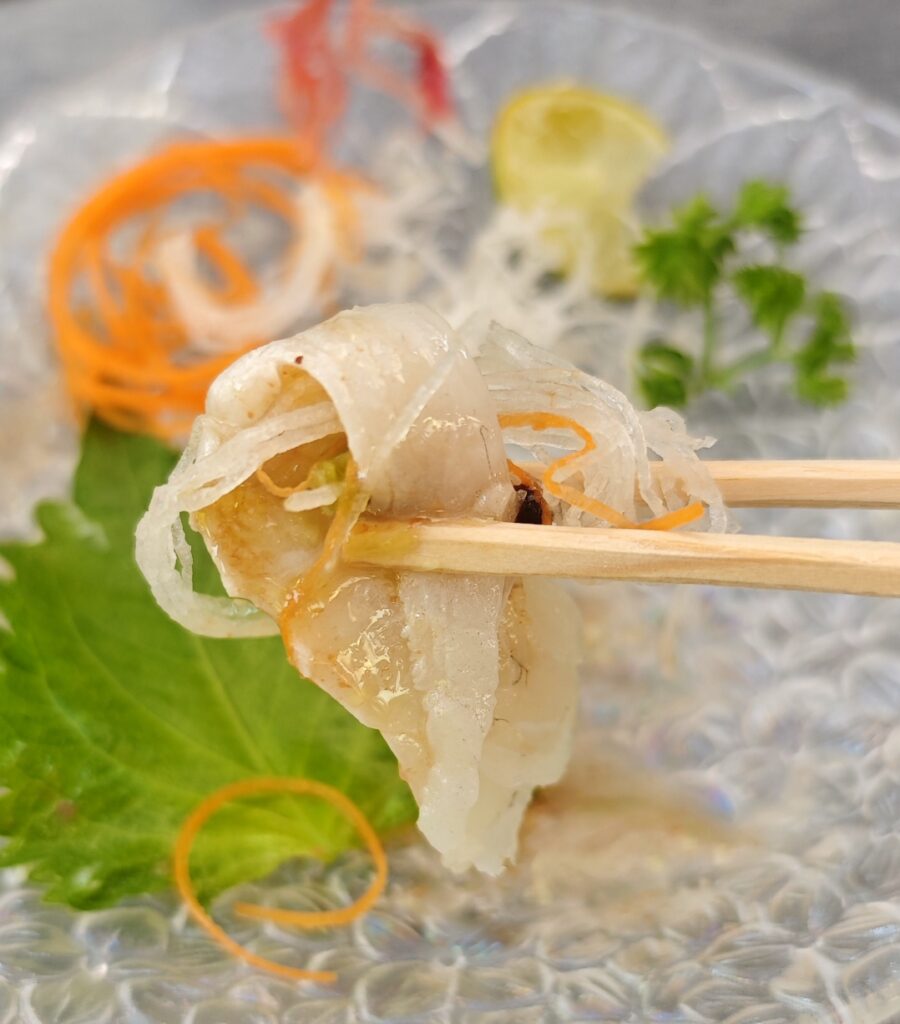
    Mangetsu offers a wide variety of sashimi dishes that can be enjoyed in many different ways. You can opt for an extensive sashimi plate, enjoy a few slices atop a fresh salad for a light meal, or start with a small portion as an appetizer. Among the diverse selection of fish, including tuna and salmon, we find their Flounder Carpaccio particularly exceptional.

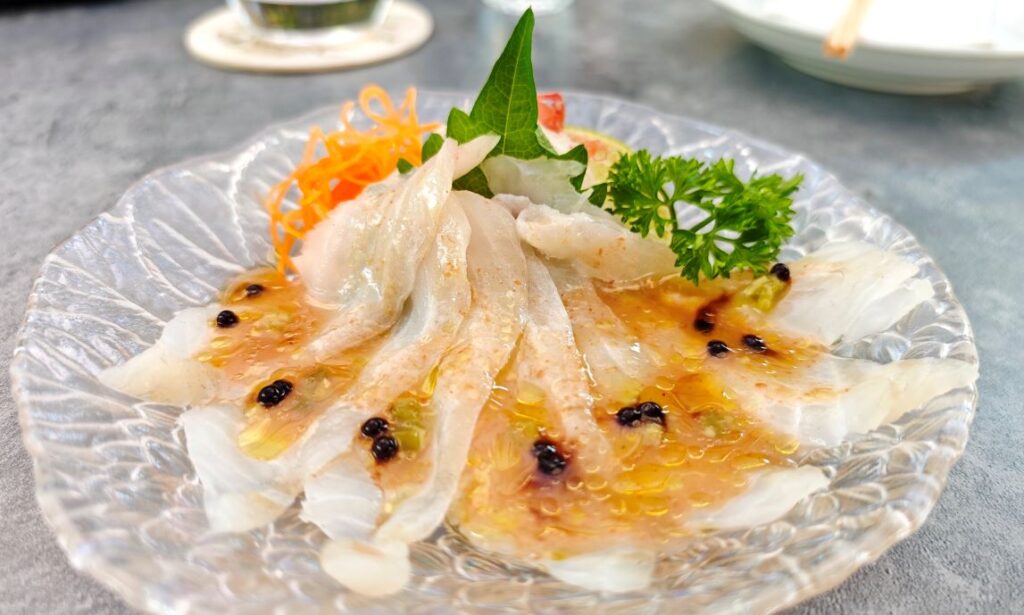
    Flounder Carpaccio is a delicate Japanese sashimi dish that highlights the fresh, natural flavors of the fish. The flounder is served in paper-thin slices, flaunting its tender texture and clean, yet rich, fish flavor. Topped with a tangy variety of caviar, it adds an elegant pop and subtle brininess.

    A light drizzle of olive oil enhances the silkiness of the flounder, while the hint of sourness, likely from vinegar and ponzu soy sauce, gives the dish a refreshing balance. When you wrap each slice with caviar pearls and crisp daikon and carrot strips, each mouthful becomes a light, slightly tangy indulgence —exactly what great sashimi should taste like: fresh, balanced, and pure.

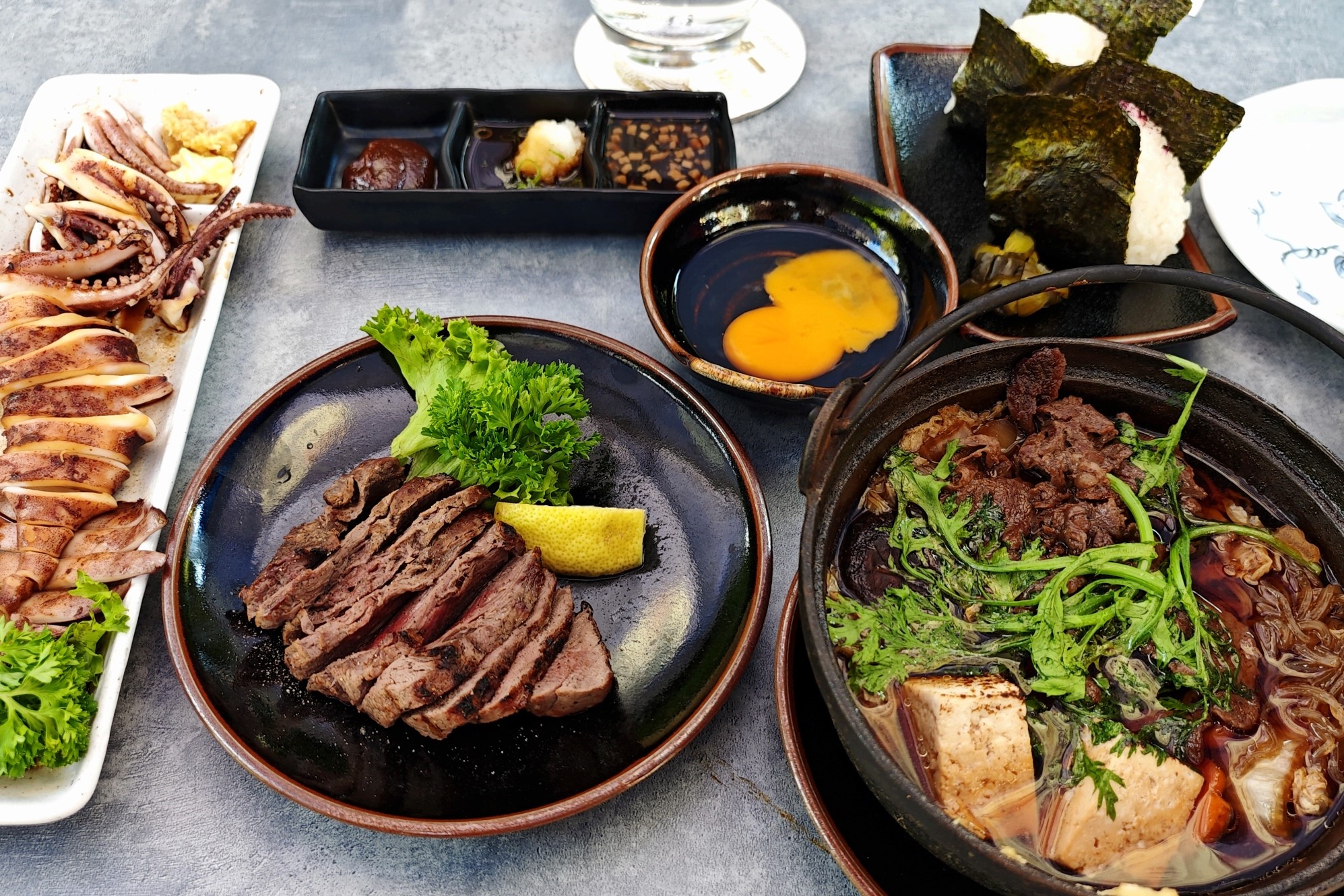
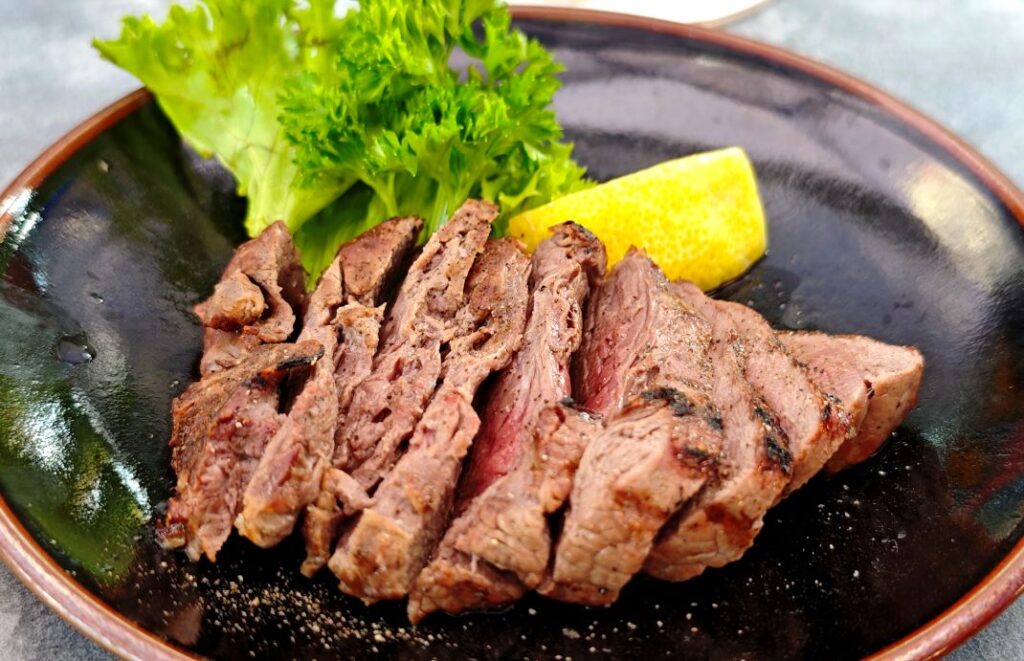
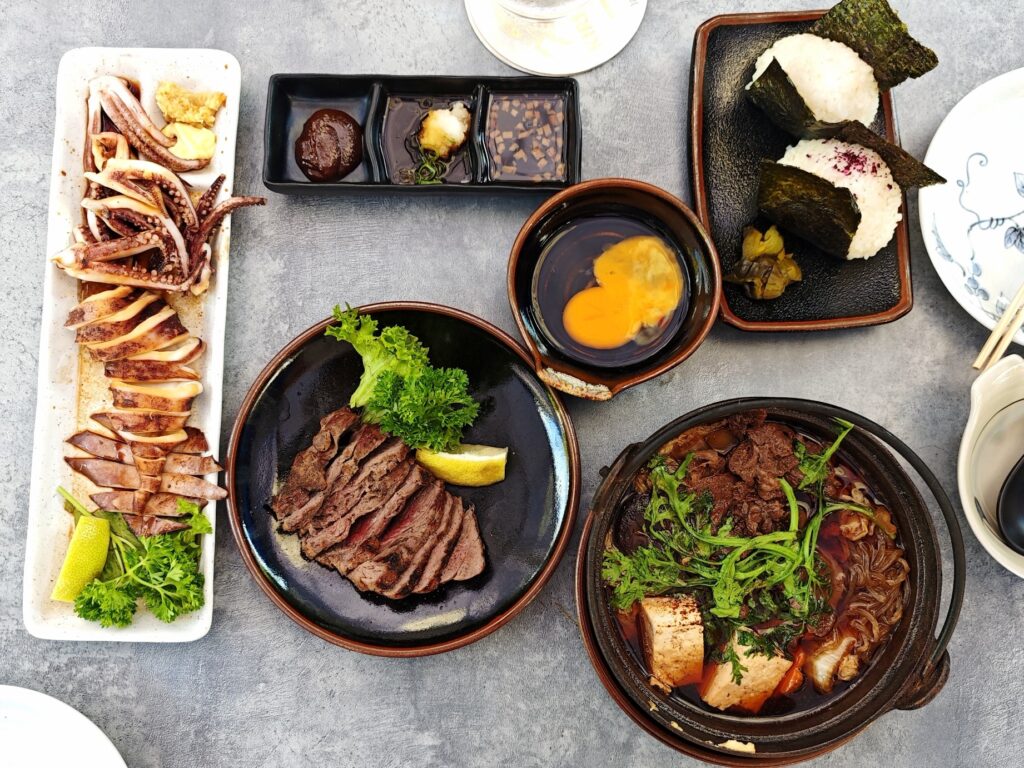
    After enjoying the light and refreshing flavors of sashimi, it’s time for something heartier: Beef Tenderloin (150g), a tender steak sliced into 10 savory pieces, each seasoned simply with salt and pepper and cooked to a perfect medium doneness—lightly charred on the outside and juicy with a slight chew inside.

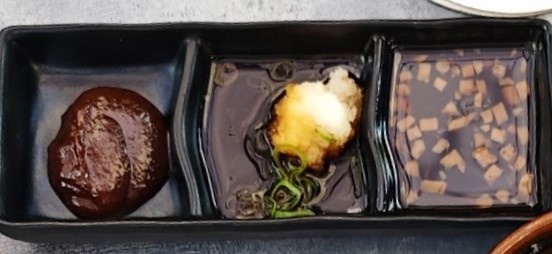
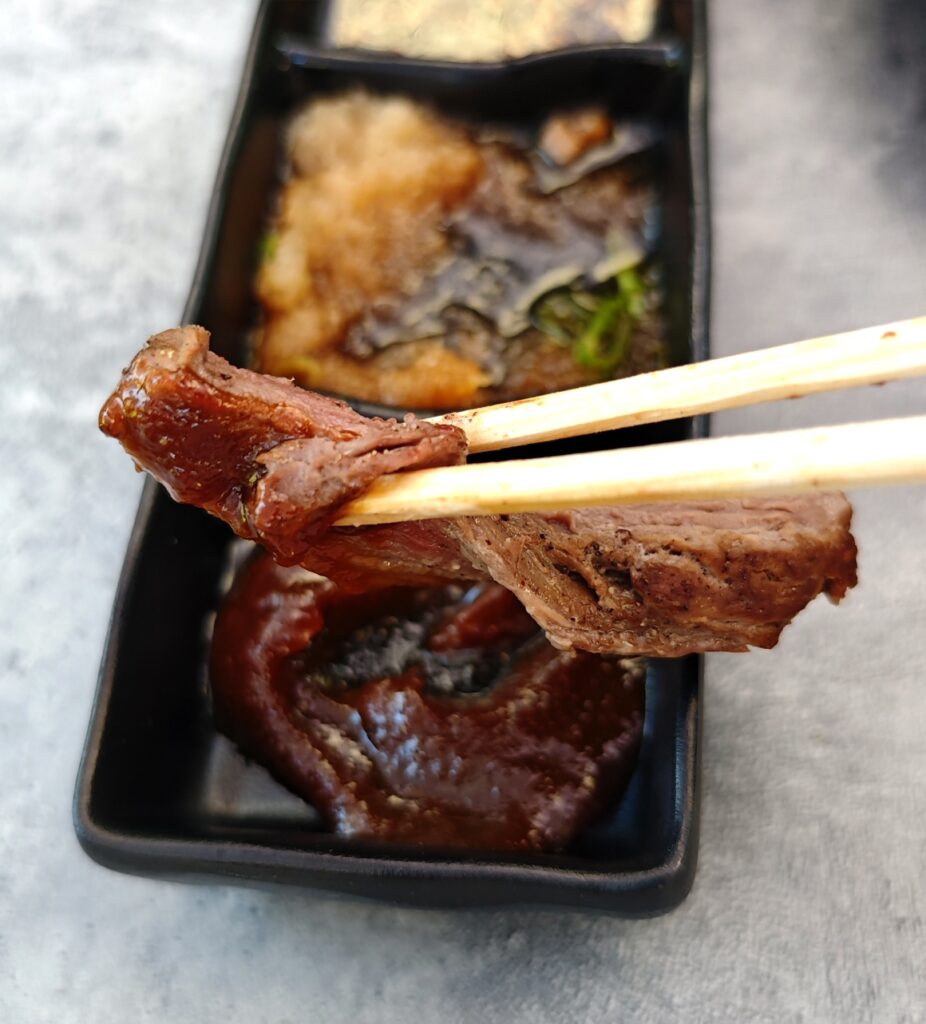
    The dish comes with three distinct sauces, each bringing a unique taste to each bite. The daikon sauce in the center delivers a bold, tangy punch, cutting through the richness of the beef. On the right, a mildly sour ponzu sauce with a garlicky kick adds brightness, while the left-side sauce – a smoky and mildly sweet take on teriyaki sauce – provides a smooth finish. Each sauce has its own flair, enhancing the beef’s naturally rich flavors and creating a satisfying, layered experience.

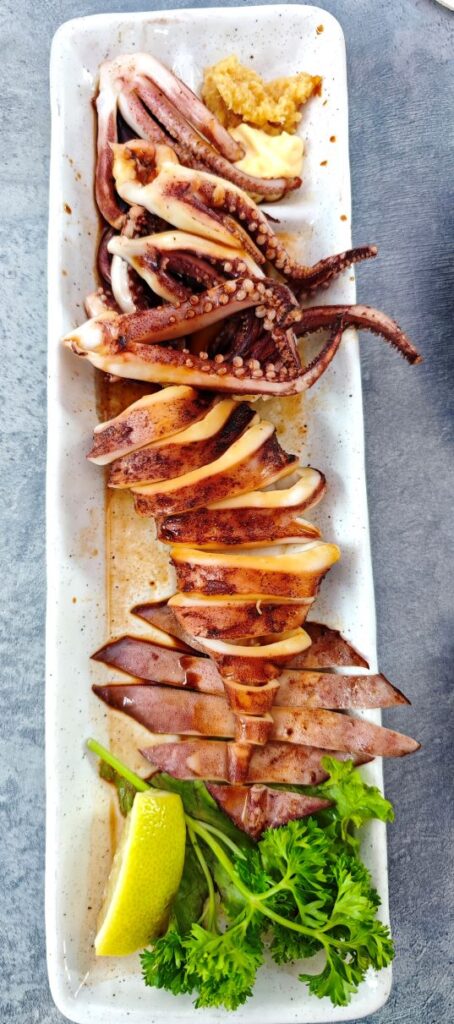
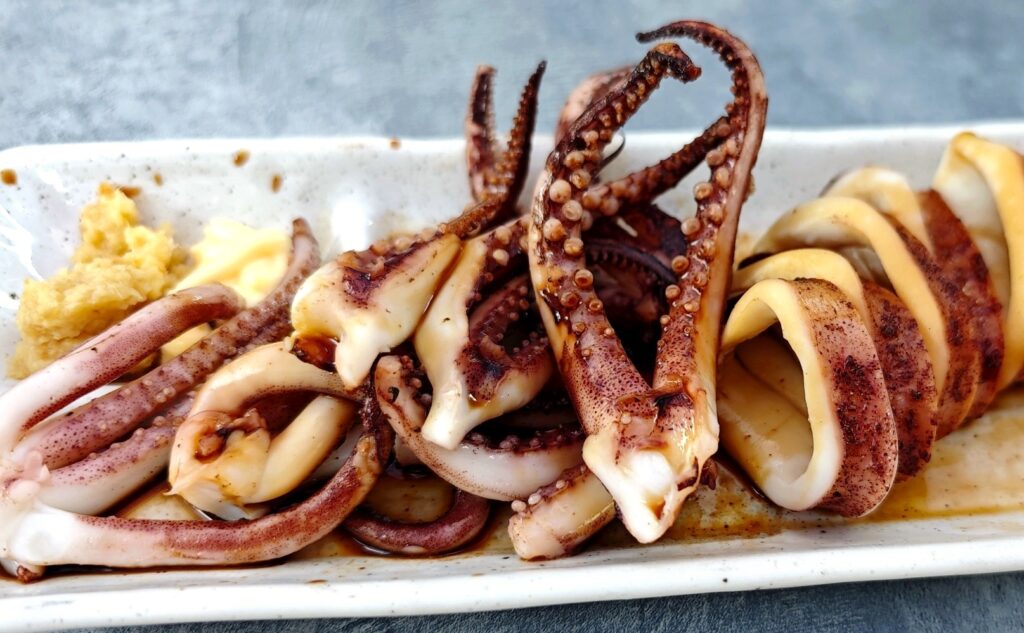
    Aside from the steak, Mangetsu offers a variety of authentic Japanese grilled dishes, from mackerel to seafood and poultry. One standout we often order is Ika Yaki, or grilled squid.

    This dish is paired with a creamy Japanese mayo and ginger paste, adding a zesty kick to the rich, slightly sweet flavors of the squid. The squid is lightly brushed with soy sauce and miso while grilling, enhancing its natural brininess with a hint of umami. It’s tender yet slightly chewy, with just the right amount of bite. Each mouthful combines the savory, subtle smoky notes from the grill with the smoothness of the mayo and the bright spice of ginger, making it light yet very flavorful.

    Grilled foods are favored in Japanese cuisine for being low in oil and relatively healthy. With simple seasonings that highlight freshness, this dish shows how grilling delivers a tasty meal without heavy sauces or excess fat – a good example of Japan’s health-conscious food culture.

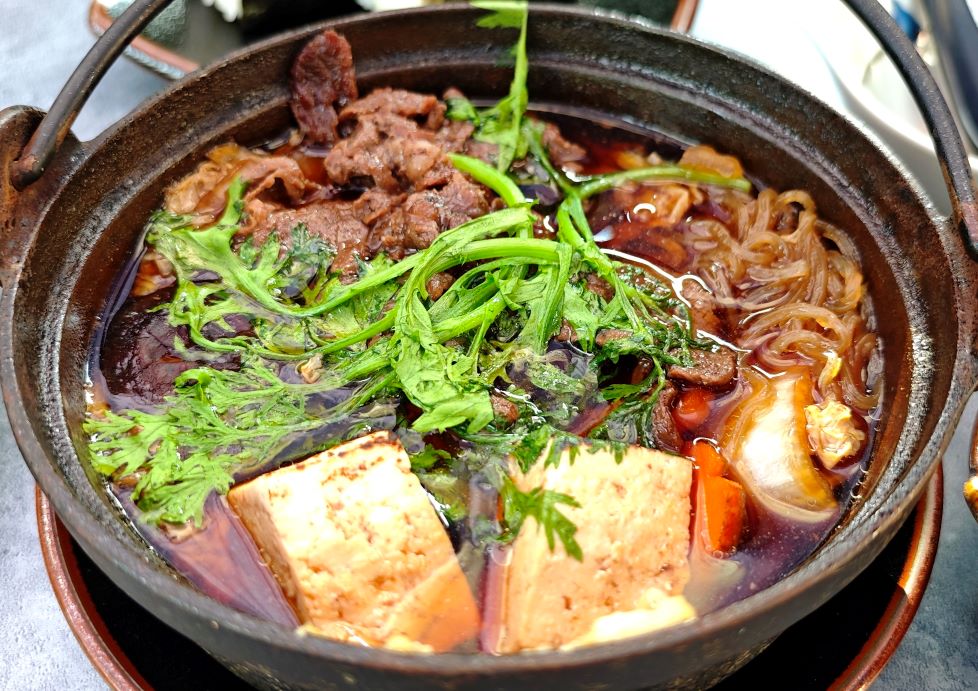
    Sukiyaki is a traditional Japanese hot pot dish featuring thinly sliced beef, tofu, mushrooms, Chinese cabbage, leeks, glass noodles, tonghao (crown daisy), onions, and carrots, all simmered in a sweetened soy sauce broth. The vegetables absorb the sweet and savory flavors of the broth, becoming tender while retaining a delightful crunch.

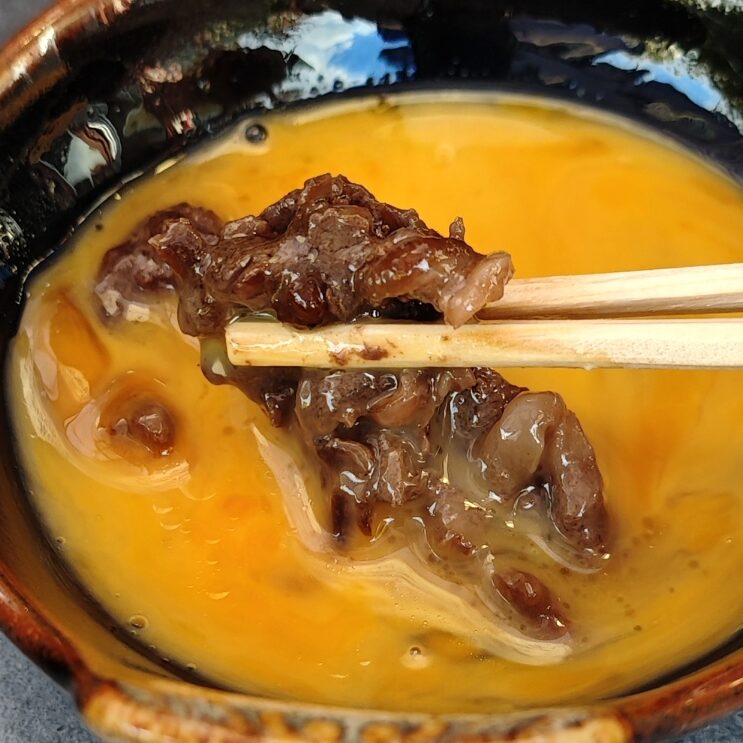
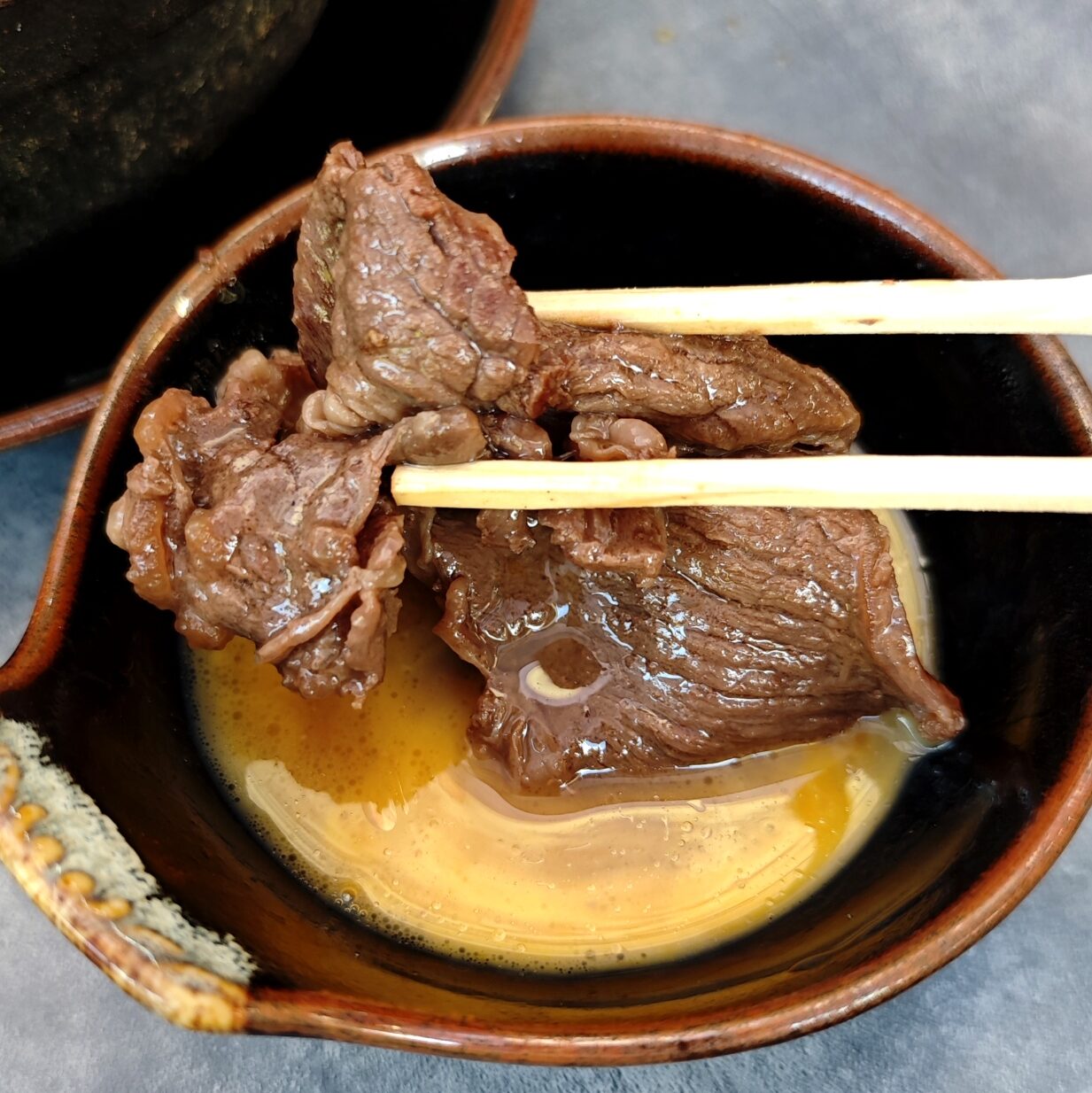
    What really elevates this dish is the ritual of dipping the freshly cooked beef into raw, beaten egg before eating. During my visit to a cozy hot pot restaurant in Japan, I had the pleasure of experiencing hot pot with farm-fresh ingredients. The bright orange yolks – a sign of high-quality, well-nourished chicken eggs— coated the juicy beef with a buttery, luxurious silkiness, creating an indulgence I had never experienced before and still think about to this day.  

    Now, this authentic way of enjoying sukiyaki is also available at Mangetsu. Their fresh egg dip is rich and smooth, without any off-putting smell. Once dipped, it forms a layer of creaminess that mixes seamlessly with the sweet umami soy sauce while softening the slightly chewy, tender beef slices. Each bite becomes velvety and luscious. There’re no overpowering flavors – just a perfect blend of sweet, umami and creamy notes that melt together beautifully.

    Many diners who enjoy Japanese cuisine often like to focus on small dishes, rather than filling up quickly on a large main course. This way, they can experience a variety of flavors and ingredients in one meal—whether it’s grilled dishes or sashimi. However, after sampling all the delicate plates, there’s often a little room left for something more solid. That’s when we like to finish with rice balls.

    At Mangetsu, the rice balls come in a pair, each wrapped in crisp seaweed—the same kind typically used for sushi rolls. One is filled with freshly grilled salmon for a warm, savory bite, while the other is filled with salted plums. The plums offer a bold contrast with their floral aroma, a punch of tartness, and a touch of salt, creating a strong, refreshing flavor. Together, these rice balls are both satisfying and comforting, making them the perfect way to round out a meal and settle all the preceding flavors in the stomach.

    Beyond the dishes already mentioned, Mangetsu also features a lunchtime menu with dishes like sushi, sashimi, warm noodle soups, and more, priced between 12 to 20 euros. They have an impressive selection of small delicacies, such as fried chicken, squid, and tofu, as well as grilled skewers with vegetables or meat. For sushi lovers, they offer various types of nigiri and sushi rolls with creative combinations, alongside grand sashimi platters. You’ll also find a variety of noodle dishes like soba and ramen.

    In 2013, UNESCO declared Japanese cuisine (Washoku) an Intangible Cultural Heritage, further solidifying its global popularity. On China’s top food platforms, Japanese food often tops the list as the nation’s favorite, even surpassing many popular local dishes. Mangetsu cherishes the traditional way – elegant presentation and an emphasis on nutrition and freshness. With minimal seasoning, you can often taste the purity of the food’s natural flavor, making you feel like almost rhyming with nature itself. With its diverse menu offerings, Mangetsu can easily be a go-to spot whenever you’re craving a bite of authentic Japanese food.

  • Bites of Korea: Exploring SEOULFOOD’s Street Eats and More

    Bites of Korea: Exploring SEOULFOOD’s Street Eats and More

    If you’re a fan of discovering hidden foodie havens, you’re in for a treat! Today, we’re excited to introduce a slightly underrated yet absolutely delectable Korean snack bar. Don’t let its small size fool you—this cozy spot serves up some of Korea’s most popular street foods like duk-bok-ki (spicy rice cakes), along with household favorites such as dolsot (stone pot bibimbap) and a variety of kimbap rice rolls.

    Korean street food, or bunshik (粉食), usually refers to flour-based treats like steamed dumplings and ramen, but this restaurant also offers a fantastic selection of lighter, non-flour-based snacks like kimbap. The best part? It’s quite affordable, offering hearty meals that don’t compromise on flavor. You can find these small eateries all over Korea, often serving locals who pop in for a quick, flavorful bite—whether it’s a casual lunch or a late-night craving.

    Restaurant Profile

    This little gem is run by Koreans and frequented by locals, so you know you’re in for an authentic experience. And yes, many Koreans love their food spicy, and this place doesn’t shy away! But don’t worry—if spice isn’t your thing, they have milder options or adjustable sauces. With a menu full of deliciousness, it’s hard to go wrong here. Let us walk you through a few of our favorites!

    Let’s start with something small yet inviting: the S4 Gimmari. This delightful Korean snack is vegetarian and made with delicate egg skin and seaweed, encasing a filling of glass noodles.

    The outside is wonderfully crispy, while the inside remains soft and tender. For this dish, the vinegar-soy dip is a classic pairing. Blended with a touch of sugar and sesame oil, this sauce strikes the perfect balance of savory, sweet and sour notes, enhancing the subtle sweetness and umami of the filling beautifully.

    Next up is a dish that packs some serious heat: Jjamppong, one of the signature dishes at SEOULFOOD. This spicy kimchi noodle soup features tender noodles swimming in a red broth made from pickled napa cabbage (kimchi) and a fiery blend of chili powder.

    But it’s not just heat—it’s a deep, smoky spiced flavor that lingers. The broth begins with a rich, savory stock, similar to a pork bone soup, giving it a robust base. The kimchi adds a tangy, fermented sourness that cuts through the richness, while a subtle sweetness from sautéed vegetables rounds out the spice. The final layer comes from the briny taste of fresh seafood like shrimps, calamari, octopus, mussels and clams, adding a depth of umami. It’s bold and brimming with flavor, definitely a dish for those who love a bit of a kick in their meal!

    Kimbap (Korean rice rolls) may look like sushi at first glance, but the experience is entirely different. Unlike sushi, kimbap rice is seasoned with sesame oil and salt, giving it a richer, nuttier flavor. The fillings are usually cooked or pickled, not raw, and the rolls are packed with hearty ingredients like meats, eggs, and vegetables. A spot-on example is the K3 Jeyuk Kimbap we tried.

    Inside the seaweed wrap, you’ll find tender pork marinated in a spicy chili sauce, paired with crunchy pickled radish, crisp cucumber, fluffy egg, sweet carrots, and seasoned white rice. Each bite brings a pleasant mix of sweet, spicy, and savory, with the refreshing crunch of the vegetables enhancing the soft, flavorful pork. It’s not overly spicy—just enough to give a gentle, warming heat that makes it both soothing and satisfying.

    Ramyun, the popular Korean instant noodles, is a staple at any Korean snack shop, known for its bouncy, chewy texture and bold flavors. At SEOULFOOD, you can customize your ramyun by adding ingredients like kimchi, dumplings, or eggs. We opted for dumplings.

    The noodles come coated in a spicy seasoning powder that delivers a punch of heat right from the first bite. The vegetarian flakes and meat extracts mixed in add a subtle depth, blending the spice with savory umami flavors. The broth itself is rich, with warm, tingling sensation that many find addictive, especially those who love heat.

    The dumplings, filled with a combination of minced vegetables and glass noodles, are soft and appetizing. Pairing this dish with a roll of kimbap is a classic move—tempering the spiciness of the Ramyun and creating a balance of flavors.

    Dolsot, the main offering at SEOULFOOD, is one of Korea’s most iconic and comforting dishes – a sizzling version of bibimbap (mixed rice dish) served in a hot stone bowl that keeps the food warm while creating that crispy layer of rice at the bottom. It’s topped with seasoned vegetables like carrots, bean sprouts, zucchini, pickled radish, long green beans, and a raw egg that cooks as you stir everything together.

    At SEOULFOOD, you can customize your dolsot with a variety of ingredients.

    For the base, you can choose between white, black, or fried rice. Black rice is the healthier choice, with a chewy texture, mild sweetness, and a deep purple hue. Not only does it look good, but it’s also packed with more nutrients and antioxidants than white rice, making it a great option if you’re after something heartier and healthier.

    Toppings are very tempting: beef, pork, chicken, tofu, kimchi, salmon, or seafood, available for a small surcharge. The traditional beef and kimchi combo offers a delicious mix of savory and tangy flavors—the tender, marinated beef brings a rich umami taste, while the kimchi adds a spicy, fermented sourness that balances the richness.

    SEOULFOOD also offers a variety of sauces to complete the dish. Chokohot delivers deep chili heat with a smoky undertone, while Citrus-Soy gives you a tangy, umami kick. Cucumber-Wasabi is refreshing with a sharp, spicy kick from the wasabi, while Sesame provides a nutty, toasted flavor that adds depth. For spice lovers, we’d recommend Kohot. It’s a bold, fiery option that adds lingering heat, perfect with the marinated beef and crispy rice. If you prefer something milder, Ssamjang, one of the classic condiments, is a savory paste with a mild spice, offering a rich, earthy flavor that pairs well with the vegetables and rice.

    The beauty of Dolsot is its versatility. You can mix and match ingredients—like tofu for a vegetarian version or seafood for a lighter take—and still enjoy a hearty, wholesome meal filled with nutritious vegetables and protein.

    Duk-bok-ki is a cherished Korean street food consisting of chewy long rice cakes, tender fish cakes, and fresh spring onions, all simmered in a sweet and spicy sauce.

    The magic of duk-bok-ki lies in its sauce, made from gochujang (Korean chili paste), sugar, and various seasonings. This sauce delivers a unique sweet-spicy flavor, with a rich depth that makes every bite both fiery and exhilarating. The glossy sauce clings beautifully to the chewy rice cakes and soft, spongy fish cake, enhancing their natural flavors. The subtle sweet, briny fish flavors complement the bold sauce, while the spring onions add a refreshing sharpness that brightens the dish. This appetizing creation is a must-try for anyone eager to explore the lure of Korean street food!

    Japchae is a beloved Korean noodle dish. Made with stir-fried glass noodles (called dangmyeon) and a colorful array of vegetables including carrots, bean sprouts, spinach, and green beans, it’s a vegan dish that’s full of flavor.

    The noodles are soft, yet impressively elastic, fully absorbing the soy sauce without breaking, giving them a rich umami and a unique chewiness. What sets Japchae apart is its peppery, savory flavor, complimented by the natural sweetness of the vegetables. It’s both light and comforting – ideal for anyone who prefers milder meals.

    Bulgogi and Korean fried chicken are practically household names in Korean cuisine. Bulgogi, known for its tender, marinated beef, brings a rich, sweet, and savory flavor. The marinade, made with soy sauce, garlic, sugar, and sesame oil, gives the beef a slightly smoky, caramelized taste that’s very enticing. The Korean fried chicken, on the other hand, is crispy on the outside and juicy on the inside, with a sweet yet spicy kick.

    At SEOULFOOD, you’ll find plenty of rice dishes paired with bulgogi, fried chicken, tofu, seafood, or pork at your choice.  

    But here’s a tip: if you want both bulgogi and fried chicken in one go, check out the G3 Best of Both. You’ll get tender bulgogi alongside crispy chicken on one plate. It’s served on a bed of crispy fried potato chips with your choice of spicy chili sauce, yogurt sauce, or both. If you prefer rice – you can swap it in, just like we did. It’s a terrific way to enjoy both classics in a single dish!

    SEOULFOOD delights with a tempting array of Korean street food worth trying, including Gunmandu (Korean dumplings), Kimchi Jeon (savory kimchi pancakes), and Yachae Tykim (fried vegetable pancakes). Their main dishes, like Bibimbap (a mixed rise bowl) and Kimbap (Korean rice rolls), excellently embody the Korean nutritional philosophy of “five colors and five flavors,” which encourages incorporating a variety of colorful foods into everyday diet. You’ll also find various soups—spicy or mild, with or without meat—available in large or small sizes, well-suited for pairing with main noodles or rice dishes for a comforting meal. With reasonably priced options and a great selection of iconic dishes, this cozy little eatery makes it very easy to explore the rich flavors of Korean cuisine.

  • Noodles Bar: A Cozy Spot for Authentic Chinese/Asian Noodles in Frankfurt

    Noodles Bar: A Cozy Spot for Authentic Chinese/Asian Noodles in Frankfurt

    When it comes to go-to Chinese noodle spots in Frankfurt, most will immediately think of The Noodlemaker —and for good reason. It’s a popular spot, known for its delicious flavors and authenticity. But a boutique metropolis like Frankfurt, though small in size, certainly offers no shortage of great and flavorful options. So today, we’re taking you to another cozy little noodle haven called Noodles Bar. It might not be on everyone’s radar, but once you try it, you’ll wonder how you ever missed it.

    With homemade noodles, rich, aromatic broths, and fresh, local ingredients complemented by authentic spices straight from China, if you like authentic Asian noodles, Noodles Bar might just become your new favorite. Let’s dive into some of their best dishes and see why this place deserves a spot on your must-try list.

    Restaurant Profile
    • Name of the Restaurant: Noodles Bar
    • Adress: Fahrgasse 86, 60311 Frankfurt am Main
    • Style: Chinese Cuisine – Homemade Noodles, Dim Sum
    • Price: around 15 – 25 EUR per Person (incl. Drinks and Tips)

    Their menu goes beyond just noodles—they also serve delicious wontons, dim sum and, of course, a selection of cold appetizers and side dishes. In Chinese cuisine, pairing hot noodles with cold appetizers (liángcài, 凉菜) is a beloved tradition, a way of balancing flavors and textures, reflecting the Chinese philosophy of harmonizing yin (cooling) and yang (warming) elements in a meal. Before we delve into the noodles, let’s take a moment to check out some of their outstanding liángcài!

    Mouthwatering Chicken, or Kǒushuǐ Jī (口水鸡), true to its name, is an absolute flavor bomb. This iconic Sichuan cold appetizer features a whole tender, poached chicken leg, perfectly chilled and soaked in a ruby-red sauce. Its incredible succulence is the ideal match for the rich, spicy sauce that envelops it.

    The sauce itself is a masterwork, combining the numbing kick of Sichuan peppercorns with the fiery warmth of chili oil, enriched with garlic, soy sauce, and a hint of black vinegar. It’s spicy, tangy and savory. Toasted sesame seeds and crushed peanuts add a nutty crunch, while fresh cilantro brightens up each bite. With its irresistible combination of málà (numbing and spicy), xiān (savory and aromatic), and just a touch of sweetness, Kǒushuǐ Jī is the ultimate appetizer to get your taste buds buzzing.

    Málà Yāshé (麻辣鸭舌 or Numbing and Spicy Duck Tongue) is cold delicacy perfect for leisurely snacking with friends. This dish features tender, springy duck tongues braised in a fragrant lǔwèi (卤味) broth – a savory blend of soy sauce, vinegar, star anise, rock sugar, and other aromatics. The result is a deep, rich flavor with a balanced umami and tanginess, accented by a warm, licorice-like note from the star anise and a hint of sweetness from the rock sugar.

    The numbing Sichuan peppercorns and the fiery chili oil create an addictive taste that’s both spicy and tingly. The duck tongues are chewy yet tender, with little bones in the middle that makes picking off the juicy bits both fun and satisfying. Topped with cilantro and dry chili, and served cold, this dish is refreshingly complex and packed with flavor. While it may be an acquired taste for some, it’s a must-try for those who enjoy unique and bold flavors.

    Two summer favorites you’ll find on many tables are Yánshuǐ Máodòu (盐水毛豆), or Salted Edamame, and Suān Là Tǔdòu Sī (酸辣土豆丝), or Sour and Spicy Shredded Potatoes. Both are vegetarian and perfect for those warm, sunny days.

    Yánshuǐ Máodòu (盐水毛豆), or Salted Edamame – a simple yet delicious snack that’s easy to love. These young soybeans are boiled in a lightly salted brine, resulting in crisp, refreshing bites. The light salting enhances the natural, nutty flavor of the edamame, making each pod a burst of savory delight.

    Suān Là Tǔdòu Sī (酸辣土豆丝), or Sour and Spicy Shredded Potatoes—a cold dish that packs a flavorful punch. Crisp, thinly sliced potatoes are mixed with carrot strips and fresh cilantro, then tossed in a tangy, spicy dressing made with vinegar, chili oil, and a hint of garlic – a tantalizing mix of sour, spicy, and savory that delivers refreshing crunch in every bite.

    Now, let’s dive into their noodles. Each one, paired with a unique broth or sauce, delivers a distinct flavor experience. We can’t wait to share our top picks with you!

    First up is 四川担担面or Dandan Noodles, a specialty from Zigong in Sichuan, recognized as one of China’s top ten noodle dishes. Named for the traditional way it was sold—carried in shoulder poles (called 担担Dandan in Chinese) by street vendors—this dish has a history dating back to 1841.

    The sauce is a bold blend of spicy chili oil, savory ground pork, fragrant Sichuan peppercorns, and garlic, all enhanced by pak choy, crushed peanuts, sesame seeds, silky shimeji mushrooms, and tangy Yibin preserved vegetables. The vibrant sauce drapes over the thin, smooth noodles, creating a spicy, savory sensation, with just a hint of tang. Mix the noodles with crisp, aromatic pork and the gently numbing, spicy broth, then take a generous bite—you’ll be treated to an umami-packed mouthful that’s both rich and lingering.

    Má là Niúròu Miàn (麻辣牛肉面), or Spicy Numbing Beef Noodles, is a dish that’s bold and bursting with flavor. Served in a rich, spicy broth infused with Sichuan peppercorns and chili oil, it delivers that iconic fiery and slightly numbing málà sensation that’s simply irresistible.

    These noodles come topped with tender slices of spicy beef for a deep, savory richness. Fresh pak choi, earthy shimeji mushrooms, and a sprinkle of green onions and cilantro add brightness and a refreshing crunch, while a touch of sesame introduces a subtle nuttiness. The peppery broth and aromatic chili oil, soaking into the noodles, veggies and the tender beef, enhance the umami flavor with every slurp, making this meal exciting and utterly satisfying.

    Sichuan Gān Zá Miàn (四川干杂面 or Warmer Nudelsalat) is an intensely flavorful and appetizing dish. The thin, elastic noodles are served dry—without broth—and are generously coated in aromatic chili oil, then topped with minced meat, fresh scallions, crunchy peanuts, sesame seeds, dry chili, and crisp spring sprouts.

    The chili oil clings to the noodles, imparting a spicy kick that’s invigorating and addictive. When you stir it all together, each chew is rich, nutty, spicy, and fresh, with the gratifying springiness of the noodles!

    The minced meat is a real highlight, packed with incredible flavor from its marinade of chopped scallions, ginger, doubanjiang (fermented bean paste), soy sauce, sweet bean sauce, and pepper. This combination gives the meat a deep, savory umami taste with a hint of sweetness and a subtle spice. When stir-fried, the meat becomes fragrant and caramelized, perfectly complementing the spicy, chili oil-coated noodles.

    Fānqié Niúròu Miàn (番茄牛肉面), or Tomato Beef Noodles Soup is a heartwarming dish. It features tender slices of beef slow-cooked in a rich, tangy tomato broth that’s brimming with flavor.

    The smooth noodles are bathed in a luscious tomato soup, paired with fresh soybeans, crisp pak choi, nutty shimeji mushrooms, and a sprinkle of green onions and cilantro. Tomatoes’ vibrant sweetness and zesty tang permeates the soup, wonderfully balancing the rich, savory scent of the beef.

    Simmered to perfection, the beef slices keep their shape and have a melt-in-your-mouth softness without becoming too mushy. With subtle sweetness and earthy undertones, the beef adds depth and umami without being spicy. Addition of cilantro and scallions, along with the sweet-tart tomatoes, makes the soup all the more fragrant, offering a refreshing and comforting bowl. If you’re craving for a milder dish with natural, delicious flavors, this is a must-try!

    These were some of our top picks at Noodles Bar, but we also want to highlight two additional main dishes that add variety to their offerings. While they may not be our most frequent orders, they’re definitely worth trying.

    One of them is Dōngyīn Gōng Tāng Miàn (冬阴功汤面), or Tom Yum Noodle Soup, a twist on the classic Thai dish. At Noodles Bar, smooth noodles are paired with fresh soybeans, mildly sweet shimeji mushrooms, succulent shrimp, tender fish tofu, surimi (a savory seafood product made from white fish), shrimp balls and squid balls, giving the dish a deliciously diverse array of seafood tastes. Coriander and bean sprouts lend a crisp freshness to the velvety broth. Unlike the traditional tangy, fiery Tom Yum, the soup at Noodles Bar leans towards a slightly sweet, coconut milk flavor with a mild spice, offering a comforting and umami-rich experience.

    Hóngyóu Chāoshǒu (红油抄手), or Wanton with Pork Filling in a Spicy Soup, is a Sichuan classic that’s beloved throughout China. Tender wontons, filled with juicy pork and wrapped in thin, light skins, are topped with fresh, crisp pak choi, sesame seeds, and green onions.

    The dish’s signature is its savory broth, seasoned with garlic, soy sauce, and a touch of vinegar, delivering just the right amount of heat and tang, making it addictive from the very first bite. While traditionally a fiery Sichuan dish, at Noodles Bar, the flavors are slightly toned down, with the deep aroma of the beef broth taking center stage. It’s spicy but balanced, rich but not heavy. This makes it an excellent introductory dish for those new to Sichuan cuisine. Scoop up a wonton along with chili-oil broth, sip it up all together, and the pork’s heartiness and the broth’s depth will spread through your palate, creating a mouthfeel that’s robust and indulgent.

    Before we wrap up, we have to recommend 2 homemade drinks at Noodles Bar. Both are crafted to be refreshing, with just the right touch of natural sweetness to keep it decadent yet gentle on the palate.

    The Rose Lychee Black Tea has delicate floral notes of rose and the subtle sweetness of lychee, balancing the bold, robust flavor of black tea. It’s a fragrant drink with delightful floral and fruity undertones.

    The Peach Oolong Tea is a fusion of smooth, aromatic oolong tea with the juicy sweetness of ripe peaches. The roasted, earthy base of the oolong tea pairs well with the fresh, fruity peach taste, making for a light, crisp, and naturally sweet refreshment.

    Noodles Bar may be small, but it’s always buzzing with a steady stream of loyal customers who come for the affordable, mouthwatering noodles and versatile side dishes. They use fresh ingredients, homemade noodles, and slow-simmered broths that are as nutritious as they are flavorful. While the menu may be simple, each dish is a masterclass, rich and authentic, bringing together signature noodle recipes from across various regions. The owner’s warm hospitality and speedy service are also a huge plus. It’s no wonder that Noodles Bar has a devoted following.