
In France, Brittany (Bretagne) is still something of a hidden gem. Compared with the sun-drenched South of France, Brittany feels quieter – a place where time feels generous, the coast can be dramatic, and the locals – as they aren’t constantly overwhelmed by mass tourism – are noticeably friendly and curious—often smiling, nodding to travelers. It’s our favorite under-the-radar treasure in France.
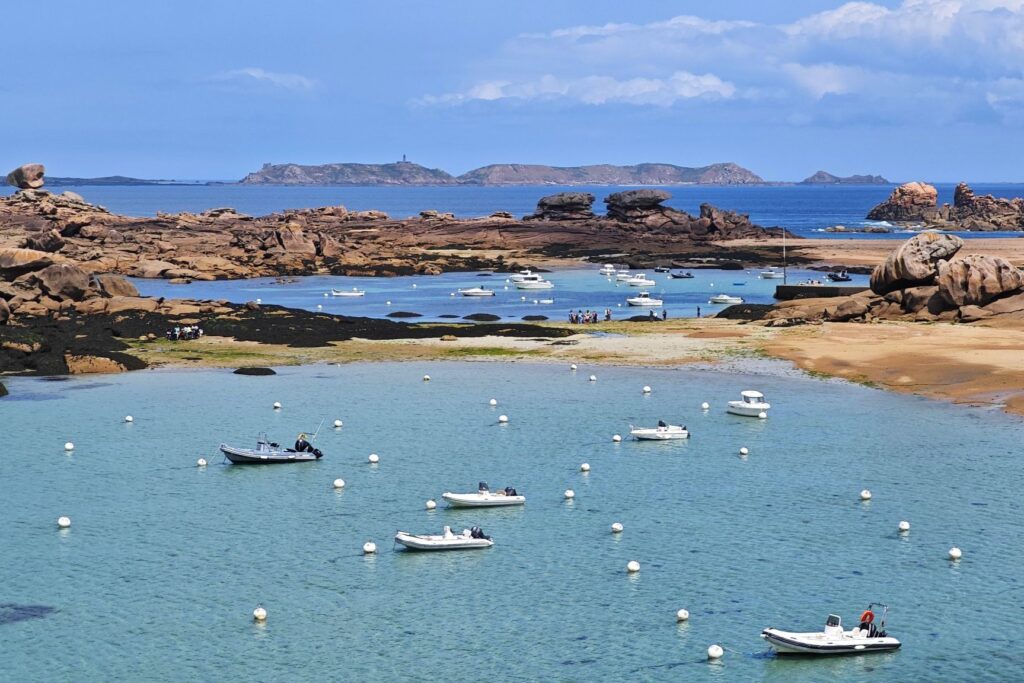
Located in the country’s northwest, Brittany is an agricultural heartland shaped by rugged cliffs, lush forests, and a deep, proud culture.
🌊 What Makes Brittany Special?
🥾 Nature & Outdoors
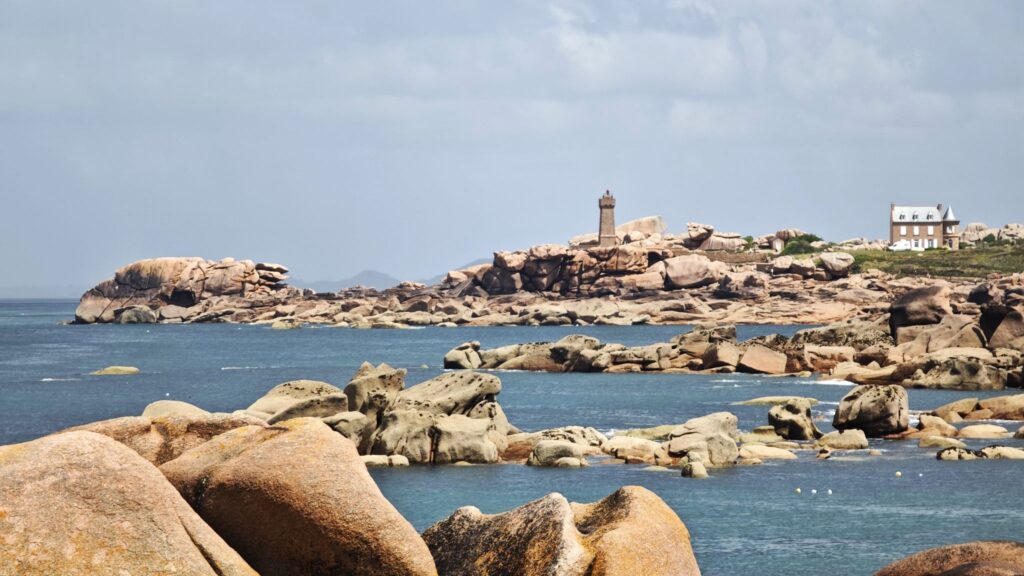
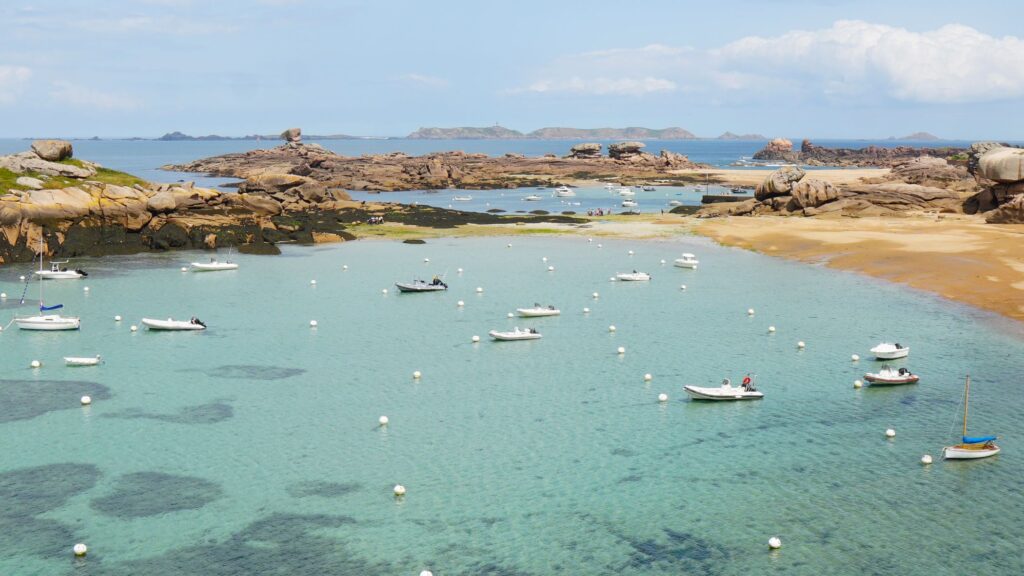
The wild coastline and dramatic cliffs gave birth to France’s most famous long-distance hiking trail: GR34 – Sentier des Douaniers, stretching over 2,000 km along the coast, including the Côte de Granit Rose, one of Brittany’s most iconic landscapes.
🏰 History & Culture
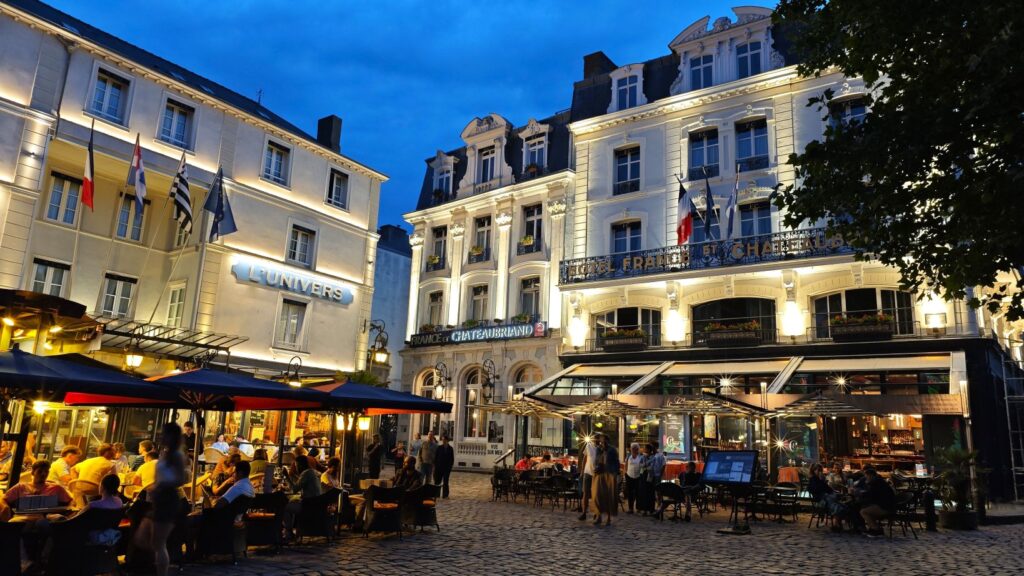
The walled city of Saint-Malo, perched right on the sea, dates back to the 6th century.

🦪 A Seafood Paradise
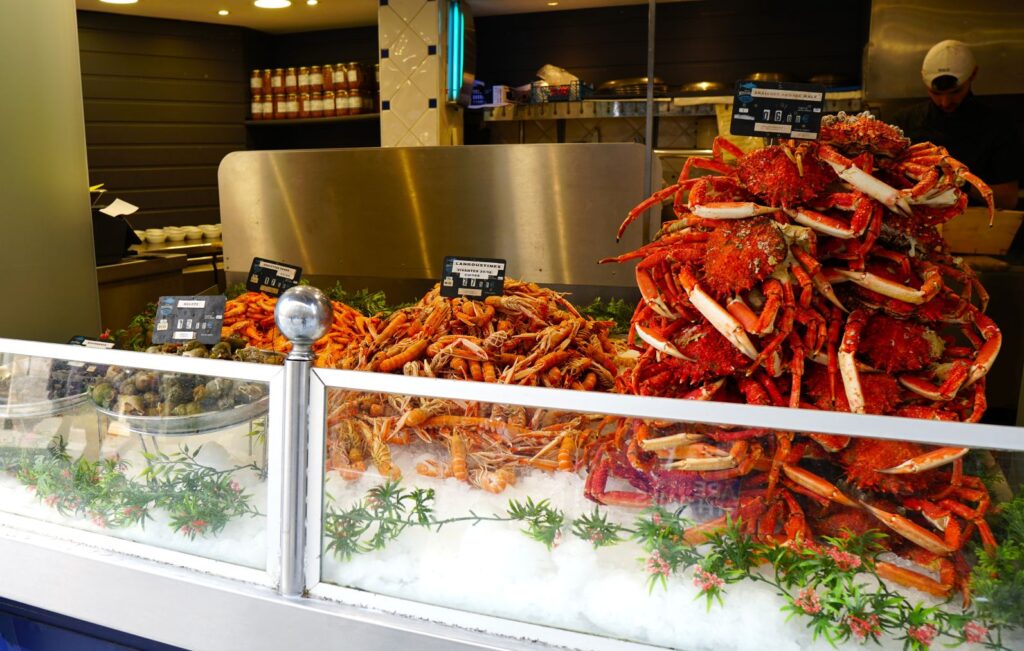
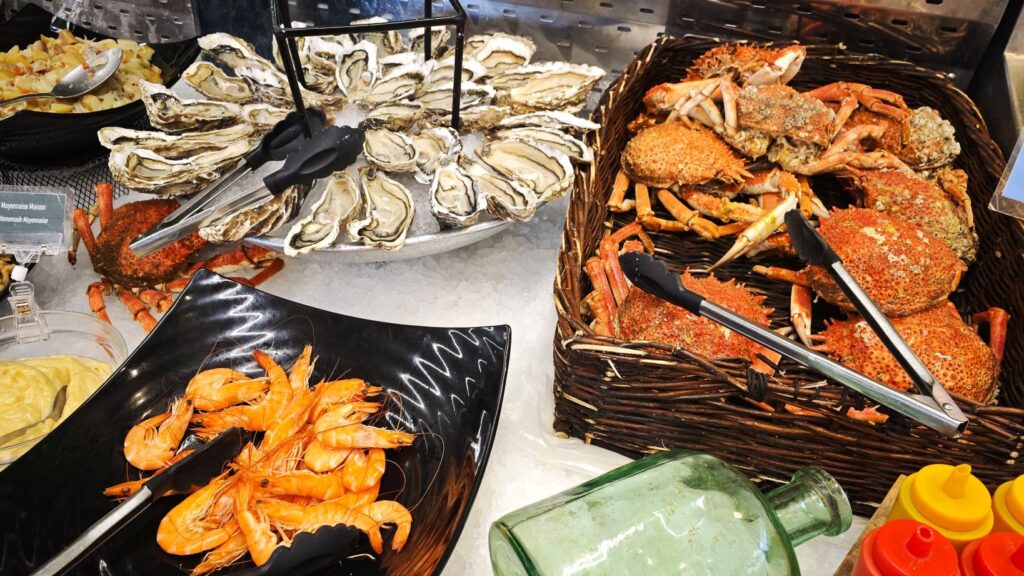
Brittany is France’s largest oyster-producing region, where oysters are gigantic, plentiful, and affordable. The same goes with mussels and scallops to lobster and crab—seafood lovers will be in heaven.
🥞 The Birthplace of Crêpes
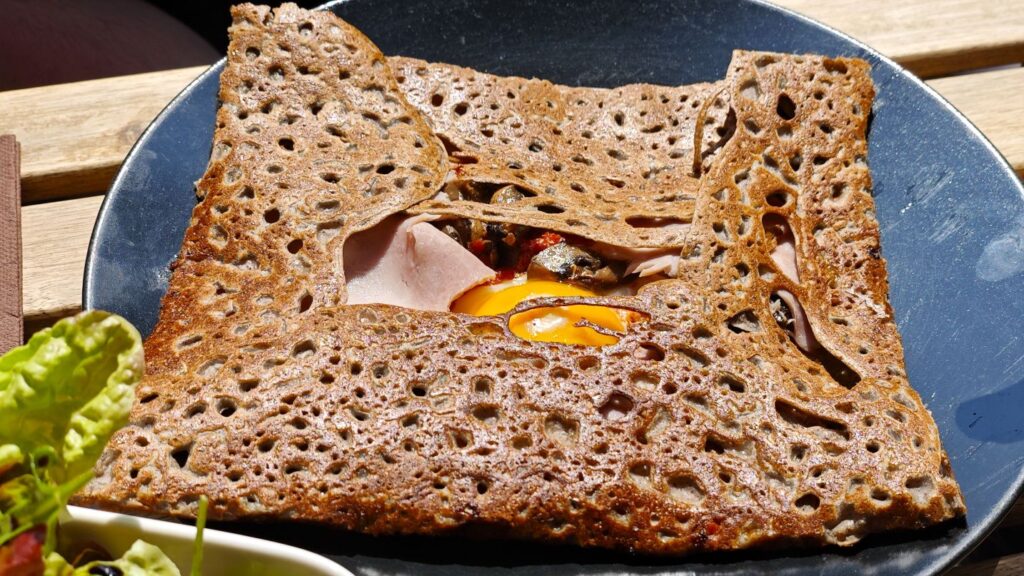
The home of French crêpes. Every restaurant seems to have its own recipe:
- Sweet crêpes: made with wheat flour, soft and tender
- Savory galettes: made with 100% buckwheat, crisp and nutty.
🌦 Weather Reality Check: What to Pack
Brittany’s weather is famously unpredictable.
Unlike the South of France’s endless sunshine, Brittany is known for being windy, rainy, and fast-changing. Sunshine can swiftly turn to wind and rain.
A windproof and waterproof jacket is practically a local uniform. For this trip, you’ll want clothing that works both for city walks and coastal hikes.
✈️ Getting There
We flew into Rennes via Amsterdam from Frankfurt. Arrived in the afternoon, we picked up a rental car, and drove to Saint-Malo🚗 (~50 minutes).
For train travelers: A direct TGV from Paris to Rennes takes about 2h20m. From Rennes, trains to Saint-Malo run almost hourly (under 1h journey). From Saint-Malo station, you can walk easily to the old town or sea—no bus needed. Tip: Book train tickets in advance on the SNCF website.
Parking in Saint-Malo: While parking is generally expensive in town (often €2-€4/hour), we found a great spot at Boulevard Théodore Botrel, close to the scenic area. It can be free, and spaces are findable. The nearby Church of Saint-Sauveur also offers free parking.
🏨 Accommodation Tip
We stayed by the promenade, right beside the sea. A word of caution: Brittany’s tides are powerful! For a safe and serene seaside experience, the late spring to early autumn months (May through September) are advisable. 📌Be extra cautious around March and September equinox tides (some of the strongest in Europe!) and always check local tide charts and hotel advice.
🗓️ 6-Day Brittany Itinerary
👉 [Click below links for the full day-by-day guides to each spot.]
Day 1: Arrival & Coastal Dining
Arrive and settle in, then let the coastal fairy tale begin. ✨
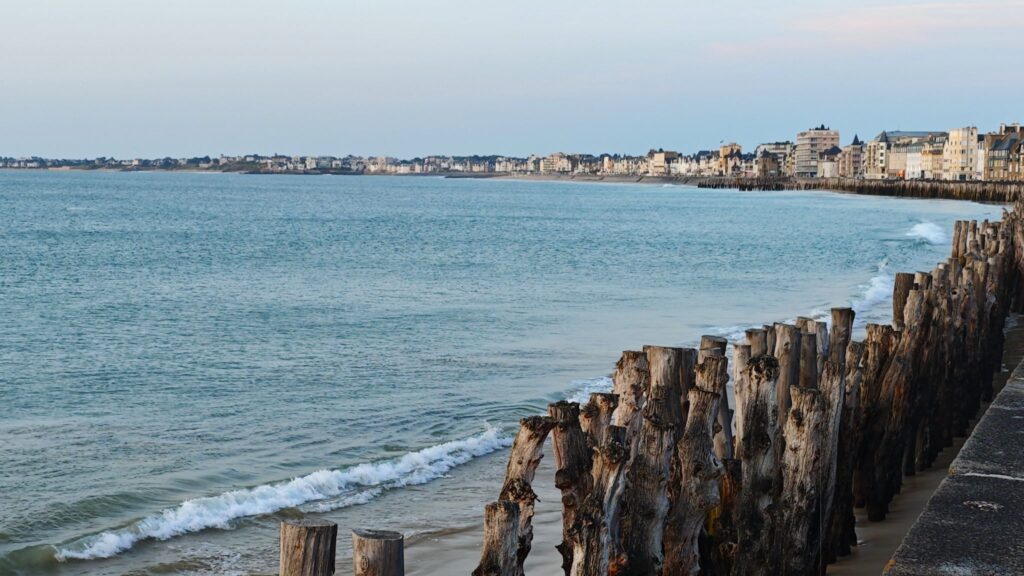
Walk the beach at sunset, dine near the water on steamed mussels and locally caught John Dory—a firm and delicate fish.
Let the sea air wash away the travel fatigue – a relaxed first night with Saint-Malo details coming soon in our next post!

Explore the walled old town (Intra-Muros)
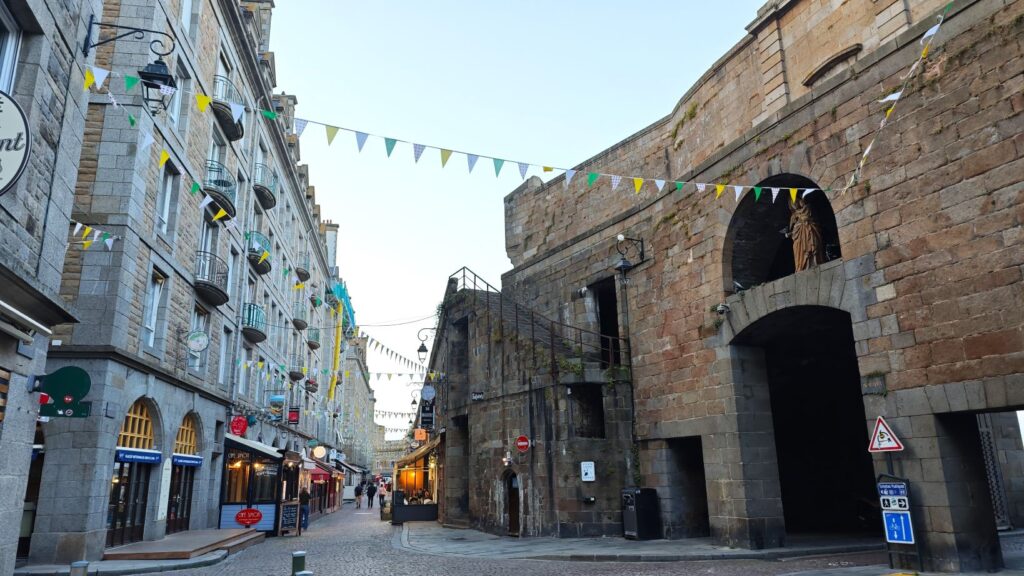
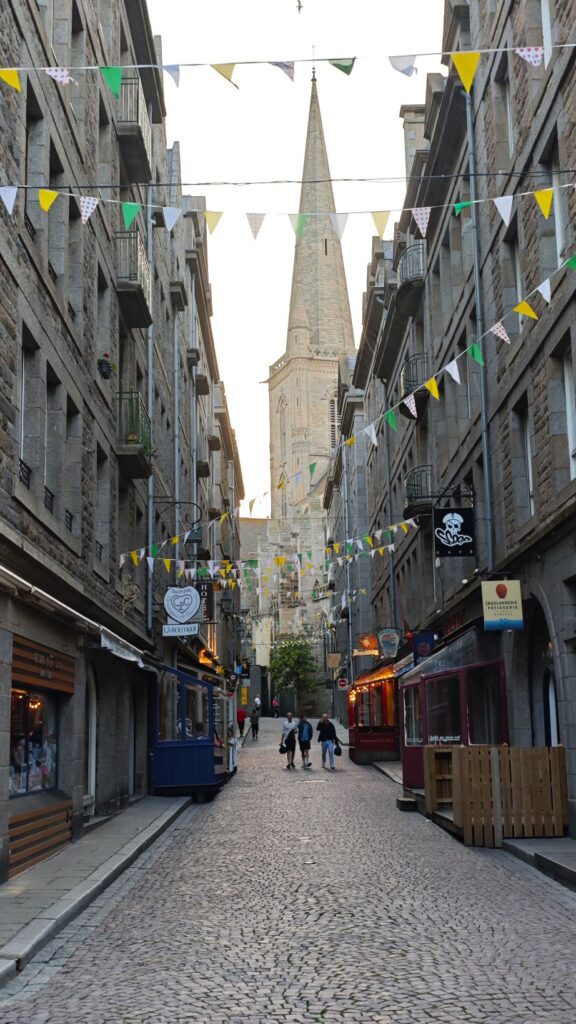

Visit a ship from the 18th century in the docks.
Hike Grand Bé and see the Fort National, which is accessible at low tide.
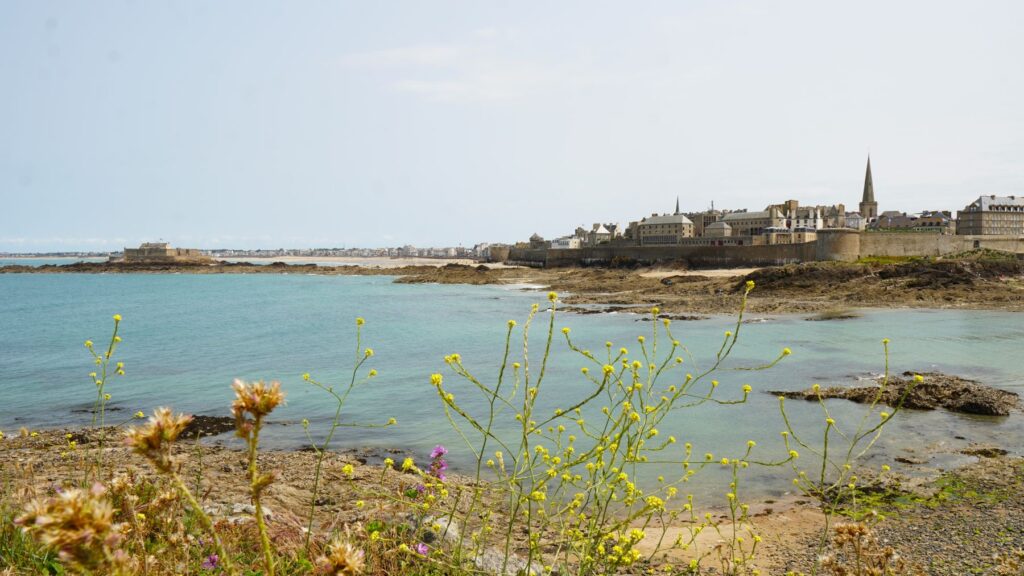
Snack on a buttery, caramelised Kouign-Amann (the region’s famous pastry) and an authentic savory buckwheat crêpe.
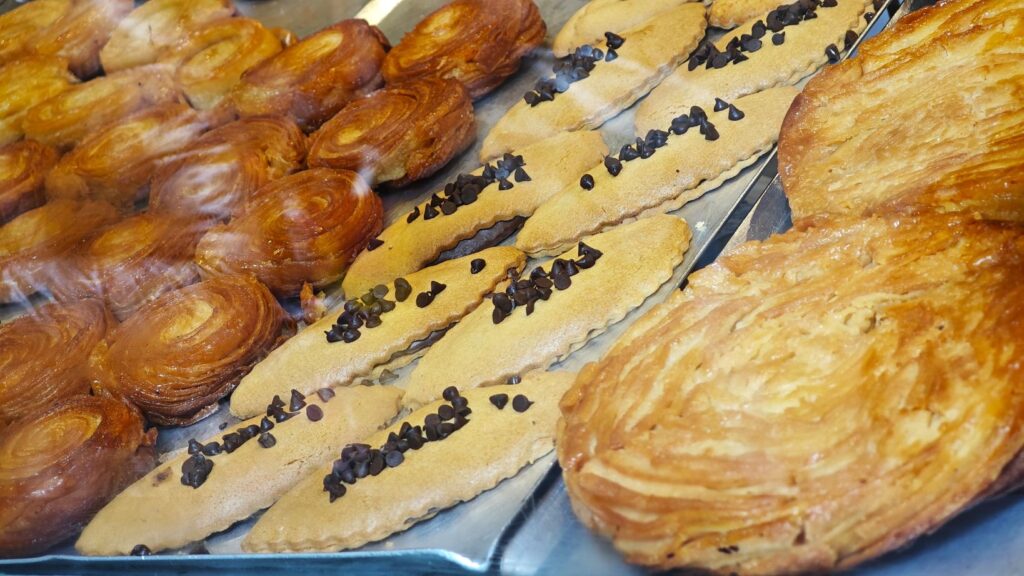
Dinner within the ancient walls.
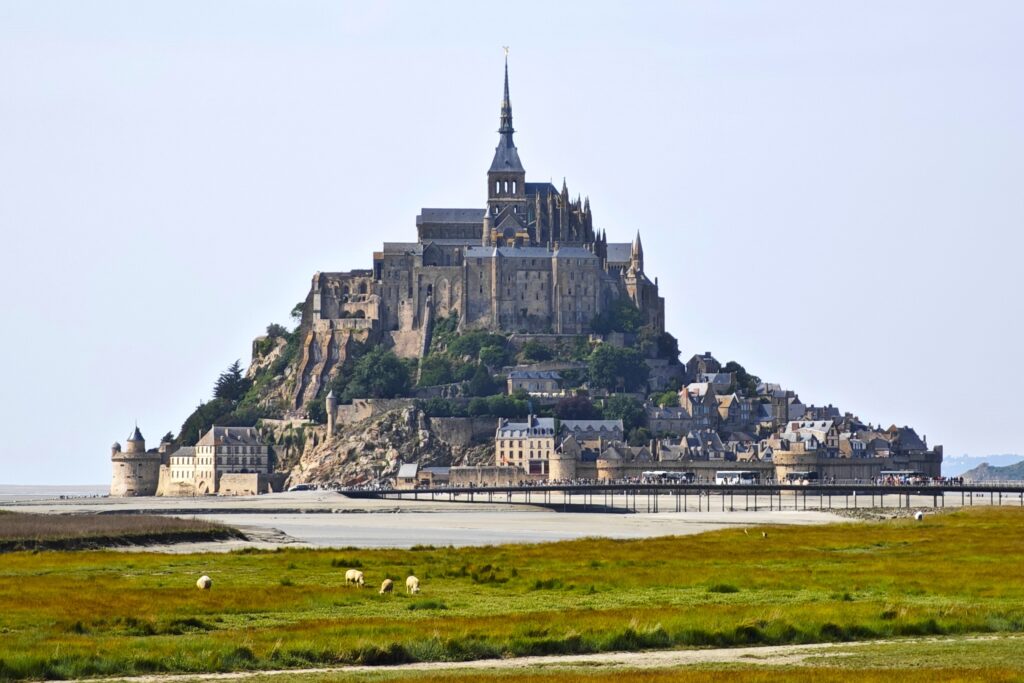
A day trip to the Mont Saint-Michel (technically in Normandy, but an essential nearby stop) and visit the abbey and bay.
A seafood buffet feast with endless, fat oysters, lobsters, and king crabs. 🦞
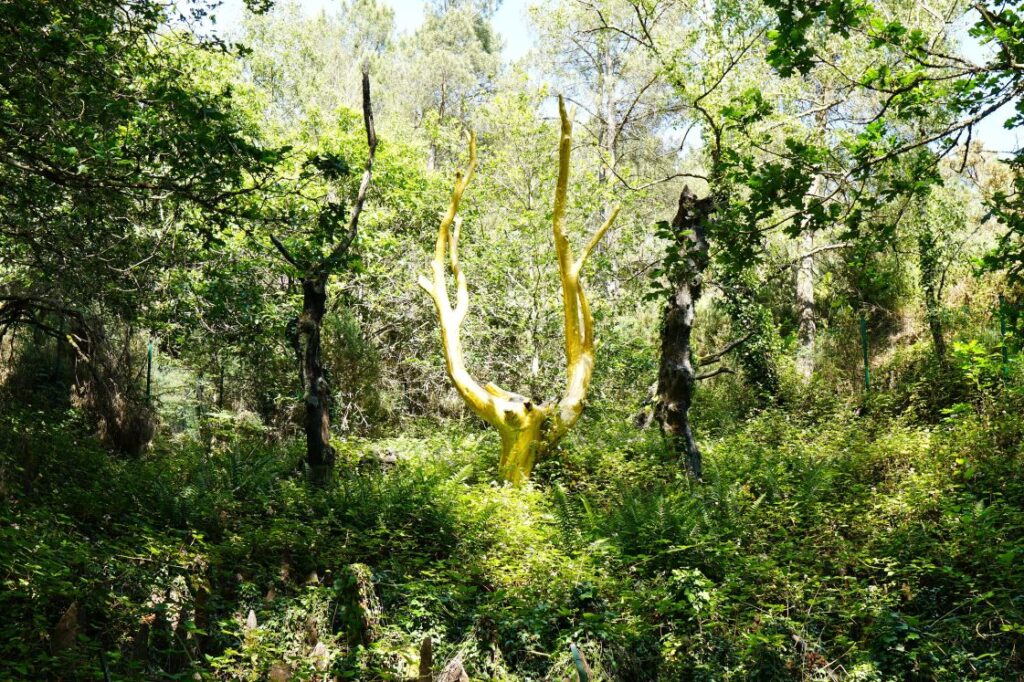
Head inland to the legendary Brocéliande Forest (Paimpont Forest), the mythical Arthurian legend with its mysterious “Golden Tree” (L’Arbre d’Or), a gilded sculpture in Val sans retour.
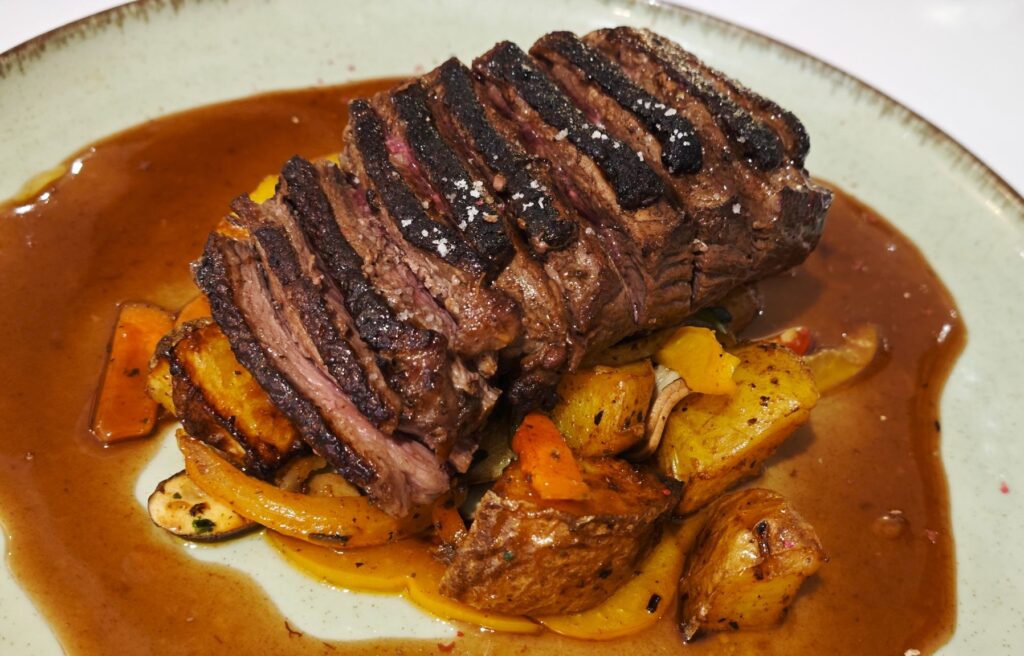
Enjoy a hearty lunch of steak or duck confit—a break from seafood.
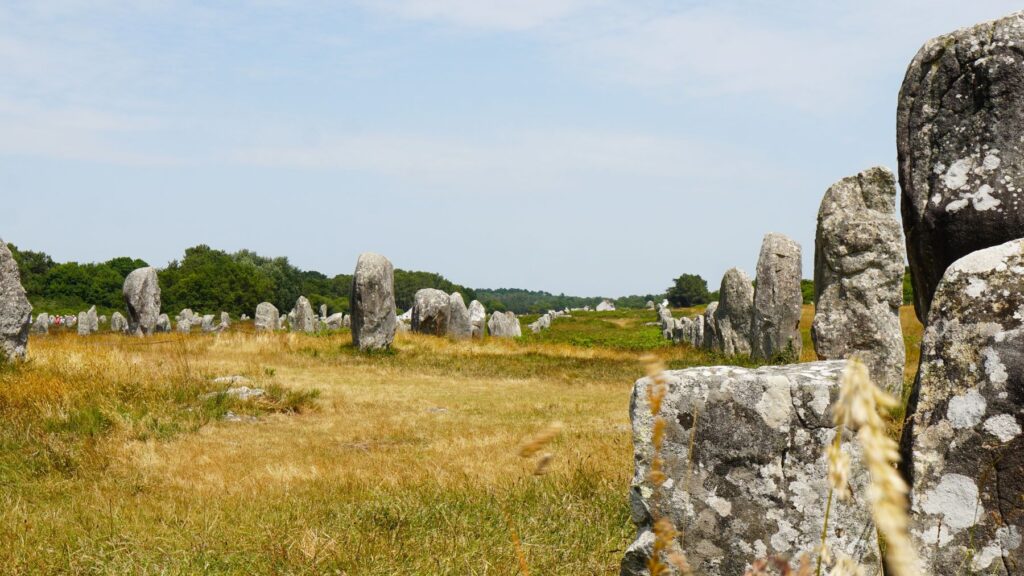
Day 5: Carnac — UNESCO Megaliths
Travel south to Carnac, home to more than 3,000 prehistoric granite stones (menhirs, dolmens, and tumuli) that were erected during the Neolithic period—some as long as 7,000 years ago.
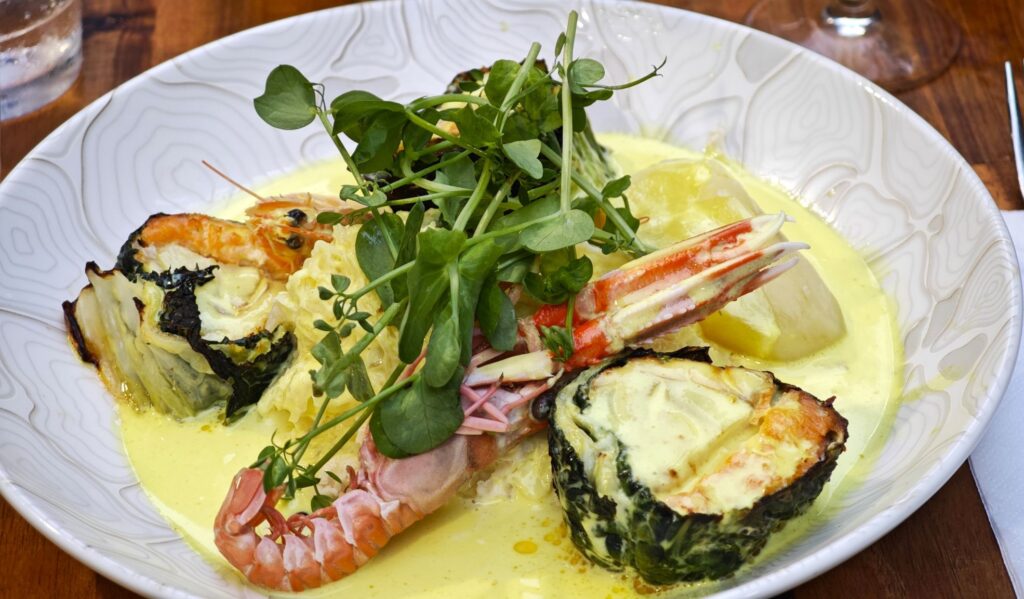
Dine at a pirate-themed restaurant for more superb mussels and fresh catch.
Day 6: The Pink Granite Coast
Hike to the stunning Côte de Granit Rose near Perros-Guirec. Wander among surreal, rose-hued boulders and coastal paths (part of the famed GR34 long-distance trail that traces Brittany’s entire coast!).
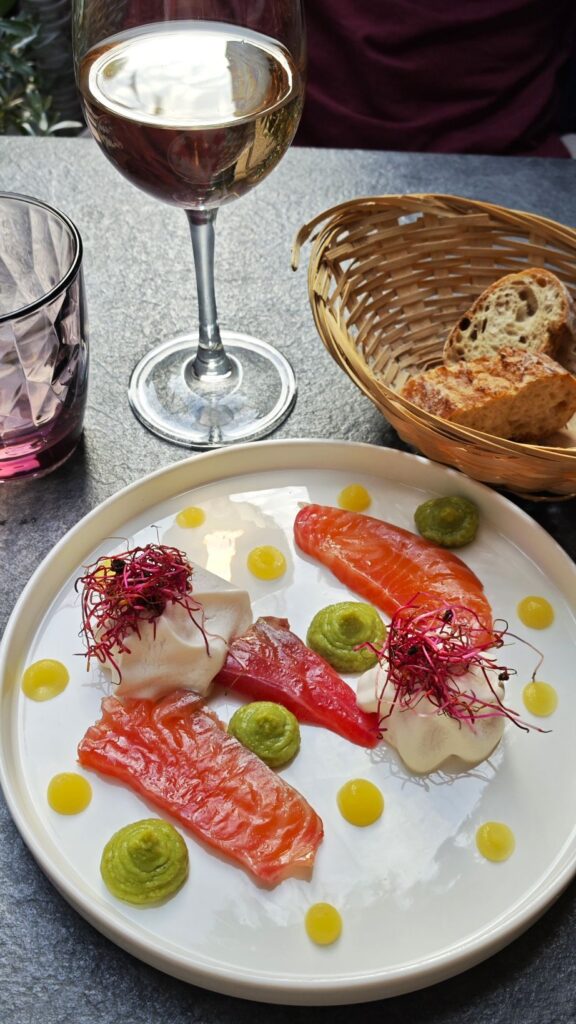
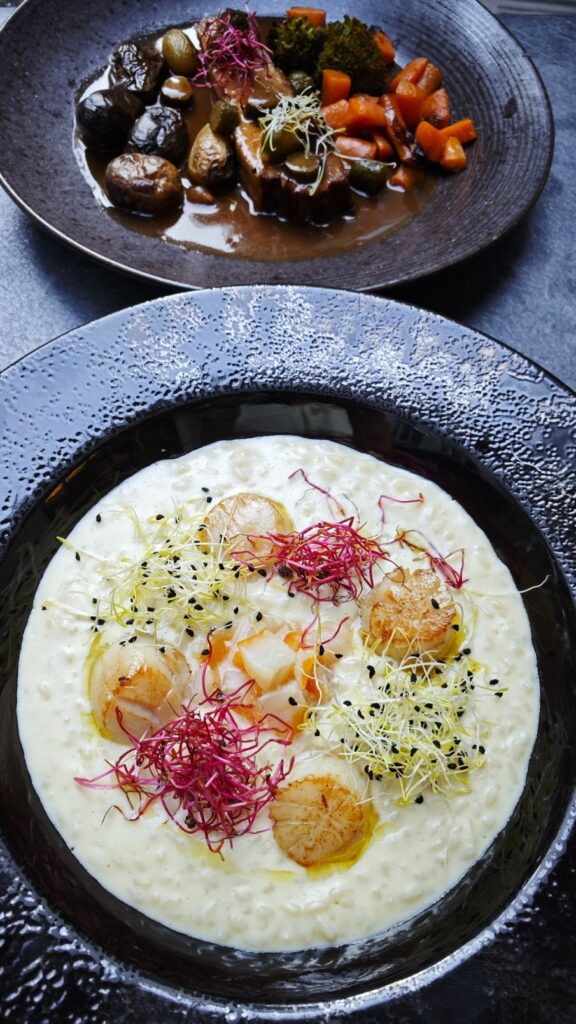
End the trip with a French-style refined dinner 🍷✨
A Saint-Malo Evening Walk 🌅🧱
There’s no better way to meet Saint-Malo than by walking its seaside at golden hour. As soon as we dropped our bags, we were drawn by the ancient granite walls. The sea air, salty and cool, filled our lungs. To our left, the tide was rushing in, slowly transforming the sandy beaches into a shimmering mirror.
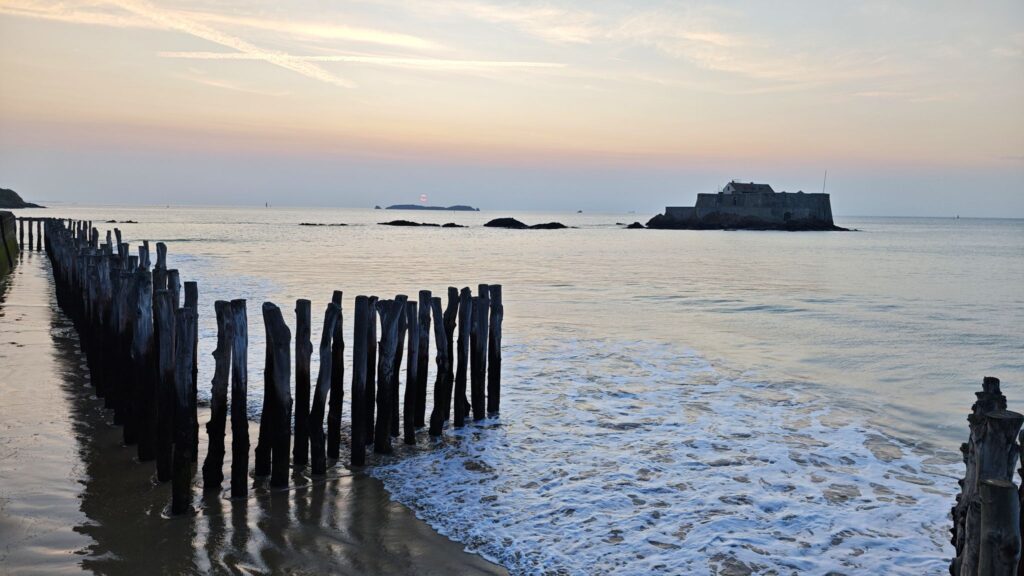
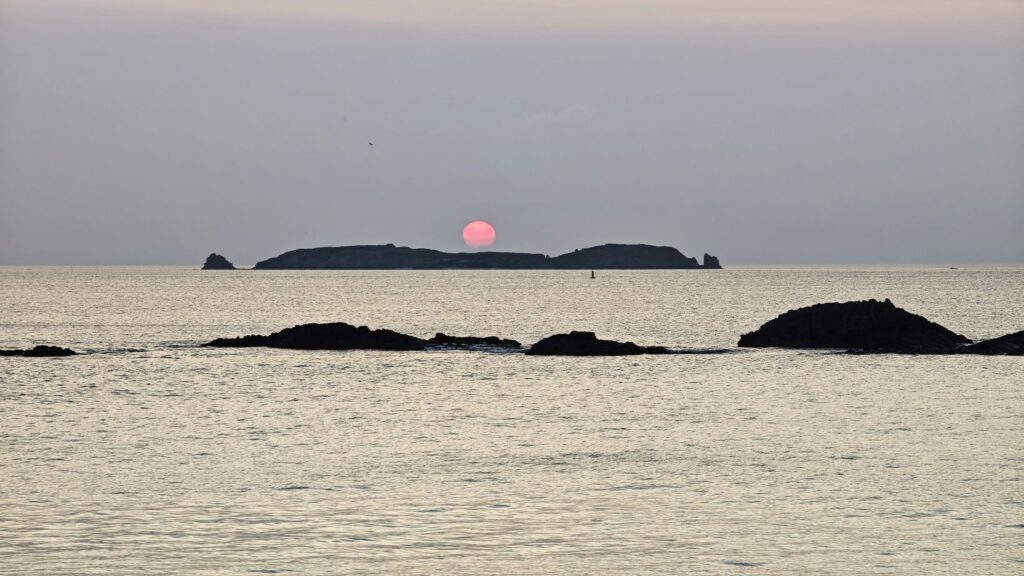
We watched the entire sunset unfold—a spectacle of fiery orange melting into pastel pink and deep violet. The scene became a living oil painting, with gold streaks behind the clouds and the sapphire blue of the evening sea.
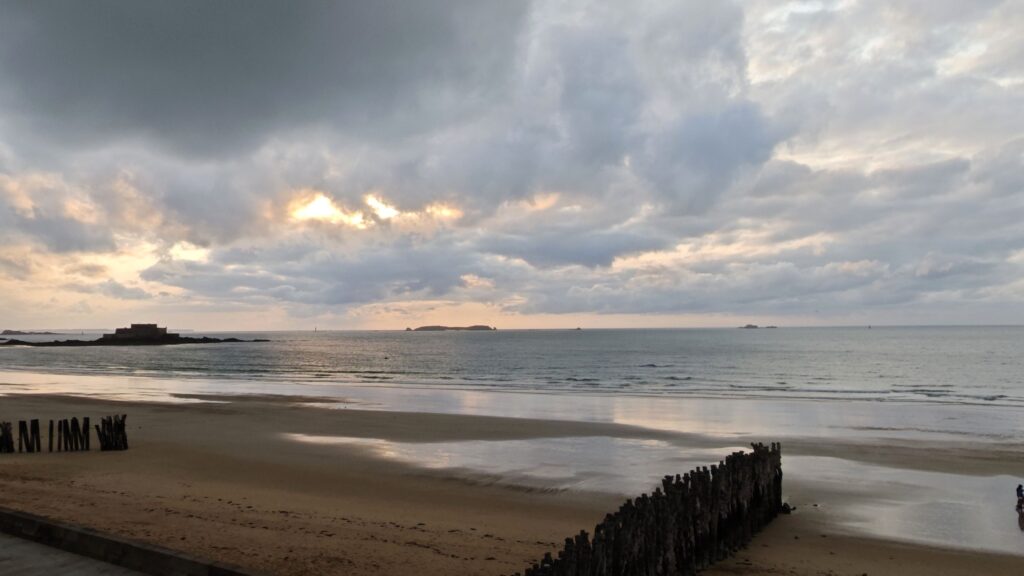
Across the water, Grand Bé Island stood dark and solemn. The 19th-century writer Chateaubriand is buried there. We made a plan to go visit tomorrow, as it’s accessible only by a causeway the evening tide had reclaimed.
A Seaside Dinner at Le Bouche à Oreille 🍽️✨
Our first dinner was at a charming restaurant near the hotel, Le Bouche à Oreille (“Word of Mouth”). It was warm, buzzing, and smelling of garlic and the ocean.
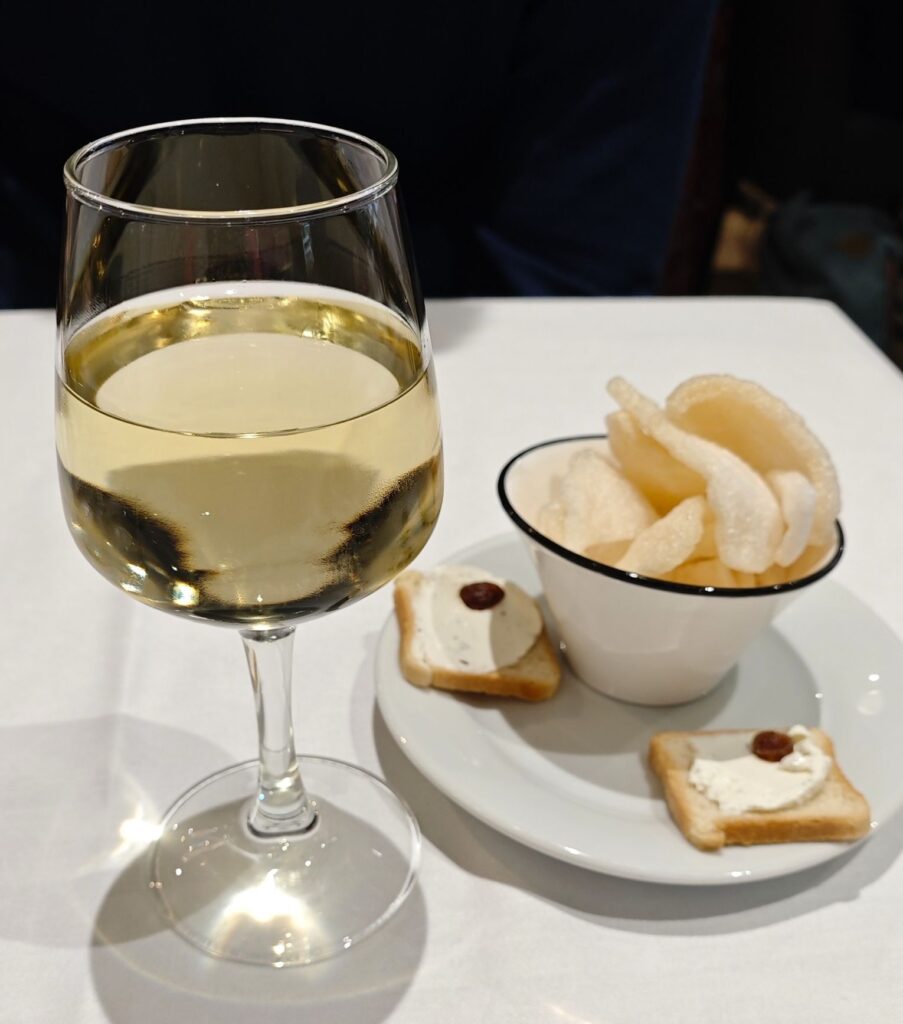
🥂 We were welcomed with a free amuse-bouche: delicate fresh goat cheese topped with herbs, sea salt, and a plump raisin, all on a crisp baguette.
On the side, a light, savory shrimp cracker. It was creamy, slightly sweet, salty, and refreshing.
We paired the meal with AOP Quincy “Domaine des Balladors” from the Loire Valley. A 100% Sauvignon Blanc, it was smooth and soft, not too dry, with hints of citrus and a faint bitterness.
A lovely match for the dishes that followed –
Smoked Salmon and Duck Foie Gras with Condiments
Generous slices of velvety, cold-smoked salmon lay beside a rich, terrine-style duck foie gras. The foie gras was smooth and creamy, with a deep, earthy richness elevated by sea salt and smoky paprika powder.
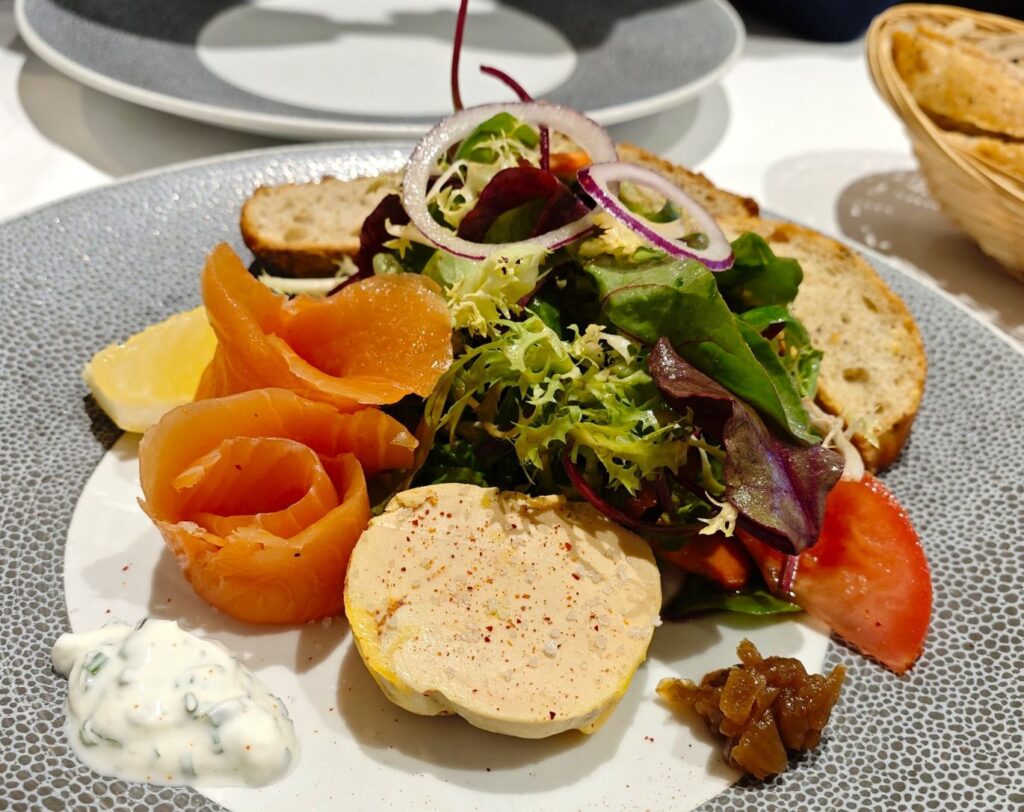
A cool yogurt (tangy, creamy Greek-style) aside to cut through the richness, plus a sweet, slow-cooked onion compote, and a simple salad. Spread the creamy foie gras and sweet onions on crusty bread to create a savory-sweet bite. Then, wrap a piece of the silky salmon in a leaf of salad dipped in the cool yogurt for a fresh, clean contrast. It was a playful, delicious starter.
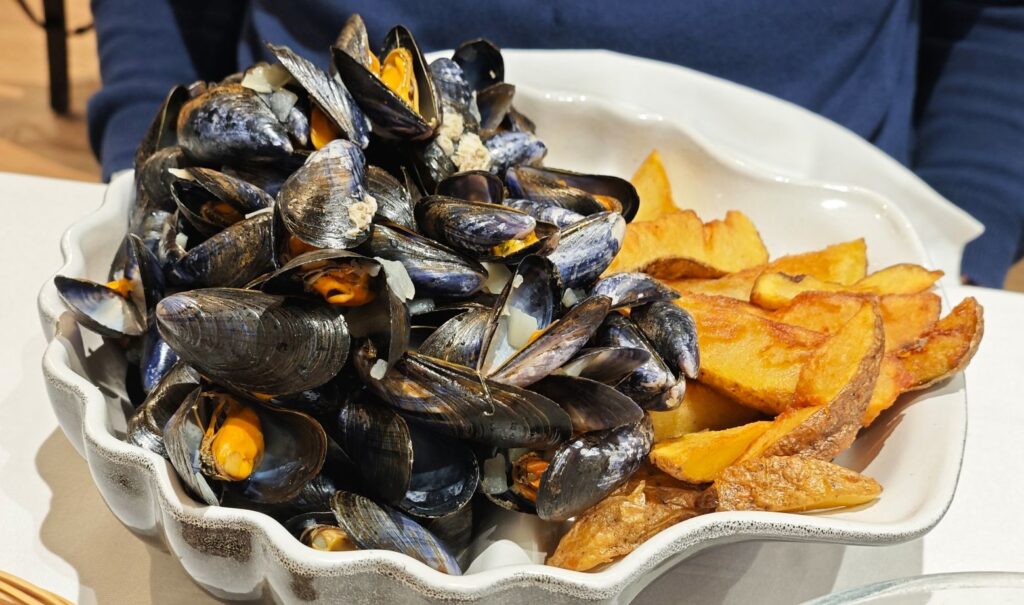
Moules à la Marinière
The mussels arrived steaming in a big pot, smelling of the sea and white wine. Cooked in the classic marinière style—with white wine, onions, parsley, and garlic—they were plump, tender, and tasted as fresh as the ocean breeze. The broth was light, fragrant, and perfect for dipping the last piece of bread.
Filet de Saint-Pierre (John Dory Fish Filet)
The Saint-Pierre fillet, a praised local fish, was exquisitely cooked—tender, flaky, and almost meltingly smooth. It’s paired with alight-yellow beurre blanc sauce—a classic French emulsion of butter, white wine, and shallots that was rich yet delicate. It was topped with chopped chervil, an herb similar to parsley but with a subtle anise note.
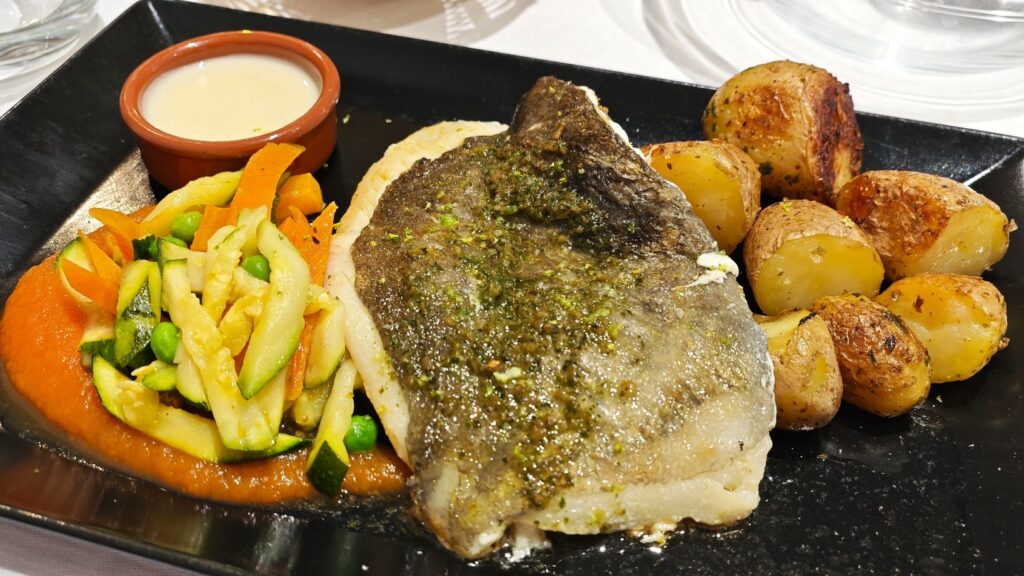
The sides were a garden of zucchini, carrots, green beans, sweet pumpkin purée, and pan-fried potatoes. Overall, it was fresh and light, a dish that emphasized the pristine quality of the Breton catch.
💡 This post is an introductory overview of our Brittany trip. We’ll be sharing more details of each day’s experiences in separate posts, and these will be embedded as links in the itinerary section. You can simply click on each day for in-depth sightseeing guides, practical tips, and food recommendations. Come discover Brittany with us—a land that’s wild, welcoming, and wonderfully different! 🌅✨