
Madrid is a city that wears its soul on its streets—loud, proud, and layered with history and modern energy. At its very heart lies –
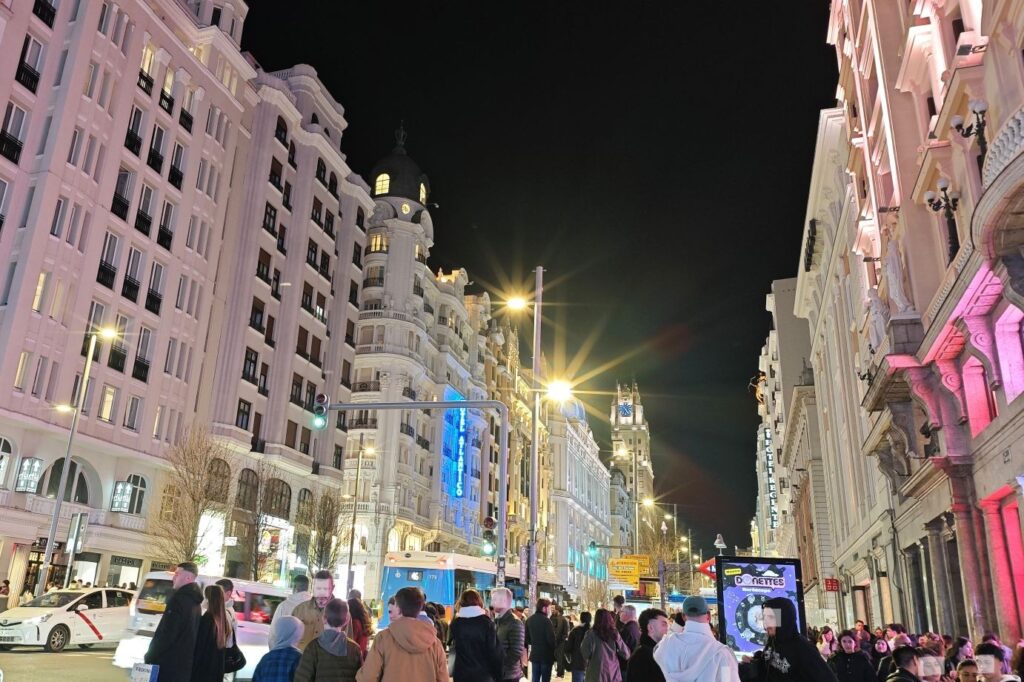
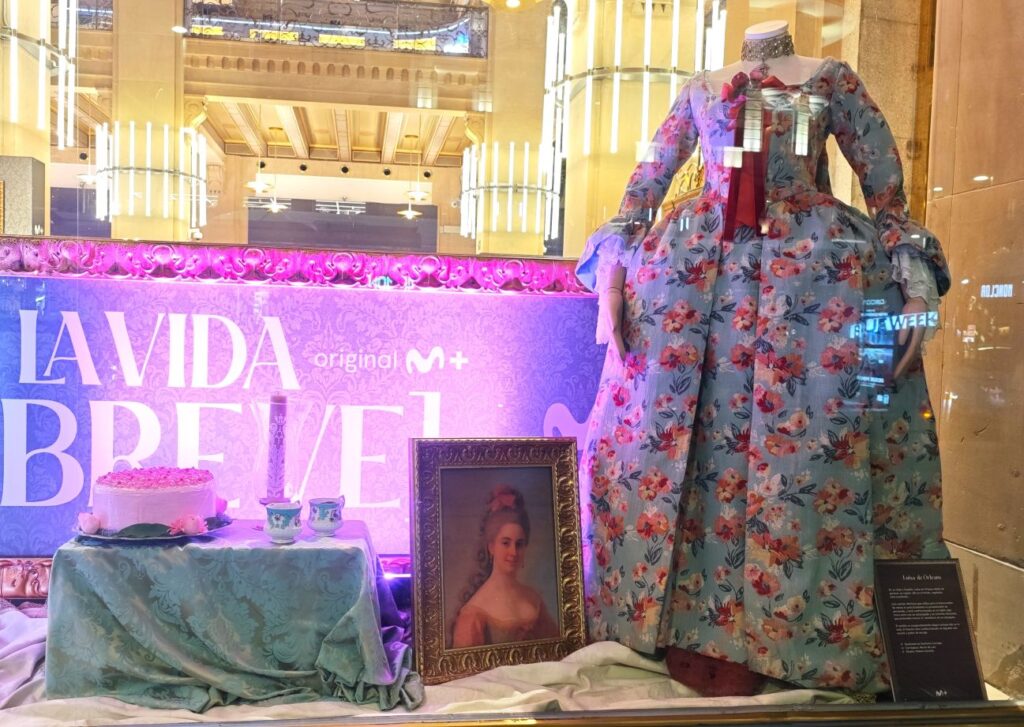
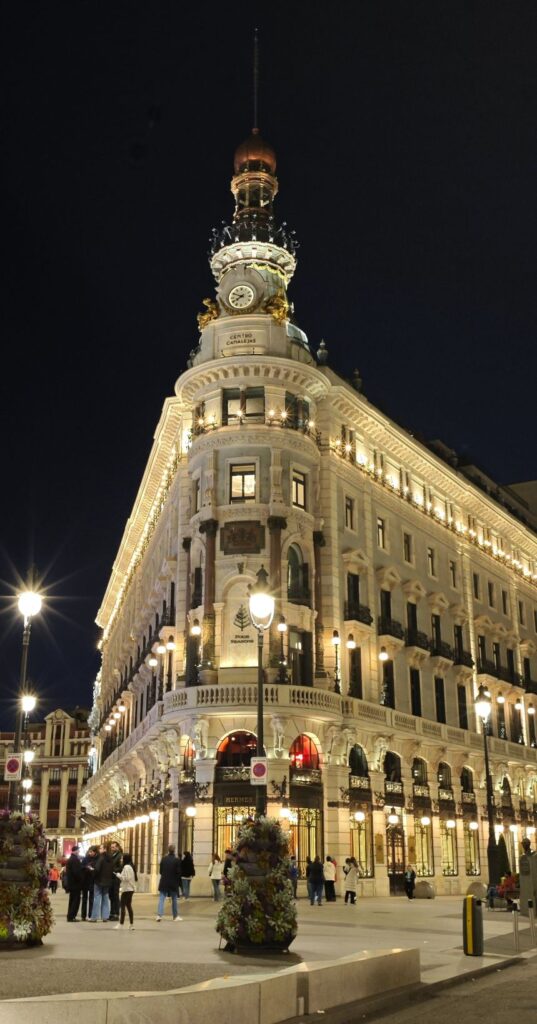
Gran Vía: the city’s most iconic boulevard.
📍 Gran Vía, 28013 Madrid
🚇 Gran Vía metro station
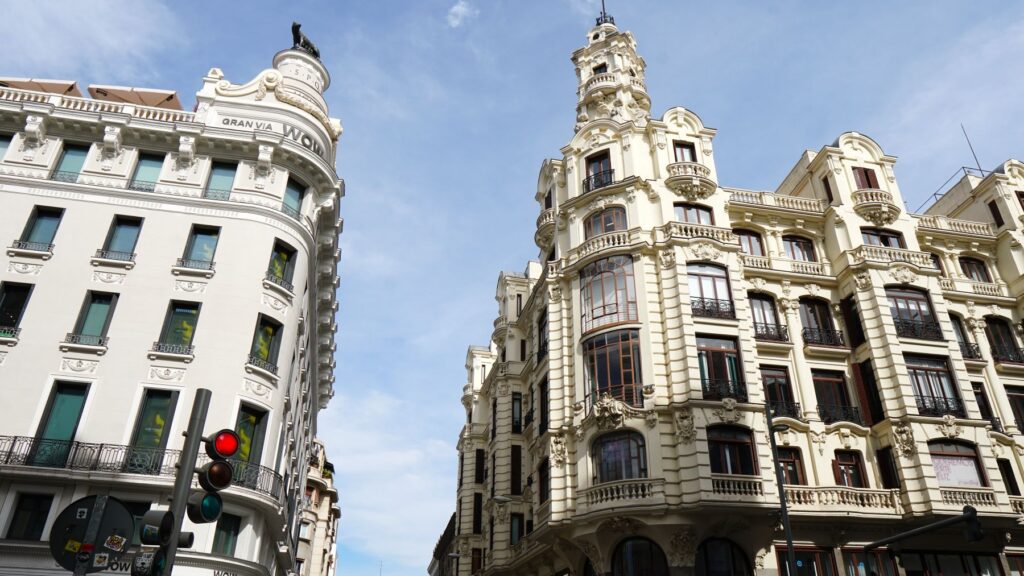
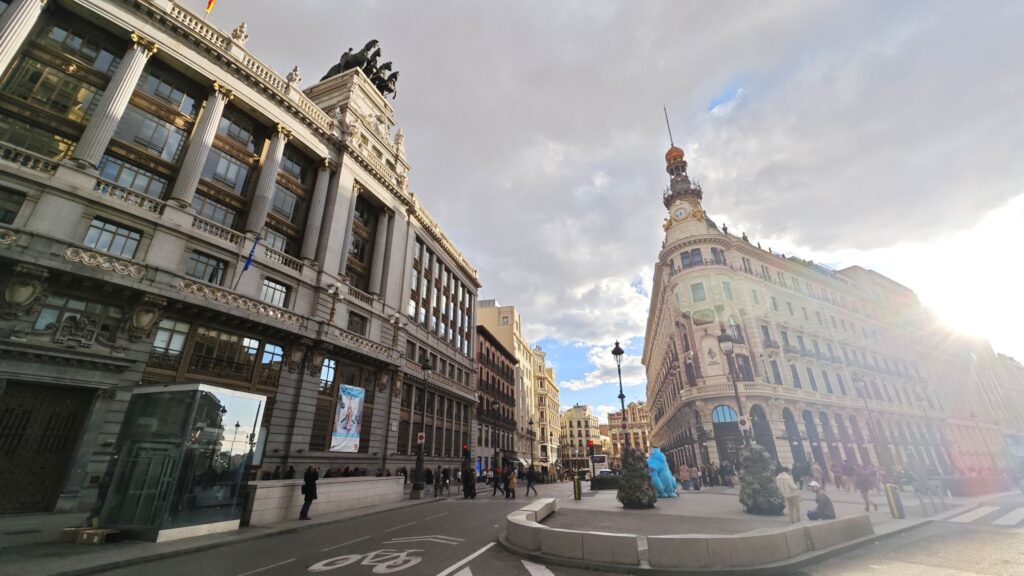
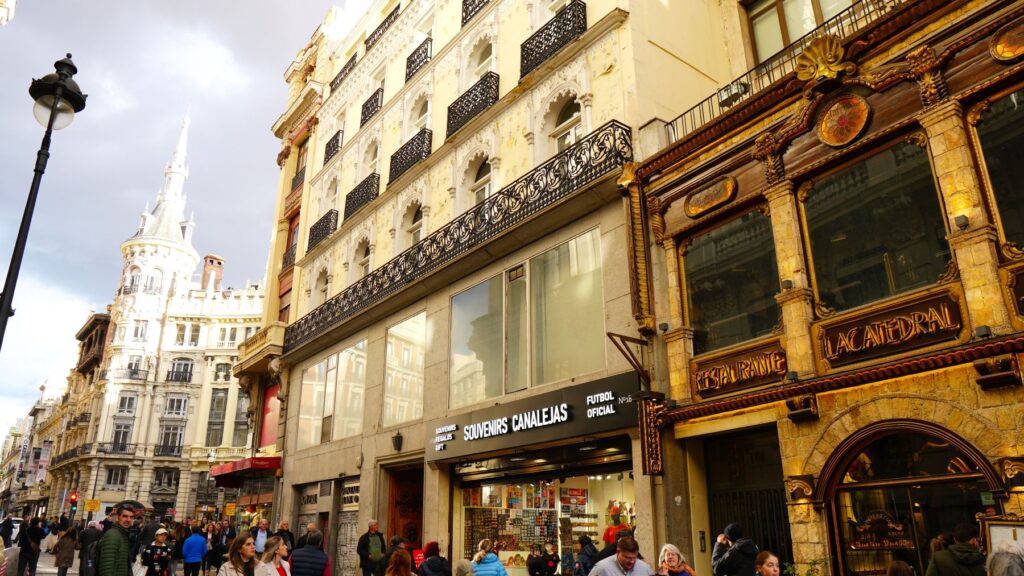
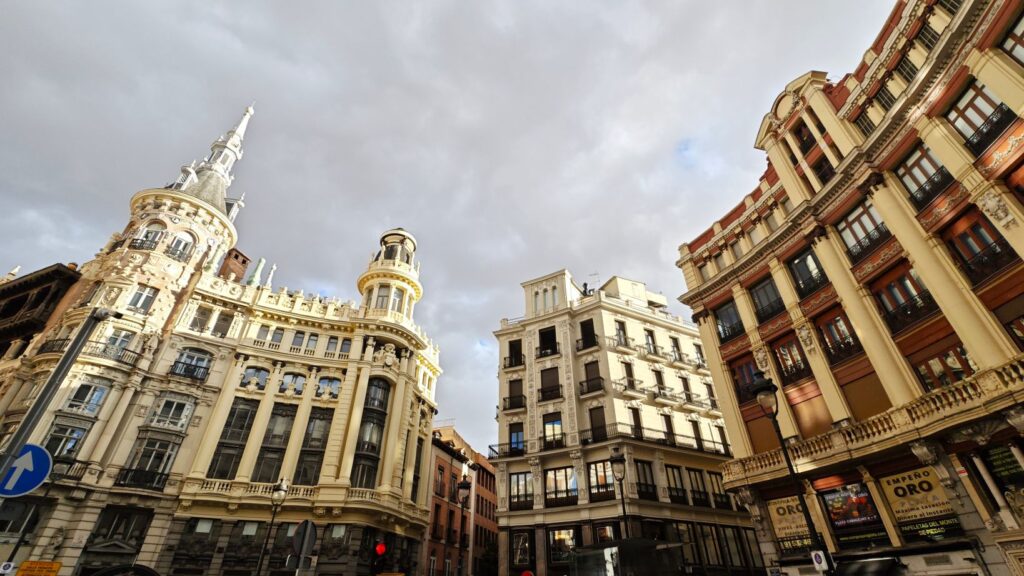
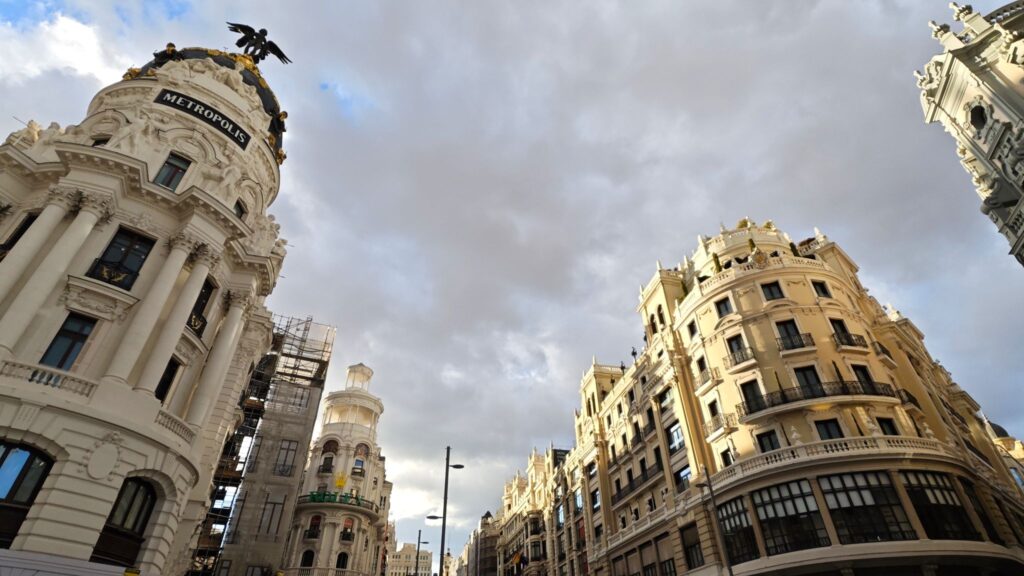
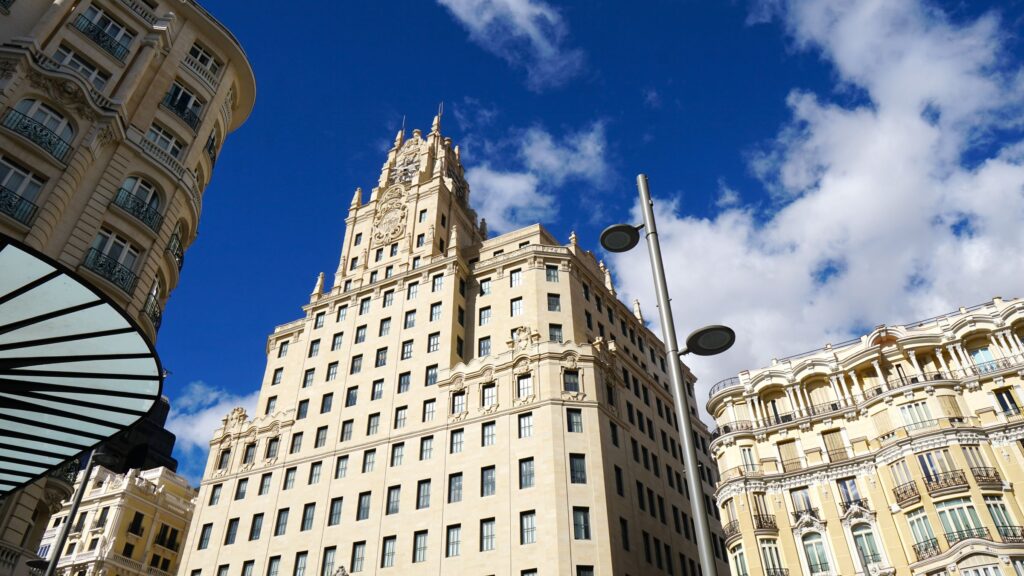
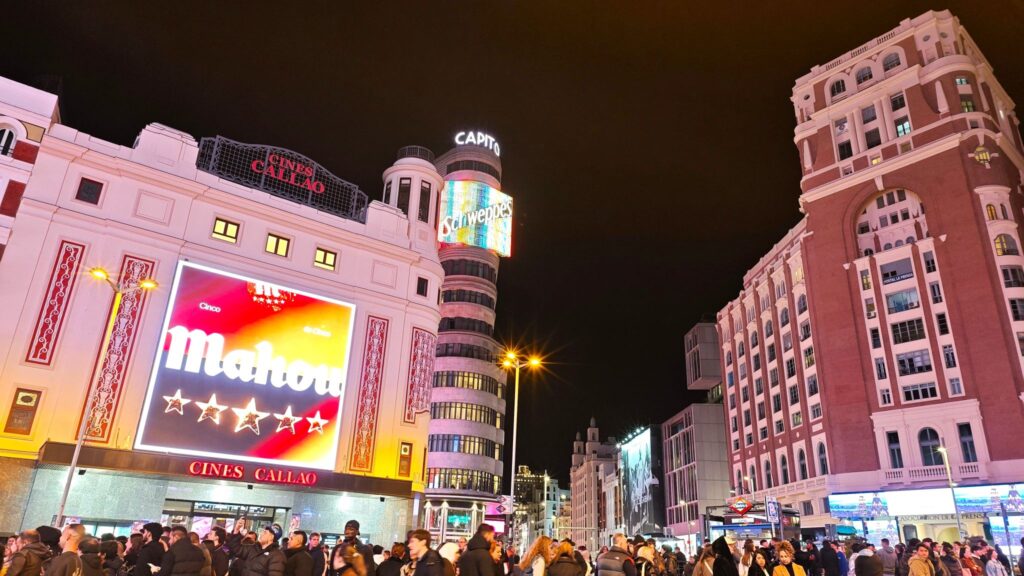
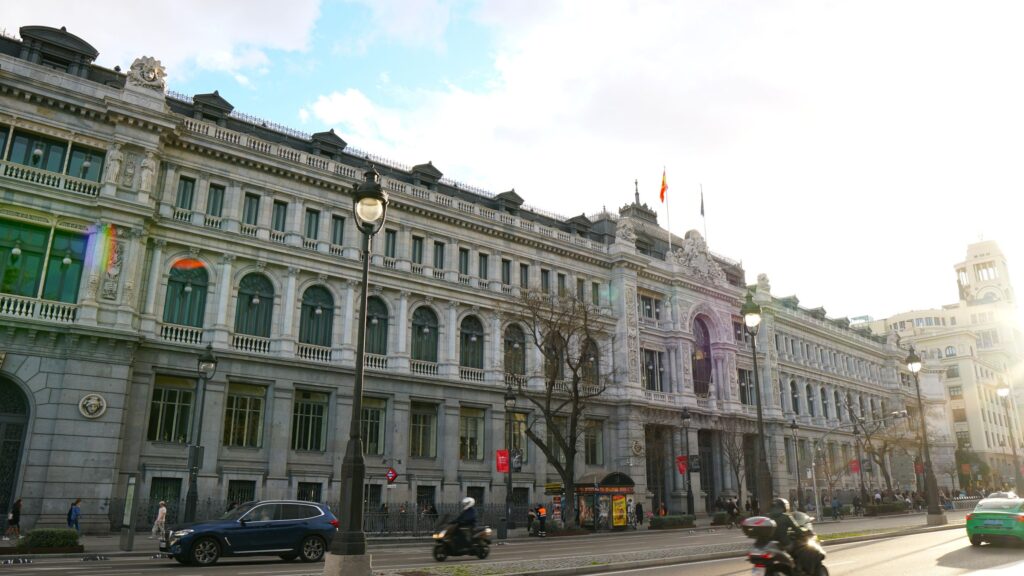
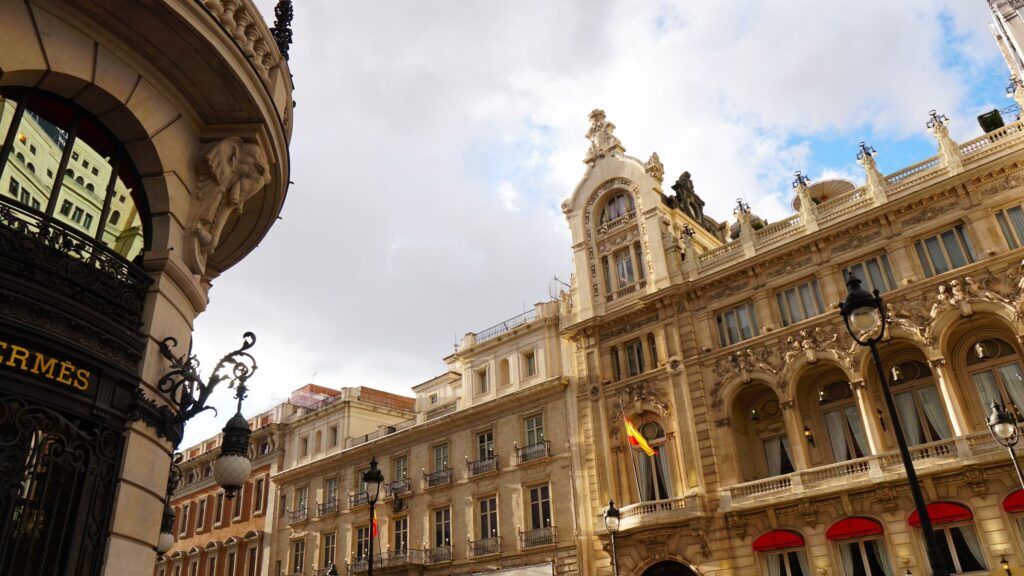
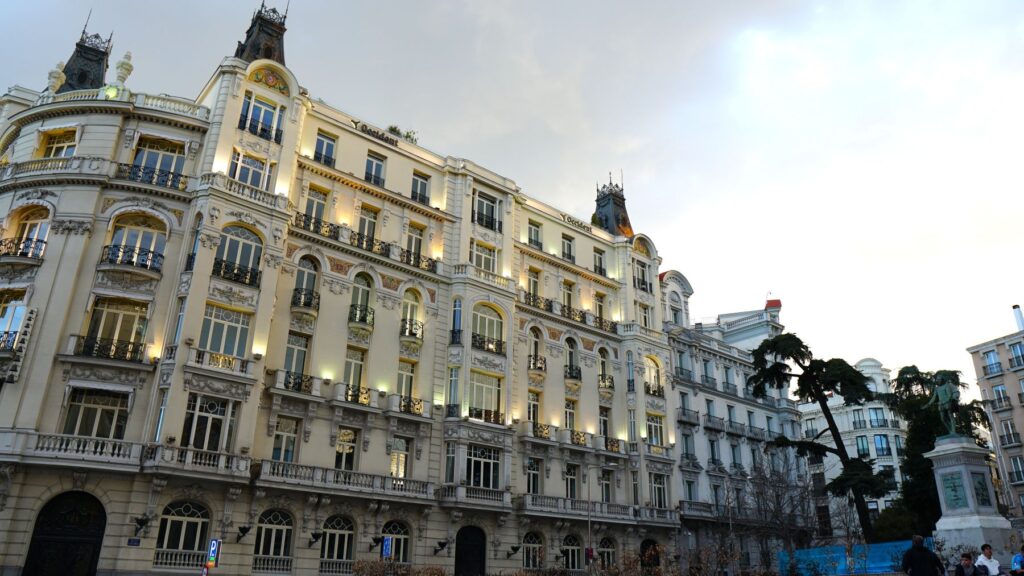
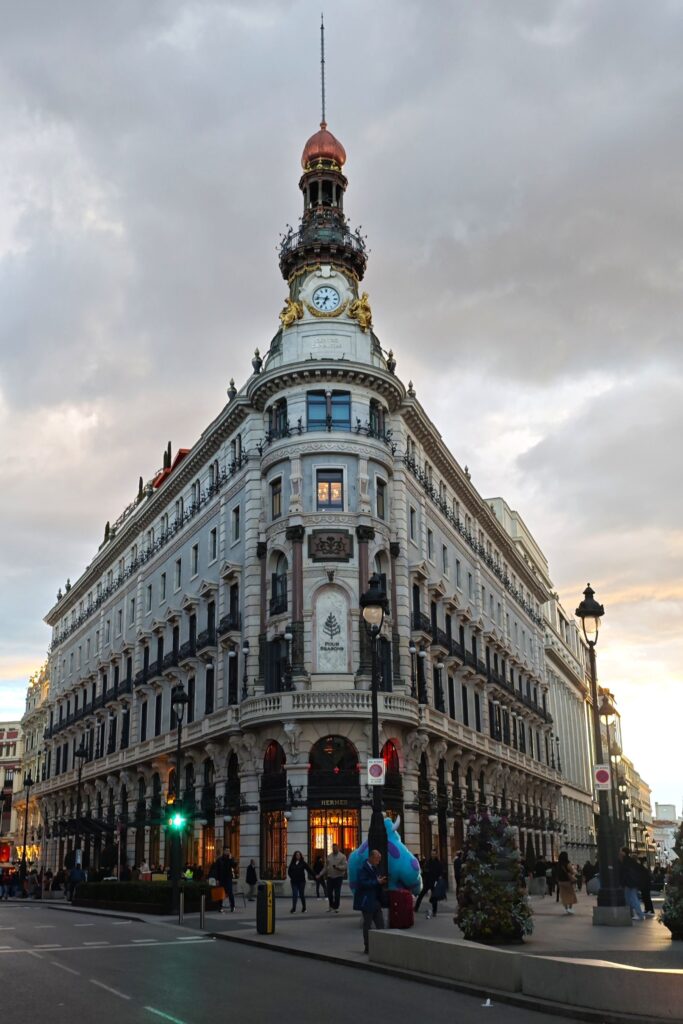
Unlike Paris’s uniform elegance or Rome’s ancient grandeur, Gran Vía proudly flaunts its eclectic mix of architectural styles. It’s a living museum of early 20th-century grandeur, where Beaux-Arts, Art Deco, and Neo-Gothic are packed into unforgettable skylines, their imposing statues guarding the city in style.
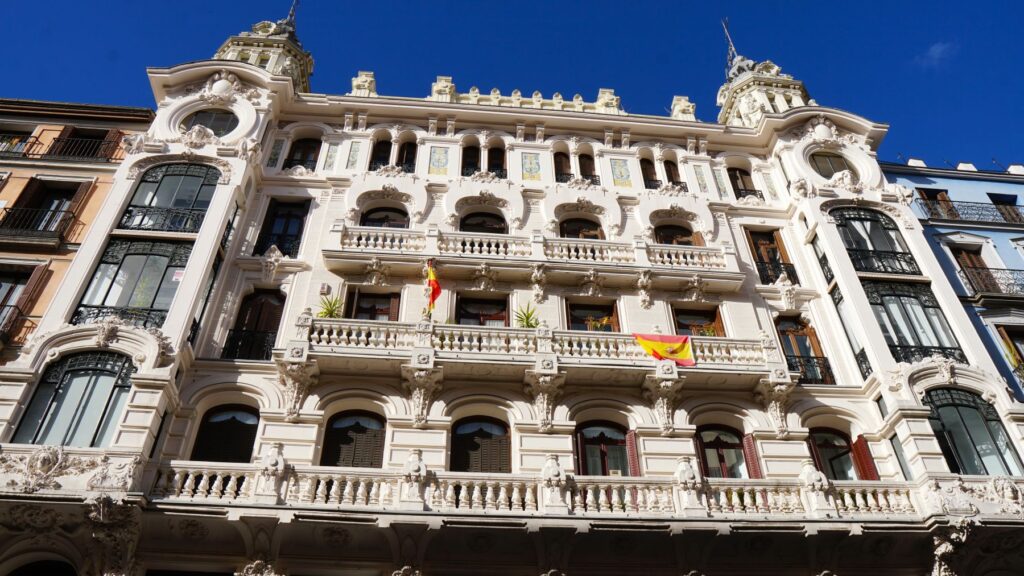
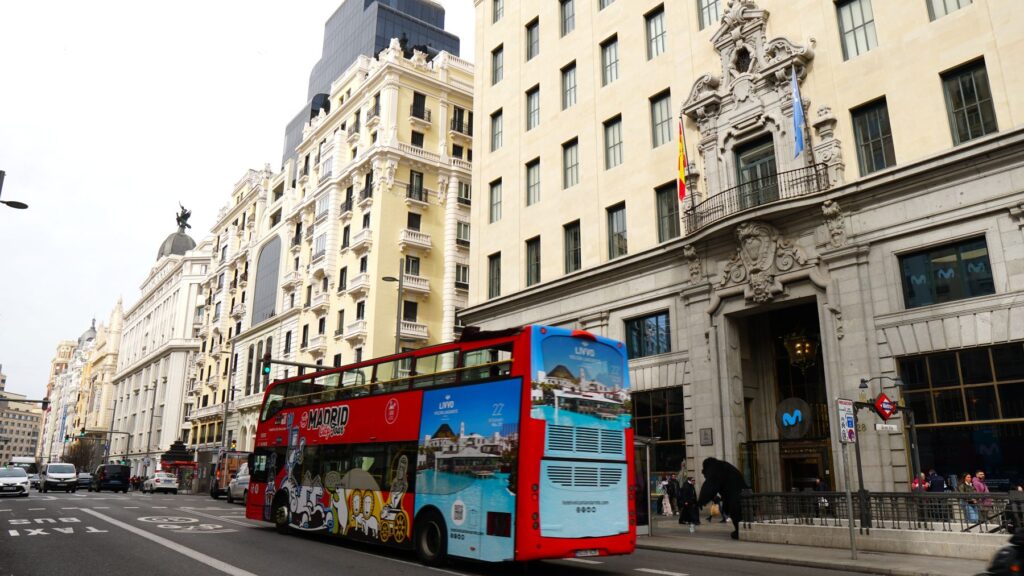
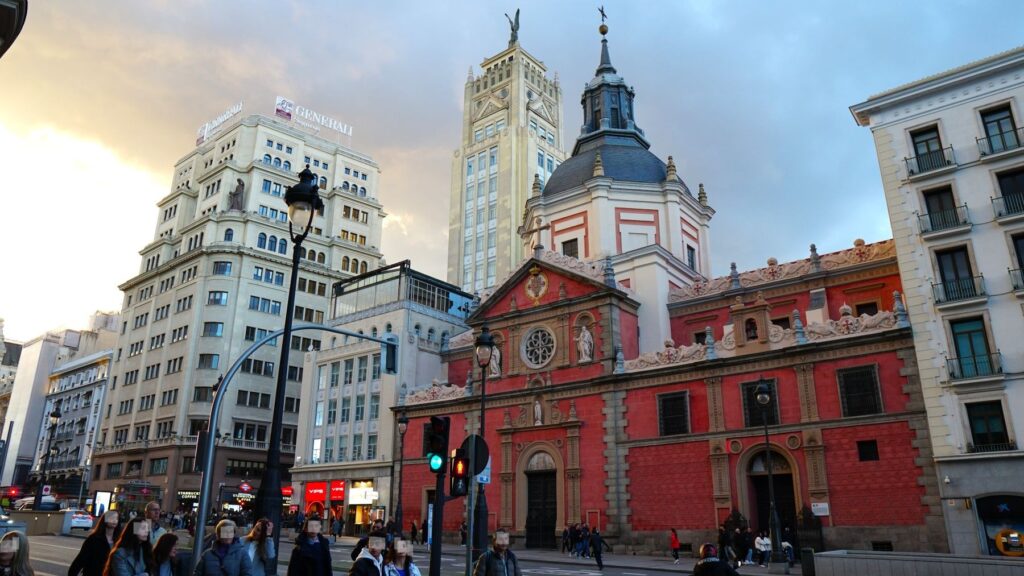
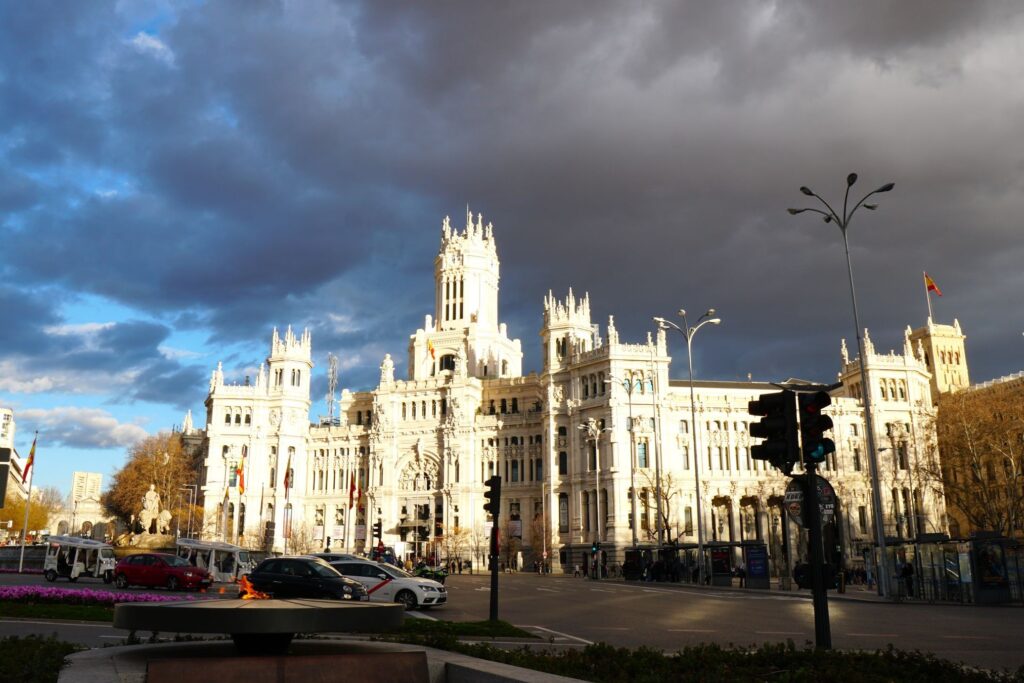
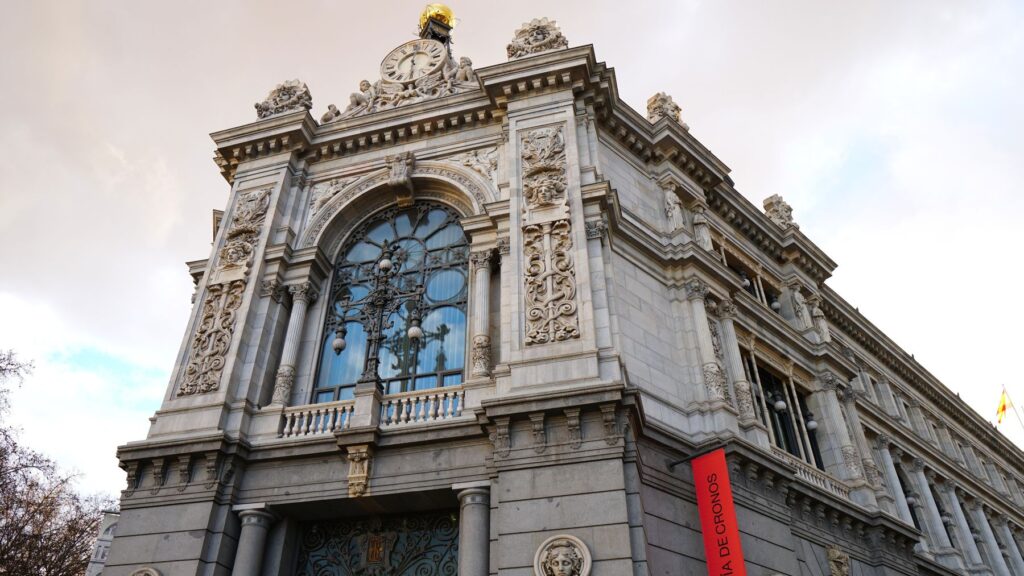
Key landmarks include:
- Edificio Metrópolis: A Beaux-Arts beauty with a winged Victory statue and gleaming dome
- Telefónica Building: Spain’s first skyscraper (1929) blending Art Deco and Neo-Baroque styles
- Carrion Building: Famous for its curved facade and iconic neon Schweppes sign. It sits next to alacio de la Prensa (1920s), a nod to Spanish Renaissance revival.
Shopping Tips (inside/near Gran Vía): From Luxury to Bohemian
- Serrano Street (Salamanca): Madrid’s Rodeo Drive, where Gucci and Chanel nestle between 19th-century mansions. (📍Calle de Serrano, 28006)
- Malasaña: The hipster heart of Madrid, packed with vintage shops, indie designers, and graffiti-lined cafés. (📍Malasaña, 28004)
- El Rastro flea market: Sundays burst to life with antiques, second-hand goods, and cultural curios. (📍Plaza de Cascorro, 28005)
- Fuencarral Street: Edgy boutiques and art galleries—think vinyl records, local designers, and specialty coffee. (📍Calle de Fuencarral, 28004)
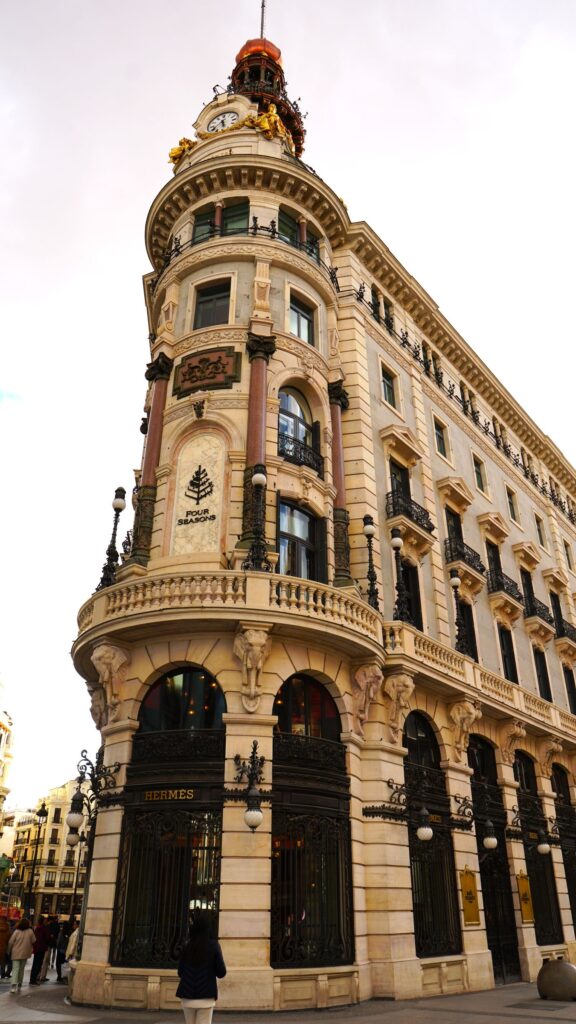
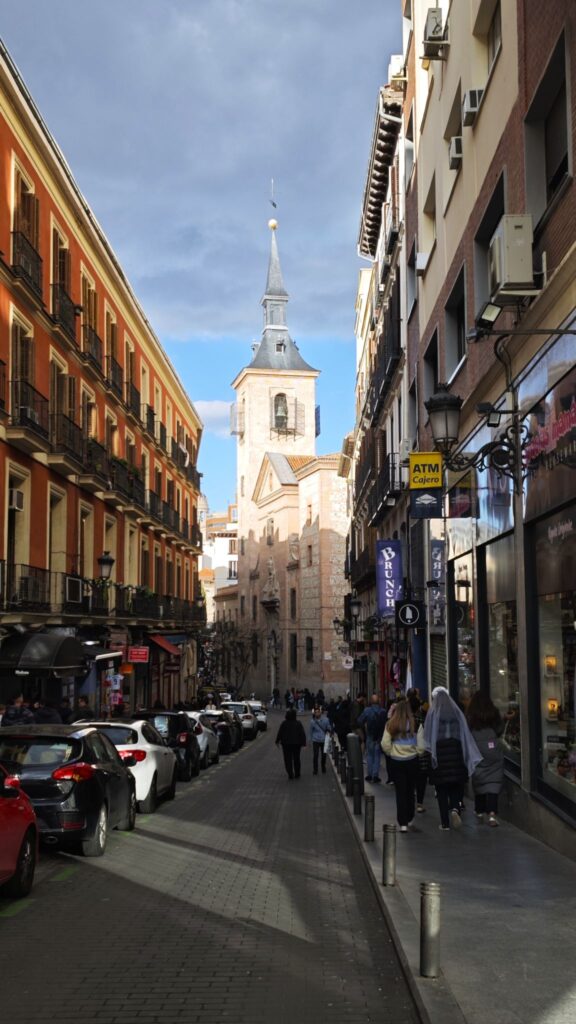
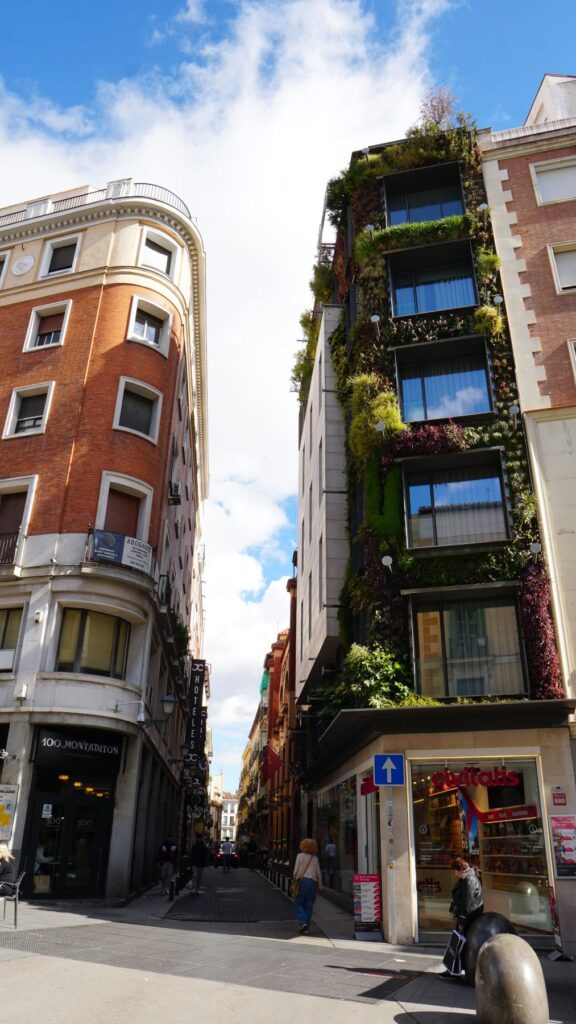
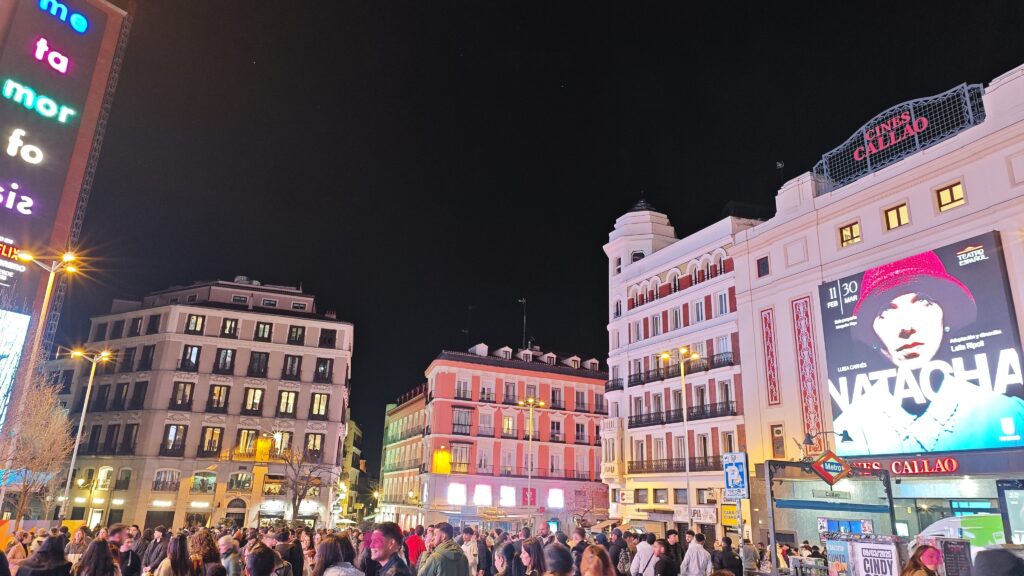
As dusk falls, Gran Vía glows in neon, theaters come alive, and Madrid’s pulse quickens. Follow the neon glow reflected off sculpted stones, and enjoy the buzz of “Spain’s Broadway.”
Plaza Mayor: Madrid’s Living Canvas of Light and Shadow
📍 Plaza Mayor, 28012 Madrid
🚇 Sol/Ópera metro stations
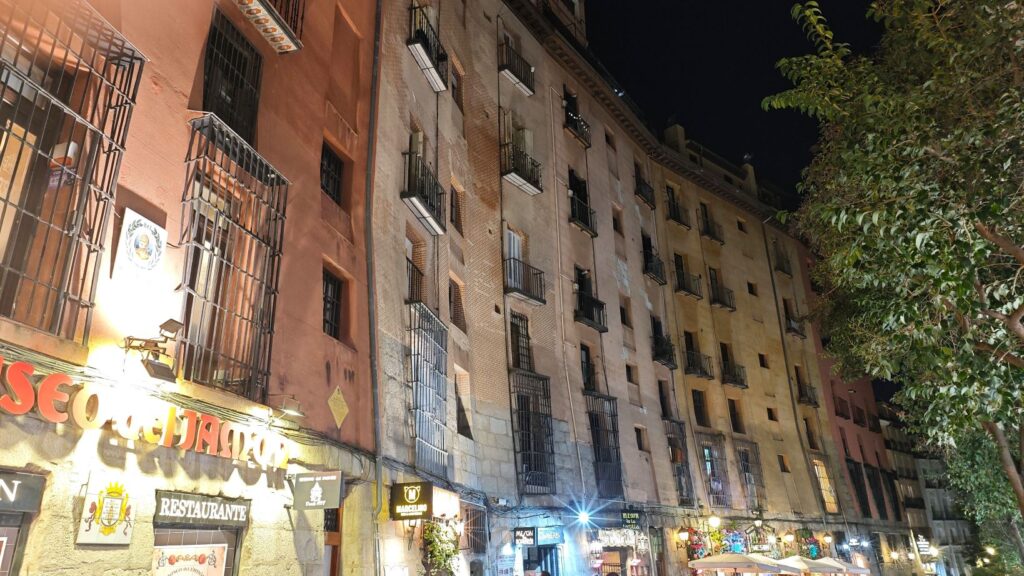
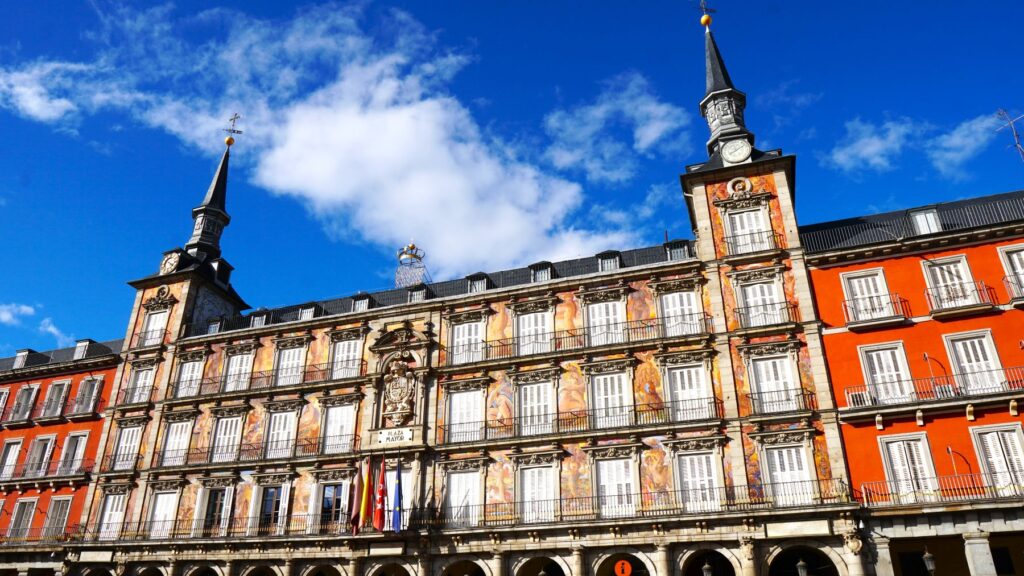
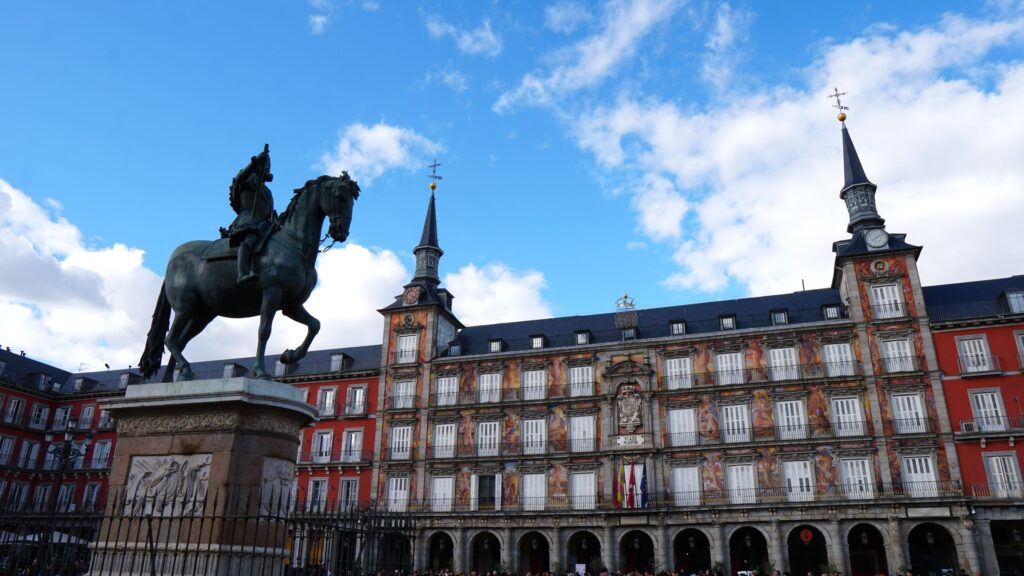
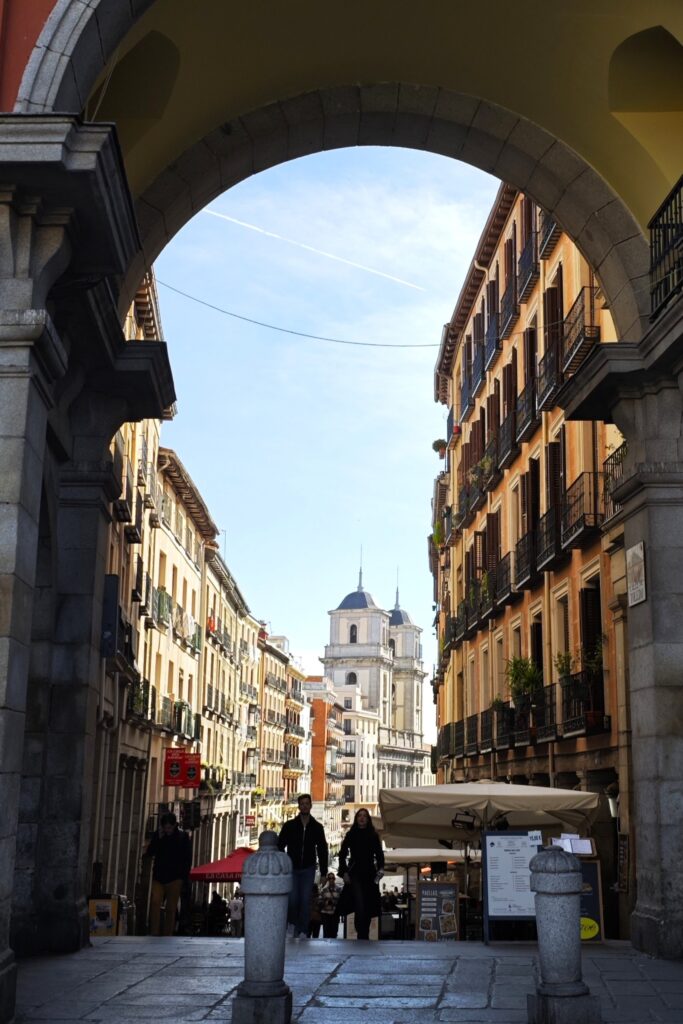
Beneath the warm glow of 237 wrought-iron balconies, Plaza Mayor presents a magnificent Baroque stage, with its three-story residential buildings, their slate spires and frescoed arches.
This grand 17th-century square, enclosed by crimson-hued buildings adorned with intricate carvings, pulses with street performers 🎬, artistry sketch portraits, and aroma of sizzling bocadillos de calamares (fried squid sandwiches) wafting from bustling cafés.
A Square of Two Faces
In the 16th and 17th centuries, Plaza Mayor served as a site for public executions during the Spanish Inquisition. The square saw thousands of so-called “heretics” condemned to death. Gallows stood in the center, while nobility watched from the balconies above as crowds gathered to witness these grim spectacles.
The 19th and 20th centuries saw history’s drama continue to unfold on this grand stage —Napoleon’s troops marching in 1808, revolutionaries demanding democracy in 1868, and civil war clashes in the 1930s.
“Every stone here has witnessed both revelry and suffering—that’s why Madrileños celebrate life so fiercely.”
— local historian María López
Over the centuries, the square has endured three devastating fires. Rebuilt each time, it’s now marked by the equestrian statue of Felipe III, the king who transformed this space from marketplace to royal plaza.
Puerta del Sol: Where All Roads Begin
📍 Puerta del Sol, 28013 Madrid
🚇 All metro lines converge here—you literally can’t miss it
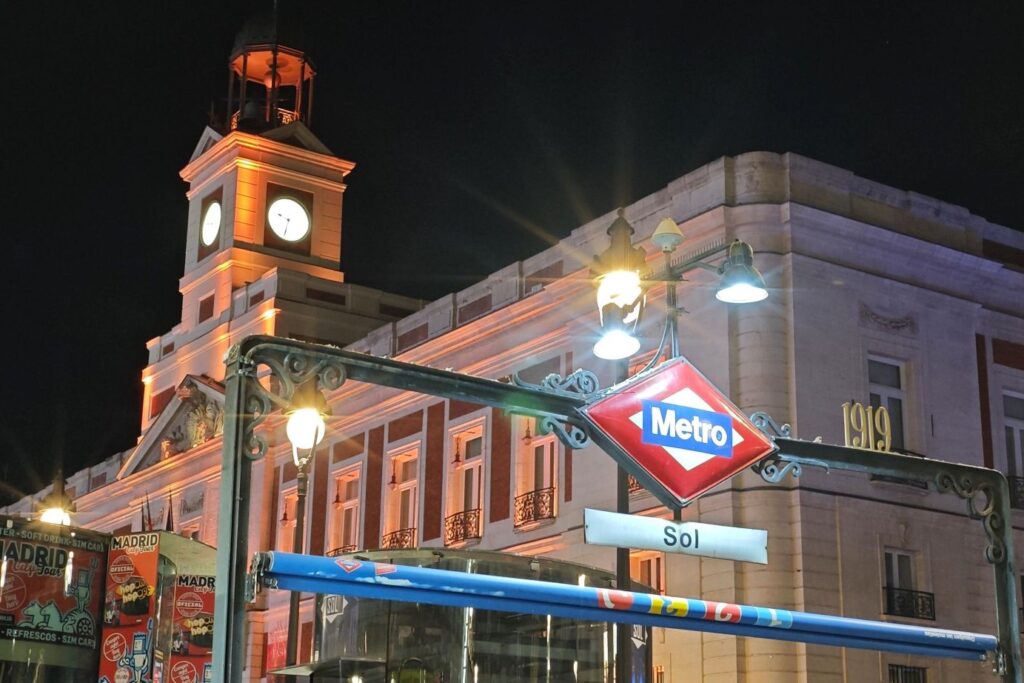
Puerta del Sol translates as “Gate of the Sun”. The name dates back to the 15th century, when a city gate once stood on this site. That eastern gate faced the sunrise, and each morning, sunlight would pour through its arches — hence the poetic name.
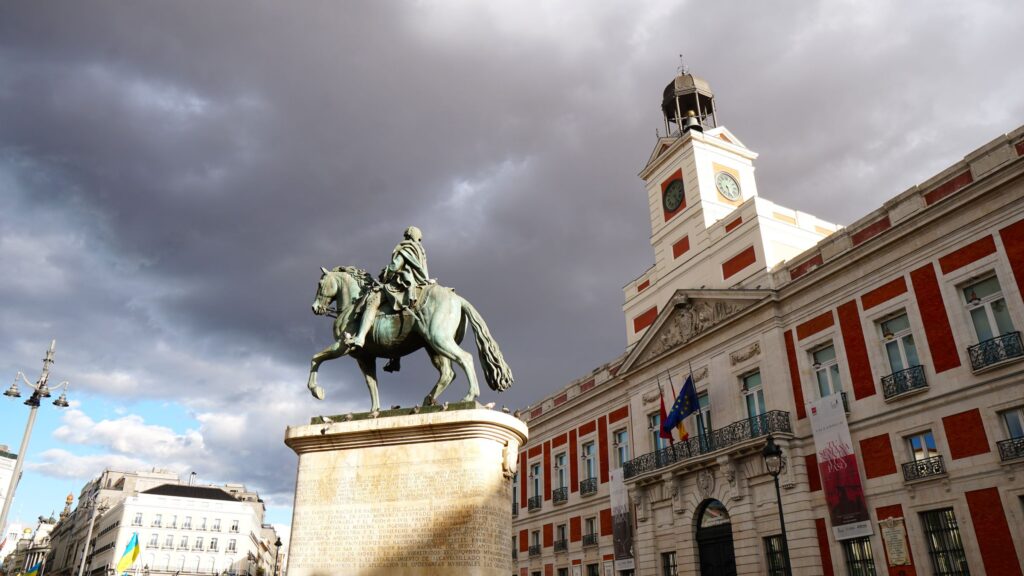
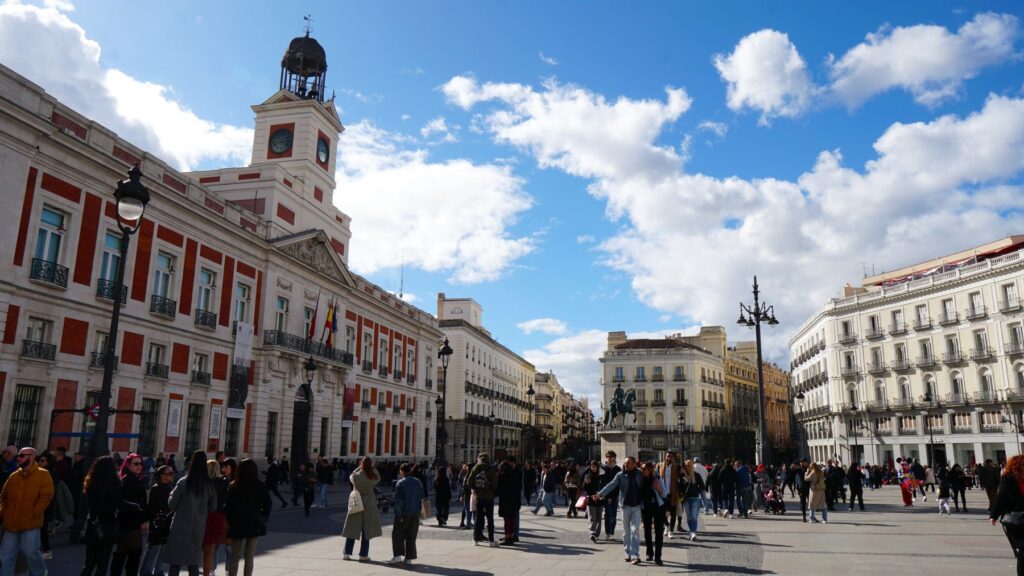
Step into the square and you’re standing at ground zero of Spain itself. Known as “Kilómetro Cero,” it’s the origin of every road across the country.
Bend down near the Casa de Correos (the old postal office, now Madrid’s government HQ) and you’ll find a small but mighty symbol: a plaque marked “Kilómetro Cero“. From this humble circle, all distances on Spain’s national road network are measured outward — making it the country’s official starting point.
A Square of Symbols
Look around and you’ll see Madrid’s story in bronze and stone:
🐻 The Bear and the Strawberry Tree: This adorable statue is Madrid’s official coat of arms and the city’s favorite mascot!
🏛️ King Carlos III on horseback: The “best mayor of Madrid” watches over the city he helped modernize.
⏰ The Clock of Destiny: The tower where Spaniards gather on New Year’s Eve to eat 12 grapes — one per chime — to bring good luck for each month of the coming year.
Puerta del Sol has also witnessed history: revolutions, protests, victories, and vigils have all unfolded on its stone tiles. Today, it’s surrounded by shops, restaurants, and historic cafes (such as the nearby Chocolatería San Ginés); and remains a place of celebration, where locals gather to cheer their football team and ring in the New Year.
“Every Spaniard passes through Sol eventually—it’s where we protest, celebrate, and always find our way home.”
— Marta, Madrileña tour guide
Plaza de España
📍 Plaza de España, 28008 Madrid
🚇 Metro: Plaza de España (Lines 3 & 10)
At the crossroads of Gran Vía and Calle de Alcalá is the Plaza de España, a tribute to Spain’s greatest storyteller.
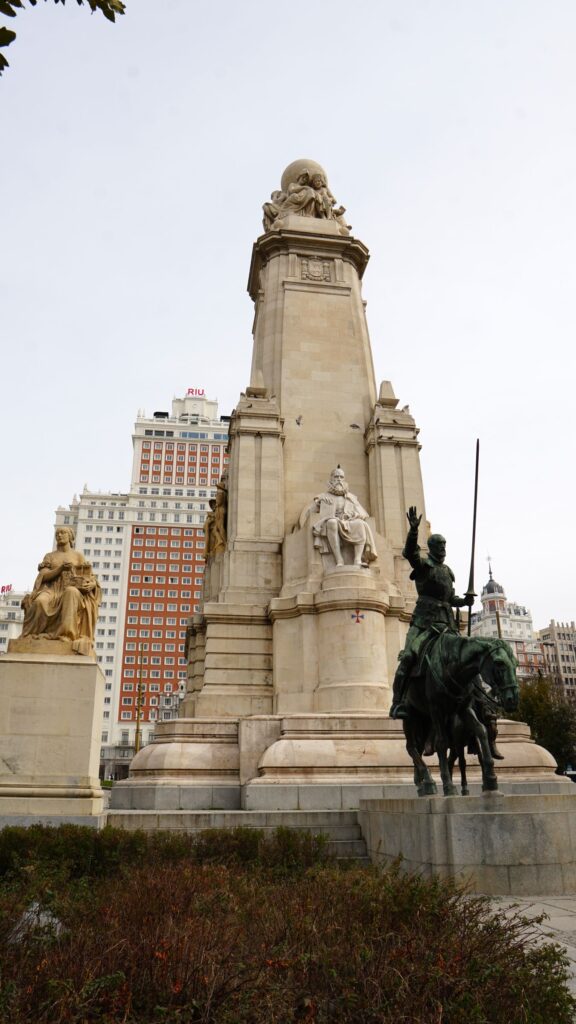
The centerpiece is the Monumento a Cervantes. High atop the stone tower sits Miguel de Cervantes, the mastermind behind Don Quixote.
Below him, cast in bronze, are the characters that defined his legacy — Don Quixote, tilting at windmills, and his faithful Sancho Panza.
Flanking them are his beloved Dulcinea and her duality. Five figures cradle a globe atop the spire, symbolizing that Don Quixote conquered the world.
“He who loses wealth loses much; he who loses a friend loses more; but he that loses his courage loses all.”
– Miguel de Cervantes
The monument was nearly never built, as funding ran out in 1929, leaving Cervantes “armless” until 1960!
Behind the monument loom the Torre de Madrid & Edificio España. These 1950s skyscrapers offer some of the best sunset views over the city.
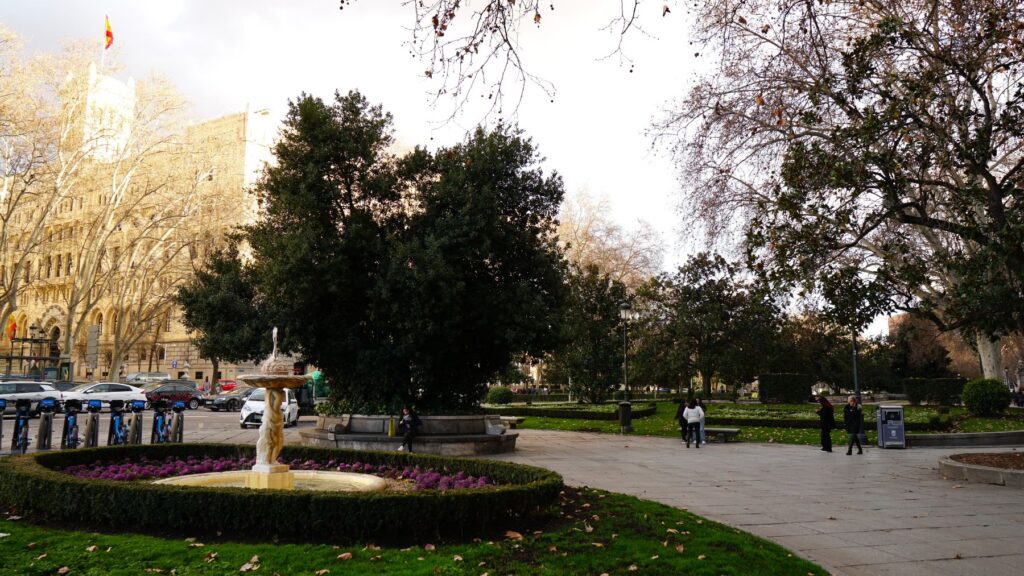
In the gardens close-by, you can see locals napping under lush trees while fountains drown out traffic noise.
Although all these sites are close to subway stations, they’re also very walkable.
✅ Suggested Route:
- Gran Vía (Start here, near middle or eastern end of Gran Vía, e.g. Gran Vía metro station or Sevilla)
- → Puerta del Sol (7–10 mins walk)
- → Plaza Mayor (5 mins from Sol)
- → Plaza de España (15–20 mins walk)
Sobrino de Botín: Dining in Madrid’s Culinary Time Capsule
📍 Calle de Cuchilleros, 17, 28005 Madrid
⏳ Remember to book ahead!

Step through the wooden doors of Sobrino de Botín, and you’re descending into the world’s oldest restaurant (Guinness-certified!), a 17th-century cave where Hemingway scribbled notes over suckling pig bones.
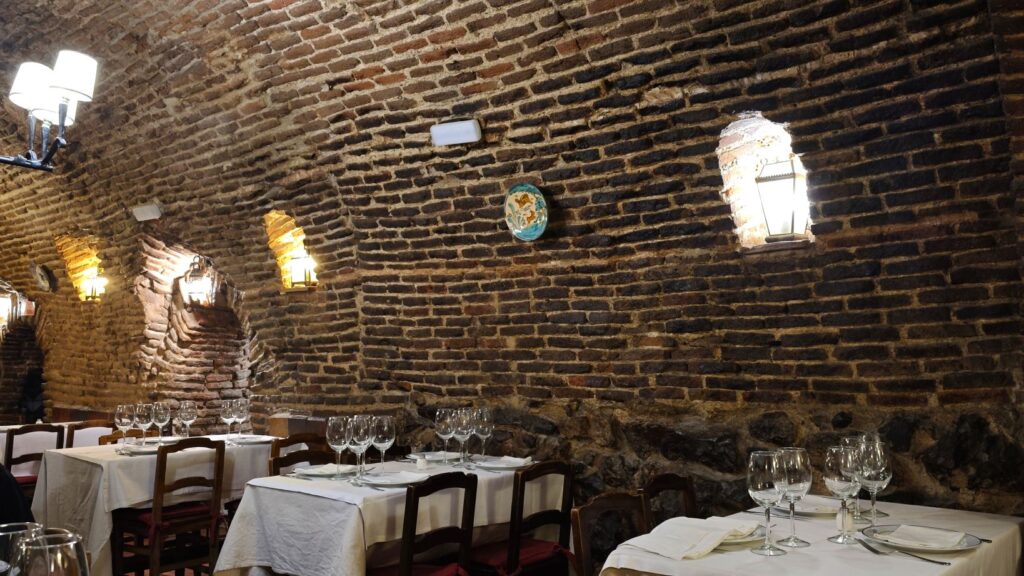
Founded in 1725, Botín has served meals for nearly 300 years, and once even had the great Francisco de Goya working here as a dishwasher before fame came calling.
Our Meal
🍷 Sangría:
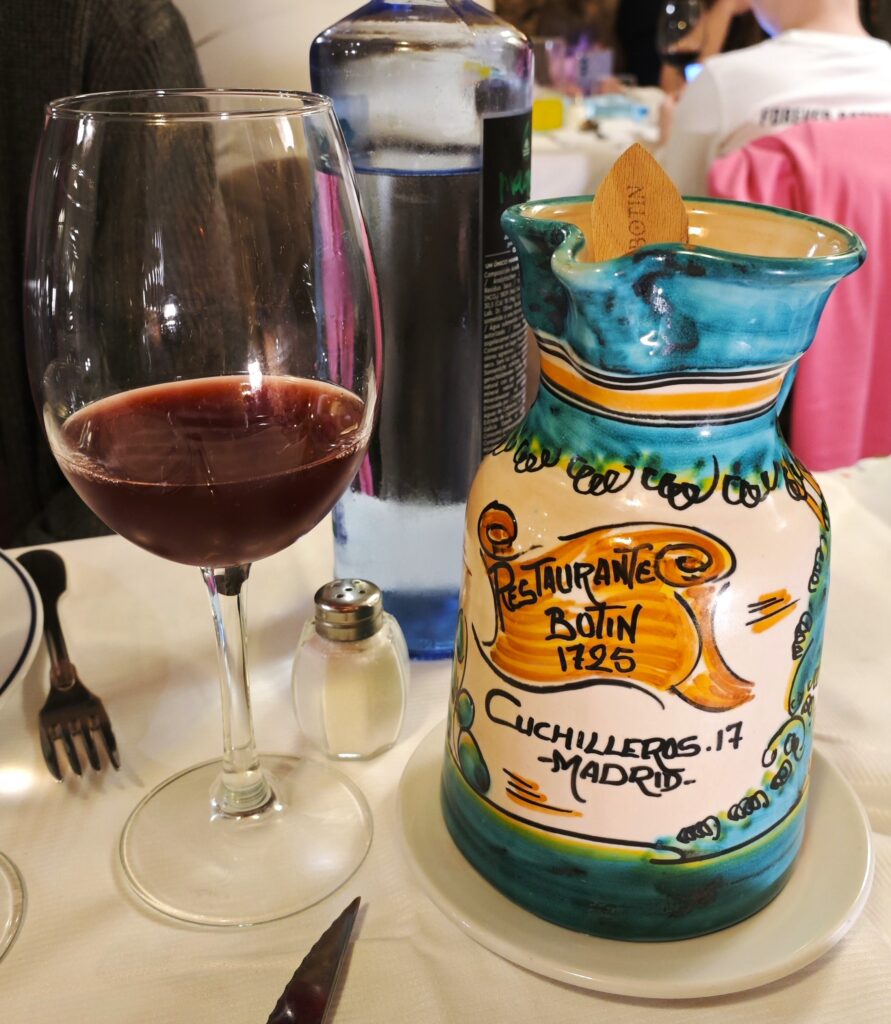
We started with Spain’s famous fruit wine, made with red wine, chopped fruits, brandy, and a splash of soda.
This version was light in flavor, medium sweet, and low in alcohol—a refreshing start, like adult grape juice with a hint of cinnamon.
🥓 Appetizer:
Morcilla de Burgos (Black Sausage from Burgos):
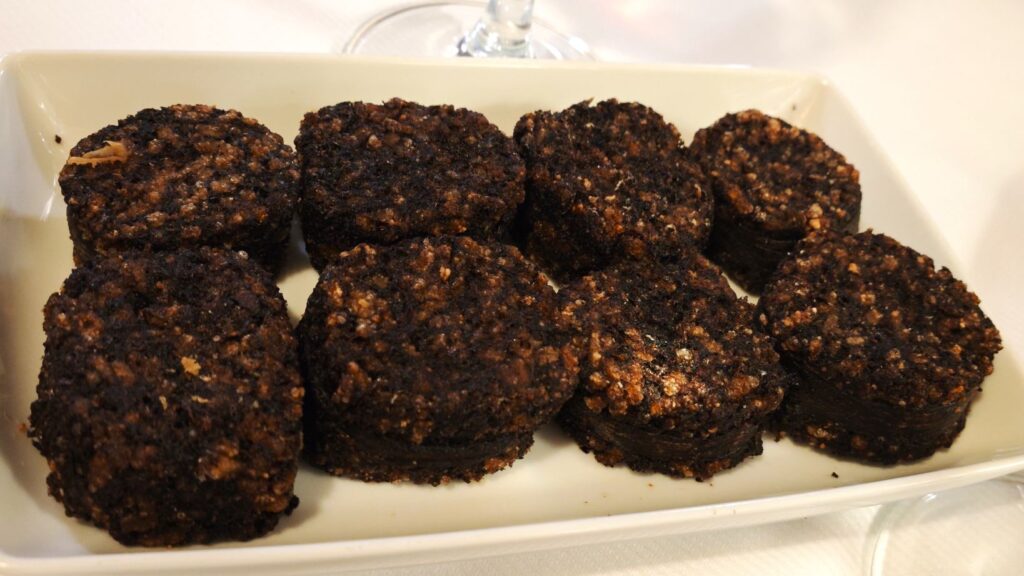
Our first bite was black sausage (Morcilla) from Burgos, a historic city in northern Spain known for its medieval cathedral and distinctive sausage. This grilled delicacy came with a crunchy casing, packed with sticky rice, fat, and spices.
Morcilla is made with pig’s blood, rice, onions, and seasonings—hence the inky-black color. Surprisingly, it wasn’t overly salty. Instead, it was savory, rich, and crackles with caramelized edges.
Artichoke Heart with Iberian Ham:
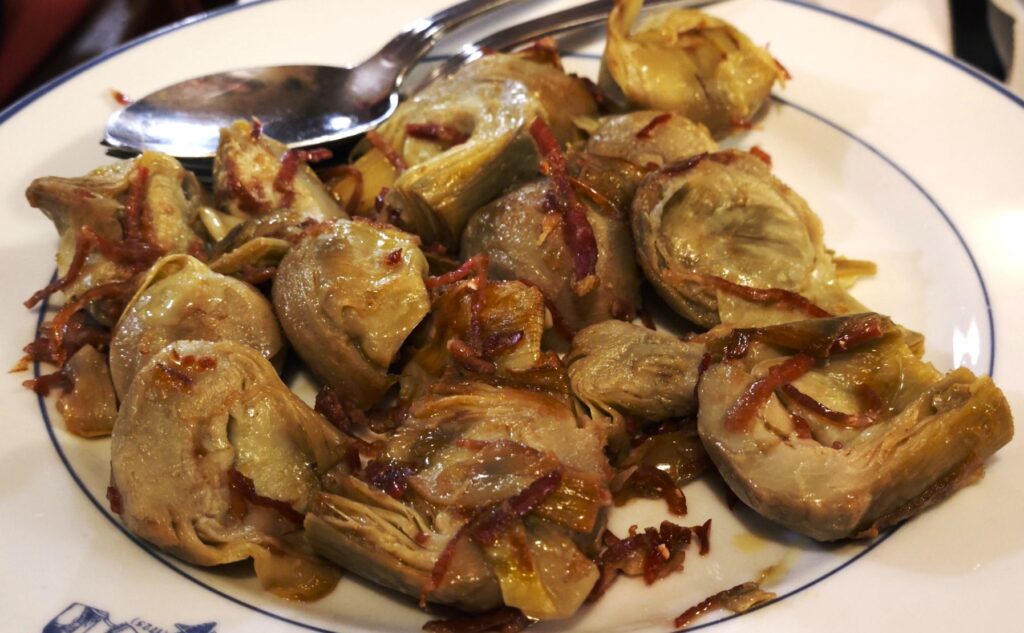
Then came the artichoke hearts, tender and juicy, topped with Iberian ham. The finely aged meat brought a deep, savory flavor, melting in the mouth, while the silky ham fat seeped into the artichoke’s earthy heart. The artichokes themselves were light, vegetal, and full of moisture.
🍖 Mains:
Cochinillo Asado (Roast Suckling Pig):
The house specialty that made Botín legendary.
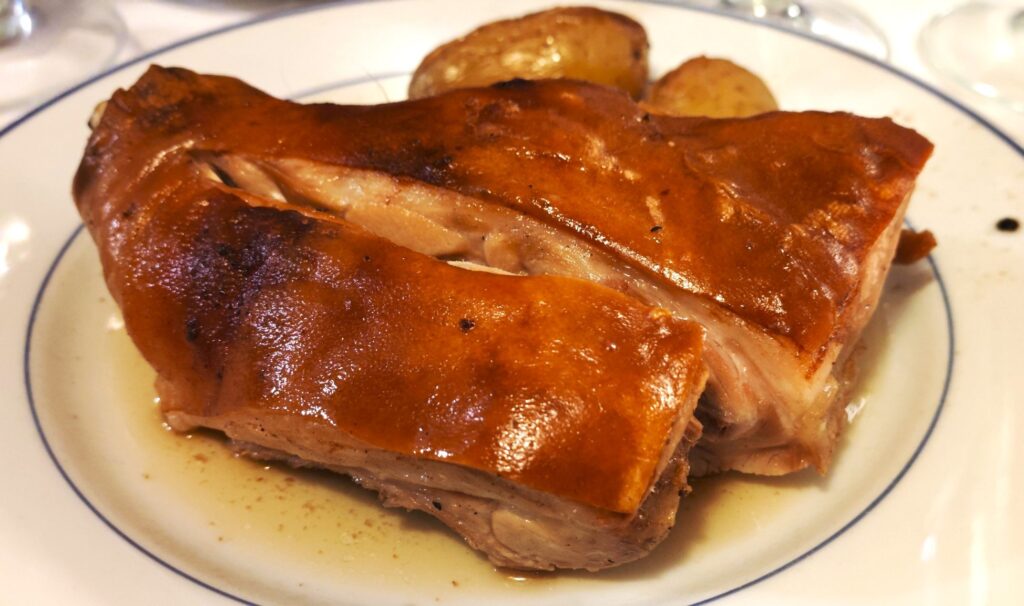
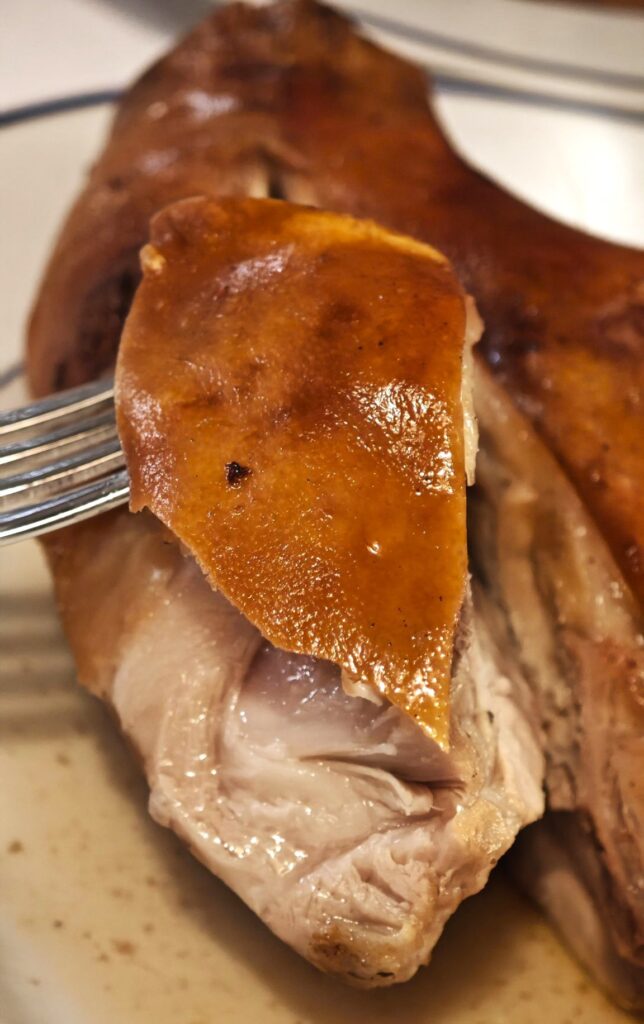
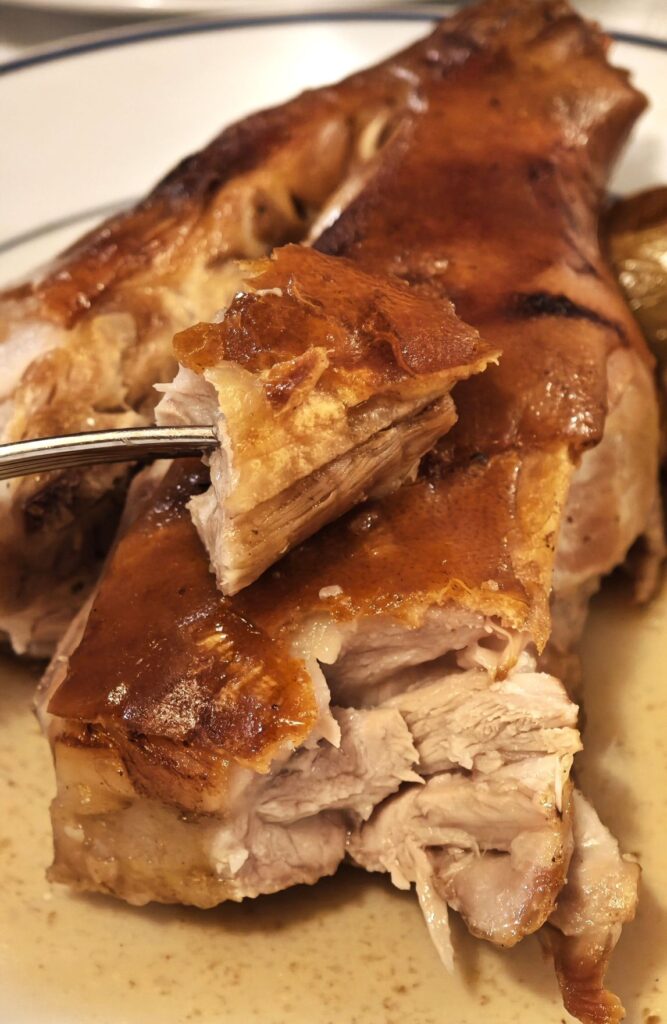
This dish is slow-roasted in a centuries-old wood-fired oven, a process that makes the skin so crisp it shatters like stained glass, and the meat so tender it’s spread with a spoon.
The science behind is that they use small pigs that’re milk-fed for 21 days.
Piglets nurse only on mother’s milk (zero solid food), creating flesh that’s sweet, snow-white, and almost buttery. Unlike older pigs, their meat has no strong “porky” notes—just pure, delicate richness.
As the collagen hasn’t fully formed at 3 weeks old, the meat melts like foie gras under crispy skin.
Grilled Filet Mignon Botín:
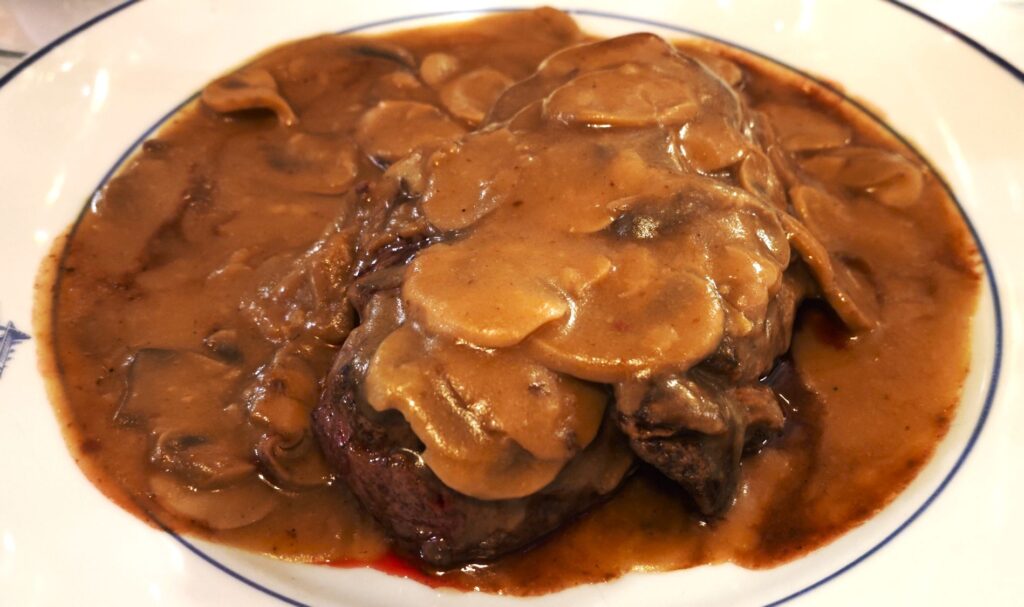
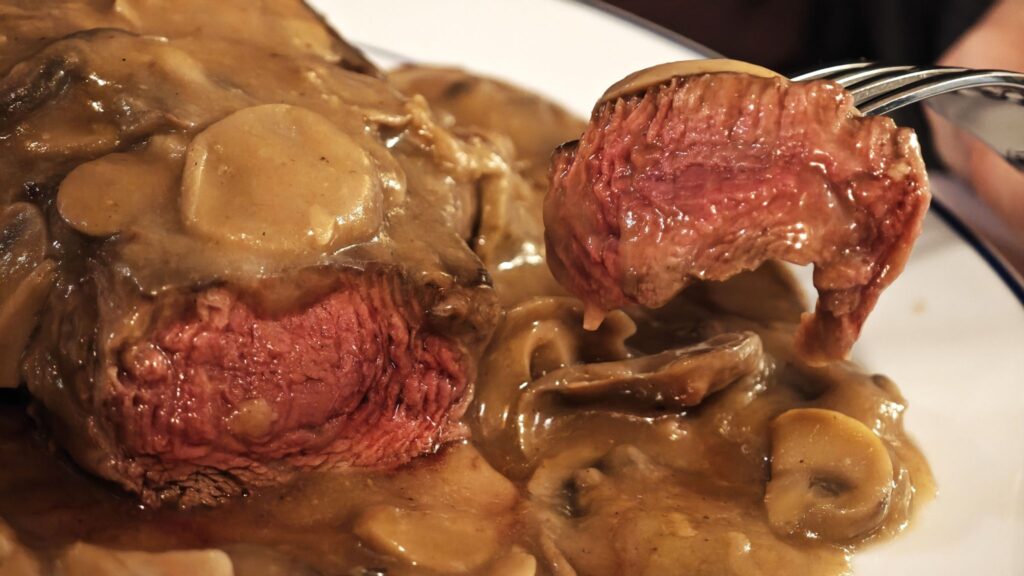
Next was the Filete Botín, arriving blushing medium-rare under a lush, creamy mushroom sauce. The meat was beautifully red inside, peppery, tender and substantial. The sauce added a comforting richness that paired wonderfully with the wine.
🍰 Dessert:
Tarta Botín:
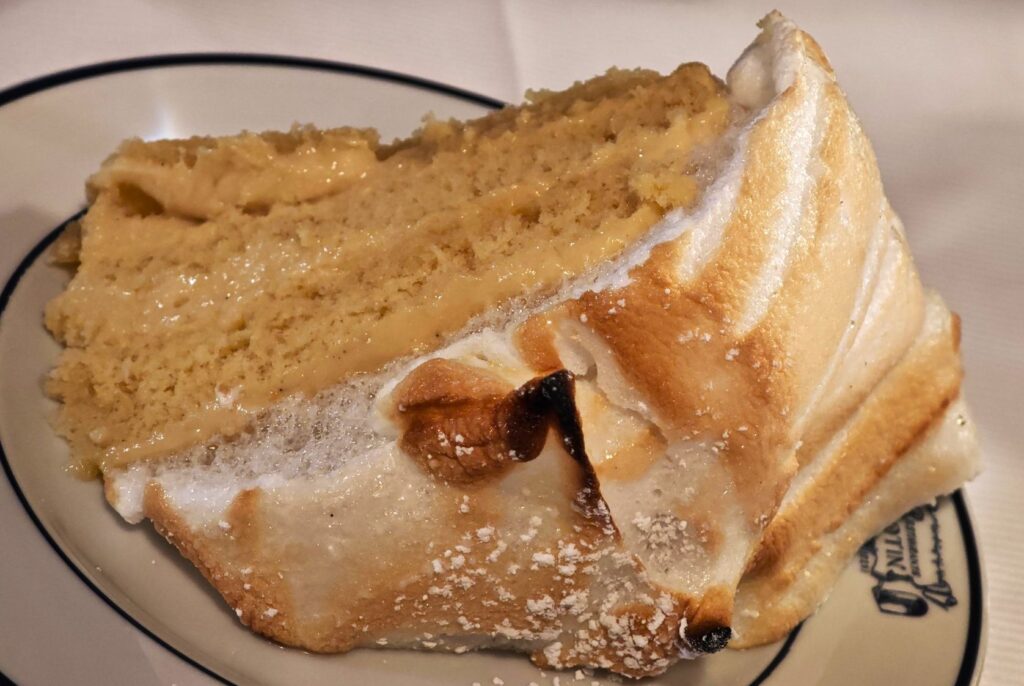
A cloud-like sponge cake layered with pastry cream, and topped with whipped cream. Light and airy, it melts on the tongue like a fusion of mousse, whipped custard, and marshmallow. The pastry cream tastes like iced pudding – cool, gently sweet with a hint of honey – while the cake itself is soft, puffy, and almost ethereal. A simple dessert that’s not overly sweet, and a perfect finish to a rich, roast-heavy meal.
Sobrino de Botín’s Underground Bodega
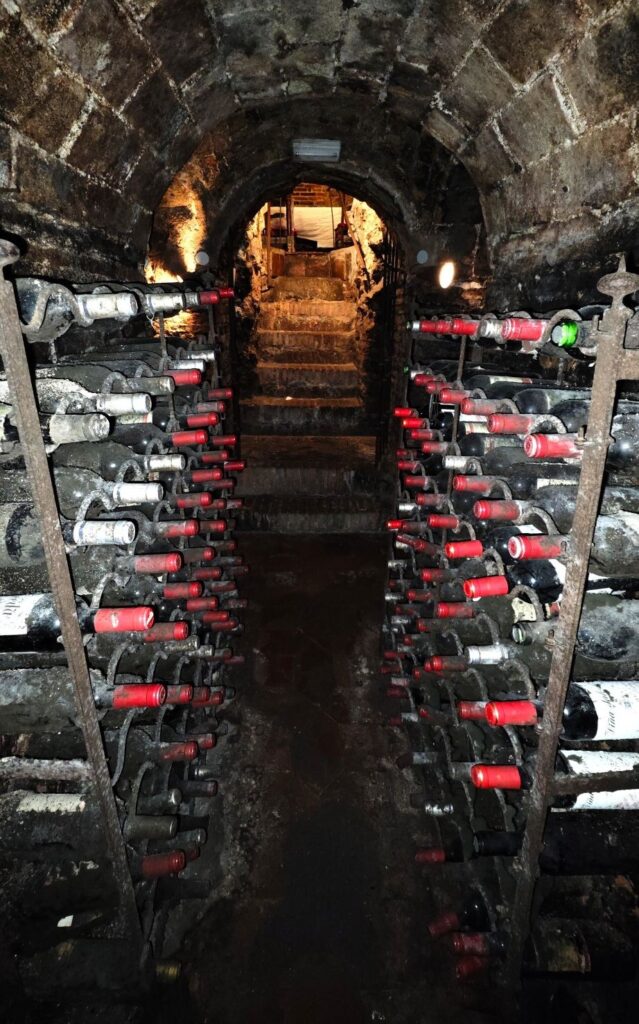
After the meal, we visited their underground wine cellar.
Carved directly into Madrid’s medieval foundations in the early 1700s, the vaulted brick ceilings were designed to maintain a constant 13°C (55°F)—perfect for aging Tempranillo.
It’s a creepy-crawly labyrinth of dusty bottles, with a ghostly charm.
Story goes that it used to be Napoleon’s hidden hoard: During the 1808 French occupation, staff bricked up a back alcove to hide prized bottles from looters. The sealed niche was only rediscovered during 1920s renovations.
The “Ghost Bottle”, a dusty 1785 Rioja, sits untouched behind glass. Legend says it’s reserved for Cervantes’ ghost…
After-Dark Madrid
As the meal at Botín winds down, Madrid’s nightlife starts. For glittering skyline views, head to a rooftop bar, where mixologists shake up gin-tonics with panoramic views of the city’s skylines. If you prefer something earthier, try La Latina’s Cava Baja, a cobblestone strip where 17th-century buildings lean like tipsy revelers.
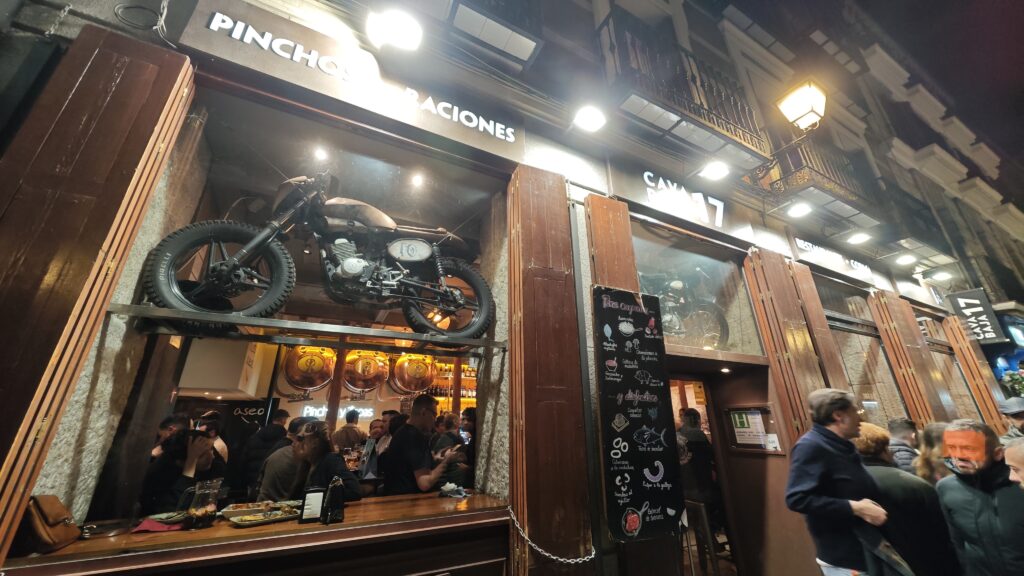
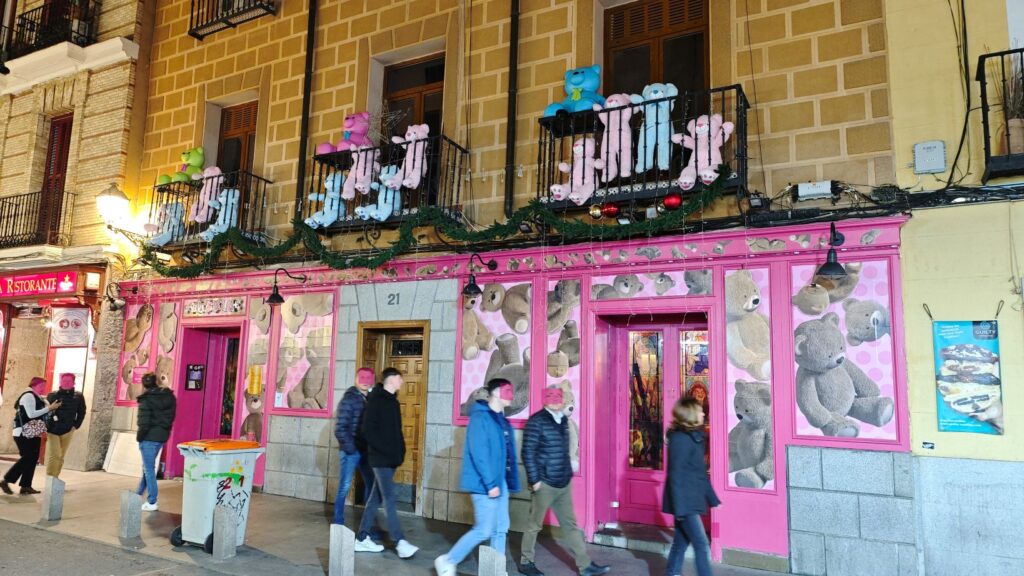

This area echoes the spirit of old Madrid—a maze of quirky bars, artisan shops, tiny tapas joints slivering jamón straight from the leg, and street arts glowing under vintage lamplight.
Next Time on Madrid…
We’ll be heading for tiaras and gold-leafed halls at the Royal Palace, then for the candy-striped dome of Almudena Cathedral’s. As the sun sets… we’ll cap it off with a flamenco show. The kind that makes your pulse race and heart crack wide open. Until then – que la noche te lleve lejos (may the night carry you far).
Head to Picalagartos Sky Bar, the best top-down view of Gran Vía!
It is the bear and the precious strawberry my madrid kilometer zero.
I went to gran via, but I didn’t think it was a big deal, it’s a street full of people walking aimlessly.
España es bello ! Una vida no es suficiente para verlo todo 🥰
Should go shopping in Zara. There’re like 600 Zara stores in Madrid, and super cheap!
Madrid is so beautiful and classy!
fantástica
Shouldn’t miss santiago bernabeu, go watch a real madrid game, and take a picture with a baller.
La plaza España y sus alrededores son divinos 🥰
I have been in Madrid for 2 weeks and I don’t want to go back to my country 🥺
Your itinerary makes it feel like I’m part of a special forces unit 😂
Madrid’s city center is great, but I do feel like it’s missing a bit of greenery.
Maravillosa la gran via
todo tiene encanto en Madrid 🇪🇸 🥰🥰🥰🥰🥰
I recommend the sky bar at the Axel Hotel. There’s a pool that’s open to everyone, including non-hotel guests, for a fee of around €20 per day, if I remember correctly.
Thanks for writing about Madrid. It’s such an underrated city!
Why would you eat steak there? Makes no sense
When we were there, we got to see the original oven where they cook the pigs. I’m not sure if guests are still allowed to see it, but it’s definitely worth asking. It was such a cool experience.