After exploring the spiritual heart of Shangri-La in Ganden Sumtseling Monastery, it was time to answer the call of the wild. Our third day was dedicated to the legendary Pudacuo National Park. Located in Diqing Tibetan Autonomous Prefecture, it is the first national park in mainland China and a crucial part of the “Three Parallel Rivers” UNESCO World Heritage Site. Known for its pristine forests, alpine lakes, and wetland meadows, it’s often called “the place closest to heaven.”
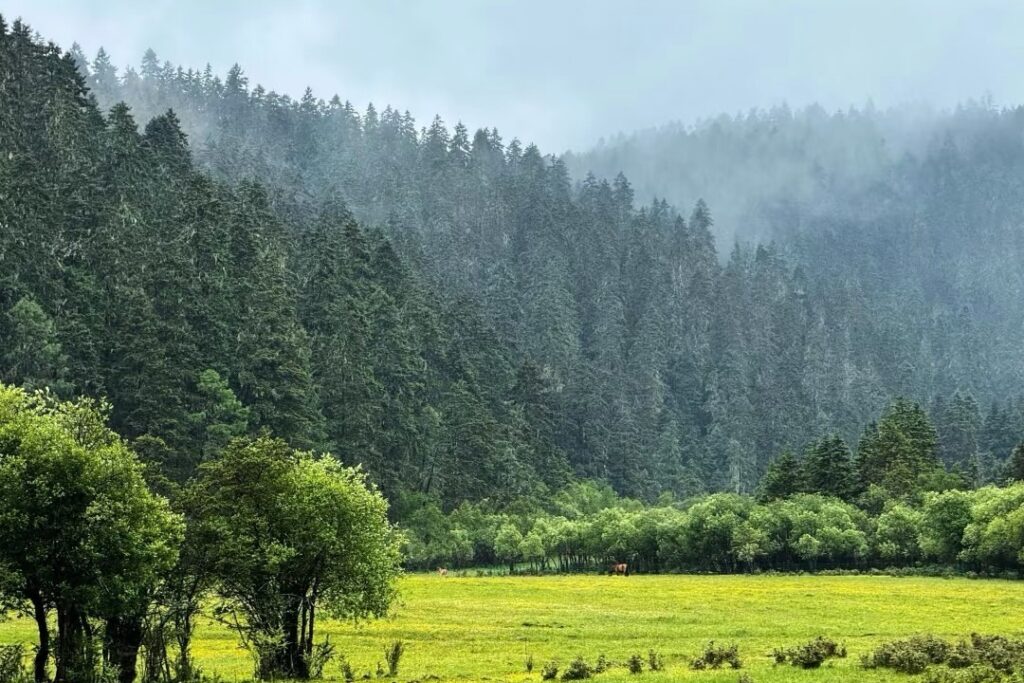
🏞 The Lay of the Land: A Quick Primer on the Park’s Ecosystems
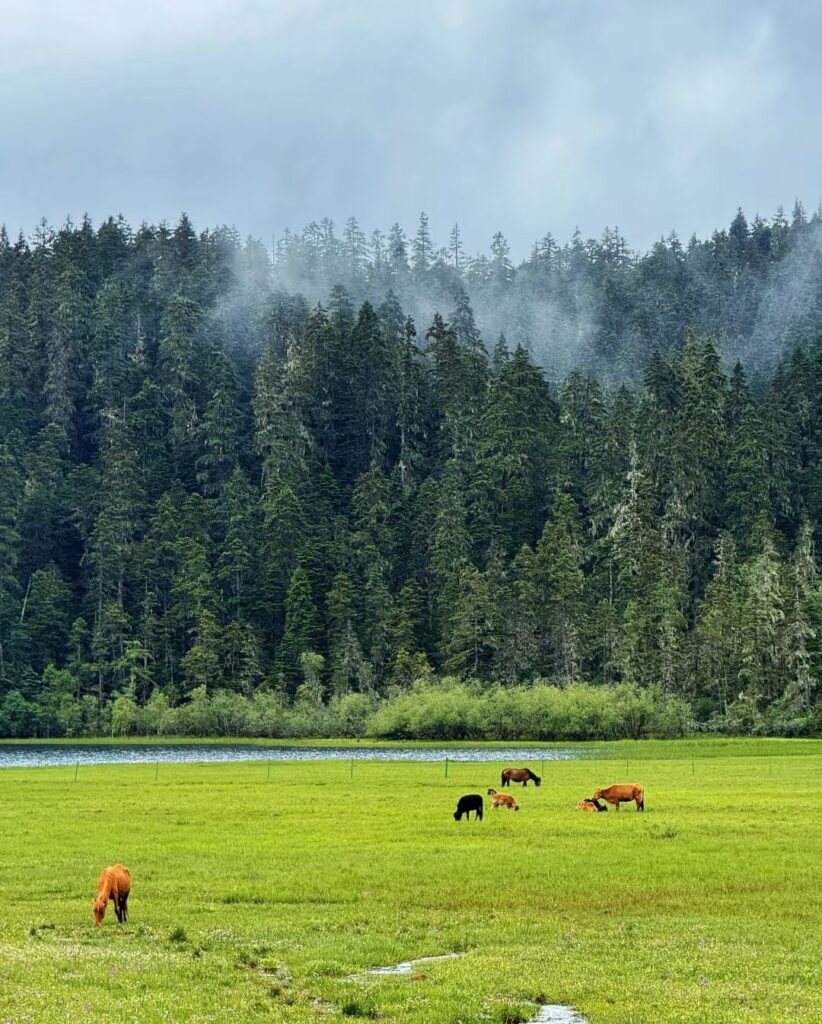
Shudu Lake (属都湖): At 3,700 meters, this is one of Shangri-La’s largest alpine lakes. The lakeside wooden boardwalk is the ideal path to take in the calm views, watch wild birds, and see sturdy livestock grazing freely beneath the sweeping sky.
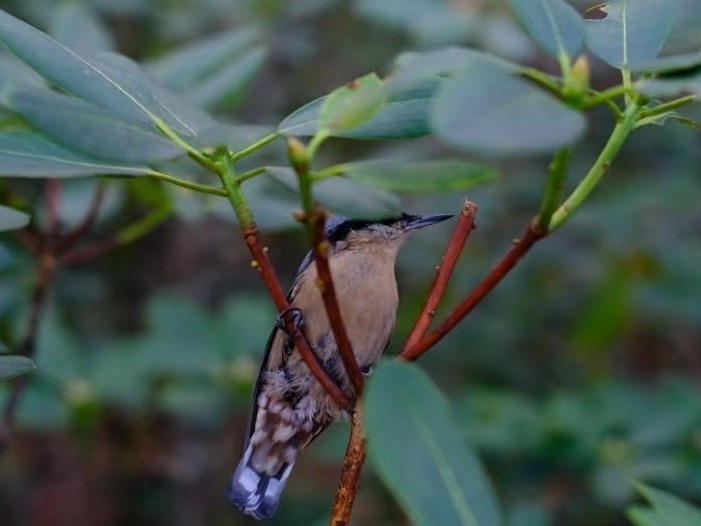
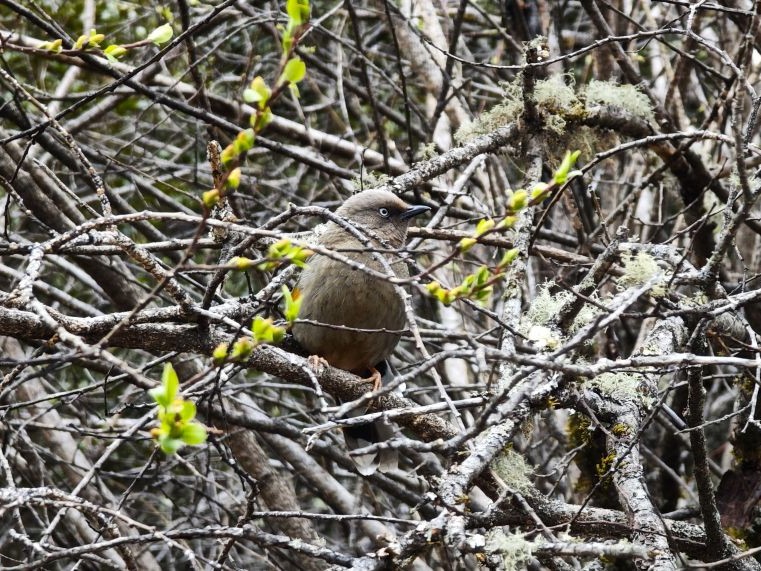
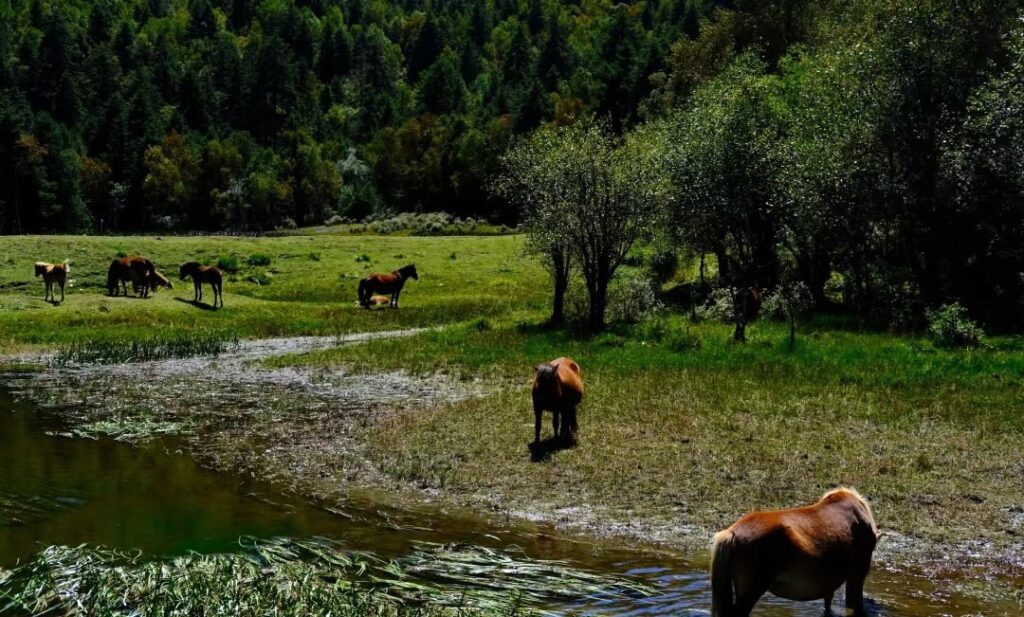
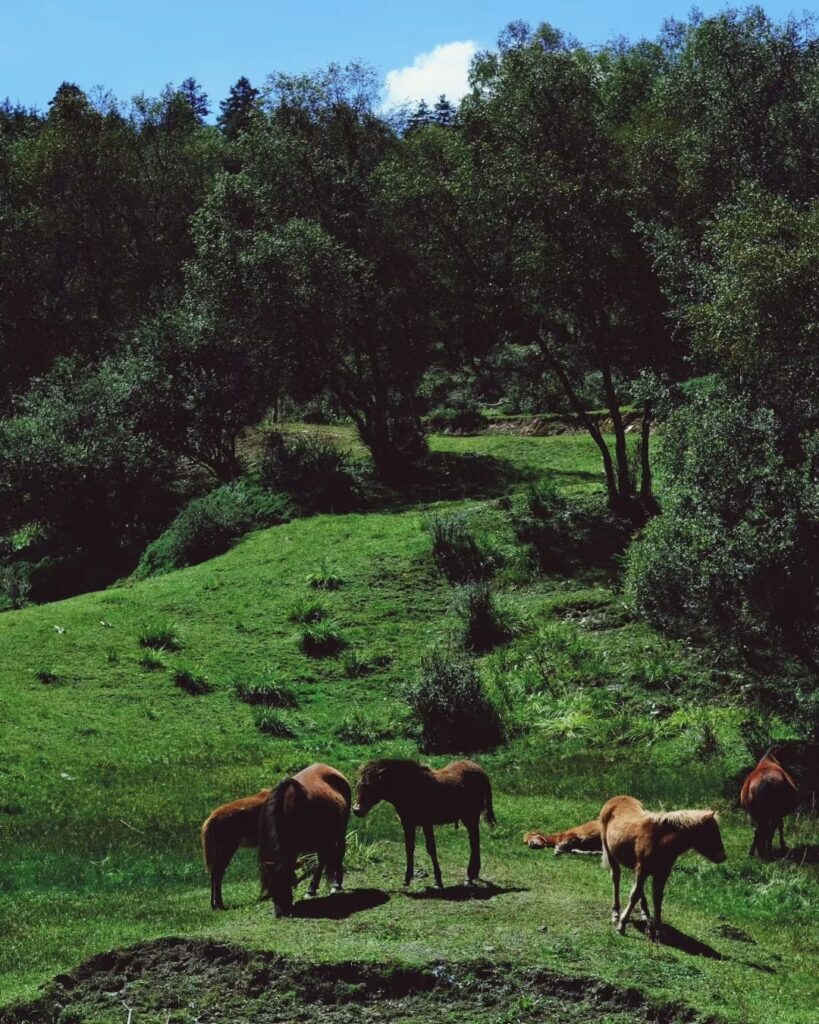
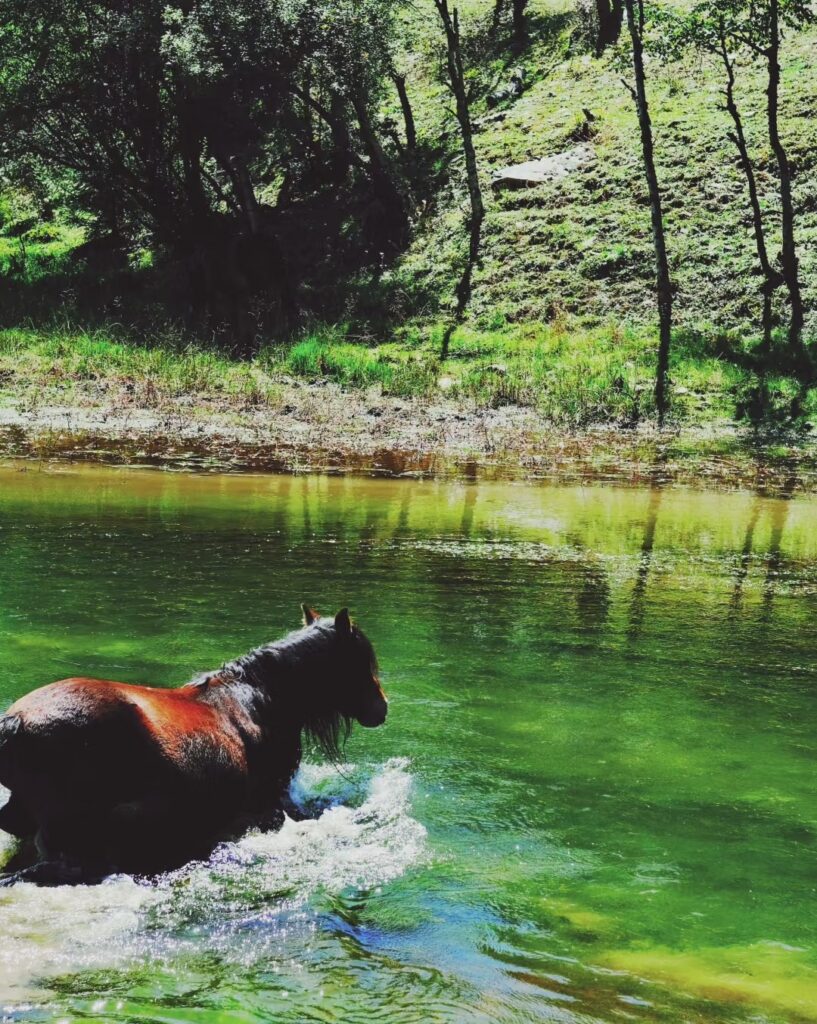
Bita Lake (碧塔海): Sitting at a lofty 3,538 meters, this is one of Yunnan’s highest lakes. Along its shores, wetlands and alpine meadows merge into a beautiful interplay, reflecting the mountains in calm, silver waters.
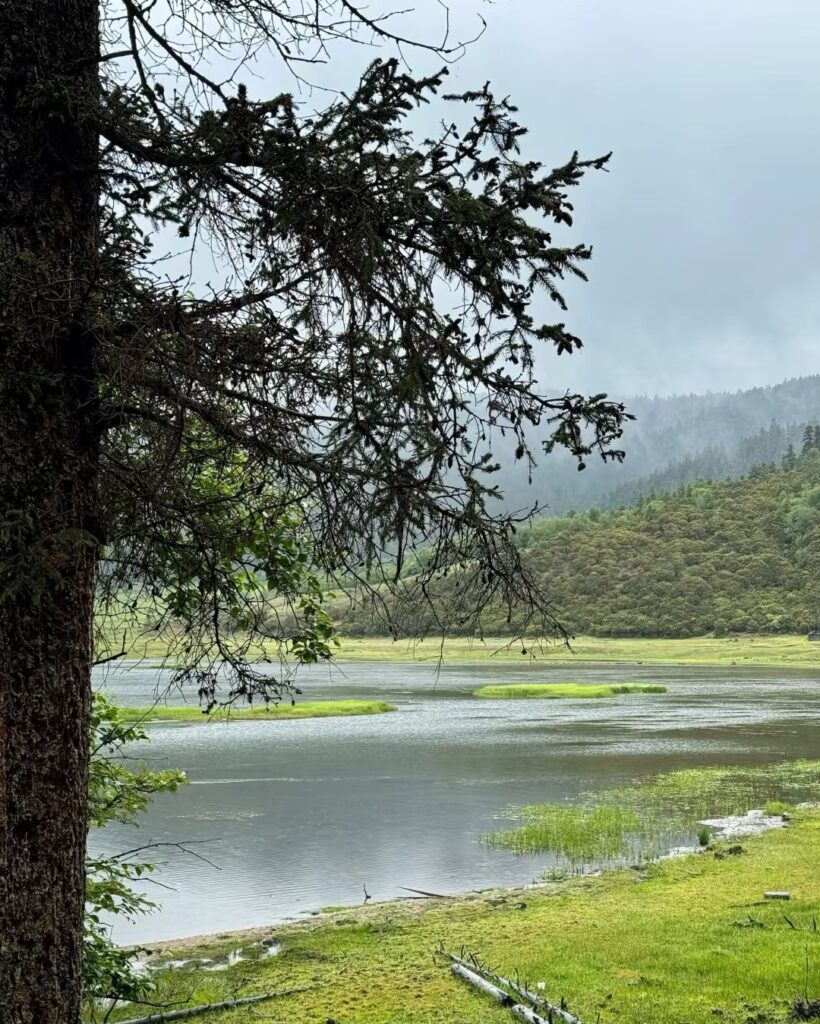
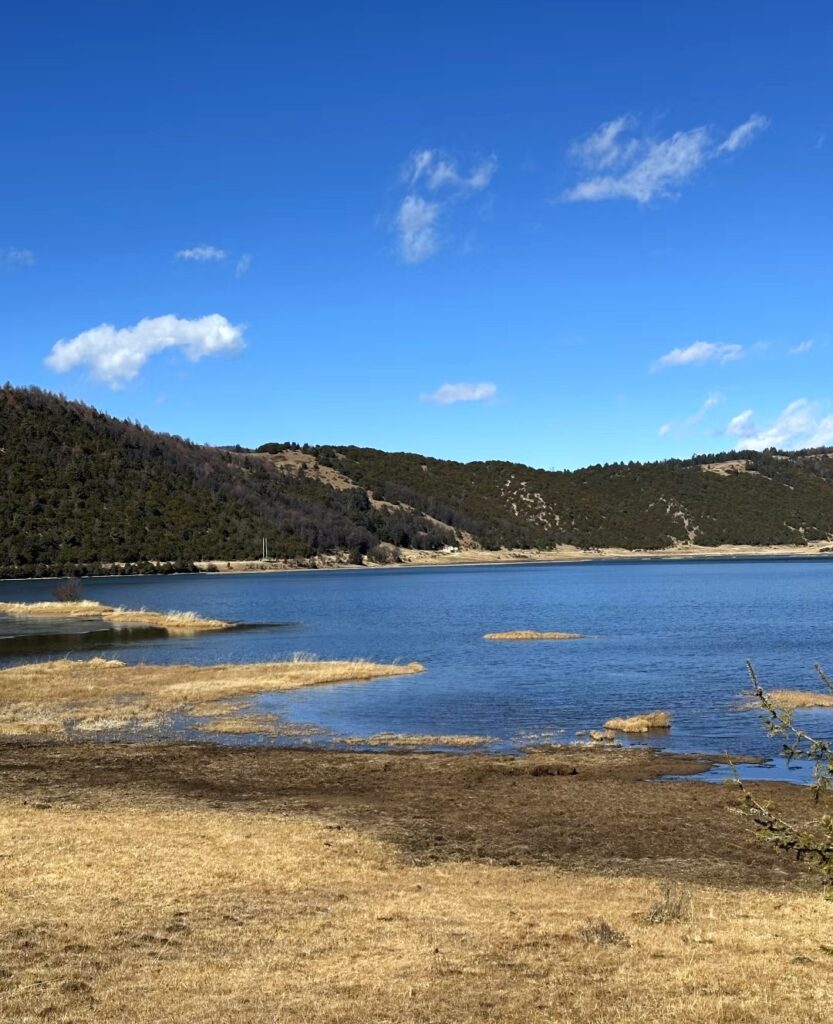
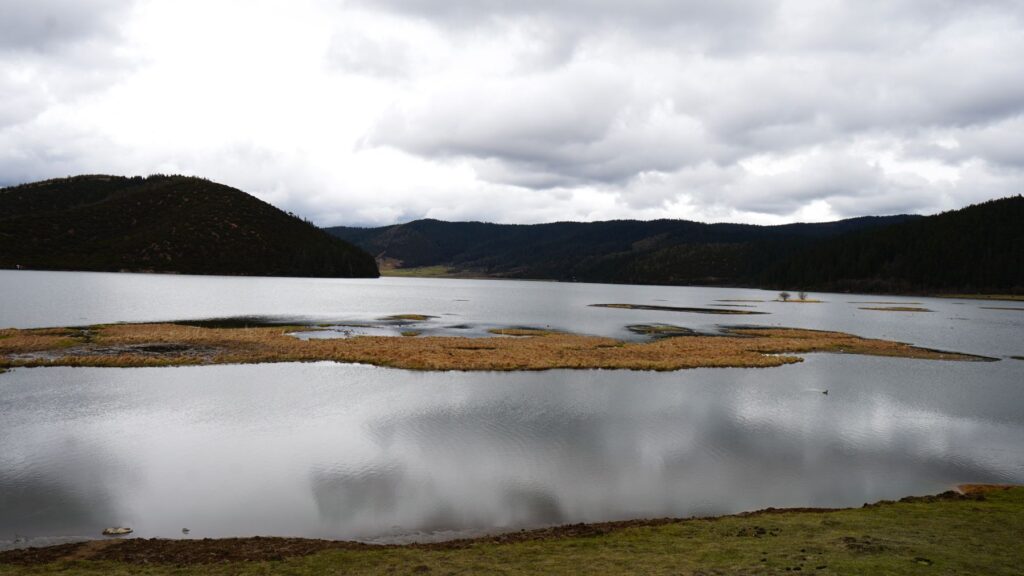
Militang Alpine Pasture (弥里塘高山牧场): Though closed to tourists since 2017 for ecological protection, this “Buddha’s Eye” meadow at 3,700 meters remains a symbol of the region’s vast, pastoral beauty.
🚌 Getting There and Tickets
A Smooth Journey:
You can take the convenient shuttle bus (15 RMB per person) from the East Gate (东门) of Dukezong Ancient Town. For a combo ticket of 178 RMB per person, you get your park entry, in-park shuttle rides, and the round-trip bus from the Dukezong Ancient Town. The ride is only about 25 km (30 minutes) and buses are frequent.
For flexibility, you can also ride a taxi, charter a car (around 180 RMB/day), or drive yourself — there’s free parking right at the entrance.
Pro-Tip for Tickets:
Tickets for the park can be bought online or at the gate, and the 138 RMB pass covers both the entrance and in-park shuttle buses. There’s also a 188 RMB “premium” ticket that includes a cultural video experience about a “Grassland King,” but we reckon it’s not necessary. If you’d like to ride the sightseeing boat at Shudu Lake, tickets are available separately at the dock.
Packing Essentials:
- Altitude Awareness: The park is above 3,500m. Portable oxygen can be a useful; you can buy it before the trip or from automatic vending machines inside the park.
- Layer Up! Yunnan weather is a fickle friend. We wore layers, carried a raincoat, and definitely needed sunscreen and hats.
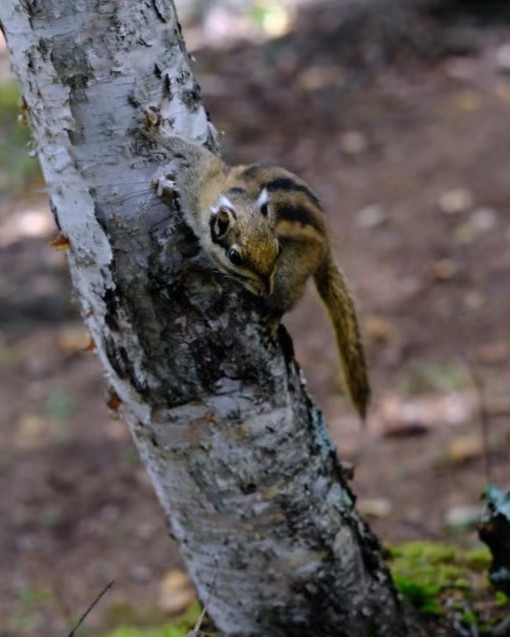
- Wildlife Friends: Bring some nuts! The squirrels here are incredibly friendly and will pose for photos in exchange for a snack🎬(👉0:45”).
- Light Snacks: Pack some water, jerky, and candy for energy, but don’t weigh yourself down. There’s a fast-food restaurant at Bita Lake for drinks and a hot meal.

🚌 Our Pudacuo Step-by-Step Guide
Recommended Route: Visitor Center → Youyou Trail (2.2 km hike) → Shudu Lake (3.3 km wooden boardwalk) → Bita Lake (2.2 km out-and-back boardwalk)
Travel between these points is effortless thanks to the park’s shuttle bus system, which is included in the 138 RMB combo ticket. A guide on the bus provides commentary about the park (only available in Chinese.)
We recommend setting aside half a day to a full day for the park.
1️⃣ First Stop: Youyou Trail 悠幽步道 (Forest Immersion)
After a 7-minute bus ride from the entrance, you’ll arrive at the Youyou Trail, a 2.2 km primitive forest trail. It’s a 1.5 to 2.5 hour hike on a raw, unpaved path through an ancient woodland. Here, the air feels different — thicker, colder, cleaner. Streams gurgle through mossy roots, wildflowers bloom in hidden corners, and ancient trees stretch like green cathedrals.
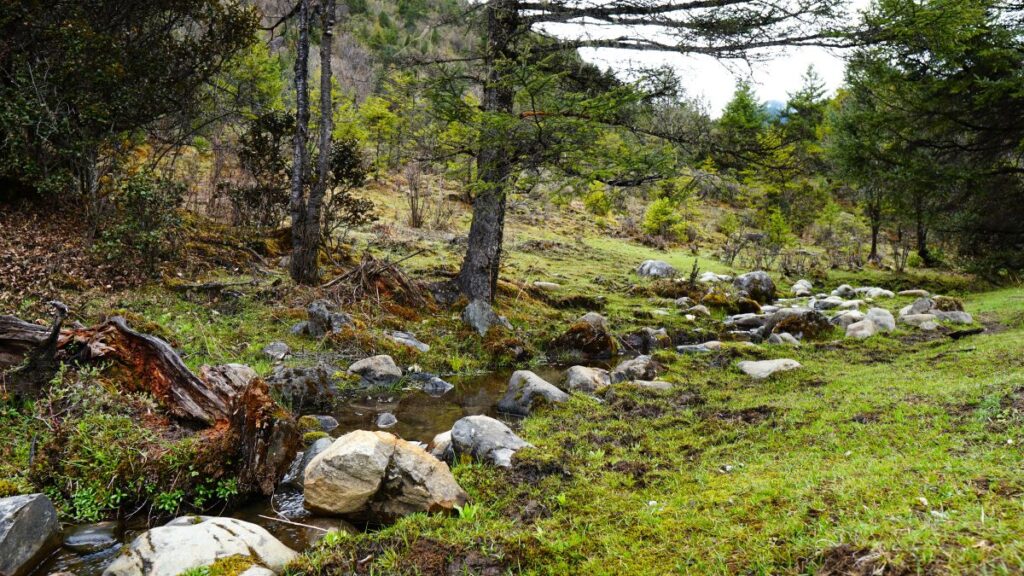
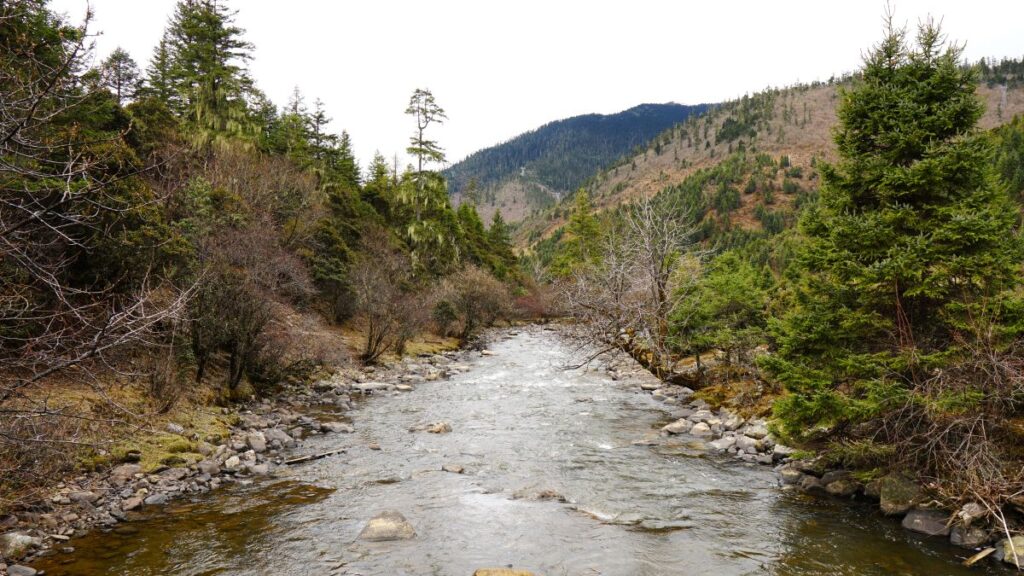
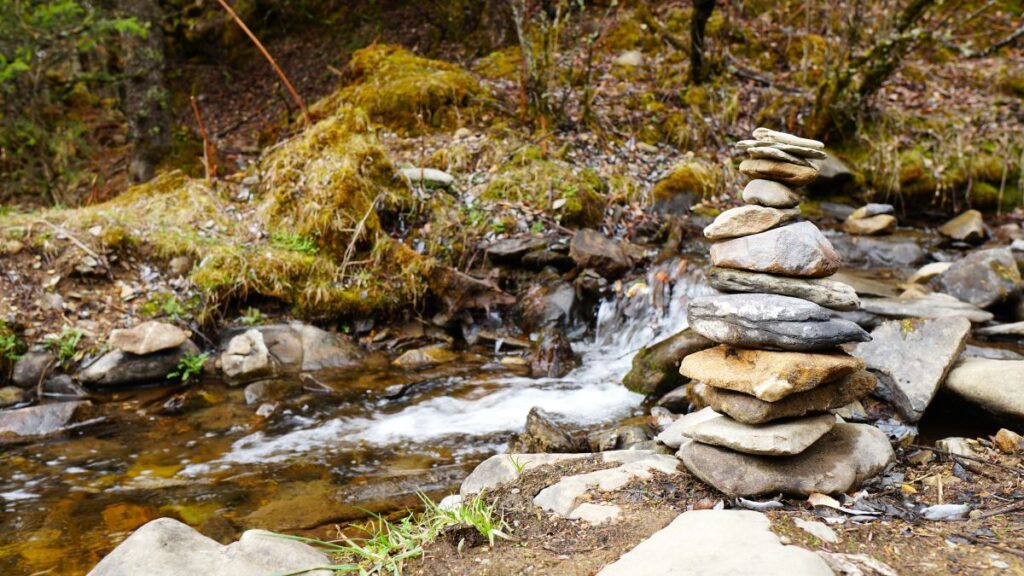
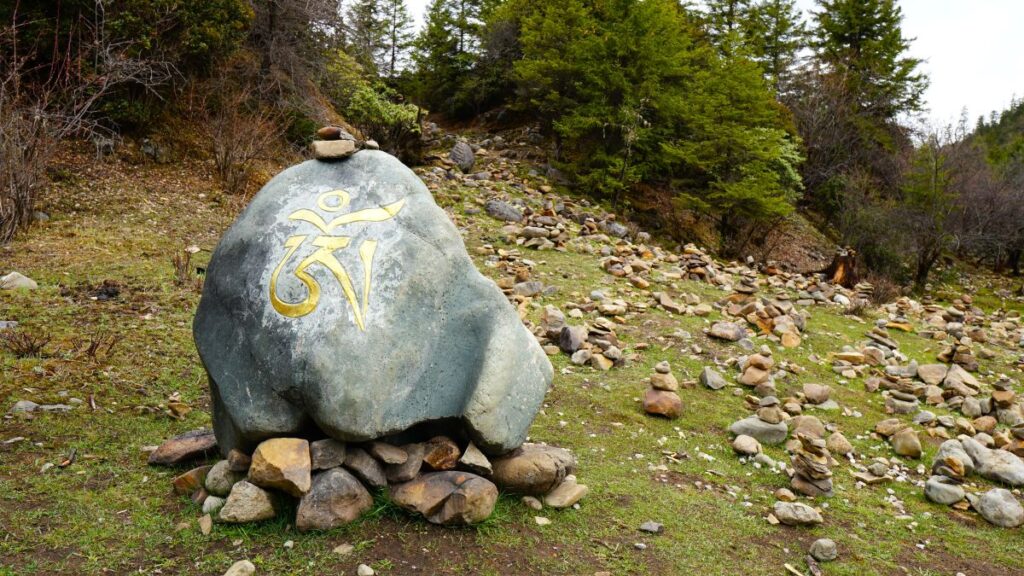
This is the ultimate “forest oxygen bar” – a deep breath for both lungs and soul – though we kept an eye out for the wild boar known to snatch snacks!
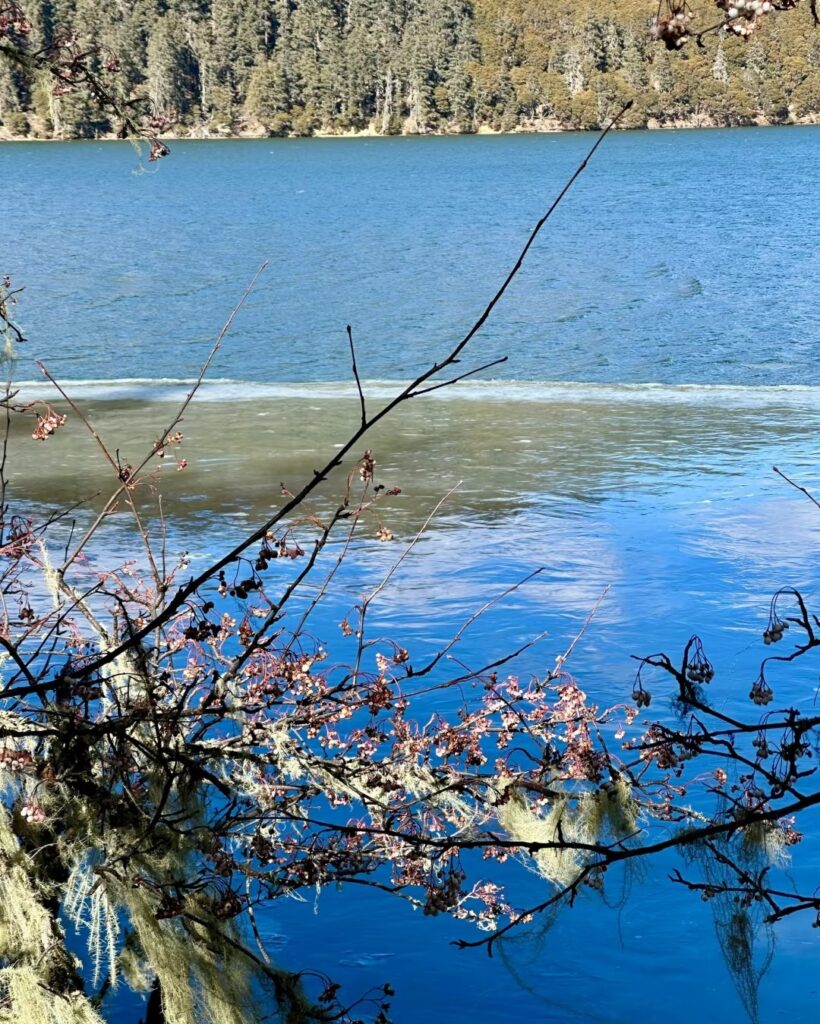
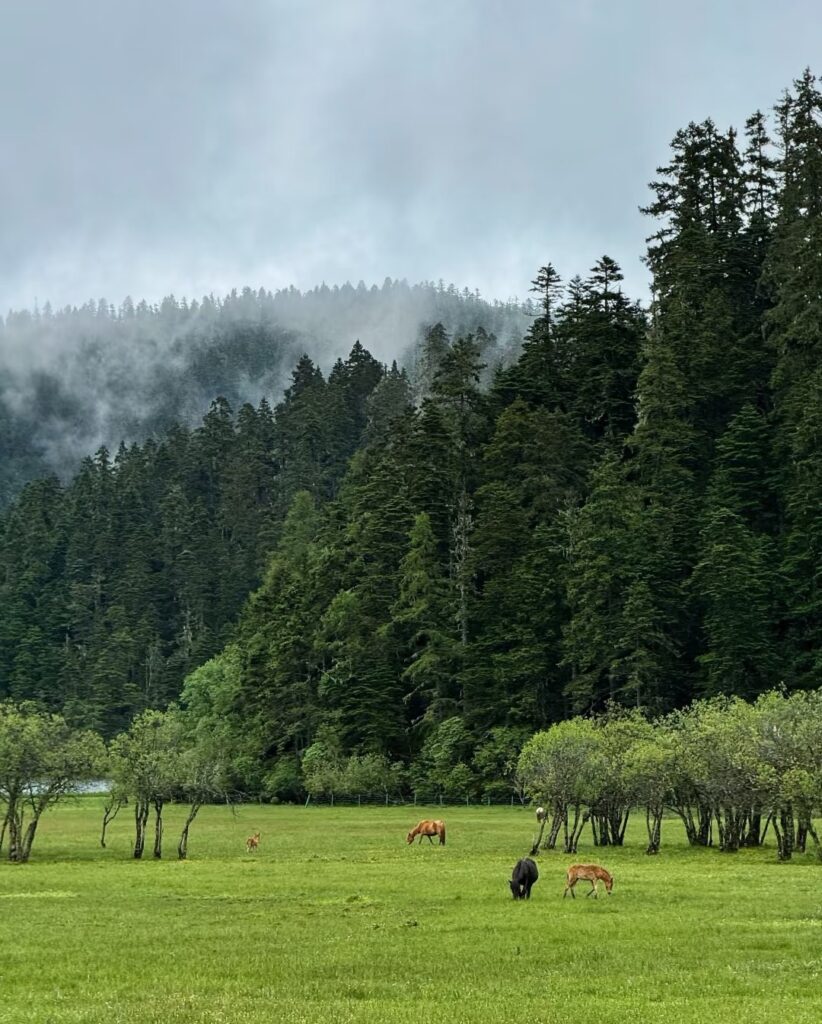
We rounded a bend to find a cheerful corporate team who waved us over to share their alpine feast. Suddenly we were slicing into beautifully charred Tibetan pork belly and tender yak skewers, the rich smoky flavors mingling with the crisp mountain air. That spontaneous meal, shared amid nature’s splendor, became the most authentic taste of local hospitality.
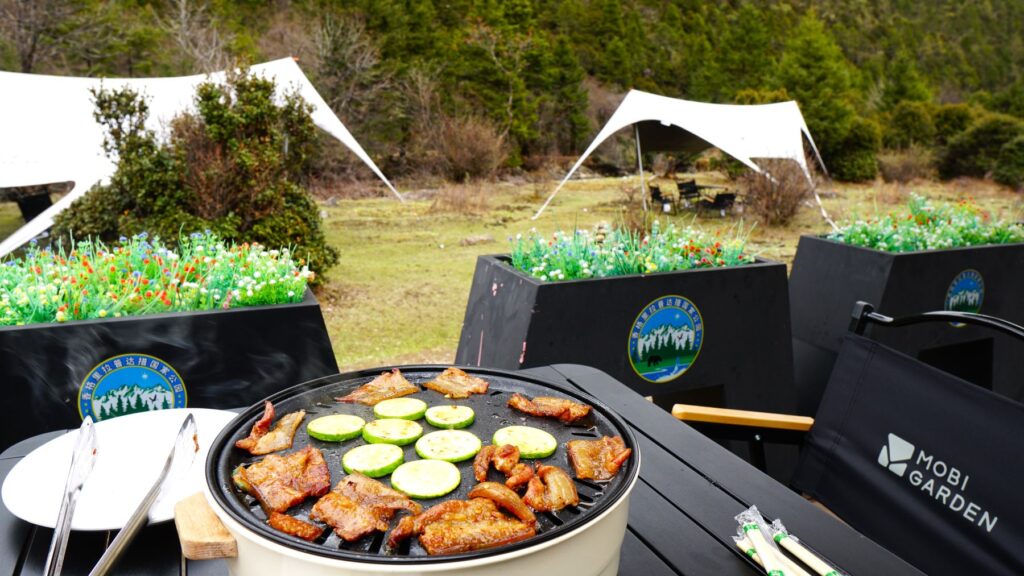

The trail ends at a designated bus stop, where we hopped on the next shuttle.
2️⃣ Second Stop: Shudu Lake (Mirror of the Mountains)
A 10-minute bus ride later, we arrived at the breathtaking Shudu Lake.
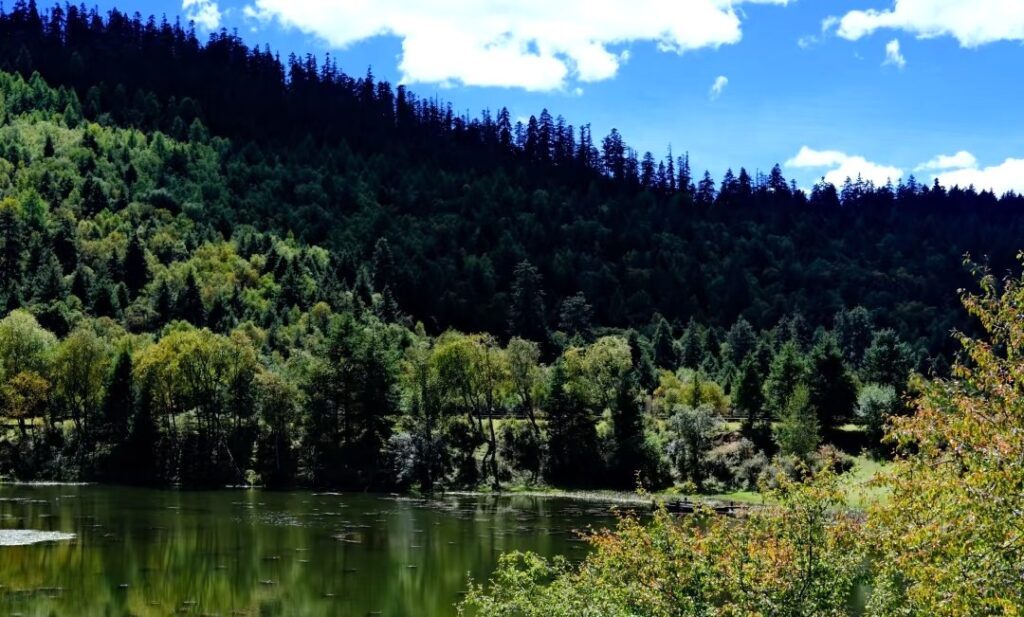
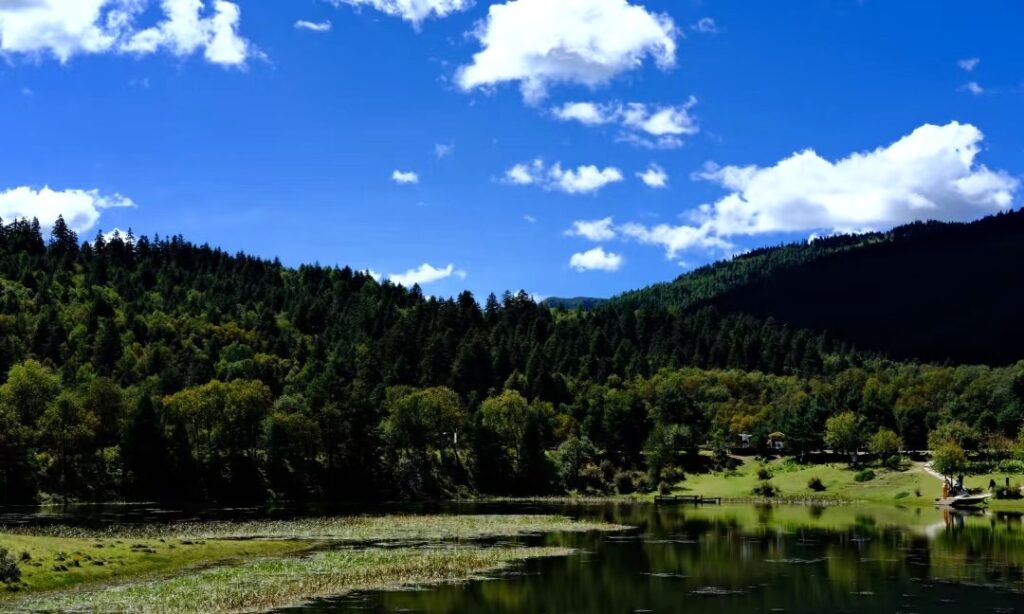
You can explore the area in three ways:
- Walk the 3.3 km wooden boardwalk
- Rent a mountain bike
- Take a boat ride (optional and not really necessary)
We highly recommend the walk. The boardwalk is entirely flat, making for an easy and immersive 1-hour stroll.
The views are sublime: the crystal-clear lake perfectly mirrors the snow-capped peaks. If it gets cloudy or lightly raining, even better: the mist floating above the lake makes the whole scene cinematic, as if we’ve stepped into a painting.
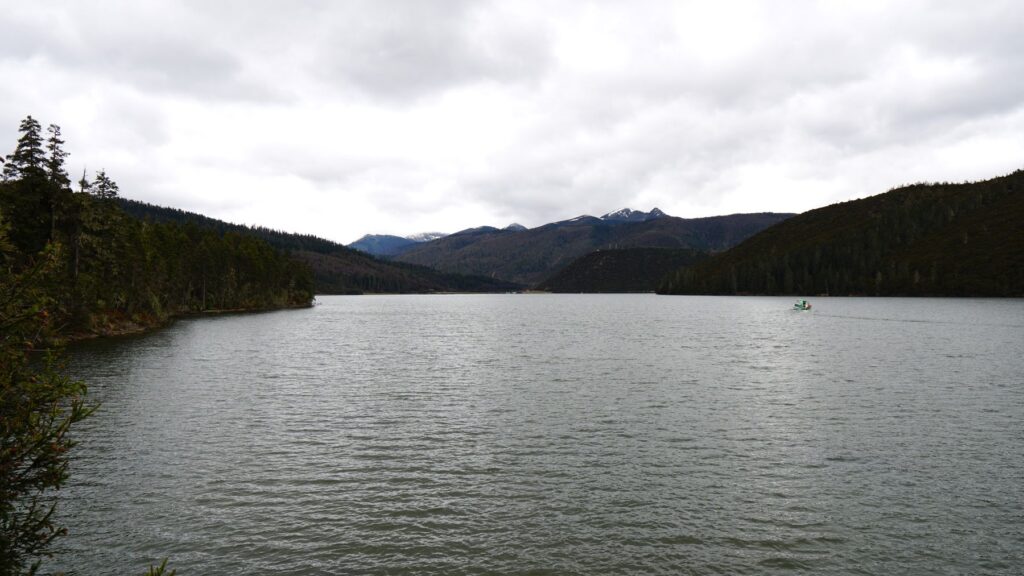

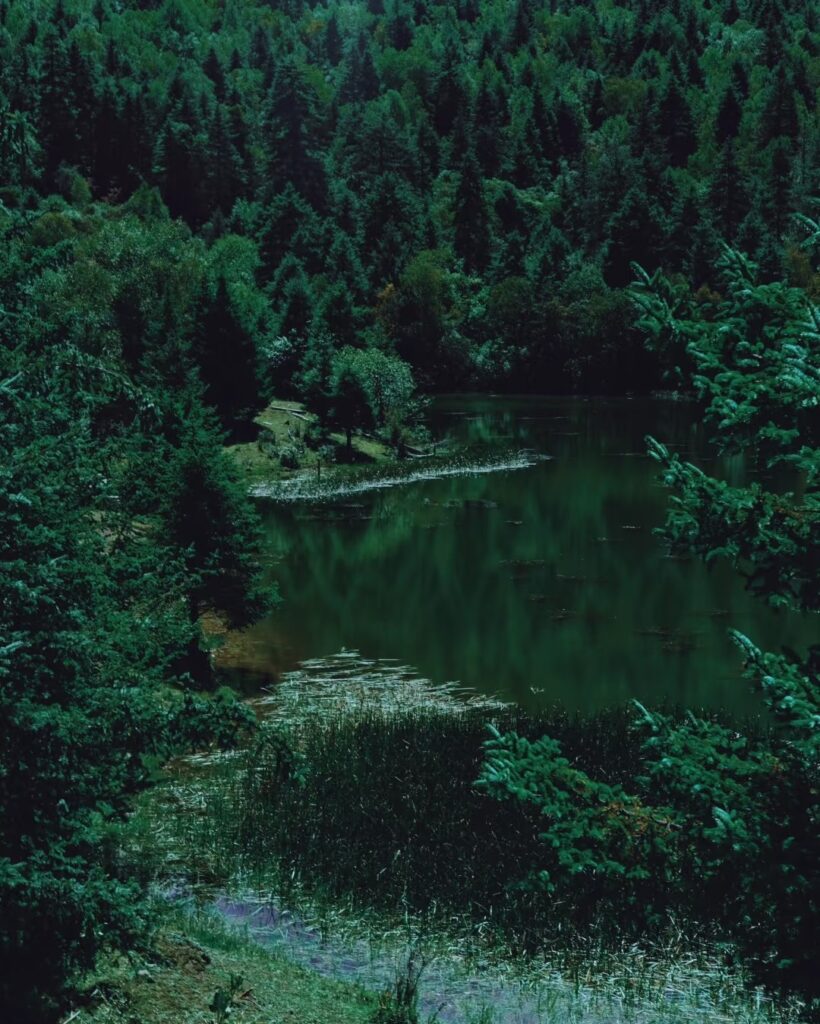
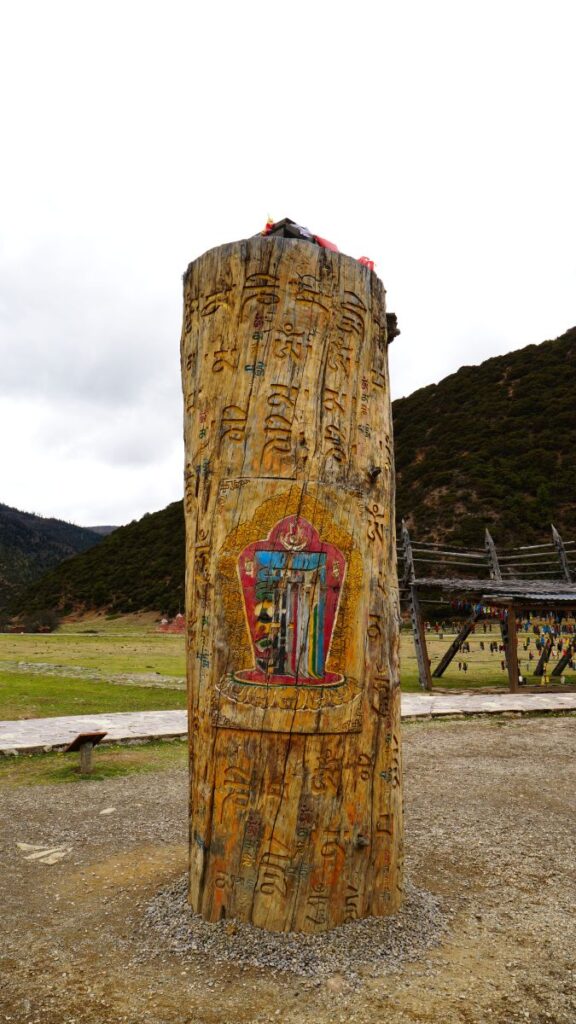
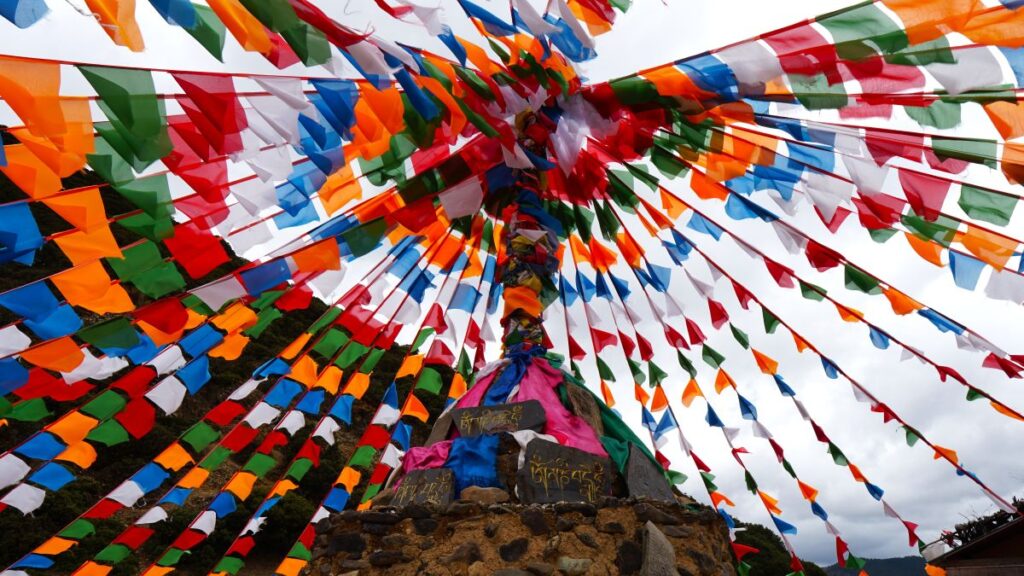
Along the trail, we encountered dozens of fearless squirrels and a beautiful Mani Pile (玛尼堆). These are sacred stone cairns built by passing Tibetans, who carve prayers and mantras onto the rocks. Each stone is an offering, a prayer for protection and blessings, accumulating into a powerful spiritual monument.
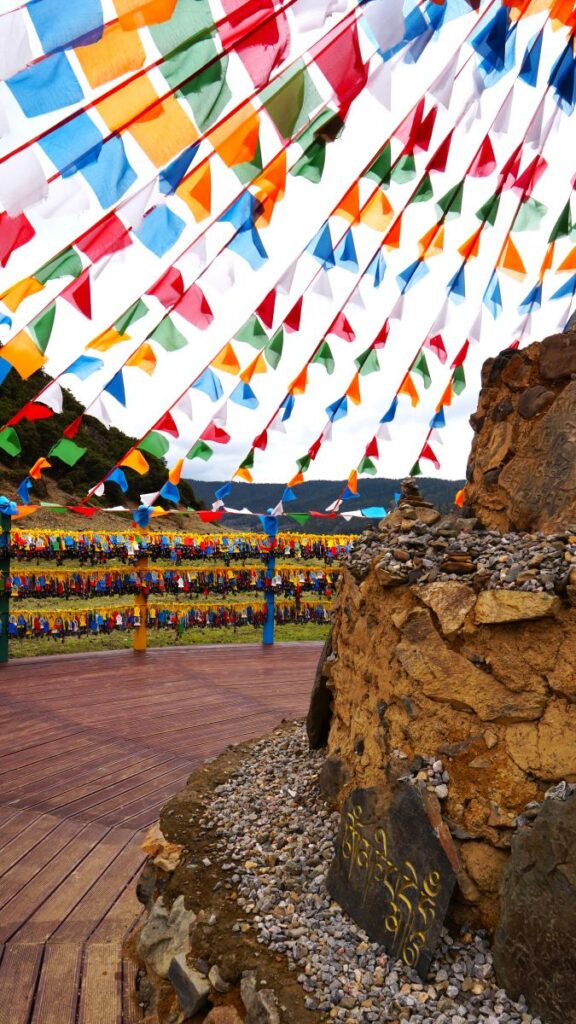
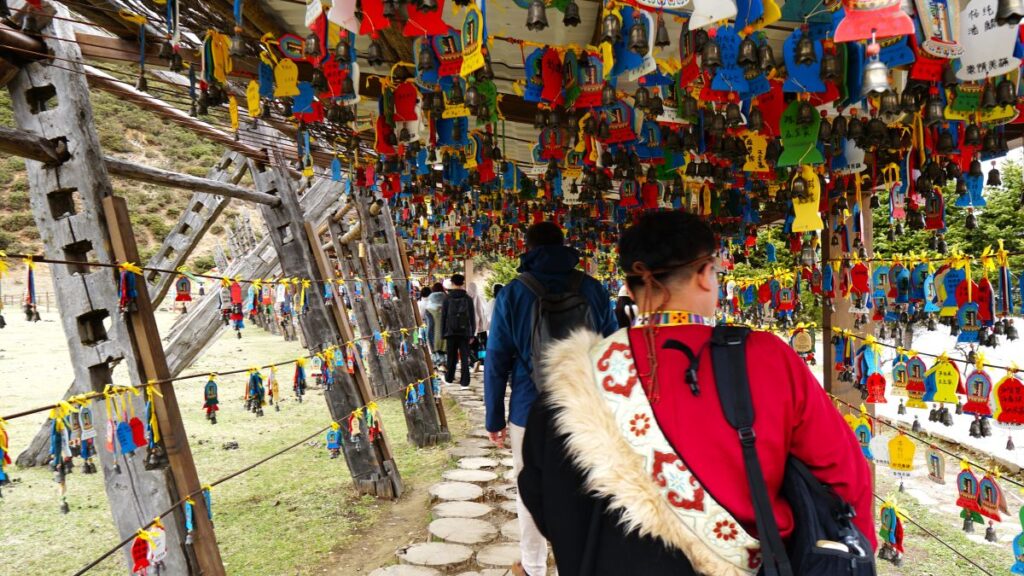
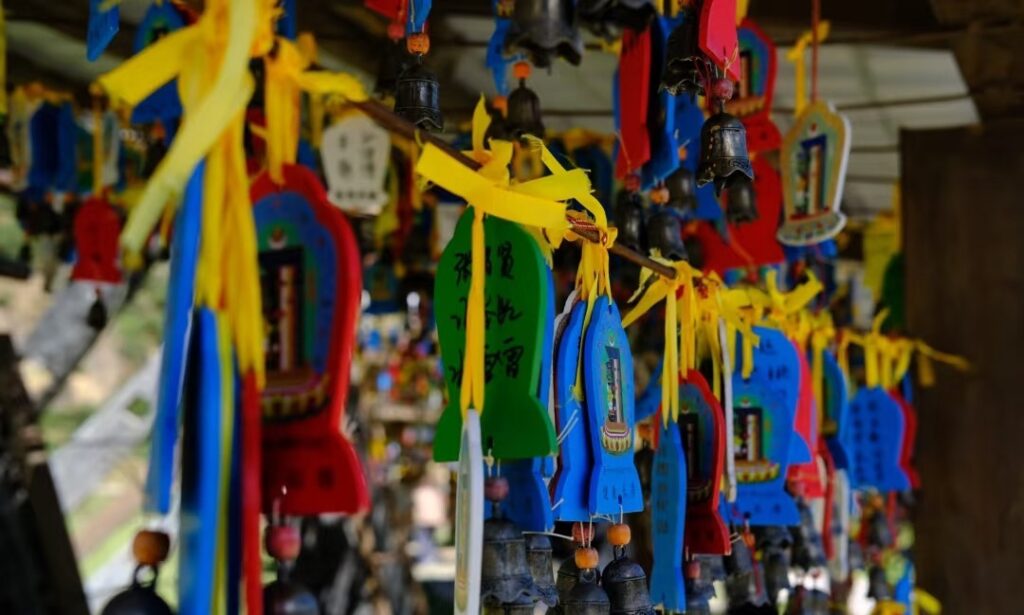
Locals often hang prayer wind chimes here – you can voluntarily purchase one (around 60 RMB each) to leave your wish dancing in the highland breeze.
Bonus: staff offer free souvenir photos along the trail, which you can collect at the end.
3️⃣ Third Stop: Bita Lake (The Lake Above the Clouds)
From Shudu Lake, a 40-minute scenic bus ride brings you to Bita Lake. Currently, only a quarter of it is open, but it’s the most relaxed and stunning segment. This is an out-and-back 2.2 km boardwalk that takes about an hour.
You walk through lush highland meadows, with views of moss-draped forests in the distance and herds of yaks grazing peacefully up close.
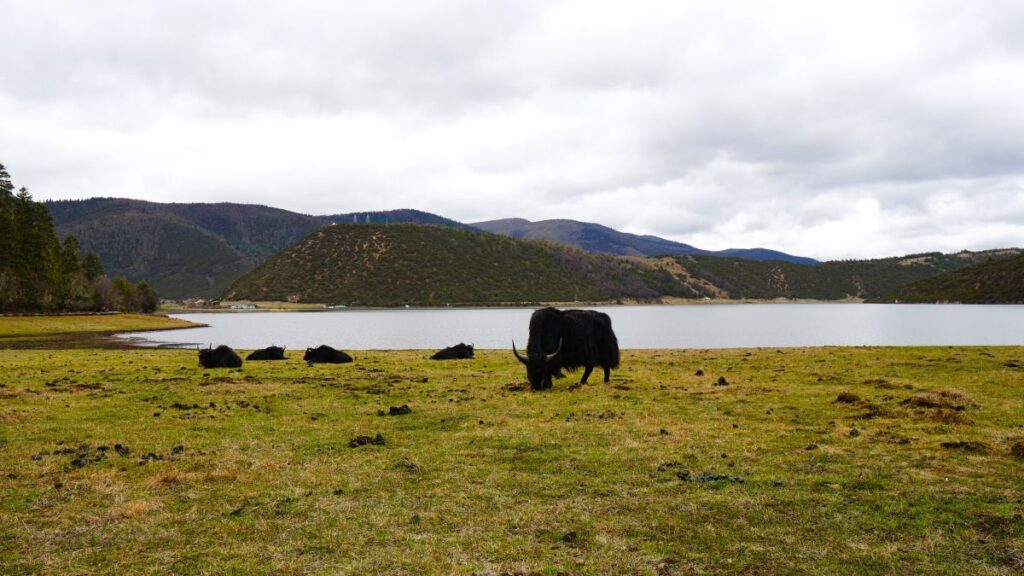
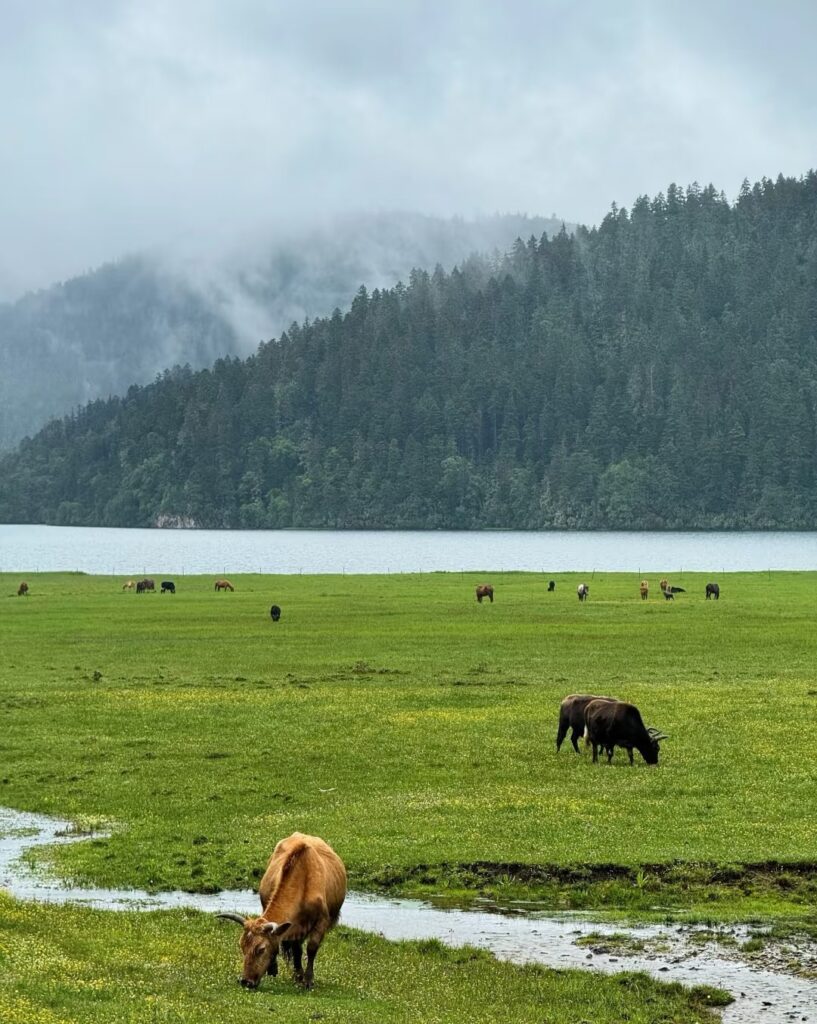
The distant forest glows emerald under misty sunlight, and the air smells of pine and wet earth – every step feels like walking through a dreamscape.
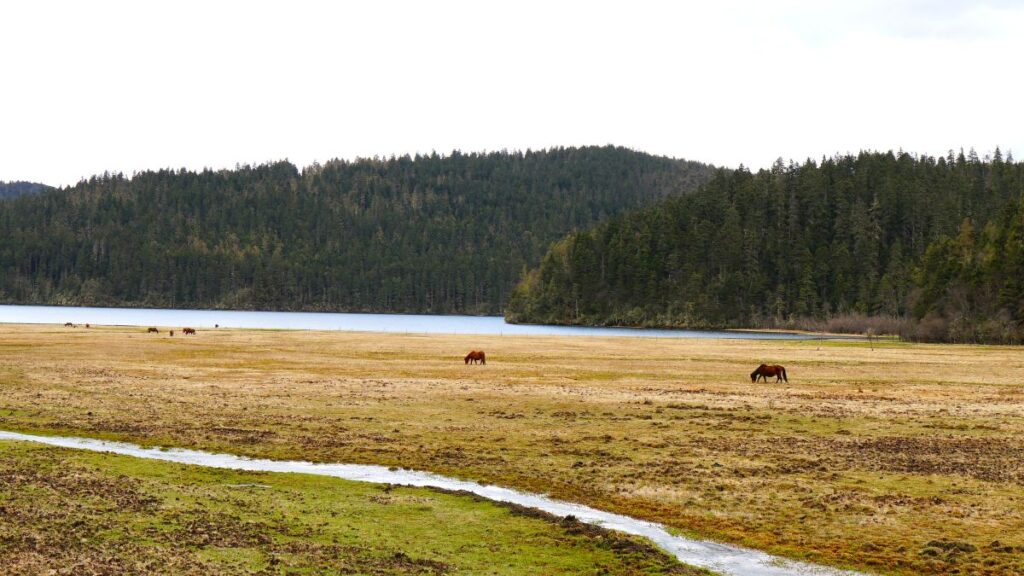
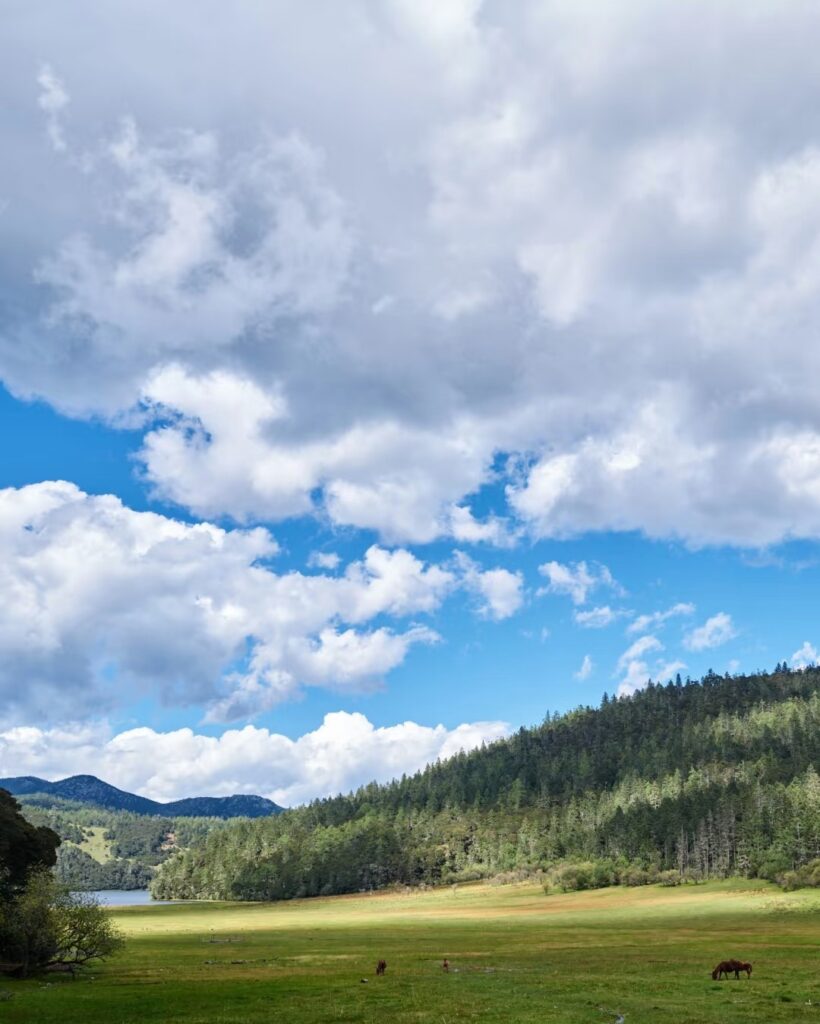
When the wind ripples across the lake, and the clouds drift in the ethereal light, it heals you without words.
4️⃣ Final Stop: Returning to the Entrance
After the last views of Bita Lake, you simply return to the bus stop and take the direct shuttle back to the park entrance, concluding the heavenly journey.
🍄 Perfect Post-Hike Feast: Mushroom Hotpot
Tired, slightly chilly, and exhilarated, we returned to Dukezong Ancient Town, eager to find a hot, nourishing meal. The famous Yunnan mushroom hotpot was exactly the warmth and comfort we needed to shake off the lingering altitude chill — even though it was almost summer!
Restaurant🏠: 椒知味鲜鱼馆 (Jiao Zhi Wei Xian Yu Guan)
Price per person🍽️: 66 💰 (We found on the Dianping app a voucher for 50% discount!)
Location🎈: Inside Dukezong Ancient Town, 19 Jinlong Street East Corridor. (独克宗古城金龙街东廊19号)
🍄 Why are mushrooms a must-eat in Yunnan?
The answer is in the landscape. Yunnan’s vast forests, high altitude, and rich soil create a perfect environment for over 800 species of edible wild mushrooms. This incredible biodiversity means a stunning variety of shapes, textures, and intensely deep, earthy flavors that are simply unmatched anywhere else.

We chose their signature Silkie Chicken & Mushroom Hot Pot.
The staff brings a sandglass timer and instructs you to cap the pot for 20 minutes to ensure all the mushrooms are safely cooked. When that lid finally comes off 🎬(👉1:00”)… the aroma is insane!
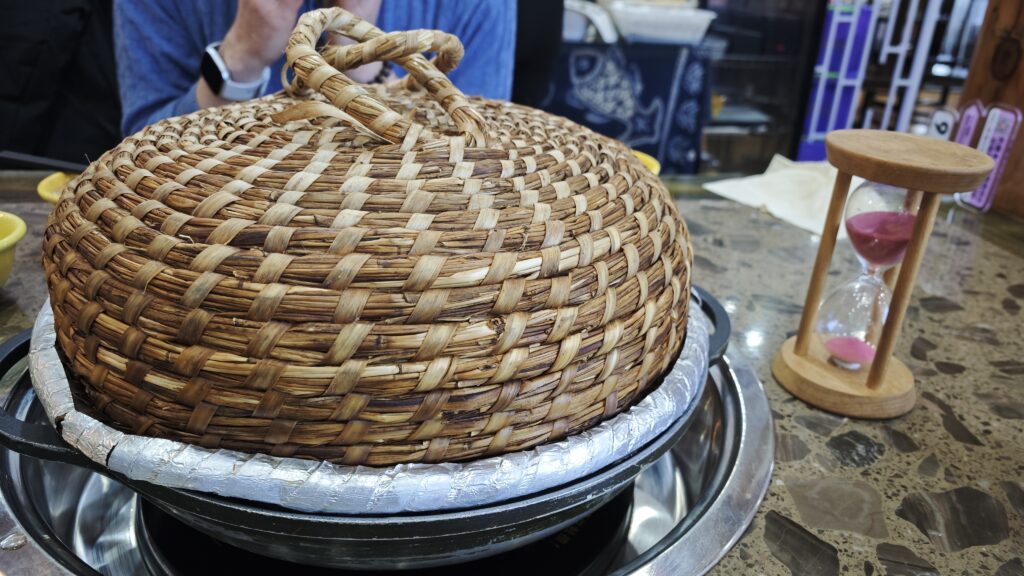
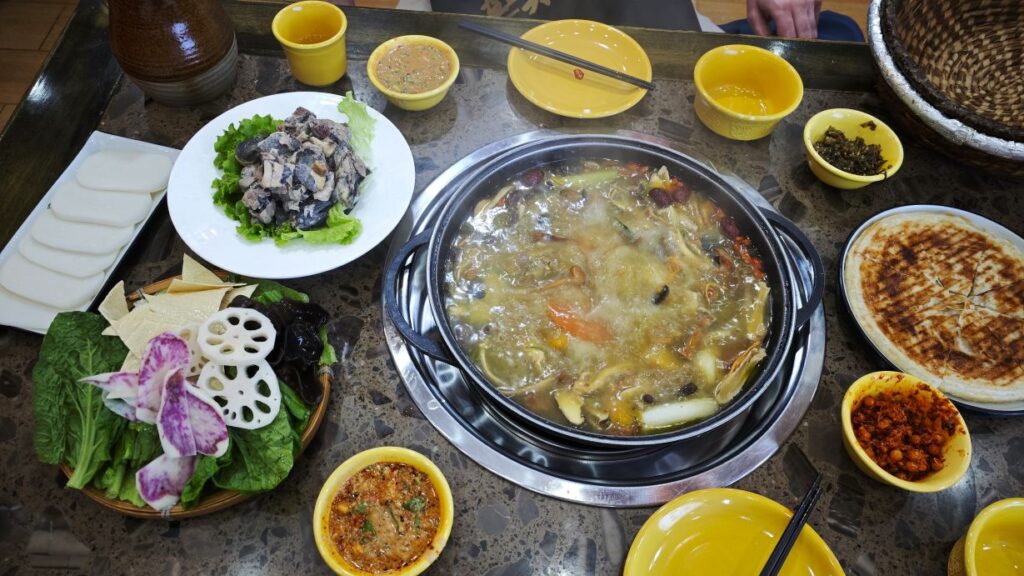
The matsutake mushrooms, likely foraged that very morning, carry the fresh, earthy scent of the forest floor. The Tibetan free-range chicken, slow-cooked for two hours before serving, is firm, milky, and juicy.
The protocol is sacred: you drink the soup first.
What a soup! The broth is so profoundly umami and fresh, it feels like it’s rewiring the taste buds. The chicken is so tender and gelatinous, it practically jiggles like savory jelly, effortlessly falling off the bone. The wild mushroom platter also features golden chanterelles and the aquatic plant (水性杨花/Hydrophytes), each bite a fresh taste of Yunnan’s wilderness.
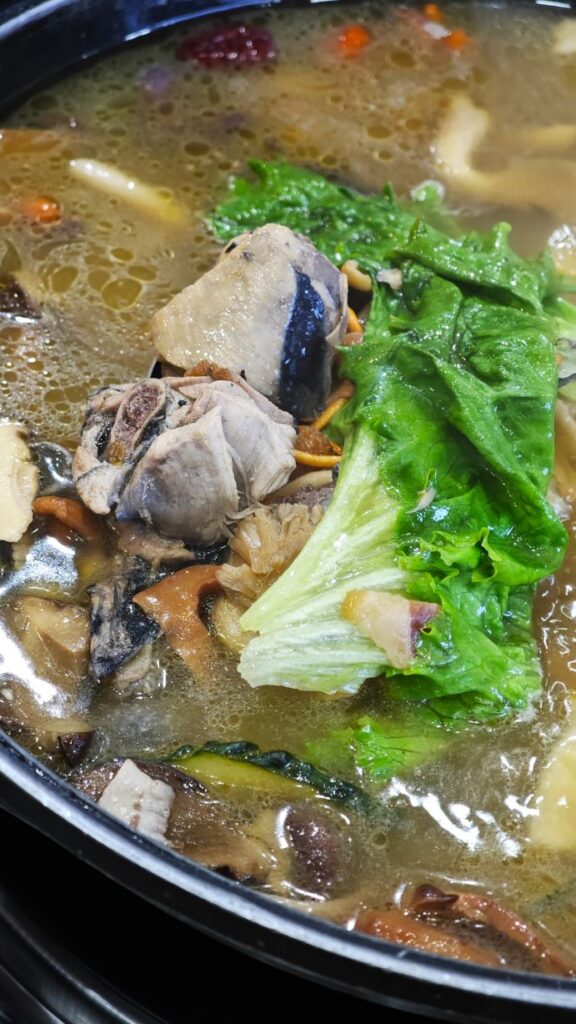
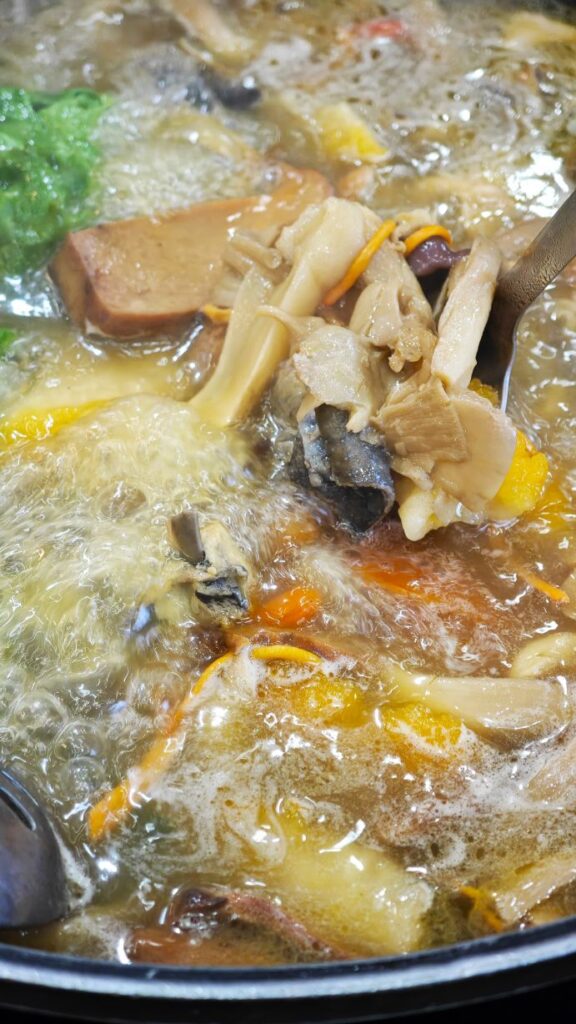
Their fish hot pot is also a local favorite, and a lovely change of flavor/a break from the ubiquitous yak hot pot.
🌾 To Be Continued…
Pudacuo has given us a glimpse of heaven on earth, but Shangri-La’s natural magic is not over yet. Next, we head to the vast, open skies of the grasslands at Napa Hai (Napa Lake Grassland), where sweeping vistas meet the timeless culture on the Tibetan plateau. Stay tuned for more! 🌤️


O Allah, send blessings and peace upon our master, prophet, and beloved Muhammad, and upon his family and all his companions.
Your article helped me a lot. Want to ask if I can use tiktok in shnagrila city?
Always thought it’s Potato National Park 🥔🥔
What a picturesque place! Can’t believe it actually exists.
Thanks for sharing. Personally, I prefer balagezong scenic area, because the scenery there is stunning but it’s more like bus tour, no need to walk. But if you like trekking with beautiful nature, podacuo is better
Beautiful places ❤️
WONDERFUL POST! THANK YOU FOR SHARING!
Thanks for such a thorough guide! Very helpful!
Hiii which hotel did you stay in shangri la?
Lisi Manyunyu Oxygen Supply Homestay. You can find it on trip.com 🙂
Hi, may you share your itinerary at Shangri-la?
Yes, we have a post just about the itinerary — search for ‘Shangri-La Itinerary”, first Post on our blog.