
🌊 Saint-Malo: Where Pirates Once Ruled the Waves
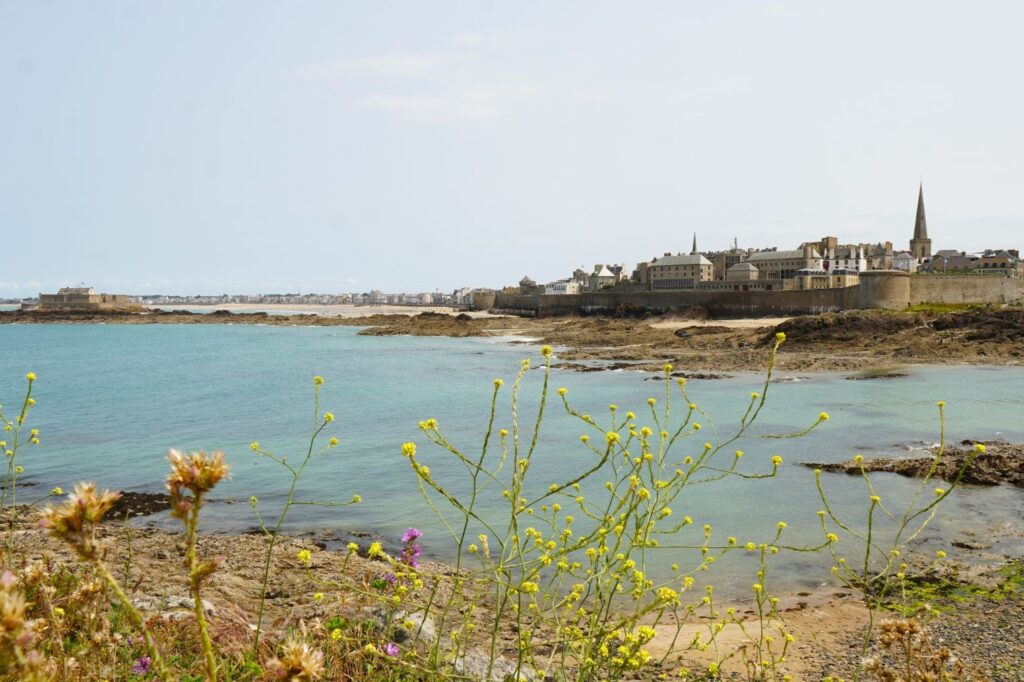
On the rugged northwestern coast of France lies Saint-Malo, a small walled city facing the English Channel 🌊—a place better known not for saints, but for pirates.
Saint-Malo’s story begins in the 6th century, when Britons fled political turmoil in Britain and crossed the sea to Brittany. A group of monks settled along this windswept coast and built a monastery near the Channel. From this quiet religious beginning, modern Saint-Malo was born.
Yet unlike its neighbor Mont-Saint-Michel, Saint-Malo never became a spiritual pilgrimage site. Instead, it rose to infamy as the home of corsairs—legal pirates. These pirates famously forced English ships passing through the Channel to pay tribute, and they brought back wealth from faraway seas. The riches made Saint-Malo powerful—and rebellious.
Between 1590 and 1594, the city declared itself an independent republic, championing the motto: “Not French, not Breton, but Malouin!”
France largely tolerated this independence. Why? Because Saint-Malo’s pirates rarely attacked French ships and even served as the royal navy during wars. Many French ships today bear the names of Malouin privateers—a badge of pride for both. ⚔️
🌟 Recommended Route
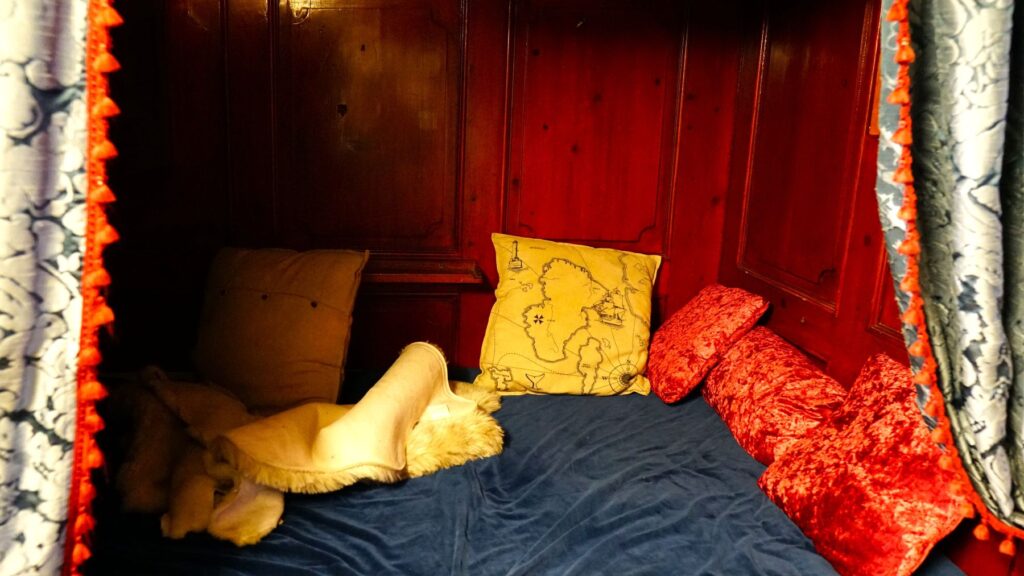
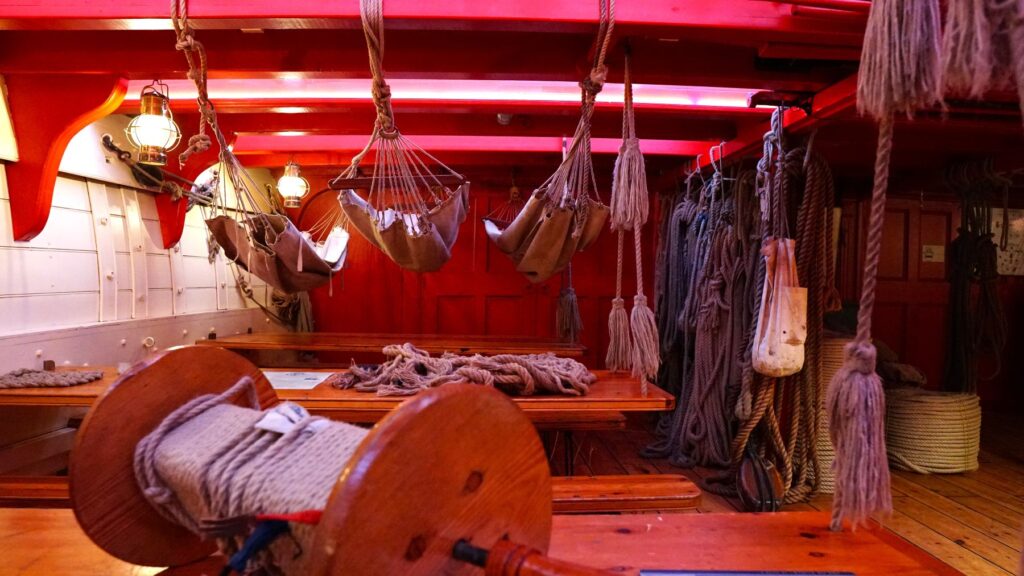
☠️ Pirate Ship Experience
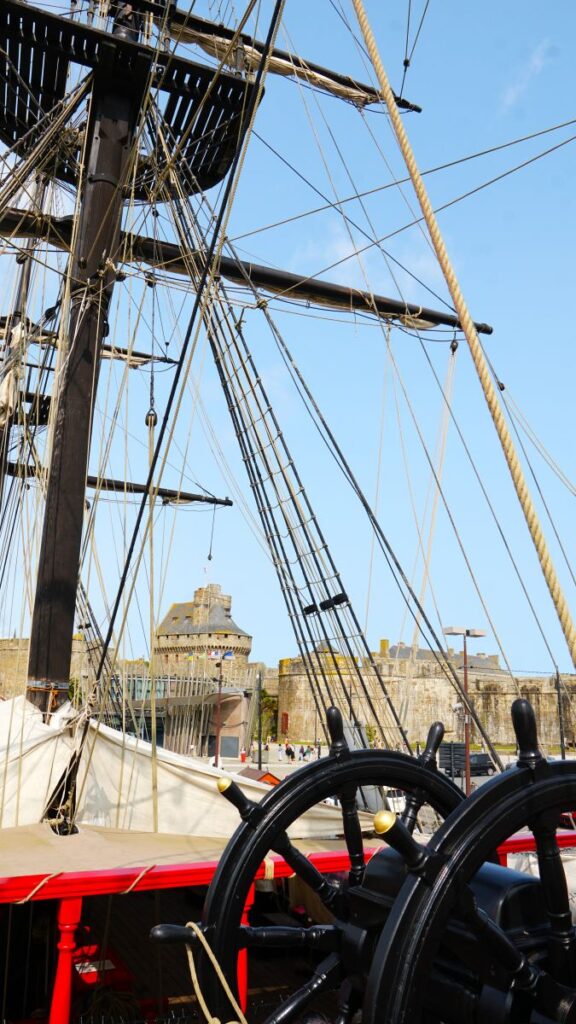
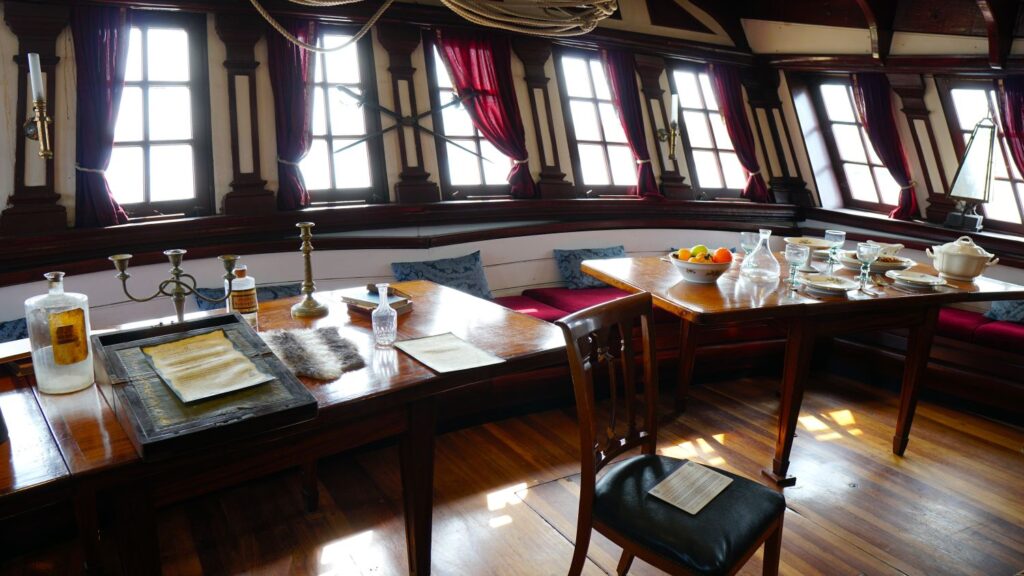
Arrive at the harbor in the morning and you may spot a giant 18th-century pirate ship ☠️⛵ docked by the pier.
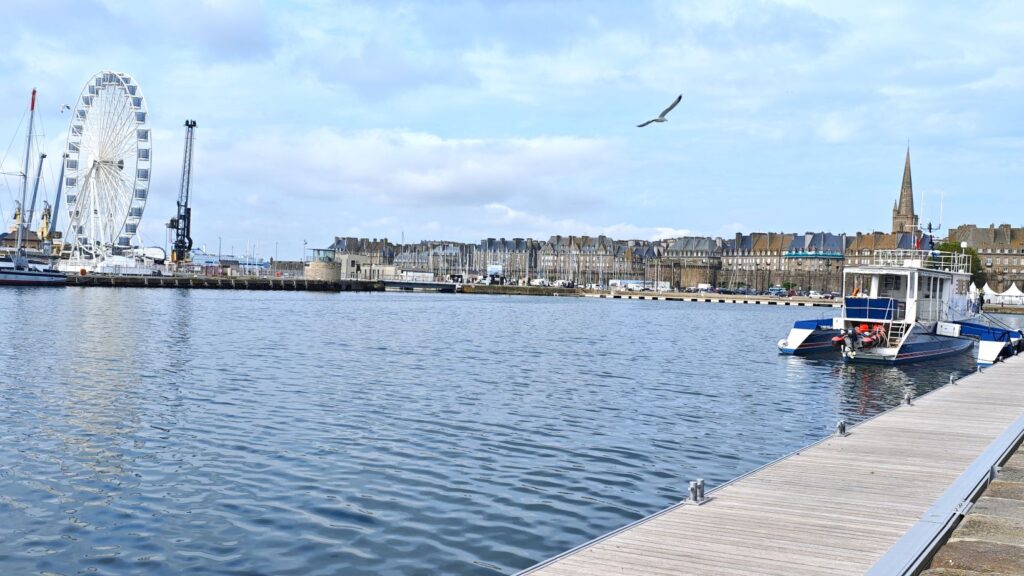
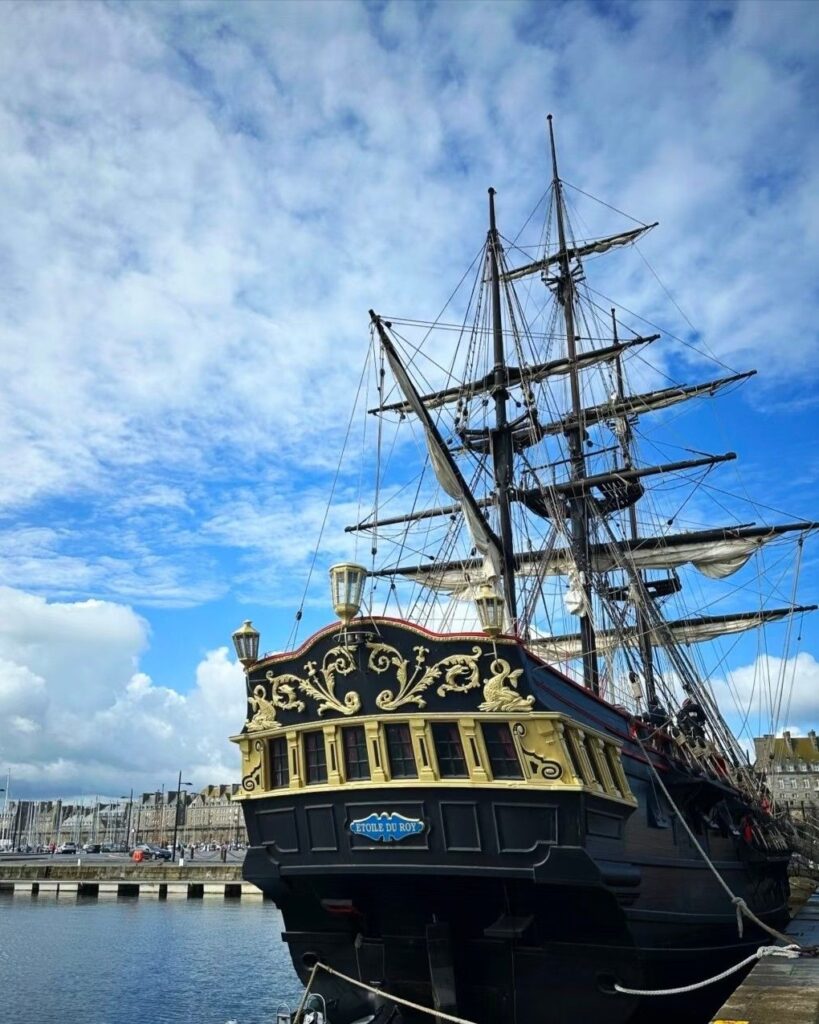
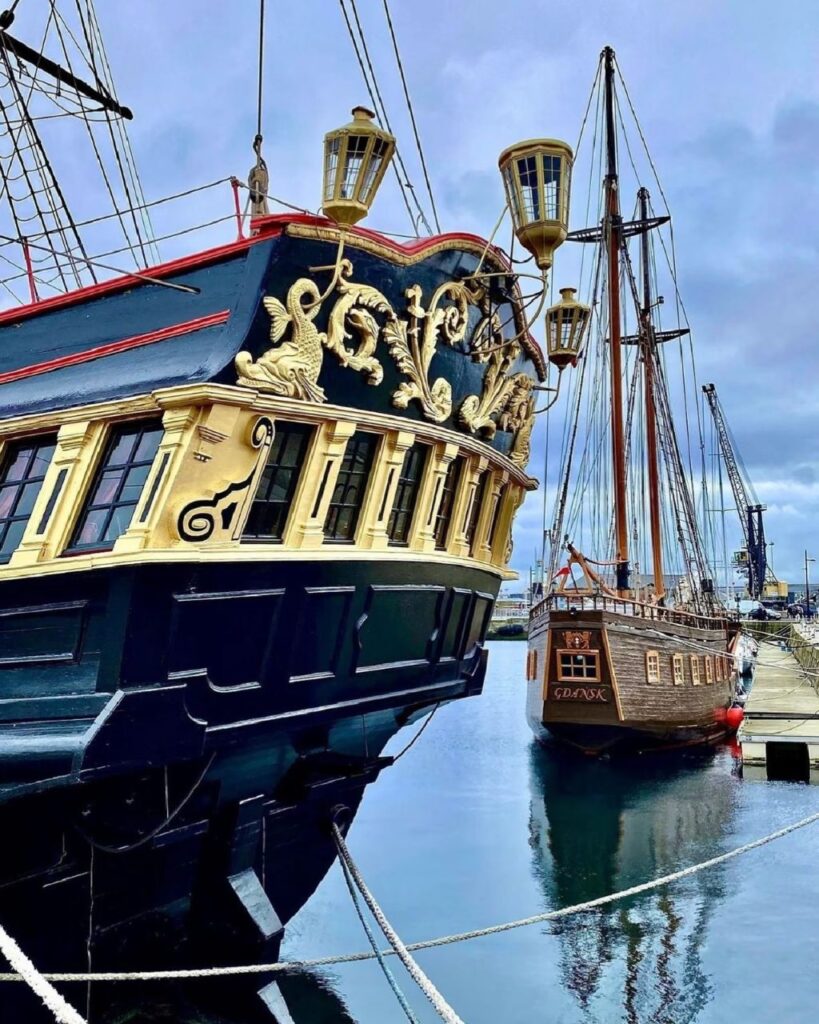
You can board and explore it (around €10 ticket, not available every day).
🏰 Intra-Muros Walk & City Walls
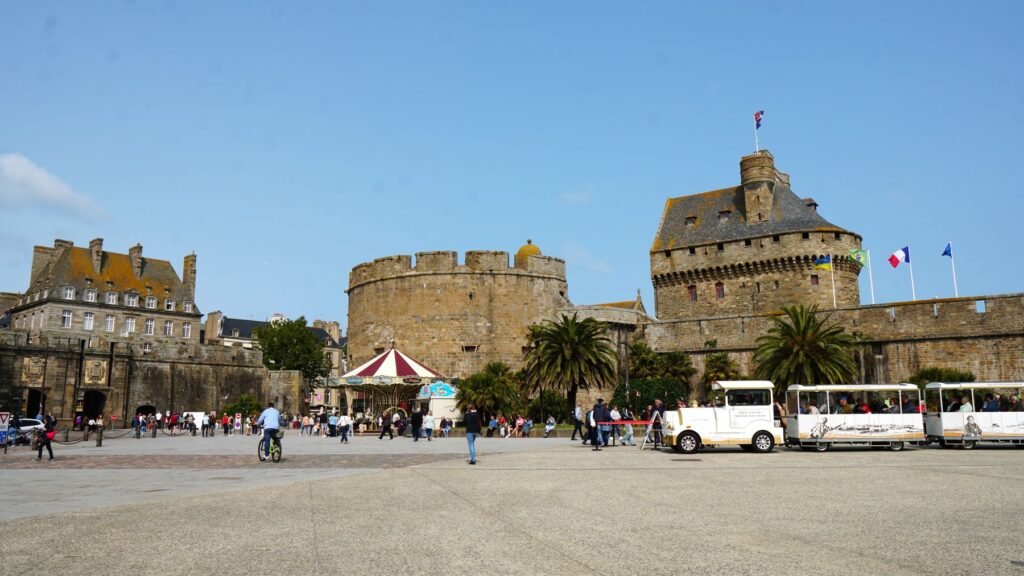
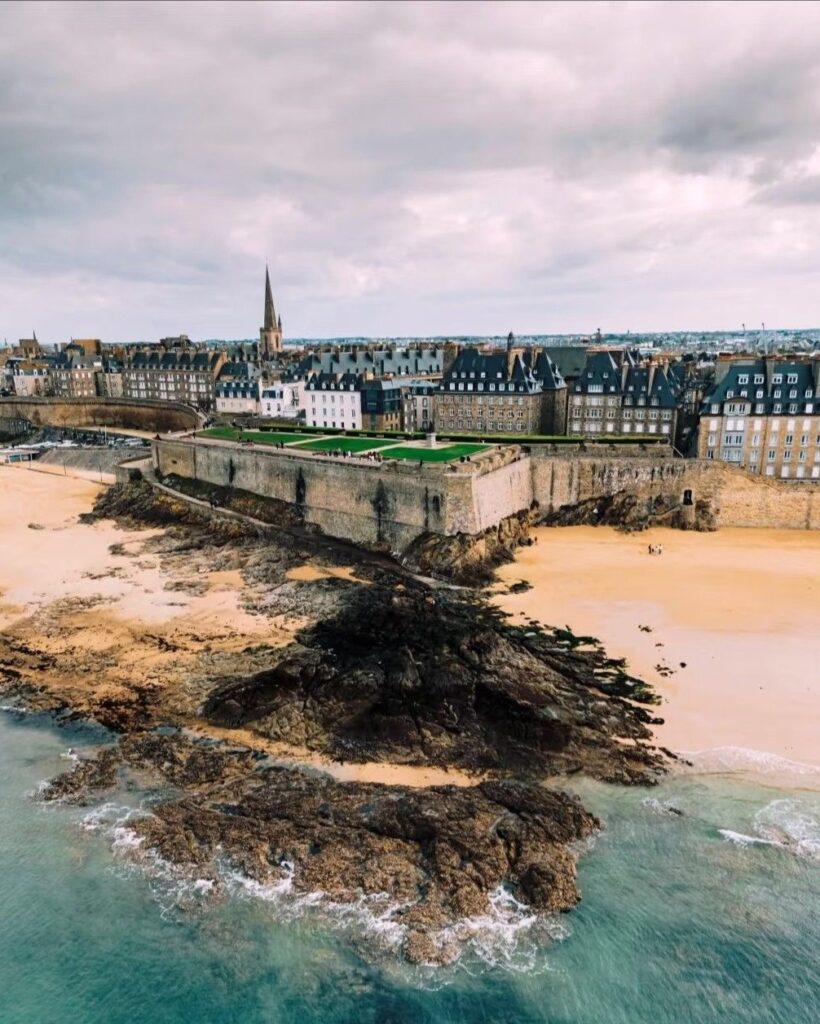
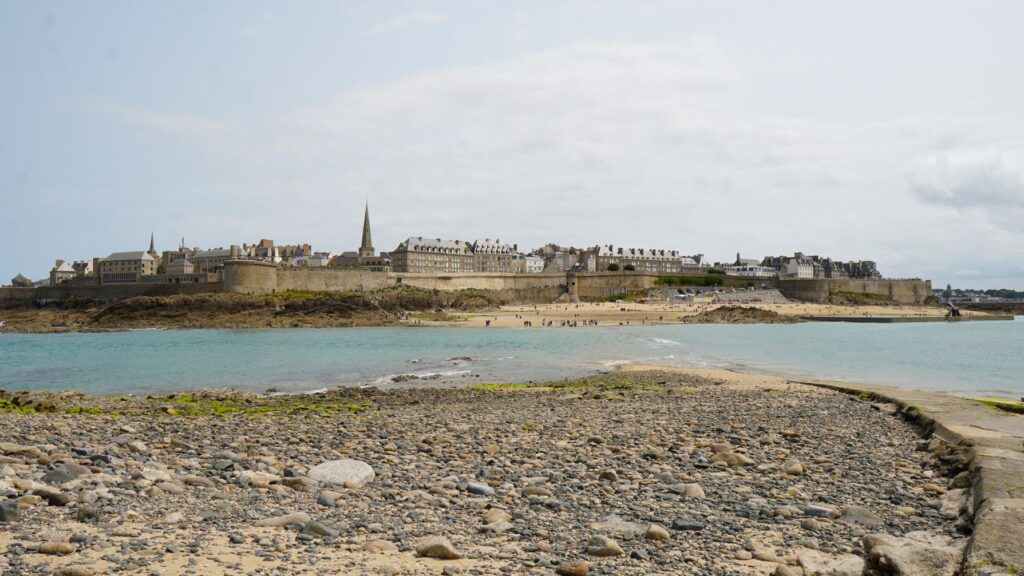
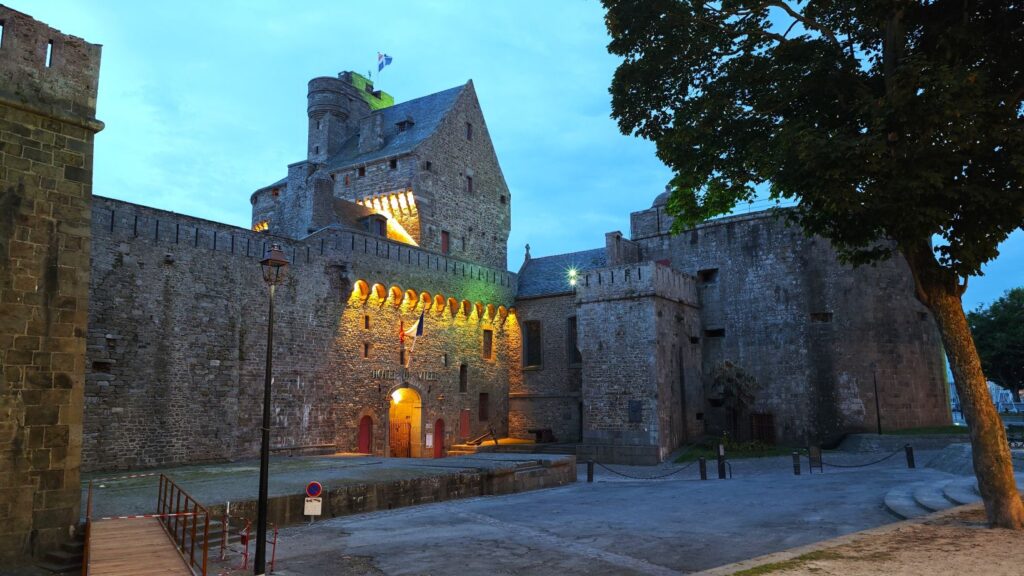
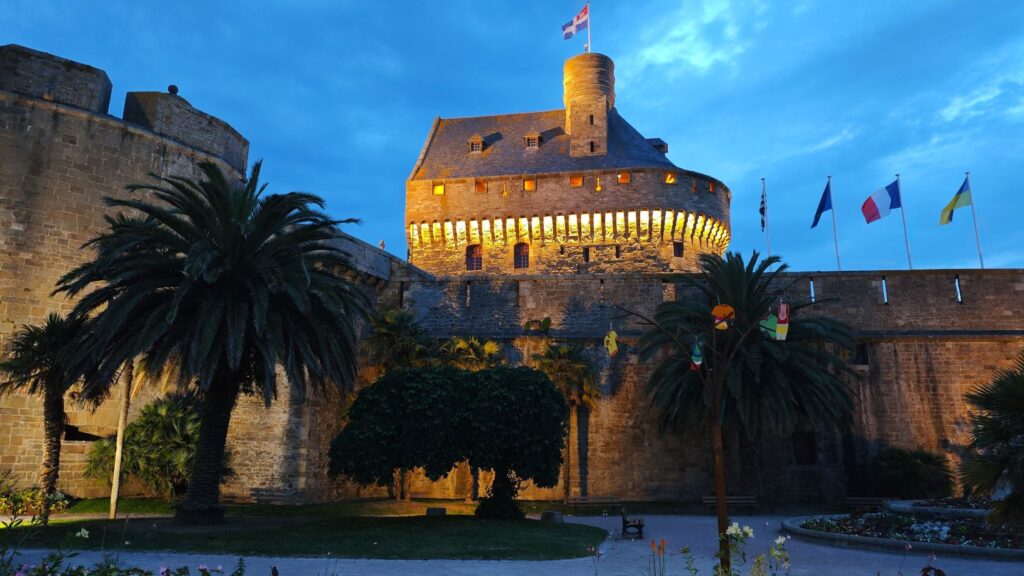
Start at Porte St-Vincent, the grand stone gateway to the old walled city (Intra-Muros). From here, step onto the Remparts de Saint-Malo—the mighty granite walls that encircle the town.
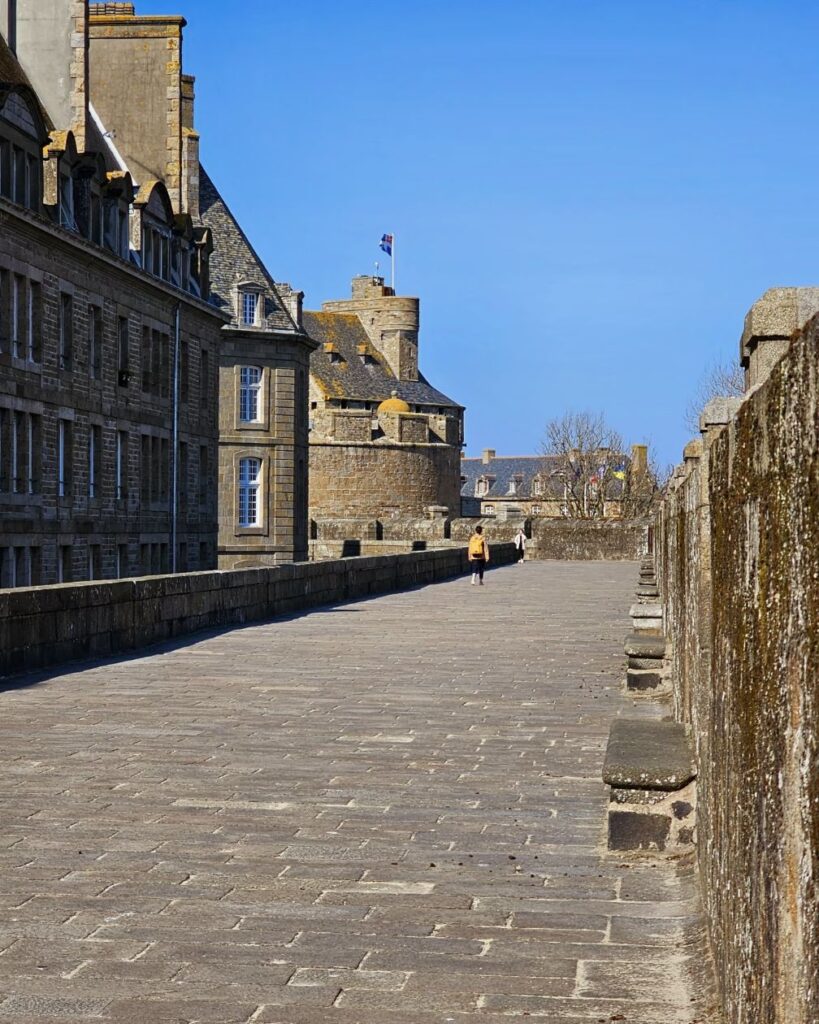
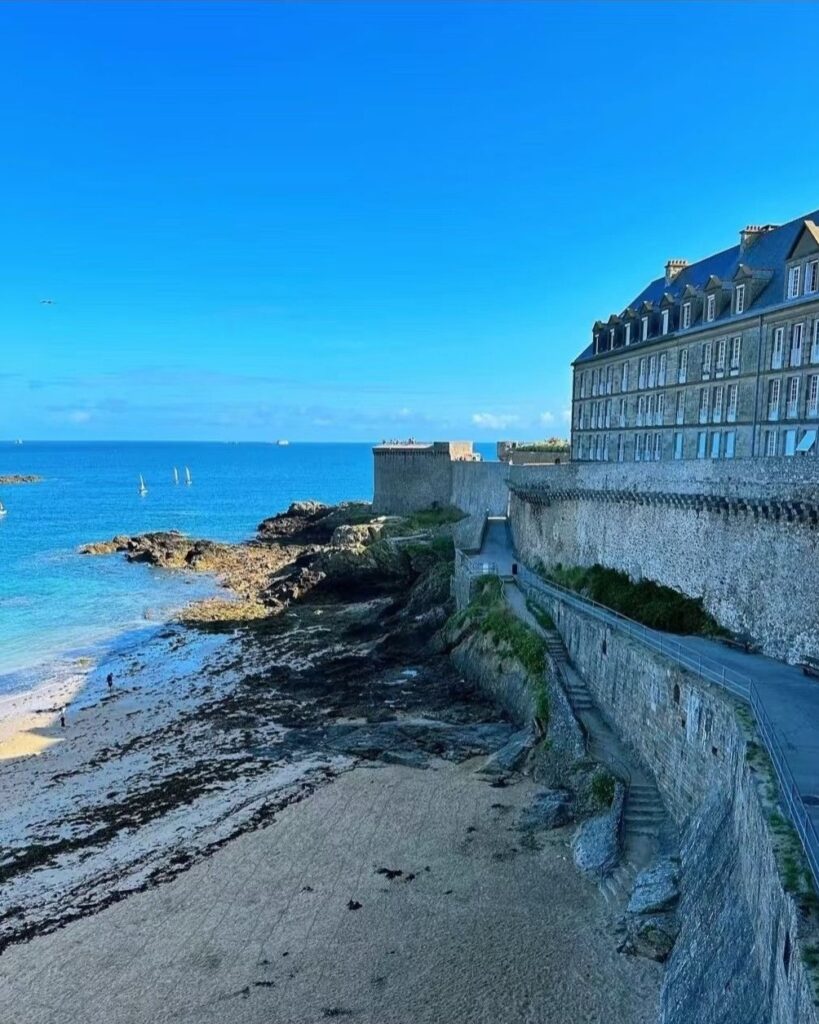
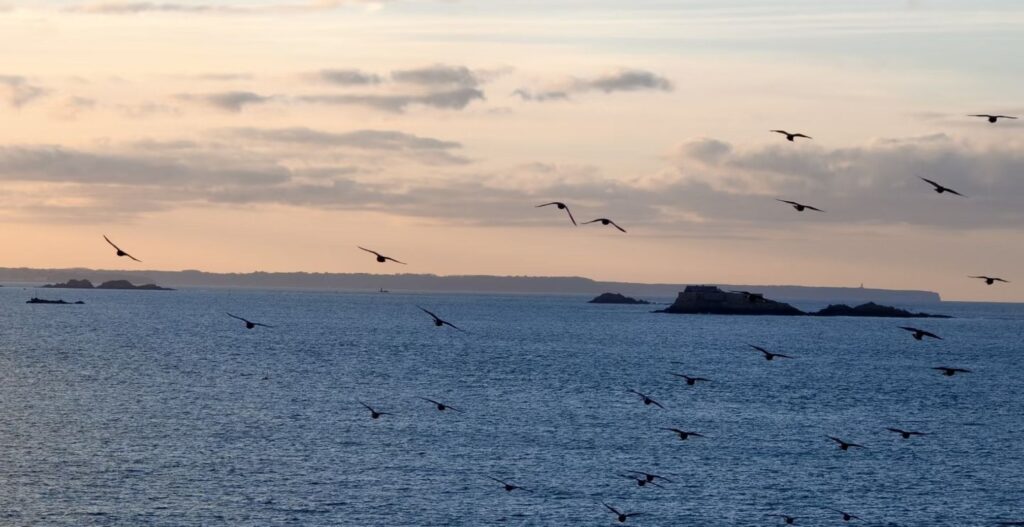
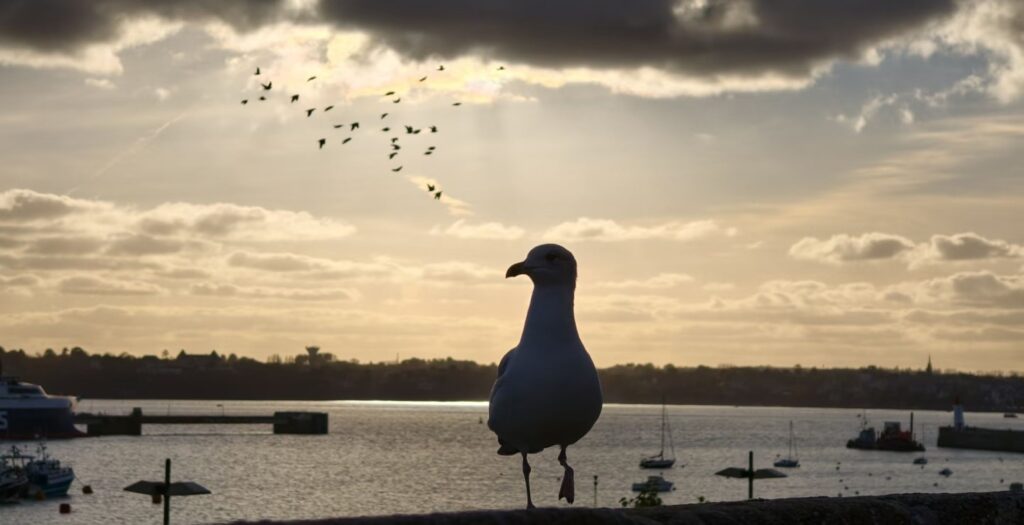
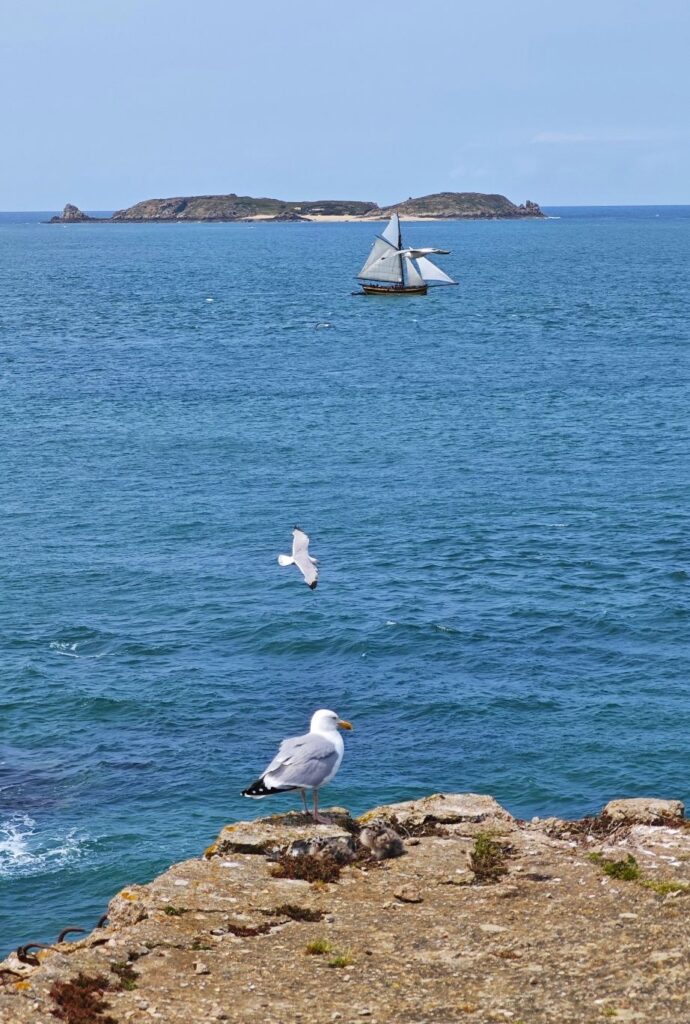
The walk (about 1 hour) is a cinematic loop: on one side, the sparkling blue sea stretches to the horizon, dotted with sails and crying gulls. On the other, cobblestone lanes lined with medieval stone houses.
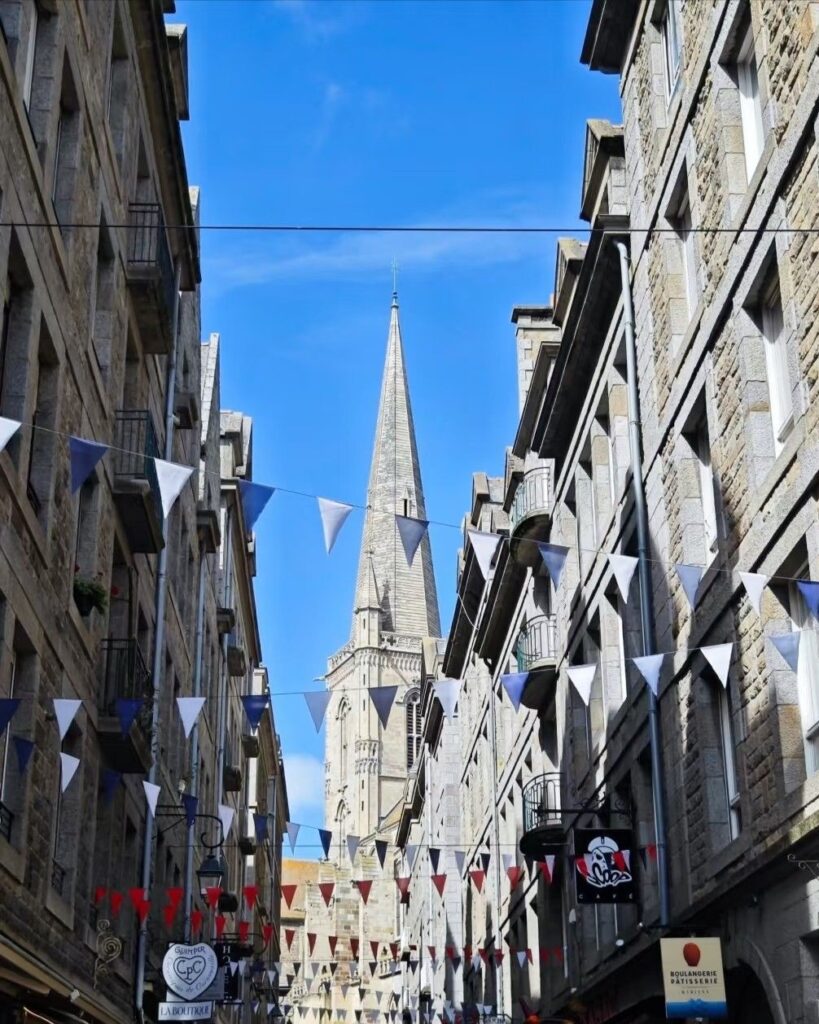
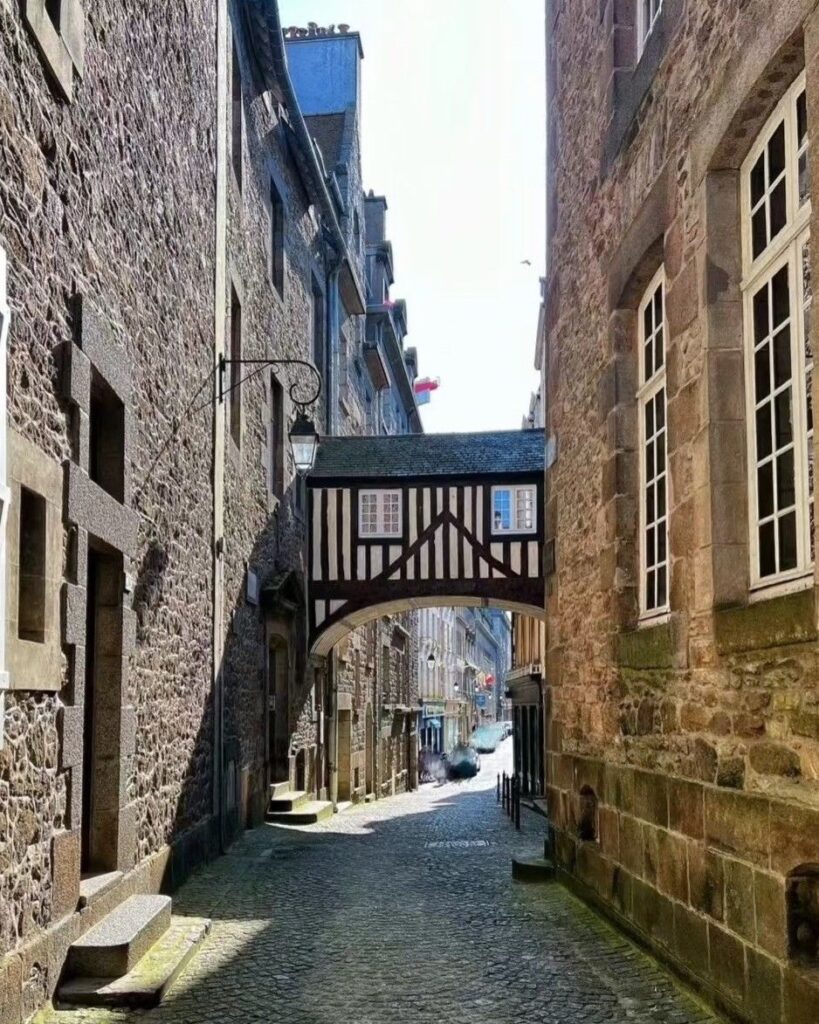
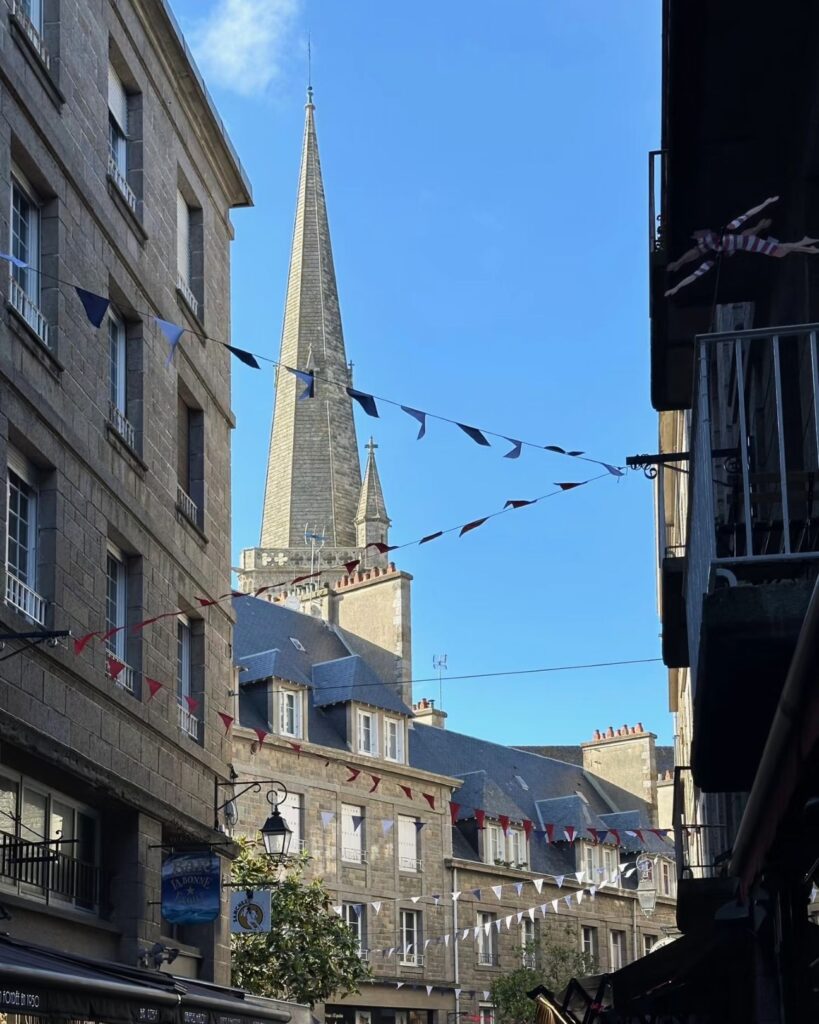
🦪 The old town spills over with cozy cafes and restaurants serving just-caught seafood.
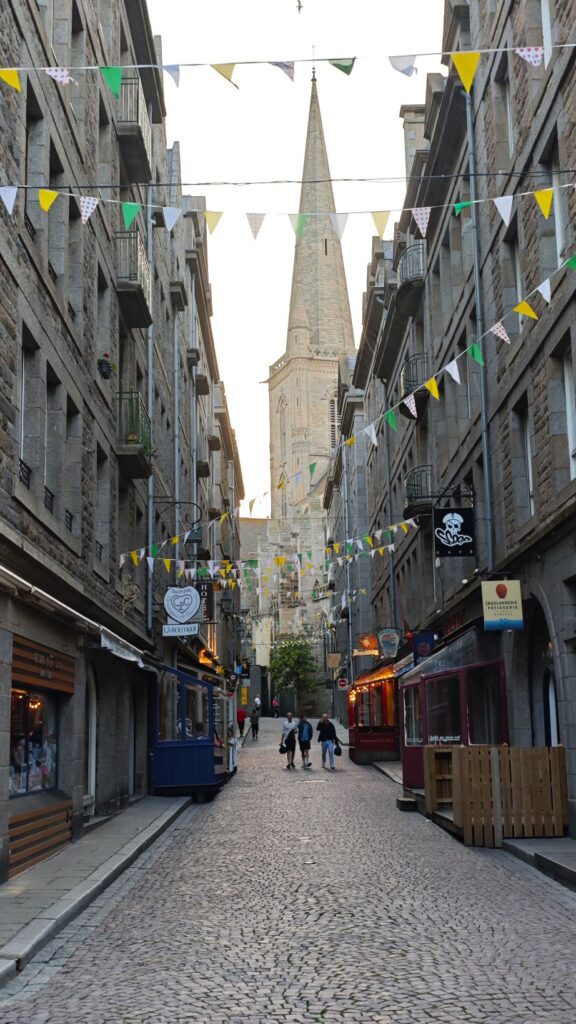
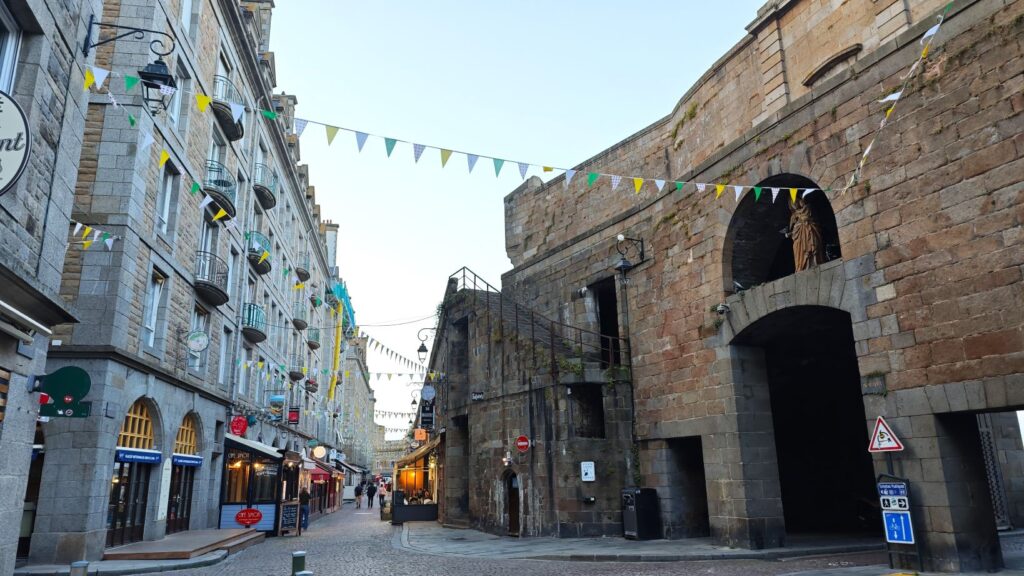
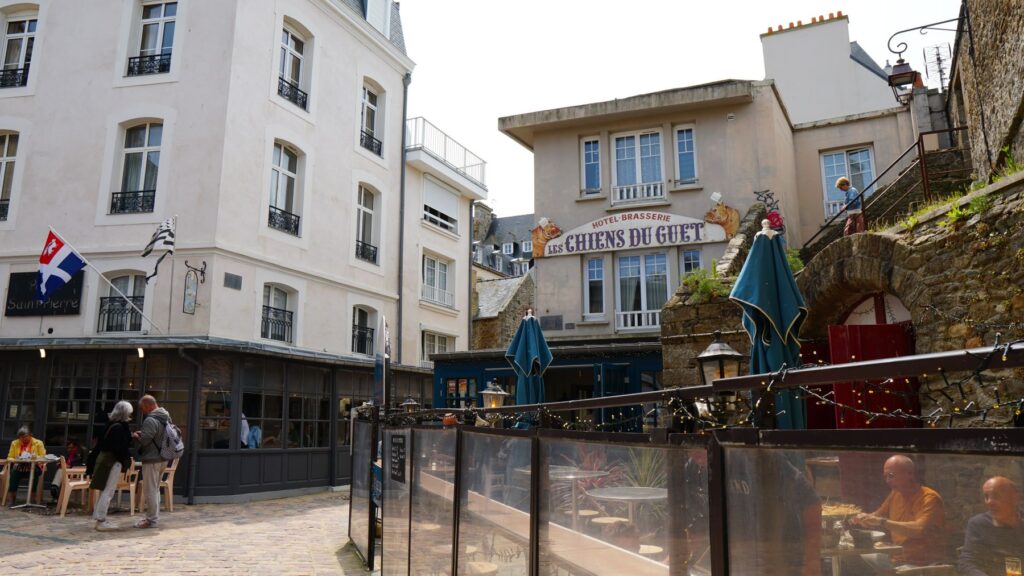
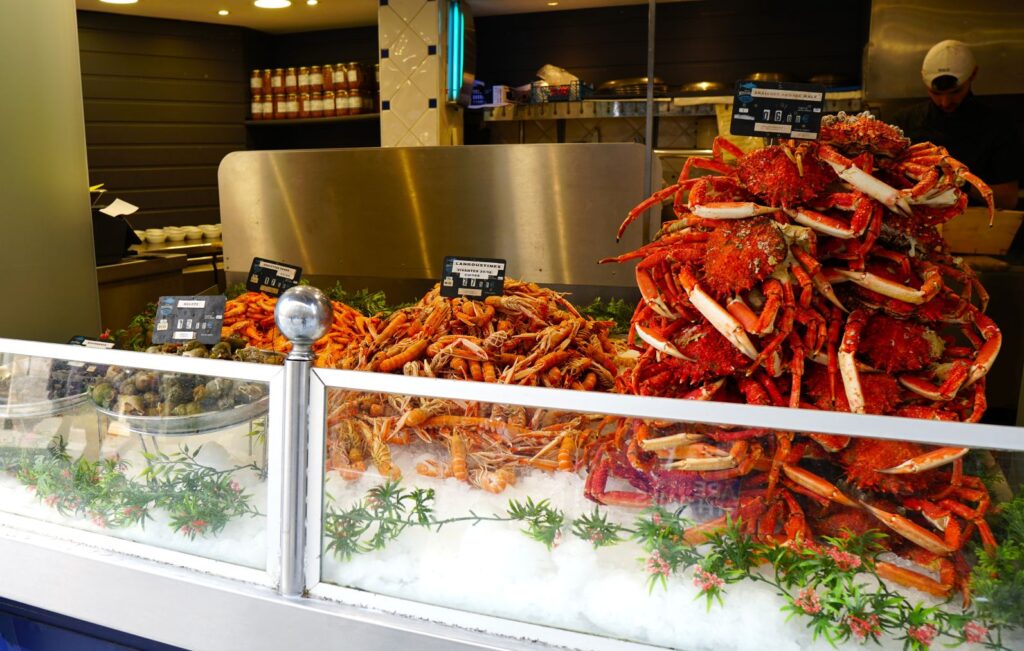
💡 At the wall’s end, you’ll spot rows of tall wooden stakes planted in the sand—markers for the tidal path. Follow them, and you’ll reach some of the best tide-watching spots.
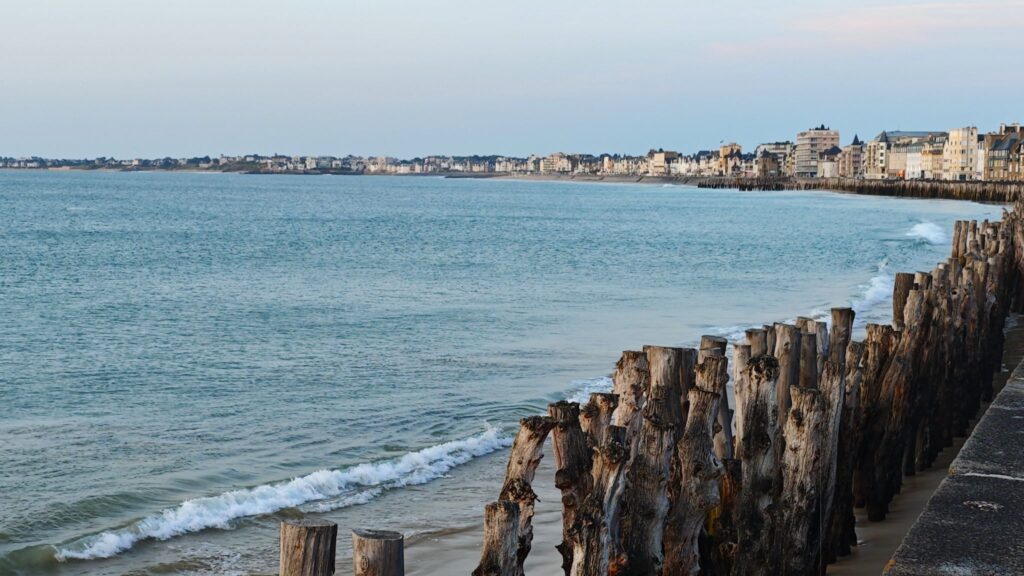
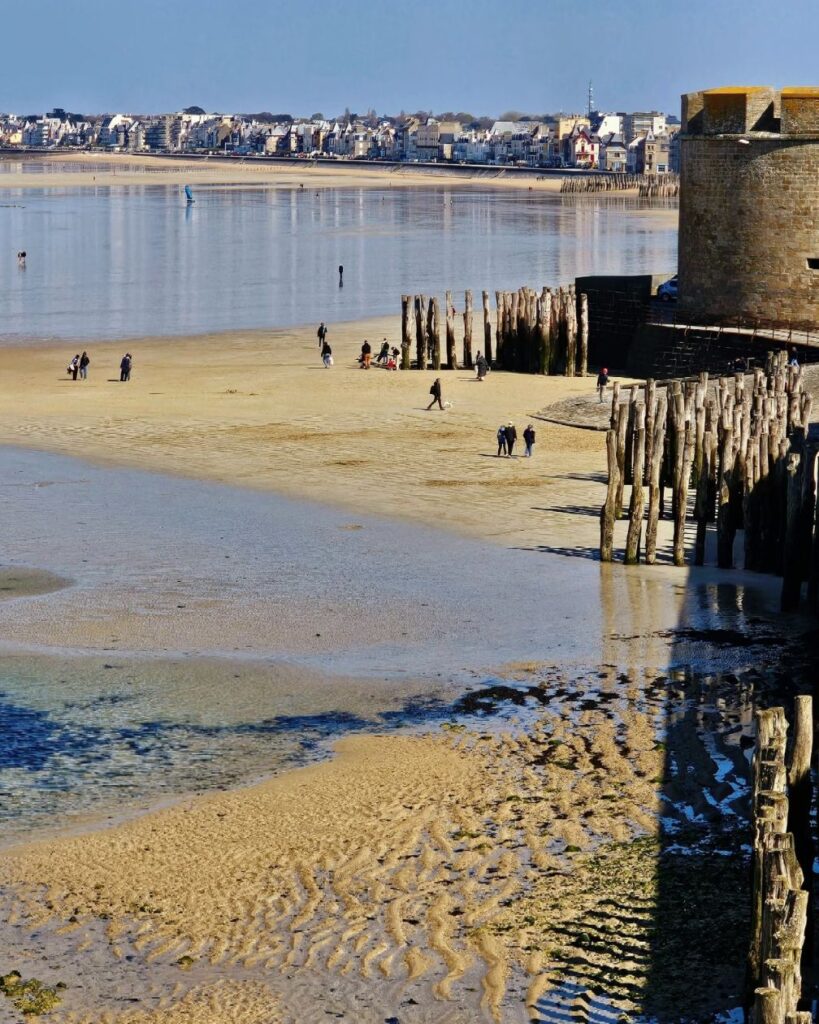
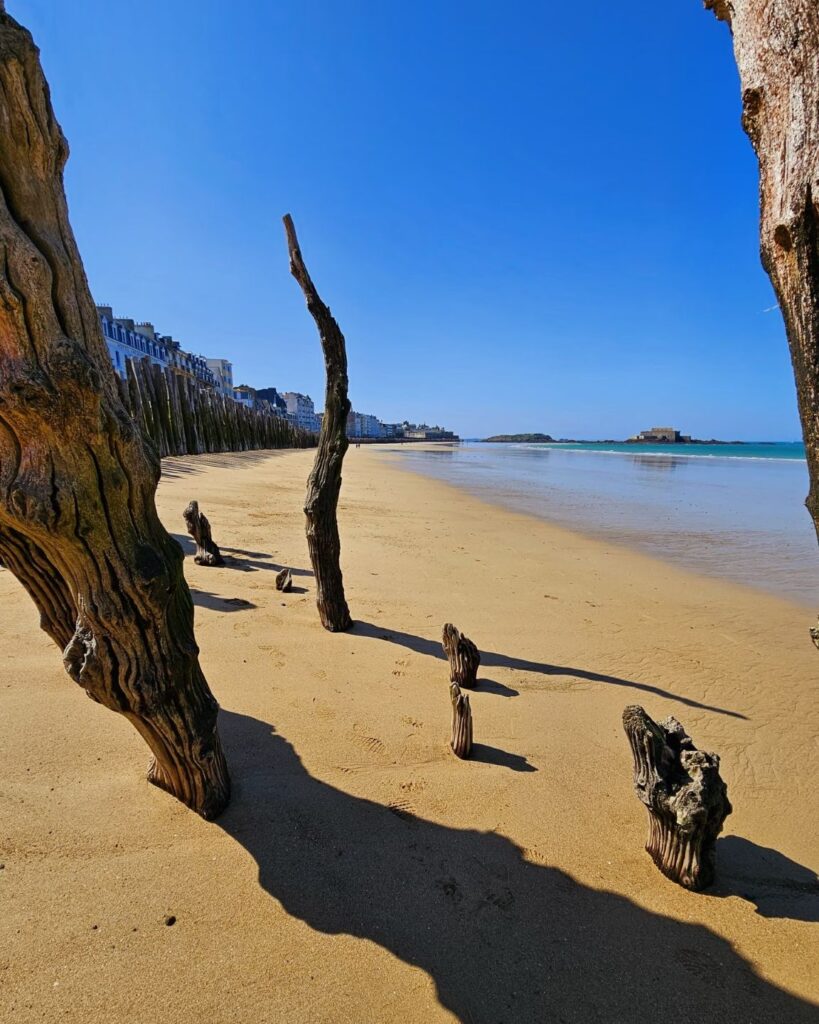
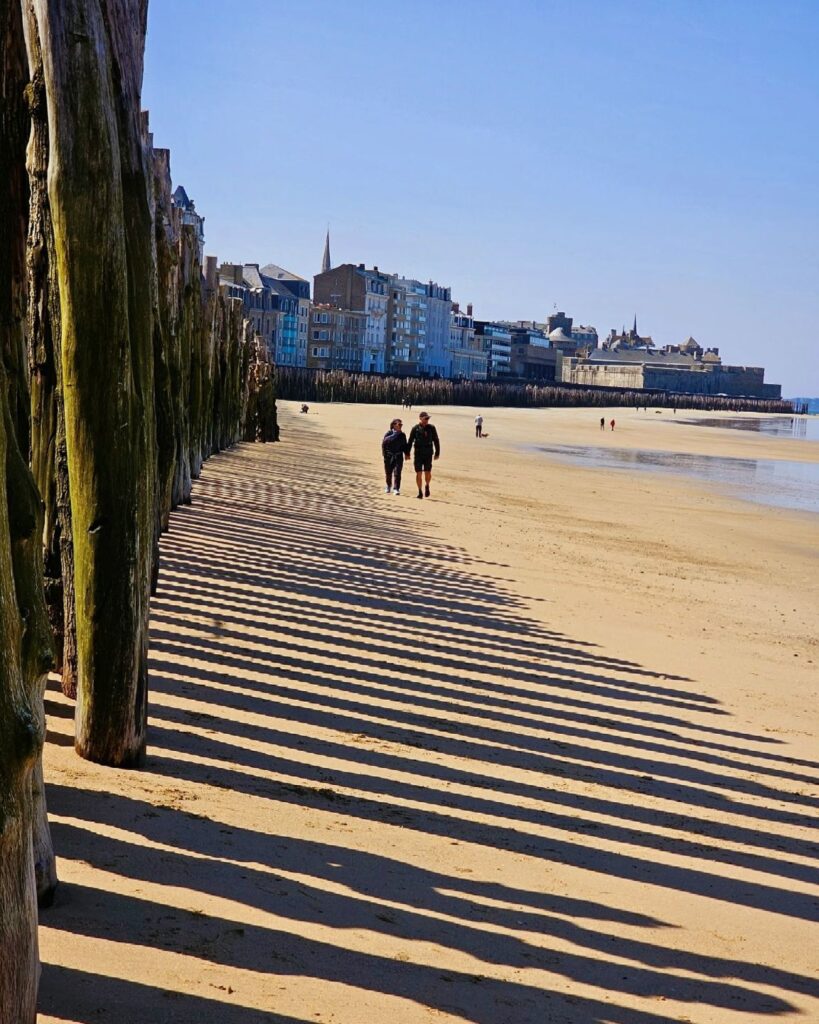
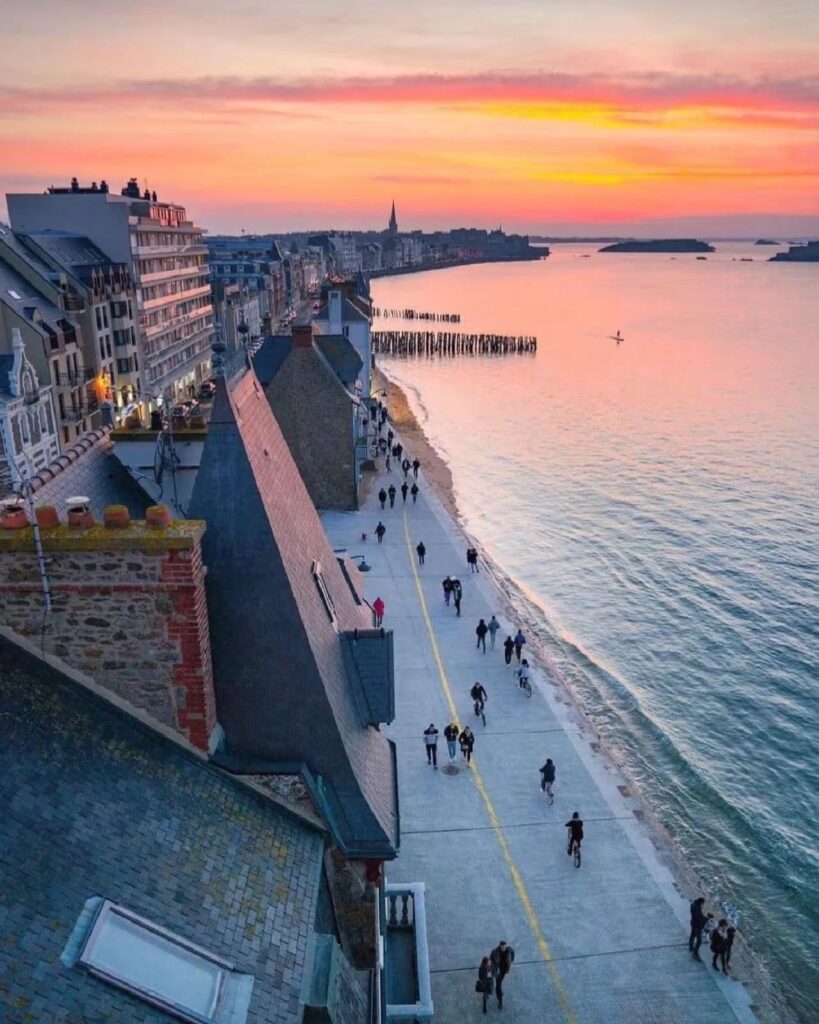
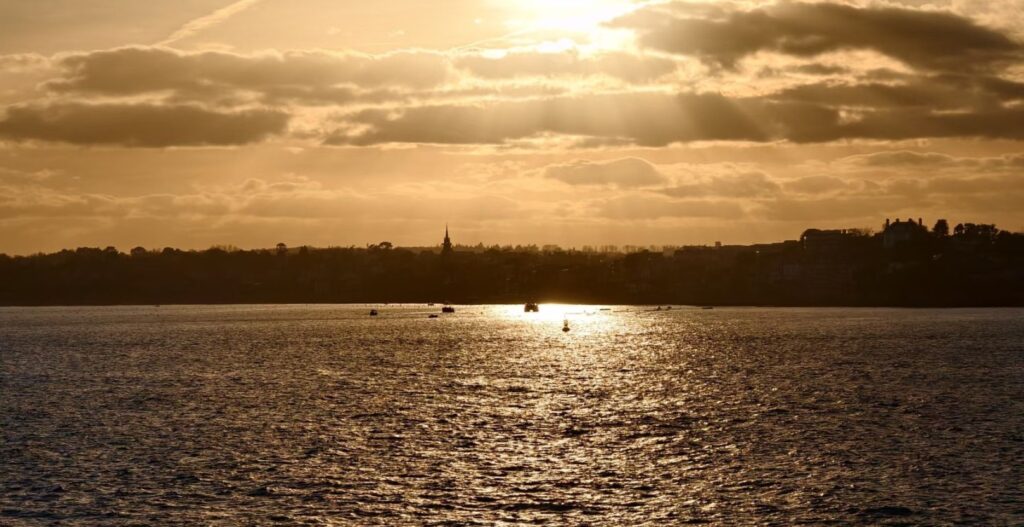
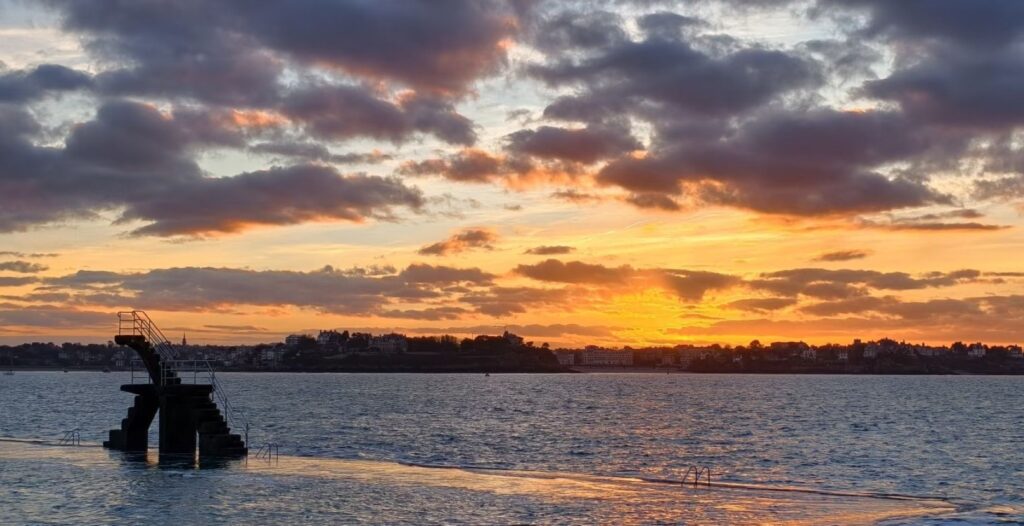
🌅 As sunset nears, climb back up for the golden hour view, where the sky melts into gold and pink above the sea—absolutely magical.
⛪ Saint-Vincent Cathedral
Inside the old town stands Saint-Vincent Cathedral, full of medieval atmosphere.
Its exterior is heavy Gothic stone.
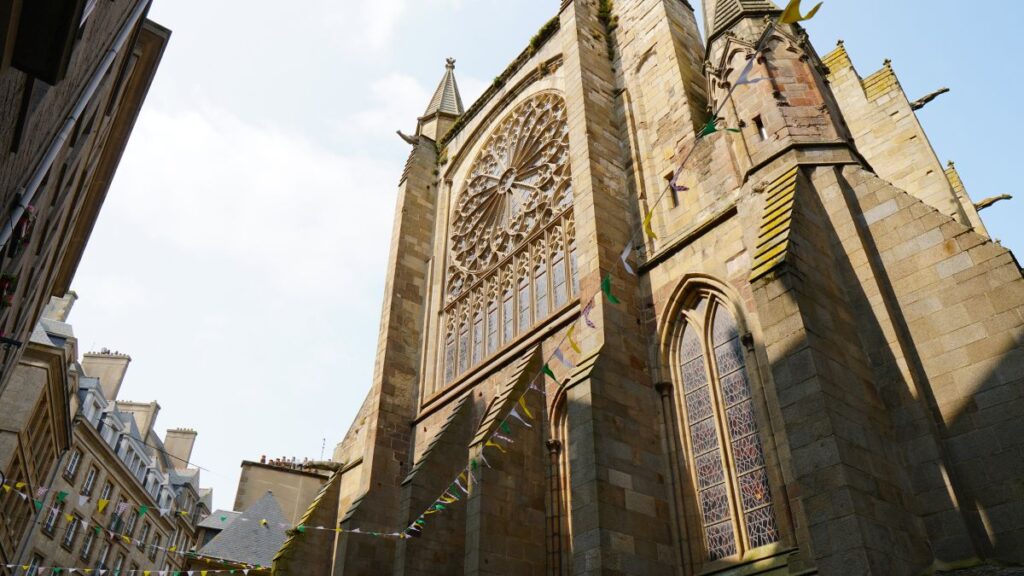
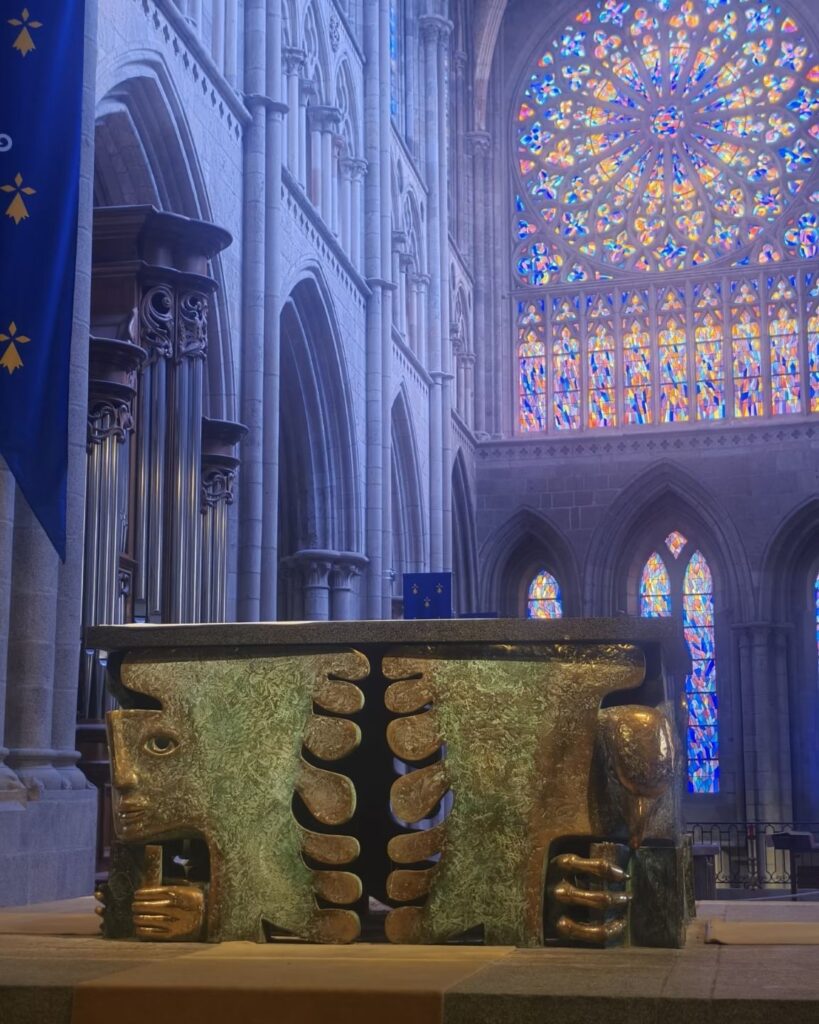
Step inside, and you’ll see colored light filter through stained glass, casting soft shadows that make you want to pause and breathe.
It’s free to enter, and sometimes you’ll hear a live organ performance, echoing through the silence 🎶.
🏝️ Grand Bé & Petit Bé Islands
Just offshore lie the Grand Bé and Petit Bé Islands. These tidal islets sit stoically beside the fortress, accessible only during low tide when a causeway emerges from the sea. Every day, the ocean pulls back its curtain, offering a fleeting passage.
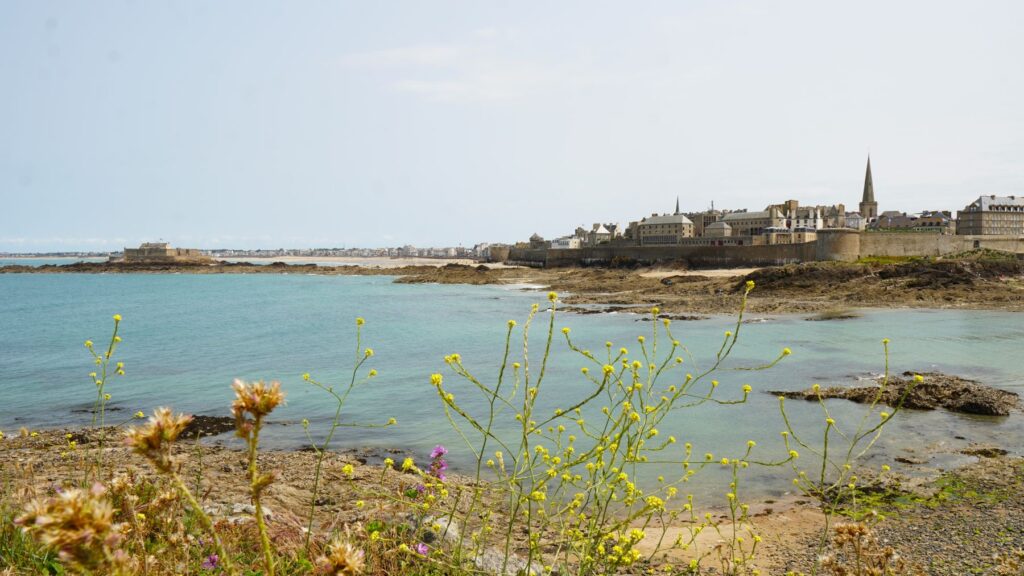
Walking from the old town to the port, you’ll see historic forts and quiet harbors, with sailing boats drifting by, seabirds circling overhead, silent shell beaches underfoot, shimmering light on the water, and sweeping views of the Emerald Coast.
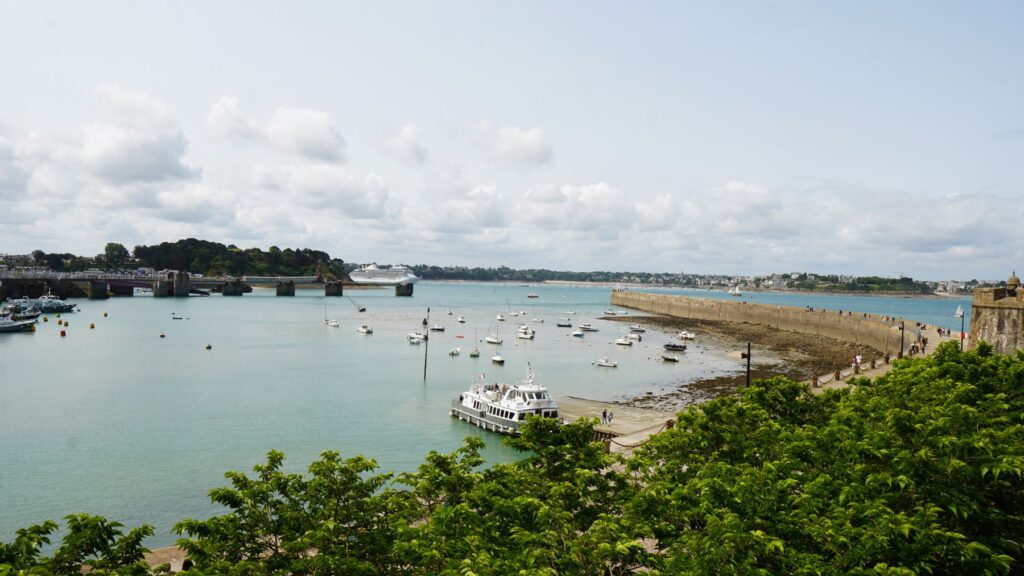
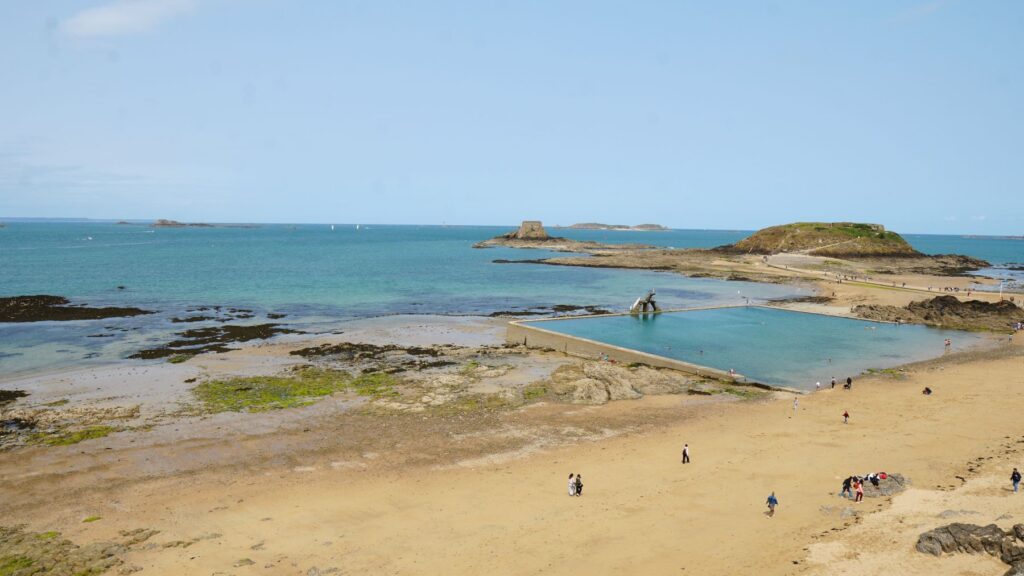
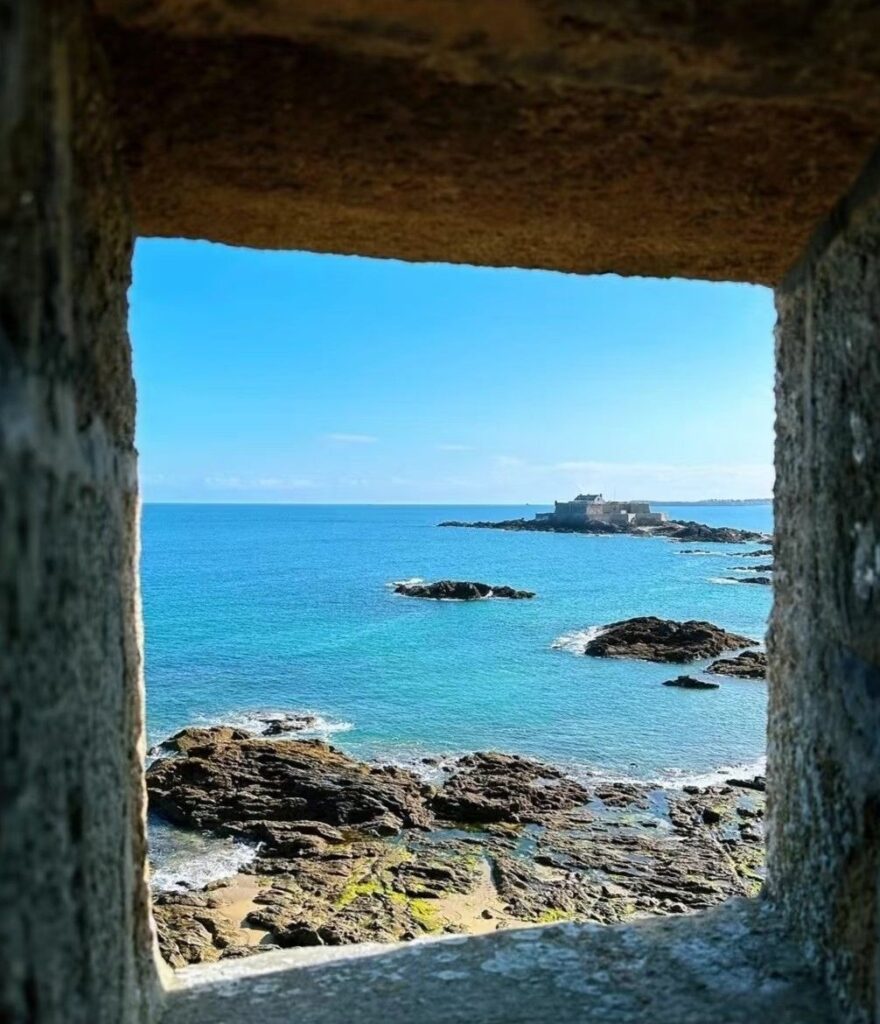
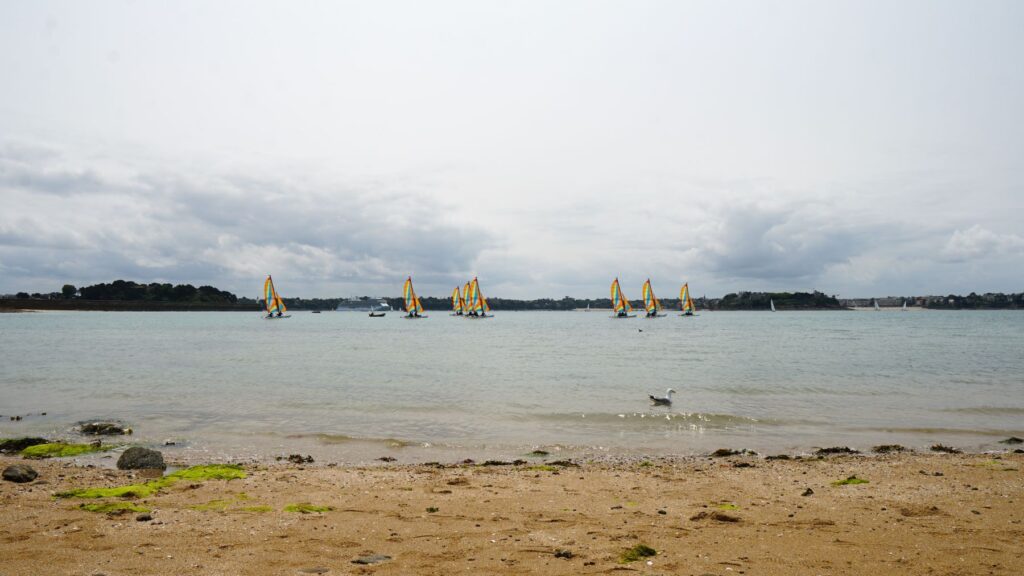
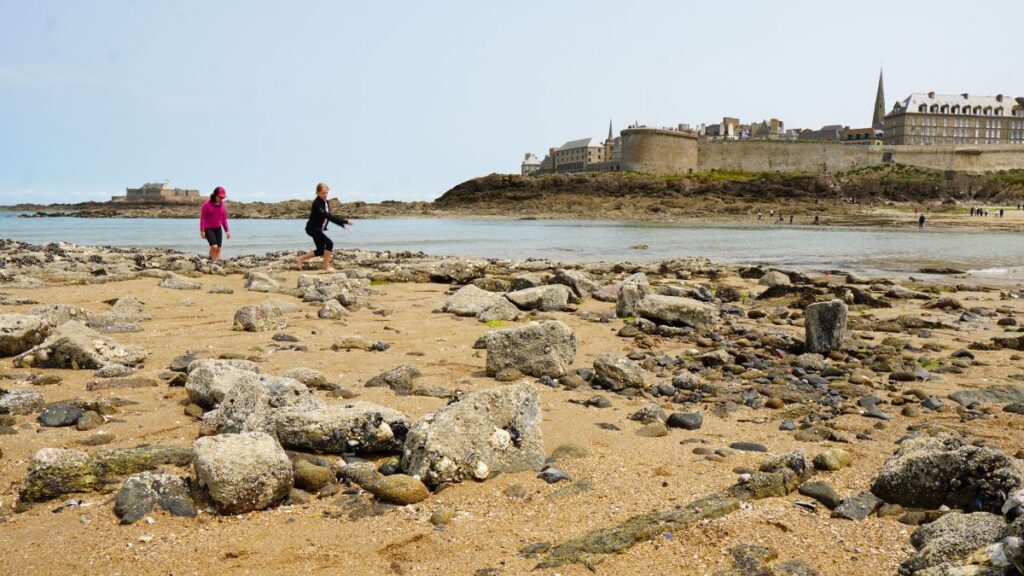
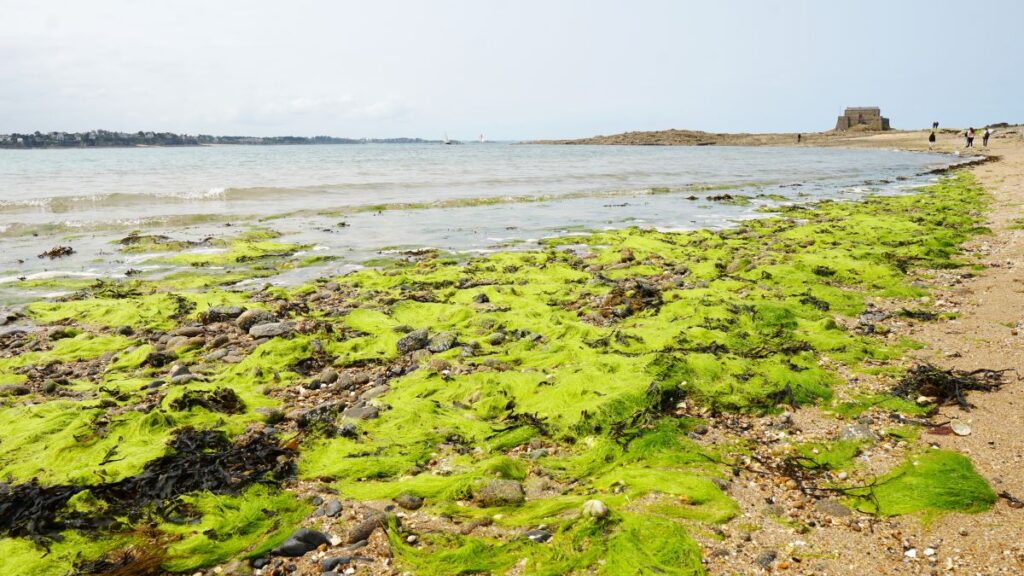
As the water recedes, the exposed sandbar invites you to walk across the seabed towards the islands.
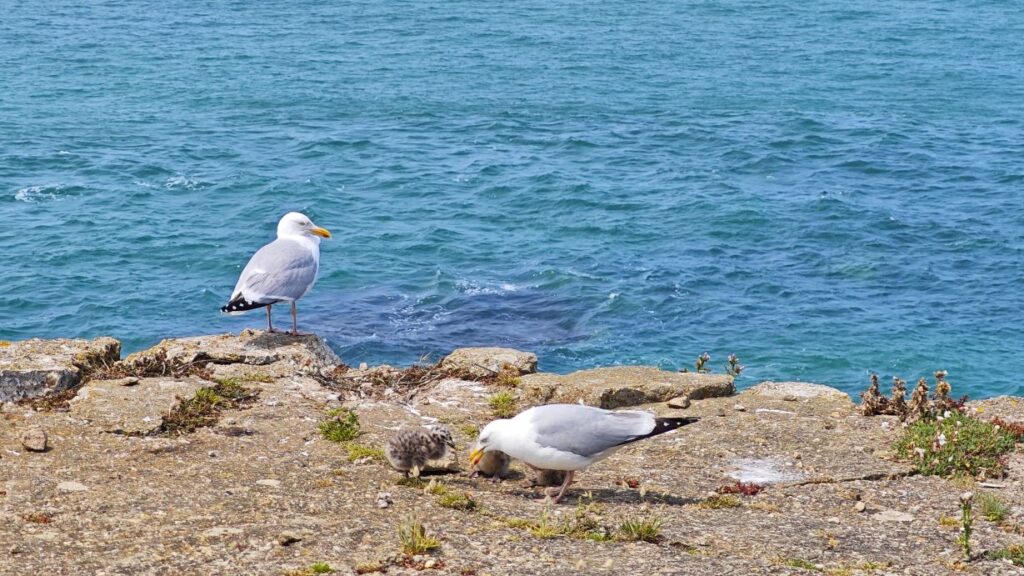
On Grand Bé, you’ll find the simple grave of the philosopher Chateaubriand. There’s no grand monument—just a flat stone slab facing the open sea. It’s a lonely and romantic spot, where the only sounds are the waves, the wind, and the wailing seagulls.
⚠️ Our Tide-Chasing Drama: A Cautionary Tale!
The island’s peace can be deceptive. We’d heard the tide difference here can reach 8 meters, and that ocean currents can be dangerously curved and strong. As the water rushed back in, we decided to make a quick exit — but not without drama. Waist-high waves crashed around us, ripped the shoes from our hands, and donated them straight to the Atlantic🩴🌊. Luckily, we made it back soaked but safe. We had heard that a couple a few days earlier had to be rescued after being cut off!
✅ Escape Tip: Always check the tide times before you go! You can use website www.maree.info. Plan your visit to allow enough time to return safely.
📌 What Else to See?
🏰 Fort National
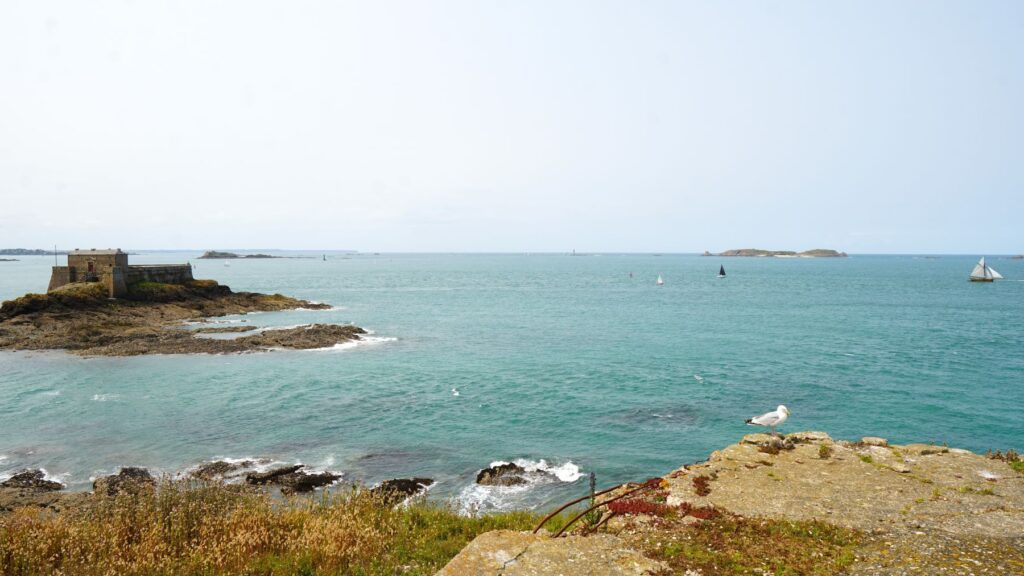
This 17th-century fortress was built under Louis XIV to defend the city. Access is also tide-dependent! Note: It closes annually from October 1st until the following spring.
🌊 Europe’s Most Dramatic Tides
Beyond pirates, Saint-Malo is famous for having the greatest tidal range in Europe! The powerful North Atlantic currents here create a breathtaking spectacle. The sea can rise up to 13 meters in just 6 hours during a high tide.
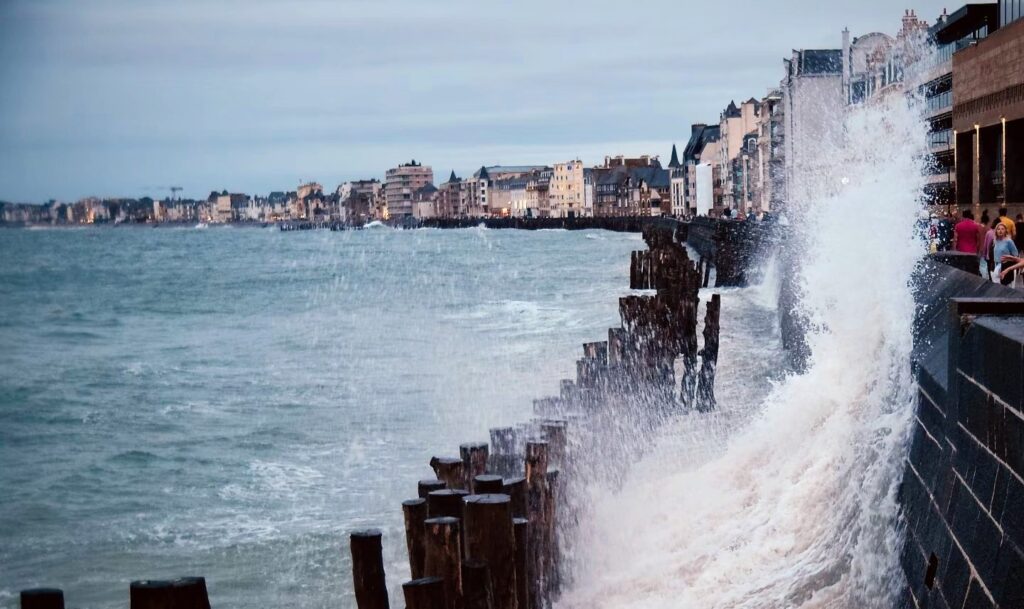
The most dramatic “grandes marées” (spring tides) occur between March and September, especially near the equinoxes, with water levels soaring up to a staggering 20 meters! 😱 Waves can crash over the ramparts and flood the streets—so if you’re tide-watching, wear a raincoat and boots! You can check schedules online or just ask a friendly local or restaurant owner.
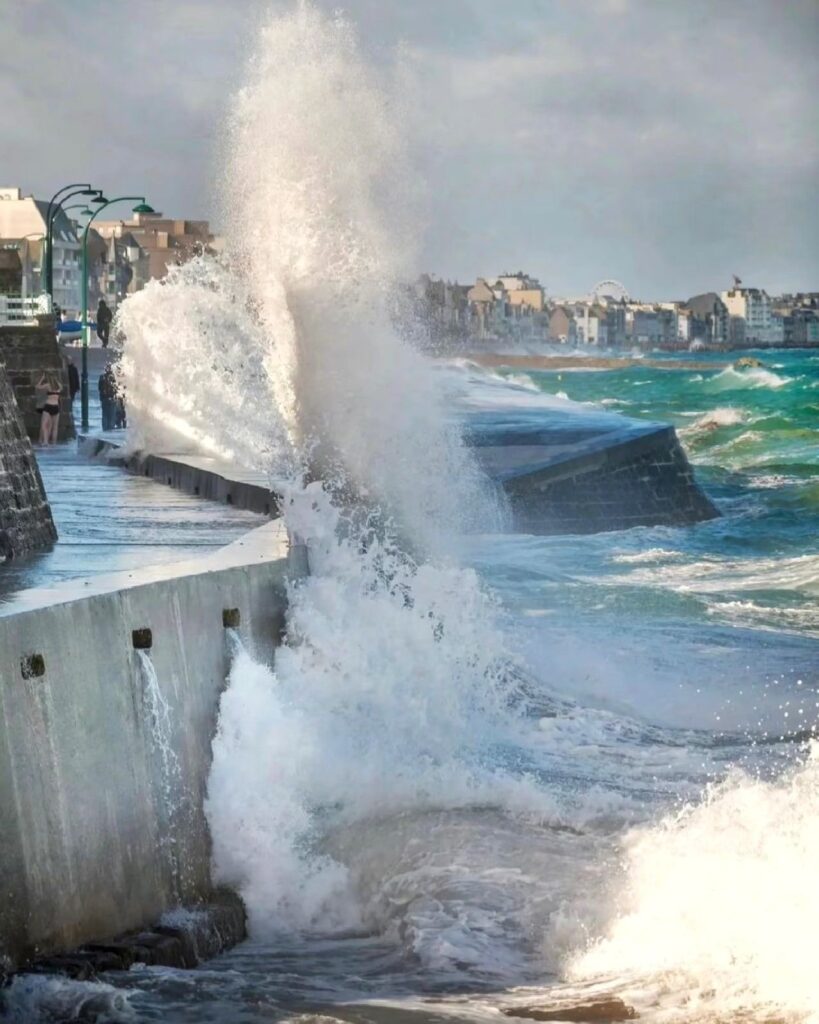
🗼 The Lighthouse (Phare de Saint-Malo)
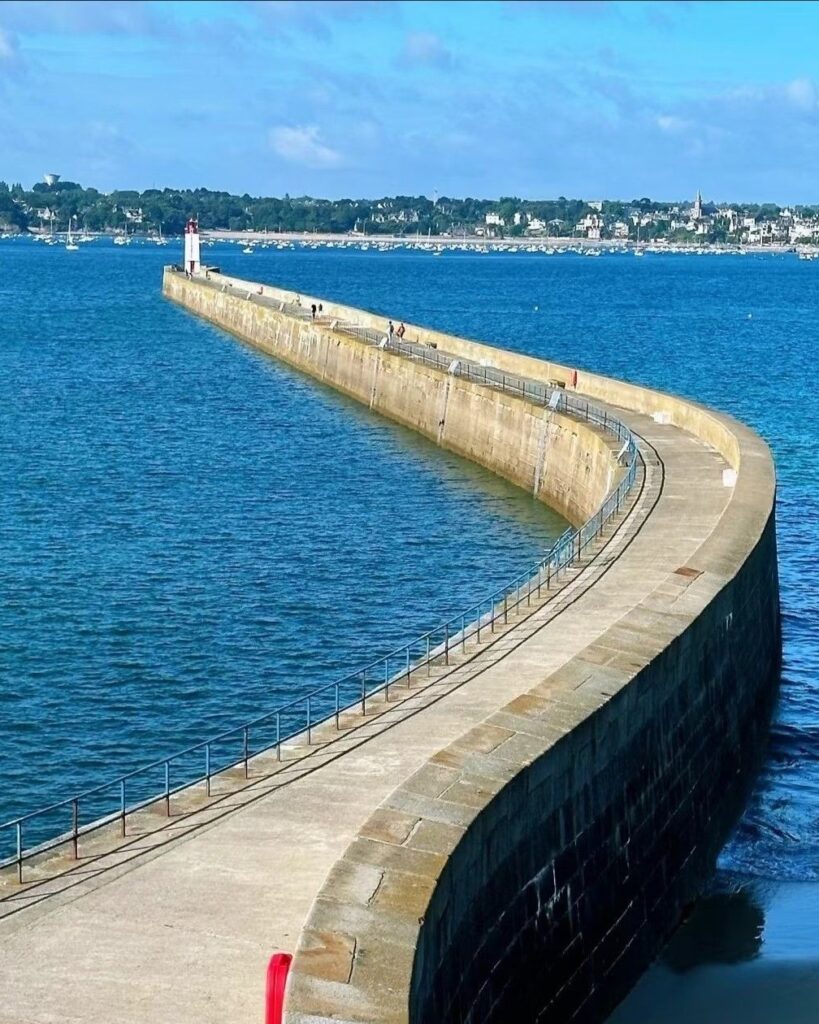
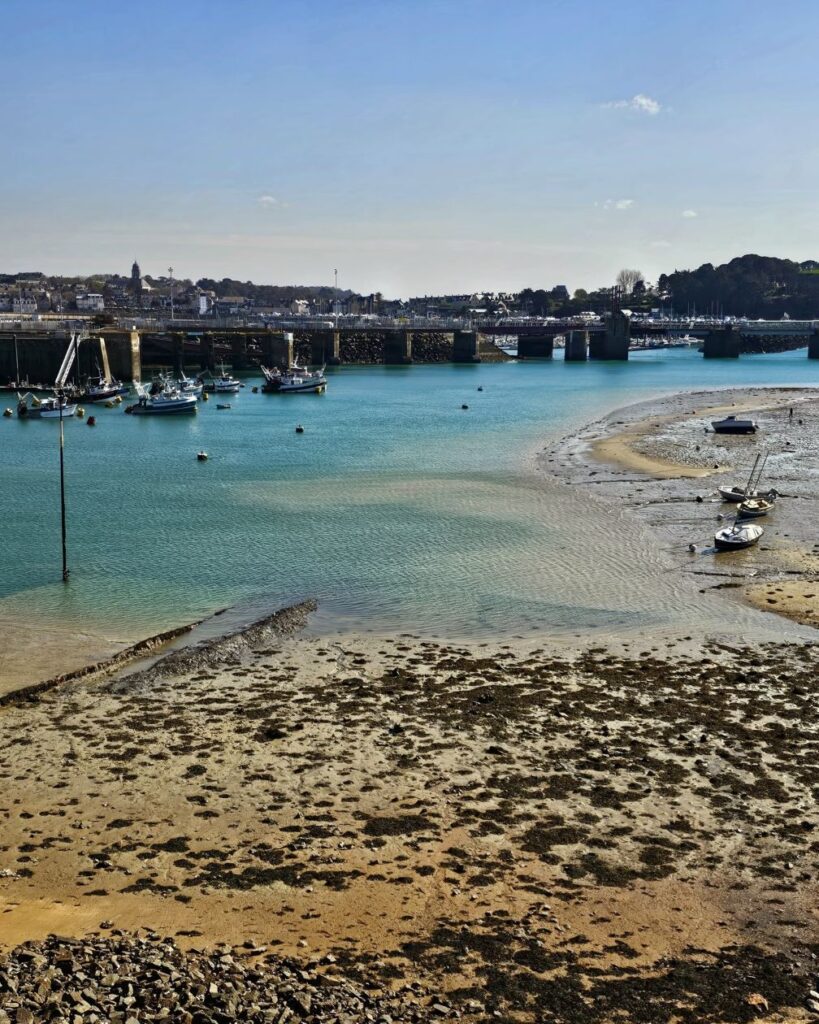
From the lighthouse, turn back toward the city—you’ll get a full-frame view of the walled citadel.
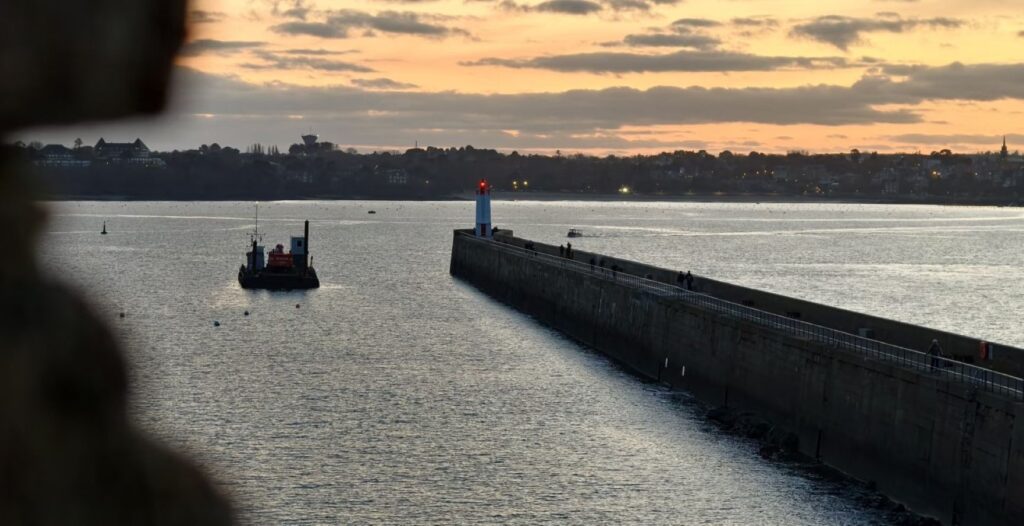
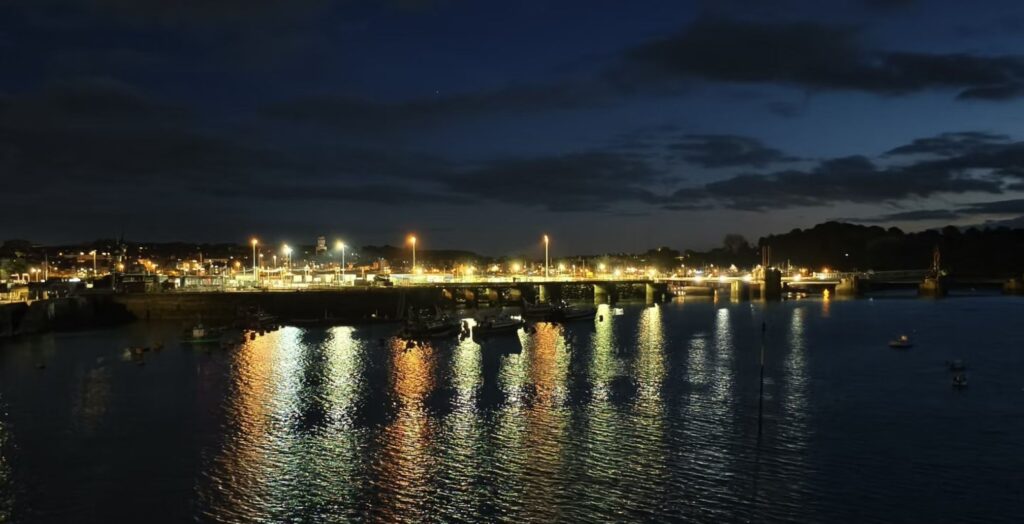
🌅 Evening | Sunset Beach (📍 Plage du Sillon)
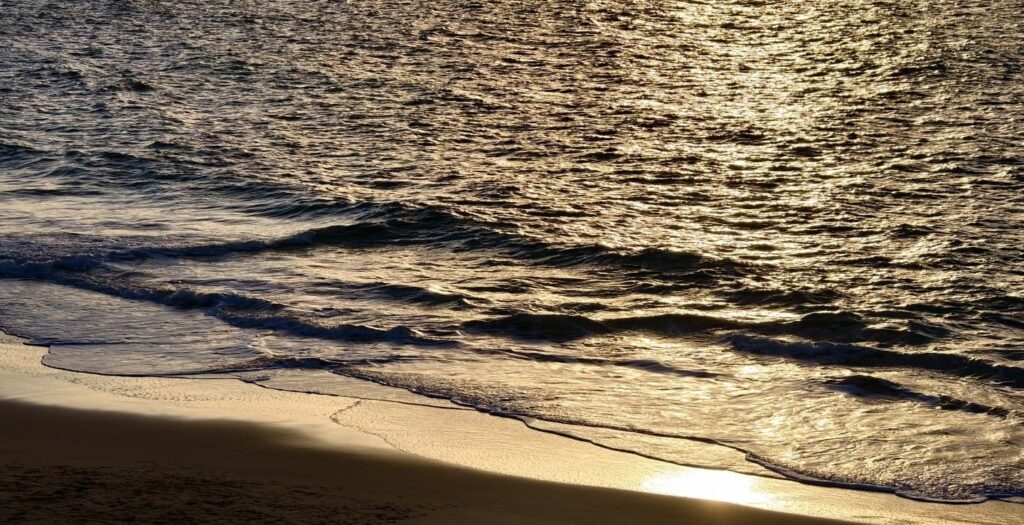
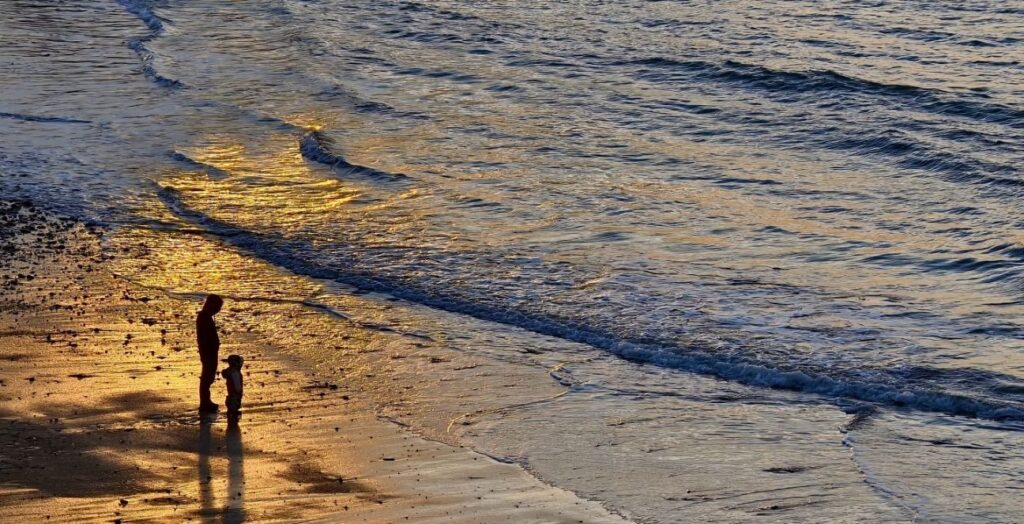
As the day winds down, take a walk along this long, beautiful beach. Watch the sunset paint the sky as waves crash against the granite breakwater. After the tide retreats, the wet sand is etched with beautiful, intricate tidal patterns.
🍽️ Food Tips
🧈 Kouign-Amann – Brittany’s Butter Bomb
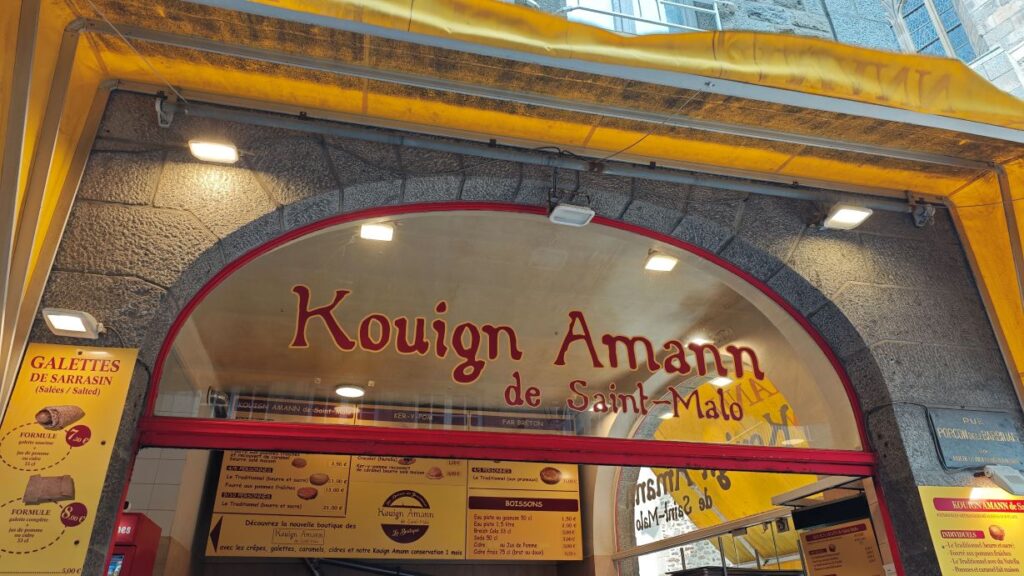
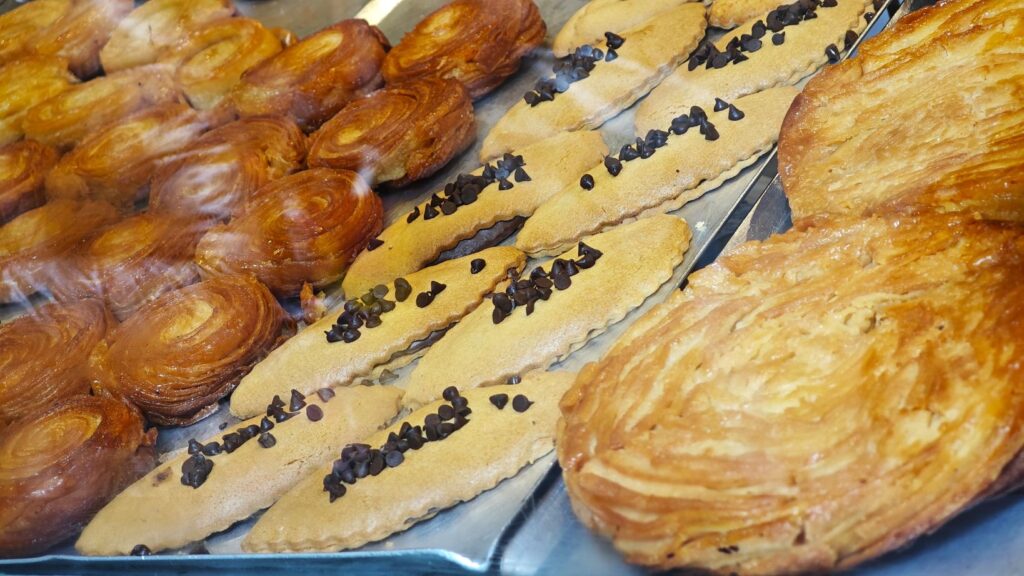
Follow the sweet, buttery scent in the air to find Kouign-Amann 😍. This Breton pastry is pure indulgence: crisp, caramelized layers of dough, sugar, and butter that melt into a chewy, airy, gloriously rich bite. Many shops sell vacuum-packed boxes—we took two home!
🥞 Crêpes – The Birthplace of Crêpes
Brittany is said to be their true birthplace, so eating them here is almost essential.
📍 Bergamote– Highly recommended. Here we tried:
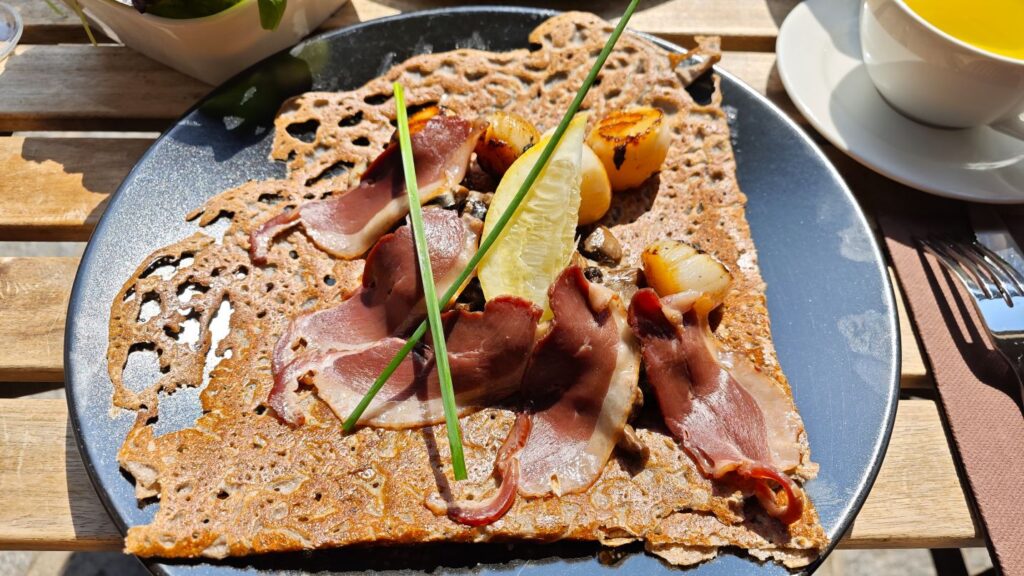
Terre et Mer (Land & Sea Crêpe): The thin, crisp-edged crêpe itself is savory, with a hint of smoky buckwheat. Over it lies the tender, soft smoked duck, its gentle smokiness mingling with rich, earthy mushrooms dressed in a slightly creamy sauce. The best part is the sweet, juicy, roasted scallops (Noix de Saint-Jacques), their edges caramelized into little bites of oceanic candy.
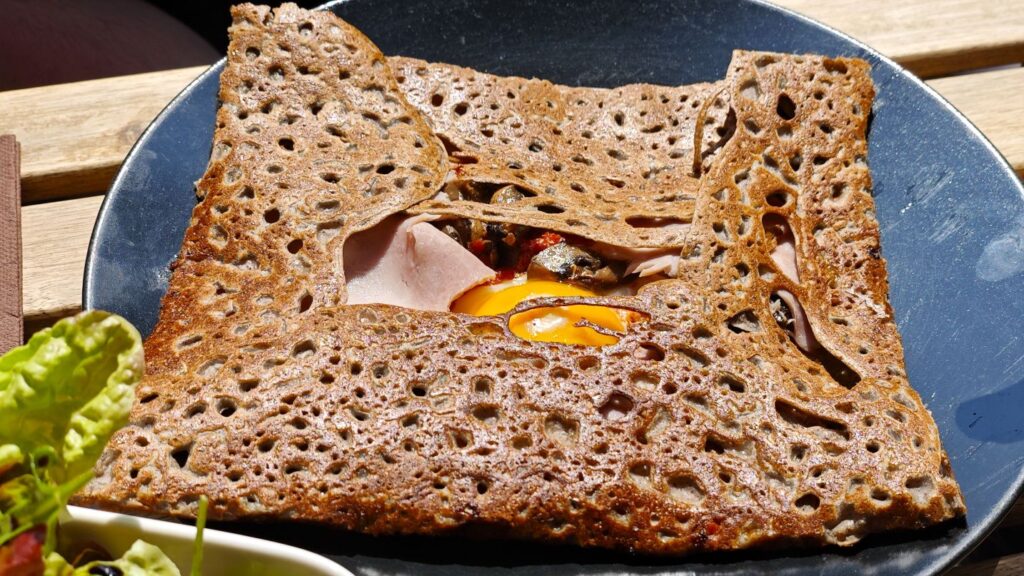
Provençale Crêpe: With ham, egg, mushrooms, tomatoes, and herbs. The egg was silky, tomatoes juicy, ham salty — all wrapped in a thin, crisp-edged, savory crepe.
🍷 French Bistro Dinner – Le Bistro de Jean
For dinner, Le Bistro de Jean (reserve ahead!) welcomed us with warm bread and salted butter – salted butter is a Brittany specialty, thanks to the region’s historic salt production.
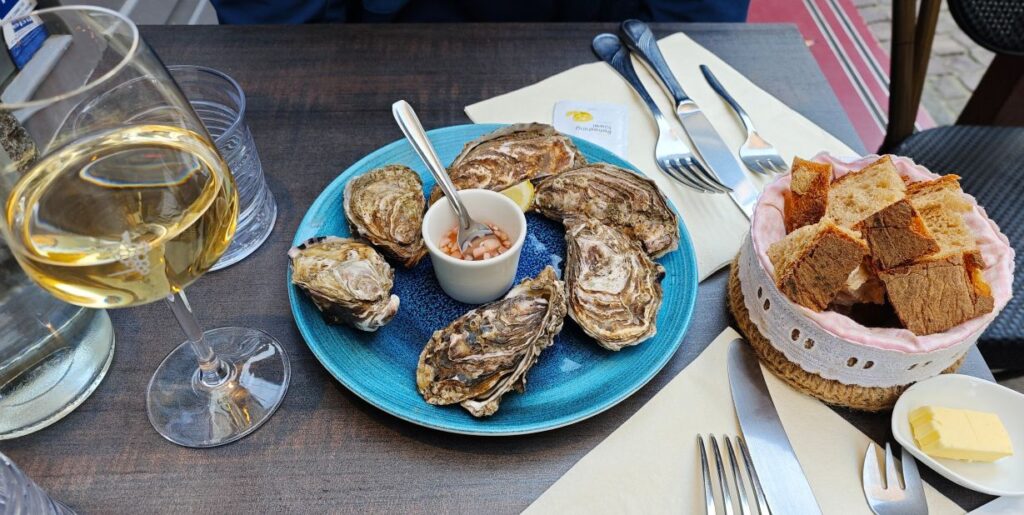
We paired it with a Marsanne wine (Domaine Vigier)—fruity, floral, with a strong, throat-warming finish.
Starter – Oysters
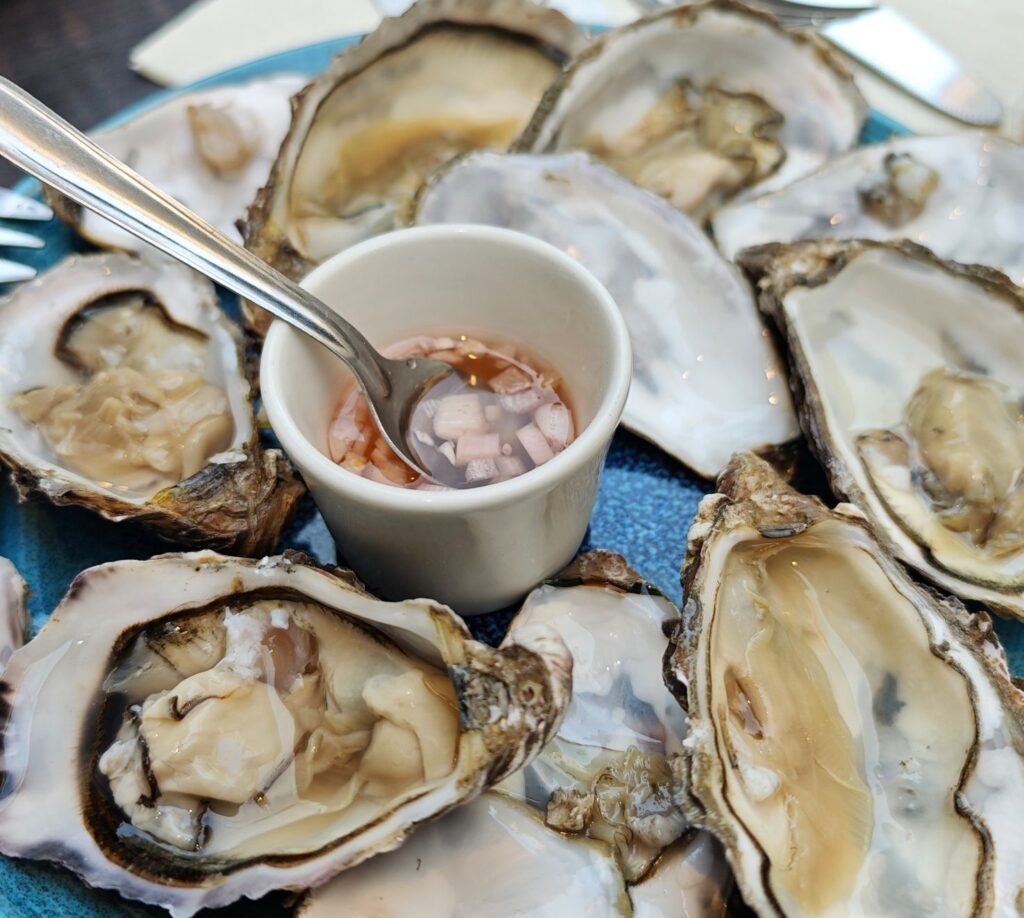
Freshly opened, smelling like the ocean, served with a tangy vinegar-shallot sauce that was slightly spicy and floral. The oysters were small but intensely flavorful.
Main – Lamb shank in rosemary-red wine sauce
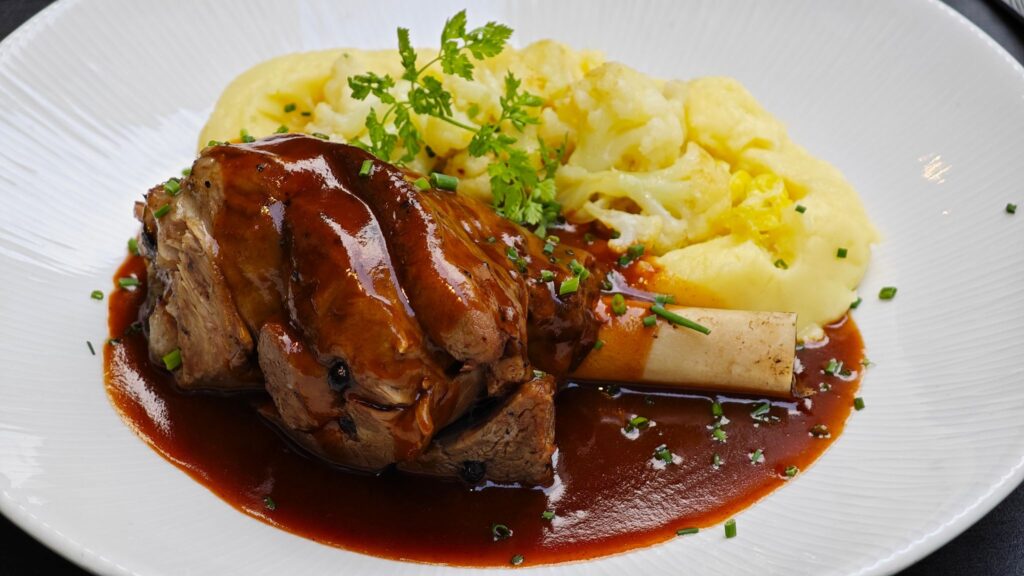
The lamb is fall-apart tender, so soft it almost melts like a cloud ☁️. It’s mostly lean meat, with just enough juicy fat to make it indulgent. The whole cut is draped in a savory red-wine-based rosemary sauce, deeply flavorful with a slightly peppery kick. Alongside are baby cabbage and buttery cauliflower florets.
Fish of the Day – Haddock (Aiglefin)
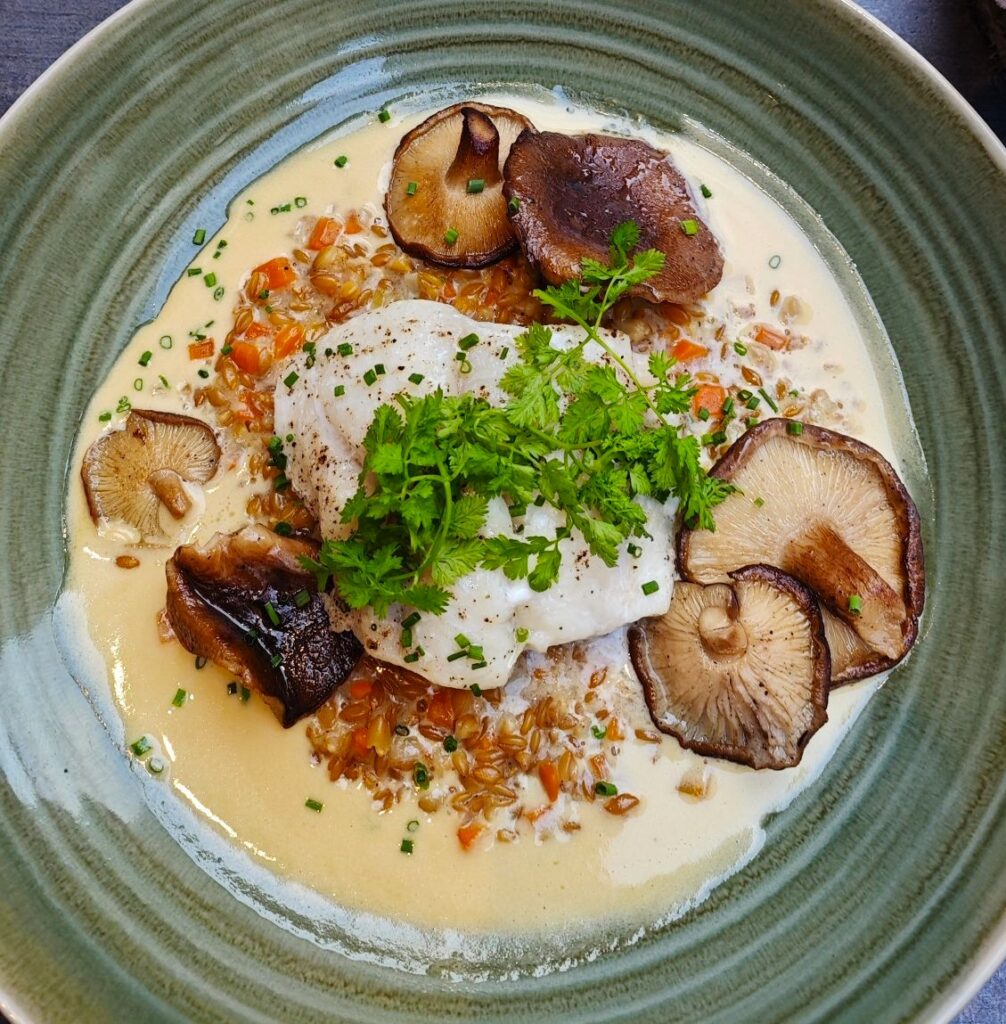
The fish, mild like cod, has a springy texture that holds its own against the silky cascade of Beurre Blanc sauce—a classic French emulsion of white wine, shallots, and butter that is creamy, tangy, and impossibly smooth. Underneath, lightly sweet spelt risotto provides comfort with its clear, chewy grains. Scattered around are sautéed mushrooms. Fresh cilantro on top adds an herbal lift.
🍦 If you still have room, end your meal with Caramel au beurre salé ice cream at Sanchez near the cathedral—a century-old shop where the iconic salty-sweet caramel tastes like Brittany in a scoop.
🌍 In Closing
Once a haven for explorers, a paradise for legalized pirates, and home to some of the most dramatic tides in Europe, Saint-Malo is not a typical “tourist spot”, but every step reveals a new scene, rich with stories of sailors, storms, and freedom. It’s not loud or flashy, but between its fortress walls and roaring tides, you feel the soul of Brittany: wild, proud, and untamed.
Next stop: Mont-Saint-Michel and a seafood buffet of endless fat oysters, lobsters, and king crabs! 🦀🌟

imagine having your windows open to have some fresh air and saint Malo tide comes crashing in… 💀
It’s absolutely a beautiful place especially in the summer. ❤️
Eeeee this is making me so excited for our holiday
What hotel would you recommend within the walls?