
In Search of Shangri-La: A Trip to the Heart of Tibet in Yunnan, China
The word “Shangri-La” itself comes from British novelist James Hilton’s 1933 novel, Lost Horizon, where it described an isolated, harmonious valley nestled among mountains, where people lived in peace and near-immortality. Over time, it became a byword for paradise on earth. But here, in northwestern Yunnan Province, it stands as both a dream and a destination.
In 2001, the former Zhongdian County officially renamed itself Shangri-La (Xianggelila), a word meaning “the sun and moon in one’s heart” in Tibetan—echoing the ancient local name “Niwangzong.” And so, the fantasy took root in the real world.
🗺️💫 Follow the journey. Find your calm – Shangri-La unpacked in 6 Days Through Tibetan Culture, Landscapes, and Cuisine
👉 [Click below links for the full day-by-day guides to each spot.]
Morning/Afternoon: Arrive in Shangri-La, and take it easy to acclimatize to the 3,300-meter altitude.
Late Afternoon: Ascend to Guishan Park. Join pilgrims and visitors in rotating the giant golden prayer wheel, the world’s largest. Soak in the views of the old town and the valley beyond.

Evening: Stroll the charming maze of Dukezong’s cobblestone streets. Explore Tibetan handicraft shops and the traditional architecture.
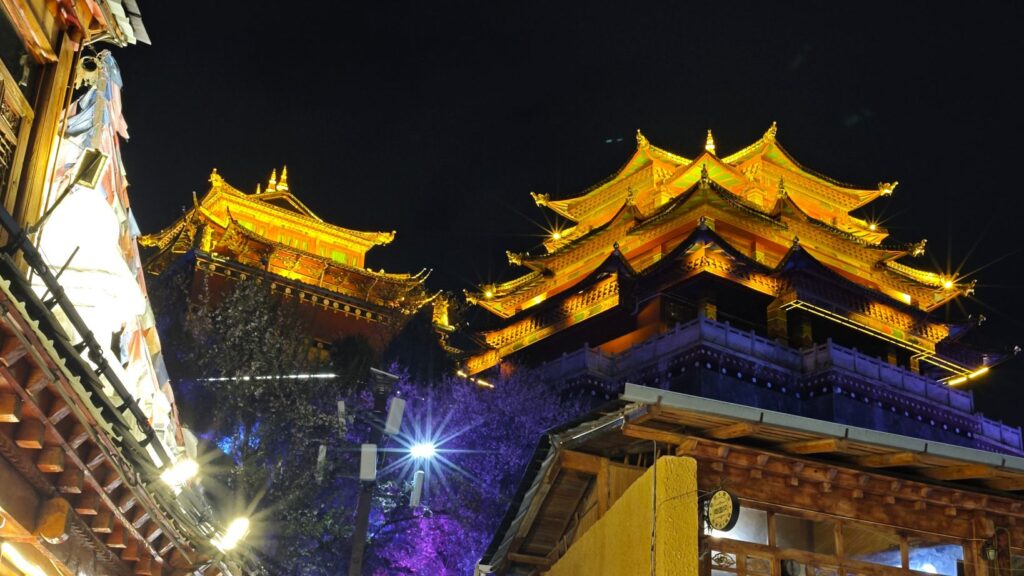
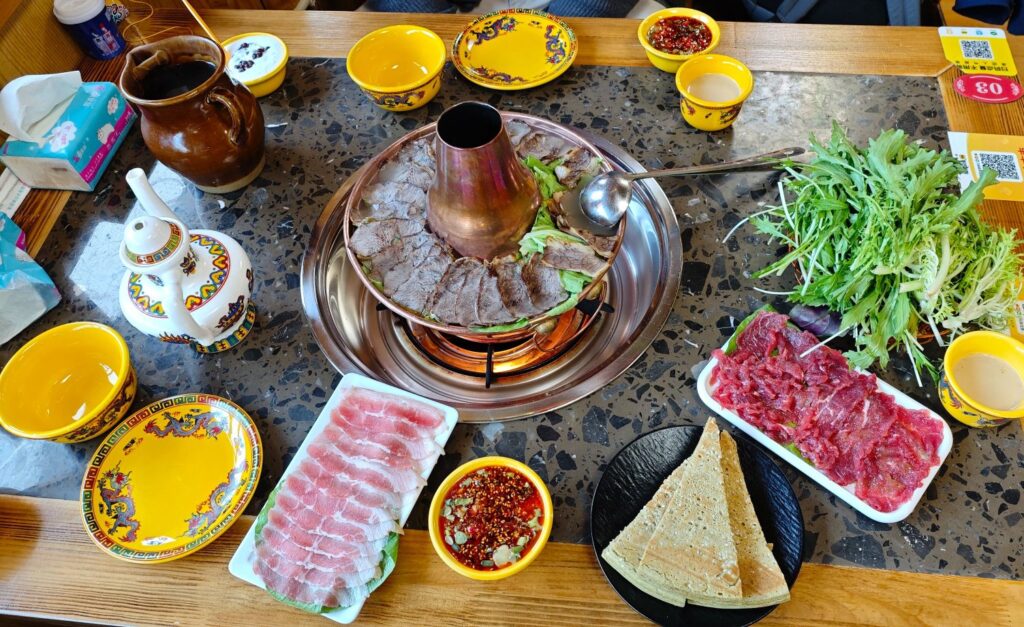
Dinner: Warm up with a rich and hearty Yak Meat Hotpot.
Day 2: The Majesty of Tibetan Buddhism
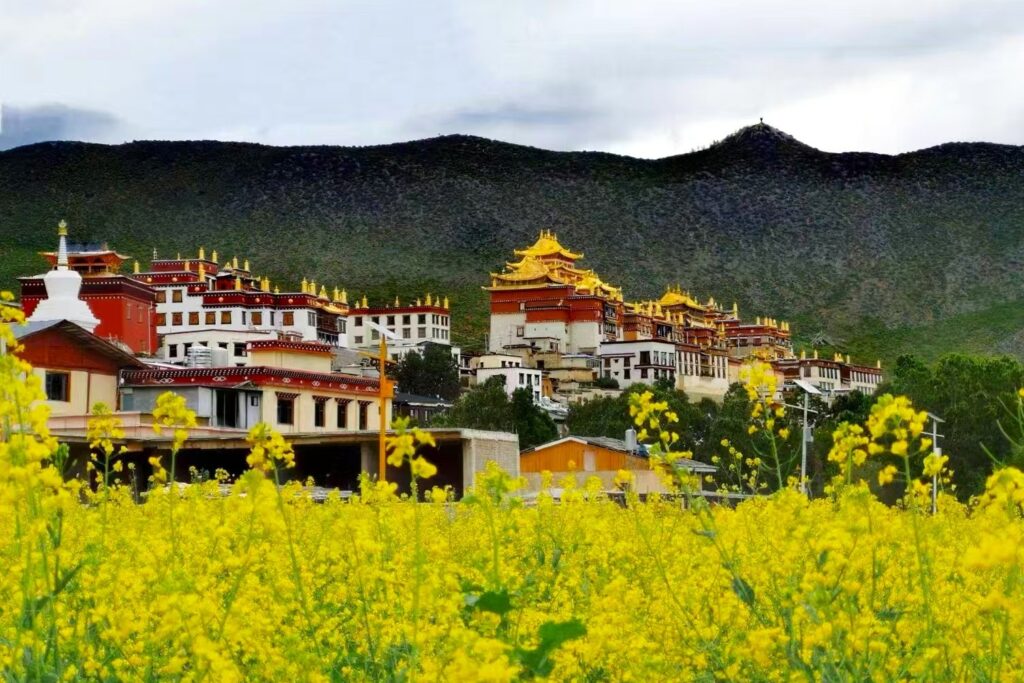
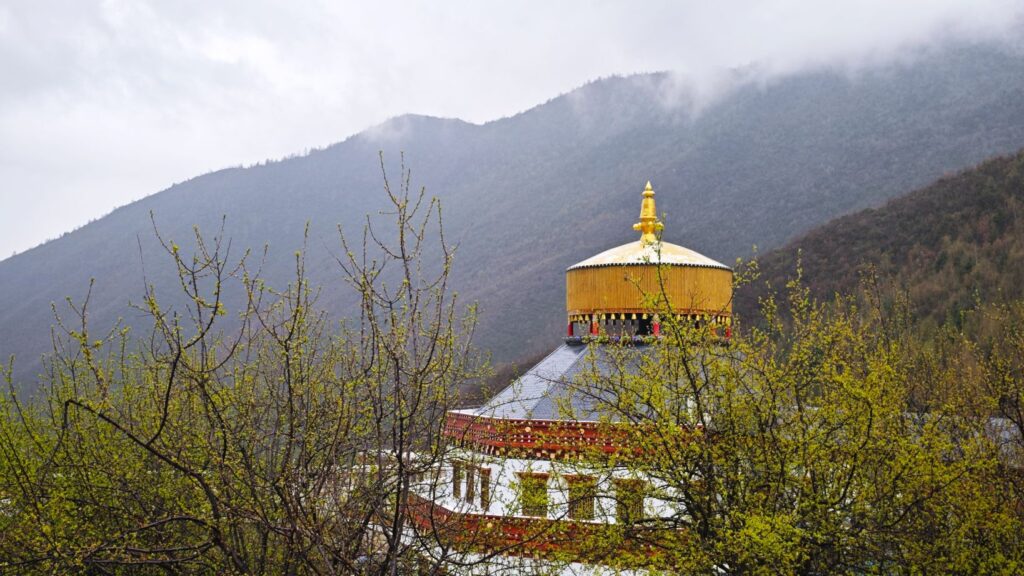
Morning & Afternoon: Journey to the Ganden Sumtseling Monastery. Explore the largest Tibetan Buddhist monastery in Yunnan, often called the ‘Little Potala Palace.’
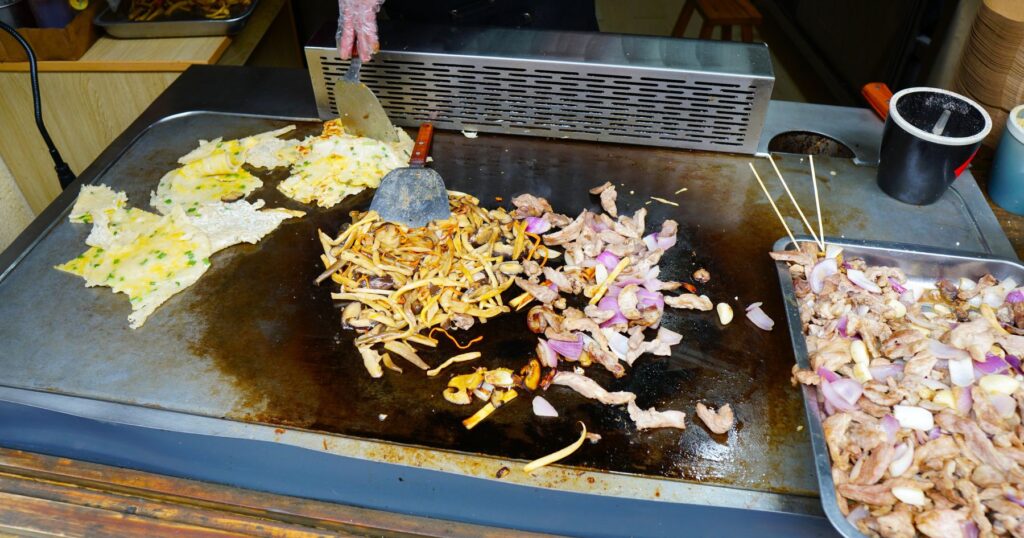
Evening: Return to Dukezong Ancient Town for a street food adventure from local market stalls.
Day 3: Pristine Lakes & Alpine Meadows
Full Day: A trip to Pudacuo National Park. Marvel at the pristine beauty of Shudu Lake and Bita Lake, where crystal-clear waters perfectly reflect the surrounding forests and distant snow-capped peaks. Wander the wooden boardwalks through peaceful wetlands and expansive alpine meadows. Tip: The weather here is unpredictable and chilly even in summer. Dress in warm layers and wear comfortable walking shoes.

Dinner: Savor a Yunnan Specialty Mushroom Hotpot. This is a must because Yunnan is famed as China’s “Kingdom of Wild Mushrooms,” home to hundreds of unique, fragrant, and delicious wild fungi varieties that create an incredibly rich and flavorful broth.

Day 4: Grasslands & Local Culture
Morning: Explore the Napa Hai Grassland, a vast seasonal lake and pastureland. Depending on the season, you’ll see yaks grazing on flower-speckled meadows (spring/summer) or have the chance to spot rare Black-necked Cranes (autumn/winter).

Evening/Dinner: A night of boisterous fun and feasting at a Tusi Banquet. A Tusi was a tribal chieftain appointed by ancient Chinese emperors. It is a lively, interactive banquet held in a large hall designed like a chieftain’s manor.
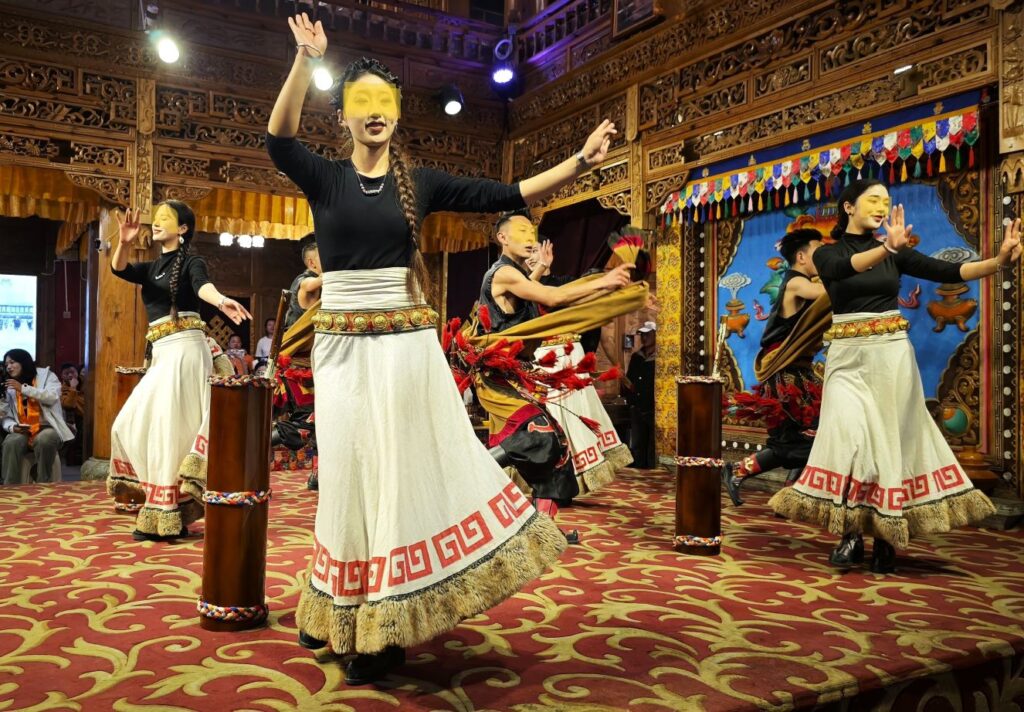
Day 5: Natural Wonders & Rural Flavors
Morning: Venture to the roaring Tiger Leaping Gorge. Witness the dramatic power of the Jinsha River (a tributary of the Yangtze) as it forces its way through one of the world’s deepest gorges.

Afternoon: Continue to the stunning Baishuitai (White Water Terraces). These natural limestone formations, created by calcium-rich spring water, resemble a cascading set of white terraces and pools, earning them the nickname “the Fairy’s Terraced Fields.”
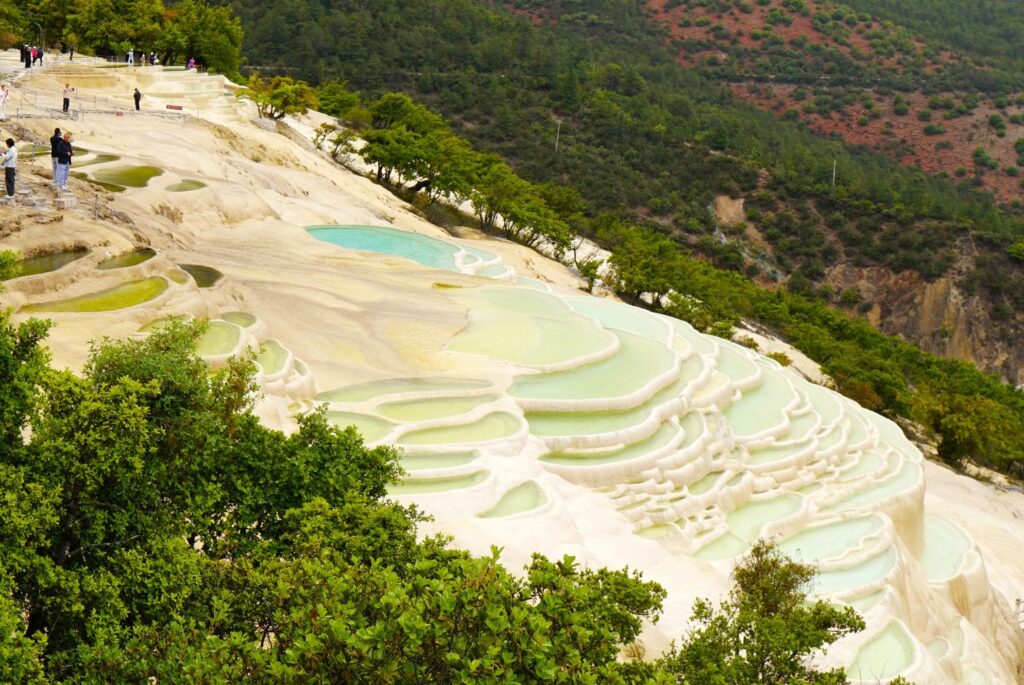
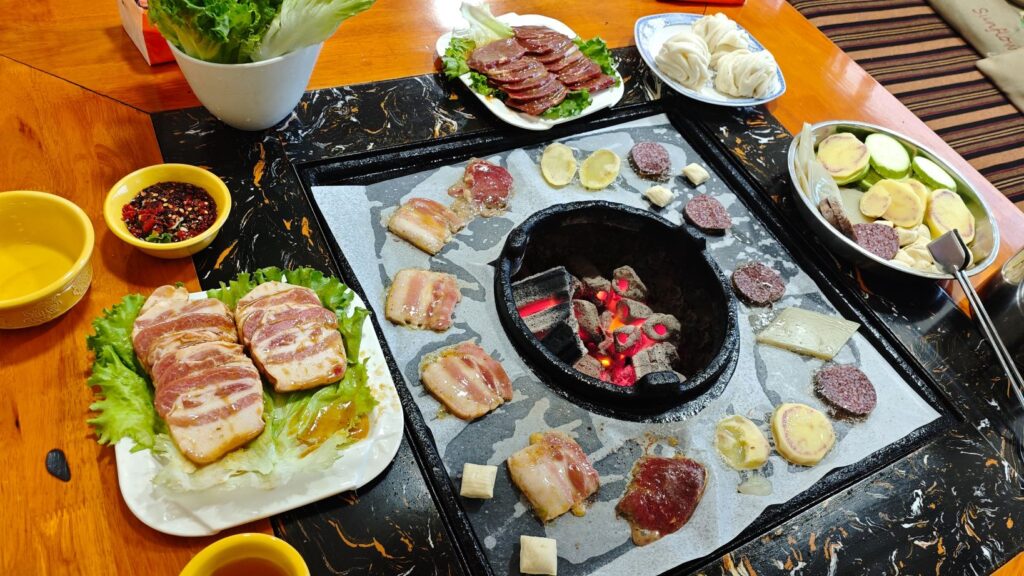
Dinner: Enjoy a rustic Tibetan Black Pig BBQ at a local farmhouse.
Full Day Option 1 (Ambitious & Iconic): Take a pre-dawn drive to Meili Snow Mountain to witness the spectacular sunrise glow on its sacred, towering peaks (weather permitting). This is a longer trip but is considered one of China’s most iconic views.

Full Day Option 2 (Accessible & Scenic): For an easier journey, take a cable car up Shika Snow Mountain, which offers stunning 360-degree views of the surrounding Himalayan range and is much closer to Shangri-La town.
Farewell Dinner: Enjoy simple, flavorful local stir-fries and a bowl of thick, tangy Yak Yogurt for dessert.
🚗 Getting There & Around
Arriving in Shangri-La:
- By Air ✈️: The most convenient option is to fly directly into Diqing Shangri-La Airport (DIG). Upon arrival, you can easily take a taxi or the airport shuttle bus to reach the city center (approx. 15-20 mins).
- By High-Speed Rail 🚄: The high-speed train zips you easily to the ancient town.
- Lijiang → Shangri-La: ≈ 1 hour / from ¥63 / 5 services daily
- Kunming → Shangri-La: ≈ 5 hours / from ¥230 / 3 services daily
- By Long-Distance Bus 🚌: A reliable and economical choice from major nearby cities.
- Lijiang → Shangri-La: ≈ 3.5 hours / ¥80 / departs every 40 minutes
- Dali → Shangri-La: ≈ 8 hours / ¥114 / departs every 45 minutes
Getting Around Town:
- Public Bus 🚌: Inexpensive and covers many routes within the city.
- Taxi / Ride-Hailing 🚖: Readily available and very convenient for direct point-to-point travel. Use apps like 嘀嘀打车 (Didi Chuxing / Didi Ride-Hailing) or 高德地图 (Gaode Ditu / Amap) for ease.
- Tourist Shuttle Bus 🚎: For major attractions like Pudacuo National Park or Meili Snow Mountain, official tourist shuttle buses often depart from Dukezong Ancient Town. Cost-effective and straightforward.
- Private Car / Carpool 🚗: For maximum flexibility, especially for visiting multiple sites in one day (e.g., Tiger Leaping Gorge + Baishuitai), hiring a private driver or joining a carpool is highly recommended. It offers freedom and saves time.
(More detailed transport info for specific attractions will be available in the upcoming dedicated posts!)
🏡 Where to Stay
- Dukezong Ancient Town – Immersive & lively with Tibetan-village atmosphere.
- Napa Hai Grasslands – Wake to wide-open views and yaks grazing right outside your window.
- Near Songzanlin Monastery – Ideal for a calm, meditative retreat.
We recommend:
Staying inside Dukezong Old Town for its variety of accommodations, budget-friendly prices, and easy access to sights and food. Just note: the cobblestone lanes and stairs can make luggage a workout, so arrange with your guesthouse in advance for help carrying bags.
📋 Essential Travel Tips
🧠 Altitude Awareness:
Shangri-La sits at a high altitude (around 3,300 meters). To prevent Acute Mountain Sickness (AMS), take it easy on your first day. Walk slowly, stay hydrated by drinking plenty of water, and avoid strenuous activities. It’s also advised to avoid taking hot showers for the first day or two, as this can accelerate blood circulation and potentially worsen altitude sickness. If you need to carry heavy luggage, ask your hotel staff for assistance. Should you experience symptoms like headaches or dizziness, inform your hotel or guide immediately.
🍽️ Dining & Rest:
To help your body adjust, avoid overeating at dinner. Digestion consumes oxygen, which can disrupt your sleep and increase the likelihood of feeling unwell.
🧥 Packing Essentials:
Temperatures fluctuate dramatically between day and night. Even in summer, pack a warm jacket or fleece. Sunscreen is a must-have, as the high-altitude sun is intense and UV rays are strong.
🙏 Cultural Respect:
Please be mindful of local religious customs. When visiting temples, speak quietly, dress modestly, and do not touch sacred objects such as Buddha statues or religious instruments without permission.
🌤️ Best Time to Visit:
The ideal window is from May to October, when wildflowers bloom across the grasslands and meadows. For clear skies and snow-capped views, visit from late October onwards—just be prepared for colder temperatures.

🍲 Must-Try Local Dishes:
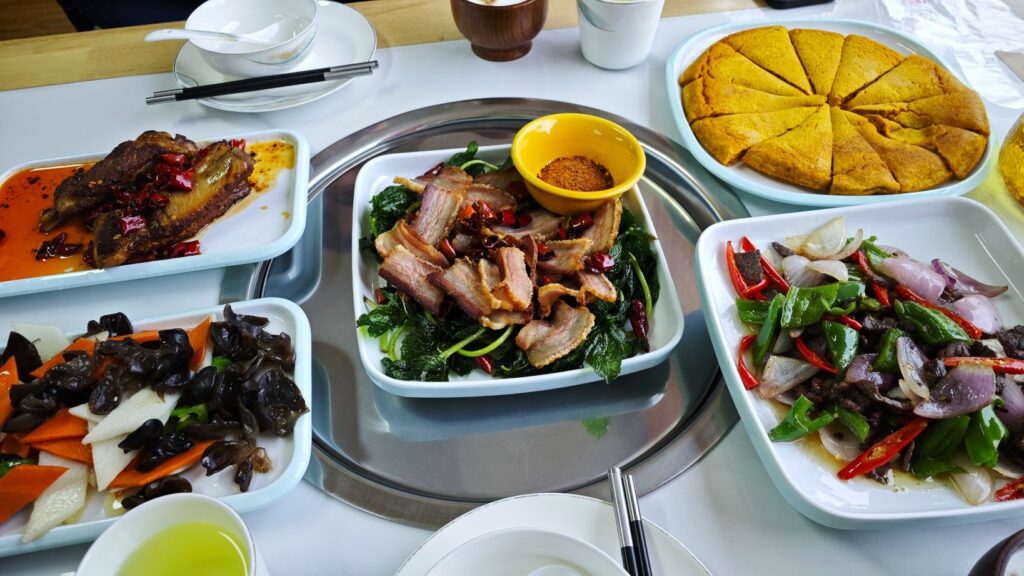
- Yak Meat Hotpot (牦牛肉汤锅)
- Tibetan Barley Pancake (青稞饼)
- Tibetan Black Pig, a local specialty (藏香猪)
- And much more! (More dedicated foodie guides coming soon!)
✨ Ready to Dive Deeper?
Your next-level Shangri-La adventure awaits! 🗺️💫 For insider tips, hidden gems, and full guides to each spot—like the best way to enjoy Napa Hai Grassland, or where to find the best yak hotpot and Tibetan Black Pig BBQ – full day-by-day guides are coming soon. Each article will be linked in the itinerary section, so stay tuned!Let’s turn your journey into an unforgettable story.
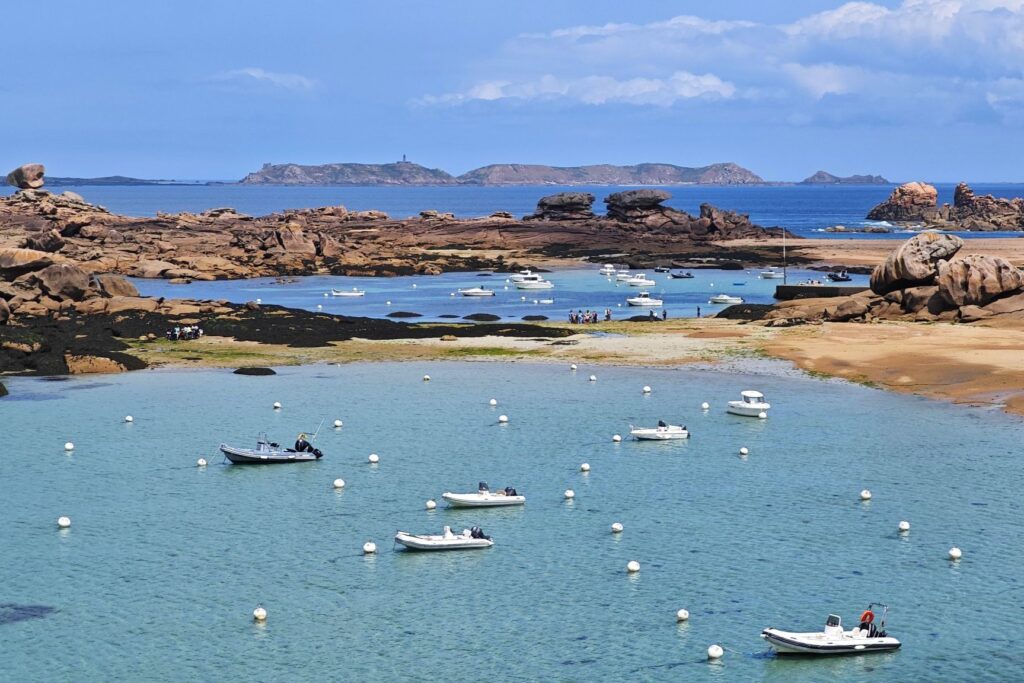


amazing view
Golden Mountain under the Sun, wait for me!
I need to take 6 months off and travel China 👍
I need to visit this place! The food looks amazing 😍🔥
Do people speak some English there? My mandarin is limited so I don’t know whether it’s doable on my own 👀
Our hotel staff actually speak decent English, but outside it’s not really the case. A translation app will go a long way.
Are halal food restaurants and sellers available there?
Yes, actually more halal eateries in Yunnan province in general compared to other Chinese cities
Thaanks for the info! I heard that due to the place high above sea level, I may need extra oxygen to breath..is that true?
Depends on individual! Flat areas are generally okay, some people use portable 1L cans of oxygen when climbing up stairs at Guishan Park & Songzanlin Monastery. The oxygen can is easy to buy in local shops or vending machines.
What’s the name of the first Tibetan hotpot shop?
“小桥流水人家” (Xiao Qiao Liu Shui Ren Jia) — our next travel post will dive into this restaurant in detail. If you’re curious, stay tuned!
🌝 Hi! Which hotel did you stay at?
I was there too, and it was amazing! To better get used to the high altitude, it’s actually better to stay 1-2 nights in Lijiang (around 2000 meters above sea level), before going to Shangri-la. There are also many 1-day tours from lijiang bringing visitors to tiger leaping gorge, i.e. just the upper gorge (to see the fast moving water) tgt with shangri-la dukezong old town /, songzanlin, then back to lijiang.
Hi, thank you for sharing your tour. May I know, is there any entrance fee for the Sonzanlin/Sumtseling Monastery? Or free to enter the area? 🙏🏻
Hi,the entrance fee is 75rmb! after purchasing the ticket, you can either take the free shuttle bus or walk 30min to the “starting point”, where you’ll need to climb the stairs to reach the monastery.
wasnt shangri la like a mythical secret place
The name is originally for a fictional Himalayan paradise from the novel Lost Horizon. Later borrowed for the town.
Isn’t this Tibet Dalai lama’s residence Potala?
I think Potala Palace in Lhasa, Tibet, is/was the traditional residence of the Dalai Lama
China is truly beautiful.
Hi, can you share more about transportation there? I saw in the post you mention book private tour for some places, how about other area? Mostly by Didi? Any app that we can use besides google map?
More transit tips in coming posts 🙂 but you can use apps like 嘀嘀打车 (Didi Chuxing / Didi Ride-Hailing) or 高德地图 (Gaode Ditu / Amap). Both work really smoothly. Google Maps not recommended for mainland China, because it is blocked there, so the app can’t pull in real-time updates (traffic, closures, new businesses). And without VPN, the app may not even load.
Thanks for sharing! This is great! I’m planning to go in Dec. If I want to follow your itinerary, how many days should I plan if I want to visit both Meili and Shika?
Each needs one full day.
Can I combine with the 泼水节 festivities? It’s also in Yunnan province.
This festival is in 西双版纳, which might be too far 😂
Hi, thanks for the post! I plan to visit Yunnan the coming Chinese new year. Looking forward to it!
Your captured photos looks beautiful. Thanks for the update!