Tag: Beef

A collection of posts featuring Beef dishes.

  • Where Noodle Dreams Become Reality: Max’s Beef Noodles in Munich Awaits!

    Where Noodle Dreams Become Reality: Max’s Beef Noodles in Munich Awaits!

    Do you like handmade noodles combined with aromatic broths, exotic spices and fresh ingredients such as meat, vegetables or tofu? Then you’ve come to the right place at Max’s Beef Noodle Restaurant in Munich, one of the best Chinese noodle spots in the city! Be prepared for long queues, especially at peak times throughout the year, as this popular restaurant has limited seating.

    Located in the heart of Munich at Sendlinger Tor, Max’s Beef Noodle Restaurant specialises in traditional handmade Chinese noodles known as Shǒugōng Lāmiàn (手工拉面).

    Restaurant Profile

    In addition to a variety of noodle options, such as noodle soups and fried noodles, the menu also offers a selection of rice dishes and an assortment of starters. These include Mao Dou (毛豆), a type of Chinese edamame, refreshing spinach and cucumber salad, crispy spring rolls and much more. For the most authentic experience, we suggest you focus on a few noodle dishes and pair them with a few sides. Later on, we’ll give you some tips and specific recommendations for individual dishes that we’ve personally enjoyed.

    Max’s Beef Noodles captures the charm of a cozy Chinese street food restaurant, with simple yet delicious dishes and an ambiance that emphasizes authentic cuisine at truly fair prices. The decor is modest, allowing the focus to remain on the food. You can even watch the chefs skillfully prepare noodles right in front of your eyes, adding a unique and engaging touch to the dining experience.

    This allows you to immerse yourself in the rich tradition of Chinese noodle making. Hand-pulled noodles are a true art form, created through a meticulous process in which the dough is deftly manipulated and pulled into long, elastic strands. This centuries-old technique involves four essential steps, beautifully depicted in small murals at Max’s Beef Noodles: mixing the dough, kneading it, portioning it, and finally pulling it. Each step requires precision, skill and extensive practice to achieve the perfect consistency and texture of the noodles.

    1. Mixing the dough

    To make the basic dough, flour – usually wheat flour – is mixed with water. Sometimes a pinch of salt or a dash of oil is added to improve elasticity. The ratio of flour to water is crucial as it determines the texture and firmness of the dough; the mixture should be balanced, avoiding a consistency that is too dry or too sticky.

    2. Kneading the dough

    Kneading is an important step as it activates the gluten in the flour, which gives the dough its elasticity and structure. The dough is vigorously pulled and folded for about 10 to 15 minutes until it is smooth and supple. Many chefs allow the dough to rest at intervals to allow the gluten to fully develop and improve the texture.

    3. Dividing the dough

    Once the dough has reached the ideal consistency, it will be divided into smaller portions. The size of these portions depends on how thick you want the pasta to be. Generally, the dough is divided into long cylindrical pieces, which are then prepared for the next stage: pulling.

    4. Pulling the dough

    The final step involves repeatedly pulling, stretching and folding the dough into noodles. This process requires skill and practice as the dough is carefully stretched into long, thin strands. The pulling is repeated until they reach the desired thickness and length. Skilled chefs often perform this step in a fluid, dance-like motion, twisting and twirling the dough through the air. When the noodles are ready, they’re cooked in boiling water and served in a variety of delicious dishes.

    Let’s dive into our recommendations, starting with the sides and starters. These delicious small plates, served in individual bowls, are currently priced between €2 and €4 each. If you’re feeling particularly hungry, one portion per person might not be enough – but at these prices you can certainly afford to order a few extras! 😉

    We’ve already tried the spinach salad, Chinese edamame, fried chicken and tofu and can recommend them all. Here’s a closer look at each dish:

    At Max’s Beef Noodles, the tofu (煎豆腐 – Jiān Dòufu) is sliced and fried on a hot griddle or in a pan until it achieves the perfect balance of textures – crispy on the outside and tender on the inside. The fried tofu is then tossed in a light marinade of soy sauce, garlic, ginger, rice wine, and other seasonings that enhance its natural character.

    With its mild and slightly nutty flavor, tofu is quite subtle on its own. But frying it adds a deliciously crunchy, lightly caramelized crust that adds a rich, savory note. Thanks to the marinade, the tofu readily absorbs the flavors, resulting in a delightful combination of salty, spicy, and subtly sweet flavors that complement each other beautifully.

    The Spinach Salad (菠菜沙拉 – Bōcài Shālā) features tender, cooked spinach beautifully tossed in a creamy sesame dressing and garnished with chopped peanuts.

    The fresh spinach adds a subtle earthiness and delicious crunch to the dish. The sesame dressing has a rich, nutty flavor with a hint of sweetness and a deep umami profile, while a splash of vinegar adds a refreshing, tangy note. The peanuts not only enhance the texture of the salad with their satisfying crunch, but also intensify the nutty essence, perfectly complementing the aromatic sesame. With its slightly sweet taste and inviting crunch, this salad is a versatile addition to any meal.

    Yánshuǐ Máodòu (盐水毛豆), commonly known as edamame, are young soybeans still in their pods. These delicious snacks are typically boiled in salted water and lightly seasoned, making them a treat for the palate. While many people associate edamame with Japanese cuisine, it is also very popular in China.

    The flavor of edamame is mild and slightly salty, with a pleasant earthy note that comes from the soybeans themselves. The addition of salt enhances their natural flavor and makes them even more delicious. Eating edamame is a fun experience: you can break open the pods with your teeth and squeeze out the firm beans inside. For convenience, you can also use chopsticks or a fork to enjoy the beans more easily.

    The Fried chicken pieces (煎鸡块 – Jiān Jīkuài) are made by cutting chicken into bite-sized pieces, marinating them, coating them in breadcrumbs, and frying them in a wok. This dish is similar to Japan’s tori no karaage and in some ways even resembles chicken nuggets, but it is prepared without any preservatives or additives.

    The chicken is simply marinated with salt, pepper and a touch of soy sauce. After marinating, the pieces are breaded, creating a delightful texture with a satisfying crunch. The meat remains tender and juicy, while its mild flavor develops a subtle nuttiness from the roasted notes created during frying.

    Next up are the main courses, including the house specialty – Max’s Beef Noodles (马克思牛肉面 – Mǎkèsī Niúròu Miàn). This dish is a delightful reinterpretation of traditional Lanzhou Lamian (兰州牛肉面 – Lánzhōu Niúròu Miàn) beef noodle soup. It features a fragrant broth, tender noodles, juicy slices of beef and mushrooms, all nicely garnished with scallions and fresh coriander.

    The broth is the star here. It’s made with beef, beef bones and soup chicken, and it’s infused with a unique blend of 14 different spices. This rich mixture is simmered over low heat for six hours in a specially designed pot, allowing the flavors to meld and the nutrients to be gently extracted. The result is an amazingly aromatic broth that’s not only super tasty, but also super healthy. It’s full of amino acids, calcium, and collagen, which help strengthen bones and support the immune system.

    The broth is perfectly balanced-not too salty or spicy-and it’s so good you’ll want to savor every last drop, not just the noodles and meat. It has a full-bodied richness and deep umami notes, and it’s warm and slightly sweet, with spices like star anise, ginger, garlic, and cumin.

    The hand-pulled noodles are cooked separately and then served with the rich broth and a medley of other ingredients. Their springy yet chewy texture complements the tender beef and earthy mushrooms. The mushrooms contribute a meaty quality that adds a natural umami flavor that subtly enhances the dish. Thin slices of cooked beef are placed directly on top of the noodles and submerged in the broth, allowing the juicy slices to soak up the aromatic essence of the broth. For those who prefer a little heat, homemade chili oil can be added. This delicious blend of oil, dried chili peppers and spices provides a flavorful kick that elevates the dish.

    For first-time visitors to Max’s Beef Noodle, this is a dish not to be missed – it is the centerpiece of the restaurant, and for good reason.

    In addition to Max’s famous beef noodles, we highly recommend trying the Hongshao noodle soup (红烧牛肉面, Hóngshāo Niúròu Miàn).

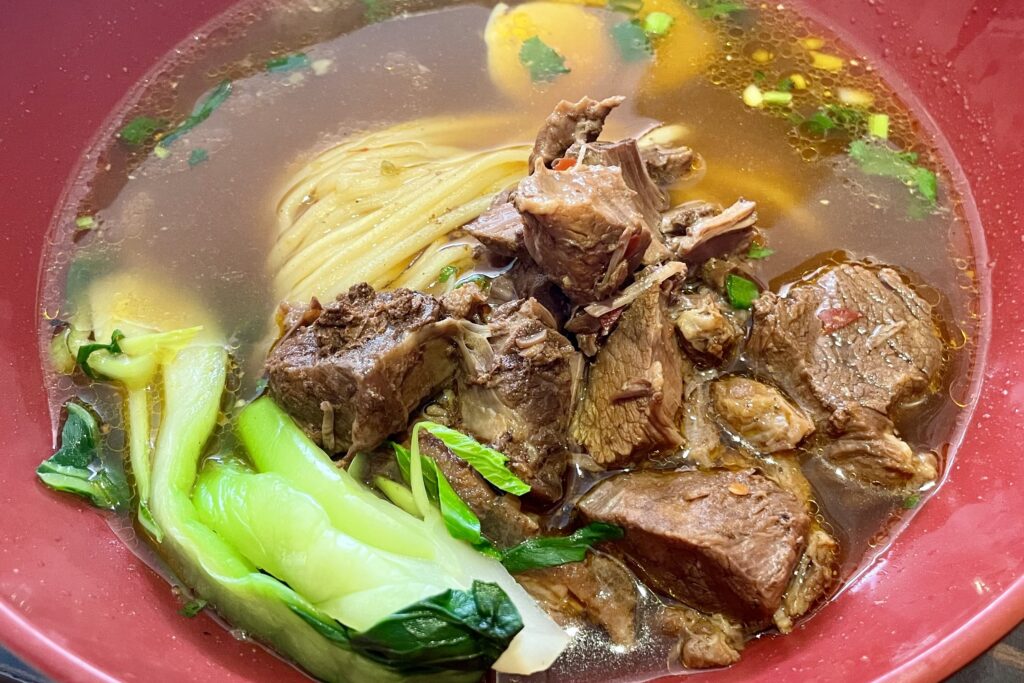
    Unlike the boiled meat found in Lanzhou lamian, the beef in this dish is slow braised, resulting in exceptional tenderness and rich flavor. While Max’s beef noodles are served in a clear broth, the Hongshao noodle soup offers a sweeter, heartier and more robust flavor thanks to the beef braised in soy sauce. This delicious dish is garnished with crisp bok choy, fresh cilantro and scallions for a refreshing touch and vibrant color.

    Fried Noodles with Beef (牛肉炒面 – Niúròu Chǎomiàn) is a delicious dish that brings together a medley of lightly fried noodles, tender slices of beef, fresh vegetables, and a fluffy scrambled egg.

    This hearty dish has a spicy flavor profile that is beautifully complemented by an umami-rich sauce made with soy sauce, oyster sauce, and an array of spices. Vegetables, especially Chinese cabbage, add a refreshing crunch and a hint of sweetness that perfectly balance the bold flavors of the beef and sauce. Aromatic spices like garlic and ginger add warmth and complexity. The noodles are tossed to an ideal al dente texture that remains moist and absorbs the delicious juices of the other ingredients.

    Our last dish for today is Ban Noodles with Mushrooms and Minced Meat (香菇鸡肉拌面 – Xiānggū Jīròu Bànmiàn). This delicious creation features cooked noodles tossed in a fragrant sauce, complemented by savory minced meat and tender mushrooms.

    The noodles are served in a bowl and generously topped with coarsely chopped ground chicken, succulent mushrooms and fresh green onions. Before you eat, be sure to stir everything well to ensure that the flavors blend beautifully.

    The sauce, made with soy sauce, oyster sauce and a blend of spices, imparts a rich and savory flavor that seeps into the noodles, giving them a deliciously moist consistency. The mushrooms contribute a deep, earthy flavor with a robust umami profile that perfectly complements the chicken and noodles. The ground chicken adds a tender, almost creamy texture that absorbs the sauce beautifully and spreads evenly over the noodles. For those who like an extra kick, a splash of chili sauce can be added, just as with the other dishes.

    Max’s Beef Noodles in Munich stands not only for delicious handmade noodles, but also for exceptional service. This was especially evident on my first visit when I attempted to leave a tip, only to be politely declined despite several requests. This response clearly shows that customer satisfaction is a top priority and good service is a core value here. Such a respectful attitude fosters an authentic and welcoming atmosphere. With a strong emphasis on food quality, attentive service and real value for money, what more could you ask for?

  • Mangetsu: Savoring Japan’s Culinary Traditions under the “Full Moon”

    Mangetsu: Savoring Japan’s Culinary Traditions under the “Full Moon”

    Today we’re thrilled to introduce you to an authentic Japanese restaurant that has been operating in Frankfurt for years: Mangetsu, which translates to “full moon.” It’s common in Japan to name places after elements of nature, like the moon or mountains, as they hold poetic beauty and deep cultural significance. The full moon, symbolizing beauty, perfection, and a sense of calm in Japanese culture, is often linked to traditional celebrations like Tsukimi (moon-viewing), where people appreciate the beauty of the full moon in autumn. Also representing cycles, renewal and a moment of reflection, this thoughtful name adds a serene touch to Mangetsu’s ambiance.

    With seating both indoors and outdoors, Mangetsu offers a comfortable dining environment, whether you prefer the cozy bar or a tranquil spot in their spacious courtyard, surrounded by neatly trimmed trees and umbrellas for shade or shelter. On a nice day, there’s nothing more pleasant than enjoying a selection of Japanese delicacies in this peaceful setting. Known for its dedication to tradition, Mangetsu cares a lot about delivering authentic flavors, using the time-honored techniques of Japanese cooking.

    Restaurant Profile

    Mangetsu offers a wide variety of sashimi dishes that can be enjoyed in many different ways. You can opt for an extensive sashimi plate, enjoy a few slices atop a fresh salad for a light meal, or start with a small portion as an appetizer. Among the diverse selection of fish, including tuna and salmon, we find their Flounder Carpaccio particularly exceptional.

    Flounder Carpaccio is a delicate Japanese sashimi dish that highlights the fresh, natural flavors of the fish. The flounder is served in paper-thin slices, flaunting its tender texture and clean, yet rich, fish flavor. Topped with a tangy variety of caviar, it adds an elegant pop and subtle brininess.

    A light drizzle of olive oil enhances the silkiness of the flounder, while the hint of sourness, likely from vinegar and ponzu soy sauce, gives the dish a refreshing balance. When you wrap each slice with caviar pearls and crisp daikon and carrot strips, each mouthful becomes a light, slightly tangy indulgence —exactly what great sashimi should taste like: fresh, balanced, and pure.

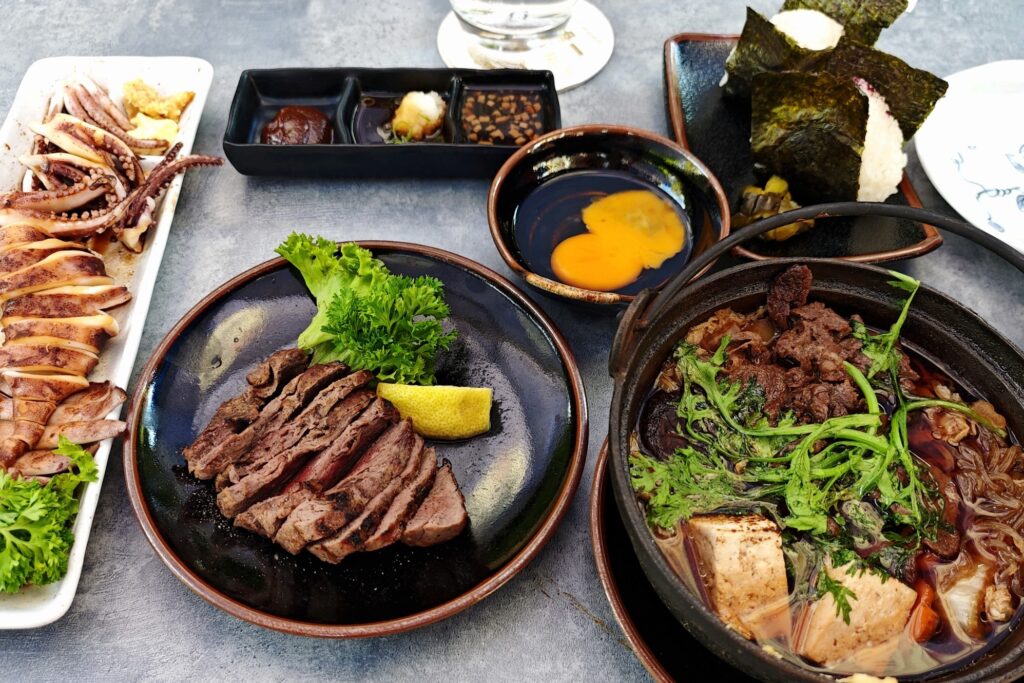
    After enjoying the light and refreshing flavors of sashimi, it’s time for something heartier: Beef Tenderloin (150g), a tender steak sliced into 10 savory pieces, each seasoned simply with salt and pepper and cooked to a perfect medium doneness—lightly charred on the outside and juicy with a slight chew inside.

    The dish comes with three distinct sauces, each bringing a unique taste to each bite. The daikon sauce in the center delivers a bold, tangy punch, cutting through the richness of the beef. On the right, a mildly sour ponzu sauce with a garlicky kick adds brightness, while the left-side sauce – a smoky and mildly sweet take on teriyaki sauce – provides a smooth finish. Each sauce has its own flair, enhancing the beef’s naturally rich flavors and creating a satisfying, layered experience.

    Aside from the steak, Mangetsu offers a variety of authentic Japanese grilled dishes, from mackerel to seafood and poultry. One standout we often order is Ika Yaki, or grilled squid.

    This dish is paired with a creamy Japanese mayo and ginger paste, adding a zesty kick to the rich, slightly sweet flavors of the squid. The squid is lightly brushed with soy sauce and miso while grilling, enhancing its natural brininess with a hint of umami. It’s tender yet slightly chewy, with just the right amount of bite. Each mouthful combines the savory, subtle smoky notes from the grill with the smoothness of the mayo and the bright spice of ginger, making it light yet very flavorful.

    Grilled foods are favored in Japanese cuisine for being low in oil and relatively healthy. With simple seasonings that highlight freshness, this dish shows how grilling delivers a tasty meal without heavy sauces or excess fat – a good example of Japan’s health-conscious food culture.

    Sukiyaki is a traditional Japanese hot pot dish featuring thinly sliced beef, tofu, mushrooms, Chinese cabbage, leeks, glass noodles, tonghao (crown daisy), onions, and carrots, all simmered in a sweetened soy sauce broth. The vegetables absorb the sweet and savory flavors of the broth, becoming tender while retaining a delightful crunch.

    What really elevates this dish is the ritual of dipping the freshly cooked beef into raw, beaten egg before eating. During my visit to a cozy hot pot restaurant in Japan, I had the pleasure of experiencing hot pot with farm-fresh ingredients. The bright orange yolks – a sign of high-quality, well-nourished chicken eggs— coated the juicy beef with a buttery, luxurious silkiness, creating an indulgence I had never experienced before and still think about to this day.  

    Now, this authentic way of enjoying sukiyaki is also available at Mangetsu. Their fresh egg dip is rich and smooth, without any off-putting smell. Once dipped, it forms a layer of creaminess that mixes seamlessly with the sweet umami soy sauce while softening the slightly chewy, tender beef slices. Each bite becomes velvety and luscious. There’re no overpowering flavors – just a perfect blend of sweet, umami and creamy notes that melt together beautifully.

    Many diners who enjoy Japanese cuisine often like to focus on small dishes, rather than filling up quickly on a large main course. This way, they can experience a variety of flavors and ingredients in one meal—whether it’s grilled dishes or sashimi. However, after sampling all the delicate plates, there’s often a little room left for something more solid. That’s when we like to finish with rice balls.

    At Mangetsu, the rice balls come in a pair, each wrapped in crisp seaweed—the same kind typically used for sushi rolls. One is filled with freshly grilled salmon for a warm, savory bite, while the other is filled with salted plums. The plums offer a bold contrast with their floral aroma, a punch of tartness, and a touch of salt, creating a strong, refreshing flavor. Together, these rice balls are both satisfying and comforting, making them the perfect way to round out a meal and settle all the preceding flavors in the stomach.

    Beyond the dishes already mentioned, Mangetsu also features a lunchtime menu with dishes like sushi, sashimi, warm noodle soups, and more, priced between 12 to 20 euros. They have an impressive selection of small delicacies, such as fried chicken, squid, and tofu, as well as grilled skewers with vegetables or meat. For sushi lovers, they offer various types of nigiri and sushi rolls with creative combinations, alongside grand sashimi platters. You’ll also find a variety of noodle dishes like soba and ramen.

    In 2013, UNESCO declared Japanese cuisine (Washoku) an Intangible Cultural Heritage, further solidifying its global popularity. On China’s top food platforms, Japanese food often tops the list as the nation’s favorite, even surpassing many popular local dishes. Mangetsu cherishes the traditional way – elegant presentation and an emphasis on nutrition and freshness. With minimal seasoning, you can often taste the purity of the food’s natural flavor, making you feel like almost rhyming with nature itself. With its diverse menu offerings, Mangetsu can easily be a go-to spot whenever you’re craving a bite of authentic Japanese food.

  • Bites of Korea: Exploring SEOULFOOD’s Street Eats and More

    Bites of Korea: Exploring SEOULFOOD’s Street Eats and More

    If you’re a fan of discovering hidden foodie havens, you’re in for a treat! Today, we’re excited to introduce a slightly underrated yet absolutely delectable Korean snack bar. Don’t let its small size fool you—this cozy spot serves up some of Korea’s most popular street foods like duk-bok-ki (spicy rice cakes), along with household favorites such as dolsot (stone pot bibimbap) and a variety of kimbap rice rolls.

    Korean street food, or bunshik (粉食), usually refers to flour-based treats like steamed dumplings and ramen, but this restaurant also offers a fantastic selection of lighter, non-flour-based snacks like kimbap. The best part? It’s quite affordable, offering hearty meals that don’t compromise on flavor. You can find these small eateries all over Korea, often serving locals who pop in for a quick, flavorful bite—whether it’s a casual lunch or a late-night craving.

    Restaurant Profile

    This little gem is run by Koreans and frequented by locals, so you know you’re in for an authentic experience. And yes, many Koreans love their food spicy, and this place doesn’t shy away! But don’t worry—if spice isn’t your thing, they have milder options or adjustable sauces. With a menu full of deliciousness, it’s hard to go wrong here. Let us walk you through a few of our favorites!

    Let’s start with something small yet inviting: the S4 Gimmari. This delightful Korean snack is vegetarian and made with delicate egg skin and seaweed, encasing a filling of glass noodles.

    The outside is wonderfully crispy, while the inside remains soft and tender. For this dish, the vinegar-soy dip is a classic pairing. Blended with a touch of sugar and sesame oil, this sauce strikes the perfect balance of savory, sweet and sour notes, enhancing the subtle sweetness and umami of the filling beautifully.

    Next up is a dish that packs some serious heat: Jjamppong, one of the signature dishes at SEOULFOOD. This spicy kimchi noodle soup features tender noodles swimming in a red broth made from pickled napa cabbage (kimchi) and a fiery blend of chili powder.

    But it’s not just heat—it’s a deep, smoky spiced flavor that lingers. The broth begins with a rich, savory stock, similar to a pork bone soup, giving it a robust base. The kimchi adds a tangy, fermented sourness that cuts through the richness, while a subtle sweetness from sautéed vegetables rounds out the spice. The final layer comes from the briny taste of fresh seafood like shrimps, calamari, octopus, mussels and clams, adding a depth of umami. It’s bold and brimming with flavor, definitely a dish for those who love a bit of a kick in their meal!

    Kimbap (Korean rice rolls) may look like sushi at first glance, but the experience is entirely different. Unlike sushi, kimbap rice is seasoned with sesame oil and salt, giving it a richer, nuttier flavor. The fillings are usually cooked or pickled, not raw, and the rolls are packed with hearty ingredients like meats, eggs, and vegetables. A spot-on example is the K3 Jeyuk Kimbap we tried.

    Inside the seaweed wrap, you’ll find tender pork marinated in a spicy chili sauce, paired with crunchy pickled radish, crisp cucumber, fluffy egg, sweet carrots, and seasoned white rice. Each bite brings a pleasant mix of sweet, spicy, and savory, with the refreshing crunch of the vegetables enhancing the soft, flavorful pork. It’s not overly spicy—just enough to give a gentle, warming heat that makes it both soothing and satisfying.

    Ramyun, the popular Korean instant noodles, is a staple at any Korean snack shop, known for its bouncy, chewy texture and bold flavors. At SEOULFOOD, you can customize your ramyun by adding ingredients like kimchi, dumplings, or eggs. We opted for dumplings.

    The noodles come coated in a spicy seasoning powder that delivers a punch of heat right from the first bite. The vegetarian flakes and meat extracts mixed in add a subtle depth, blending the spice with savory umami flavors. The broth itself is rich, with warm, tingling sensation that many find addictive, especially those who love heat.

    The dumplings, filled with a combination of minced vegetables and glass noodles, are soft and appetizing. Pairing this dish with a roll of kimbap is a classic move—tempering the spiciness of the Ramyun and creating a balance of flavors.

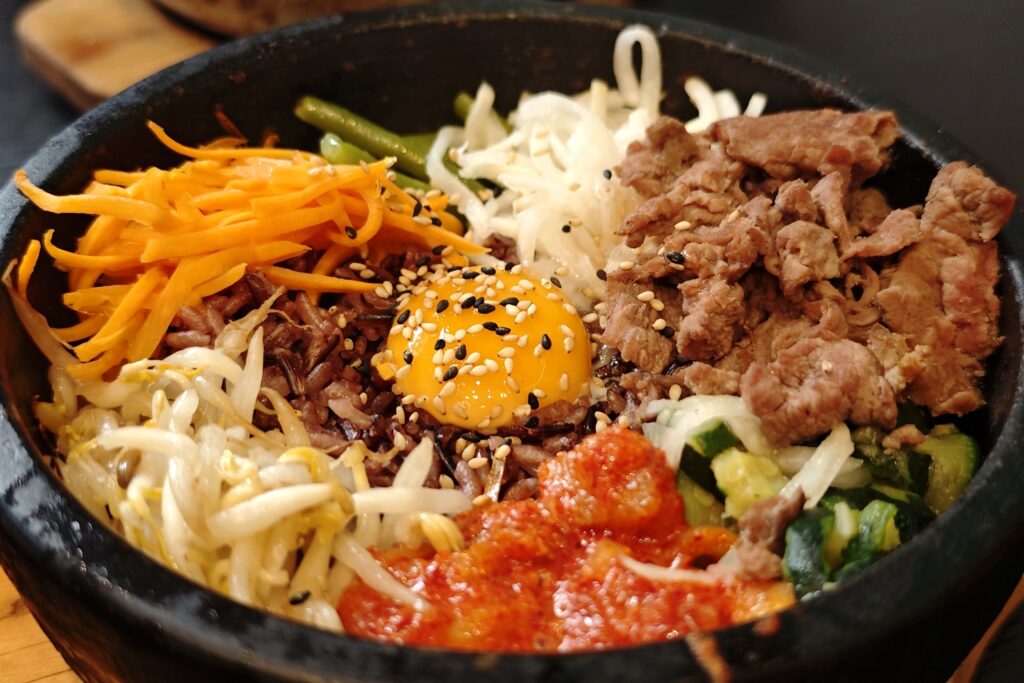
    Dolsot, the main offering at SEOULFOOD, is one of Korea’s most iconic and comforting dishes – a sizzling version of bibimbap (mixed rice dish) served in a hot stone bowl that keeps the food warm while creating that crispy layer of rice at the bottom. It’s topped with seasoned vegetables like carrots, bean sprouts, zucchini, pickled radish, long green beans, and a raw egg that cooks as you stir everything together.

    At SEOULFOOD, you can customize your dolsot with a variety of ingredients.

    For the base, you can choose between white, black, or fried rice. Black rice is the healthier choice, with a chewy texture, mild sweetness, and a deep purple hue. Not only does it look good, but it’s also packed with more nutrients and antioxidants than white rice, making it a great option if you’re after something heartier and healthier.

    Toppings are very tempting: beef, pork, chicken, tofu, kimchi, salmon, or seafood, available for a small surcharge. The traditional beef and kimchi combo offers a delicious mix of savory and tangy flavors—the tender, marinated beef brings a rich umami taste, while the kimchi adds a spicy, fermented sourness that balances the richness.

    SEOULFOOD also offers a variety of sauces to complete the dish. Chokohot delivers deep chili heat with a smoky undertone, while Citrus-Soy gives you a tangy, umami kick. Cucumber-Wasabi is refreshing with a sharp, spicy kick from the wasabi, while Sesame provides a nutty, toasted flavor that adds depth. For spice lovers, we’d recommend Kohot. It’s a bold, fiery option that adds lingering heat, perfect with the marinated beef and crispy rice. If you prefer something milder, Ssamjang, one of the classic condiments, is a savory paste with a mild spice, offering a rich, earthy flavor that pairs well with the vegetables and rice.

    The beauty of Dolsot is its versatility. You can mix and match ingredients—like tofu for a vegetarian version or seafood for a lighter take—and still enjoy a hearty, wholesome meal filled with nutritious vegetables and protein.

    Duk-bok-ki is a cherished Korean street food consisting of chewy long rice cakes, tender fish cakes, and fresh spring onions, all simmered in a sweet and spicy sauce.

    The magic of duk-bok-ki lies in its sauce, made from gochujang (Korean chili paste), sugar, and various seasonings. This sauce delivers a unique sweet-spicy flavor, with a rich depth that makes every bite both fiery and exhilarating. The glossy sauce clings beautifully to the chewy rice cakes and soft, spongy fish cake, enhancing their natural flavors. The subtle sweet, briny fish flavors complement the bold sauce, while the spring onions add a refreshing sharpness that brightens the dish. This appetizing creation is a must-try for anyone eager to explore the lure of Korean street food!

    Japchae is a beloved Korean noodle dish. Made with stir-fried glass noodles (called dangmyeon) and a colorful array of vegetables including carrots, bean sprouts, spinach, and green beans, it’s a vegan dish that’s full of flavor.

    The noodles are soft, yet impressively elastic, fully absorbing the soy sauce without breaking, giving them a rich umami and a unique chewiness. What sets Japchae apart is its peppery, savory flavor, complimented by the natural sweetness of the vegetables. It’s both light and comforting – ideal for anyone who prefers milder meals.

    Bulgogi and Korean fried chicken are practically household names in Korean cuisine. Bulgogi, known for its tender, marinated beef, brings a rich, sweet, and savory flavor. The marinade, made with soy sauce, garlic, sugar, and sesame oil, gives the beef a slightly smoky, caramelized taste that’s very enticing. The Korean fried chicken, on the other hand, is crispy on the outside and juicy on the inside, with a sweet yet spicy kick.

    At SEOULFOOD, you’ll find plenty of rice dishes paired with bulgogi, fried chicken, tofu, seafood, or pork at your choice.  

    But here’s a tip: if you want both bulgogi and fried chicken in one go, check out the G3 Best of Both. You’ll get tender bulgogi alongside crispy chicken on one plate. It’s served on a bed of crispy fried potato chips with your choice of spicy chili sauce, yogurt sauce, or both. If you prefer rice – you can swap it in, just like we did. It’s a terrific way to enjoy both classics in a single dish!

    SEOULFOOD delights with a tempting array of Korean street food worth trying, including Gunmandu (Korean dumplings), Kimchi Jeon (savory kimchi pancakes), and Yachae Tykim (fried vegetable pancakes). Their main dishes, like Bibimbap (a mixed rise bowl) and Kimbap (Korean rice rolls), excellently embody the Korean nutritional philosophy of “five colors and five flavors,” which encourages incorporating a variety of colorful foods into everyday diet. You’ll also find various soups—spicy or mild, with or without meat—available in large or small sizes, well-suited for pairing with main noodles or rice dishes for a comforting meal. With reasonably priced options and a great selection of iconic dishes, this cozy little eatery makes it very easy to explore the rich flavors of Korean cuisine.

  • Noodles Bar: A Cozy Spot for Authentic Chinese/Asian Noodles in Frankfurt

    Noodles Bar: A Cozy Spot for Authentic Chinese/Asian Noodles in Frankfurt

    When it comes to go-to Chinese noodle spots in Frankfurt, most will immediately think of The Noodlemaker —and for good reason. It’s a popular spot, known for its delicious flavors and authenticity. But a boutique metropolis like Frankfurt, though small in size, certainly offers no shortage of great and flavorful options. So today, we’re taking you to another cozy little noodle haven called Noodles Bar. It might not be on everyone’s radar, but once you try it, you’ll wonder how you ever missed it.

    With homemade noodles, rich, aromatic broths, and fresh, local ingredients complemented by authentic spices straight from China, if you like authentic Asian noodles, Noodles Bar might just become your new favorite. Let’s dive into some of their best dishes and see why this place deserves a spot on your must-try list.

    Restaurant Profile
    • Name of the Restaurant: Noodles Bar
    • Adress: Fahrgasse 86, 60311 Frankfurt am Main
    • Style: Chinese Cuisine – Homemade Noodles, Dim Sum
    • Price: around 15 – 25 EUR per Person (incl. Drinks and Tips)

    Their menu goes beyond just noodles—they also serve delicious wontons, dim sum and, of course, a selection of cold appetizers and side dishes. In Chinese cuisine, pairing hot noodles with cold appetizers (liángcài, 凉菜) is a beloved tradition, a way of balancing flavors and textures, reflecting the Chinese philosophy of harmonizing yin (cooling) and yang (warming) elements in a meal. Before we delve into the noodles, let’s take a moment to check out some of their outstanding liángcài!

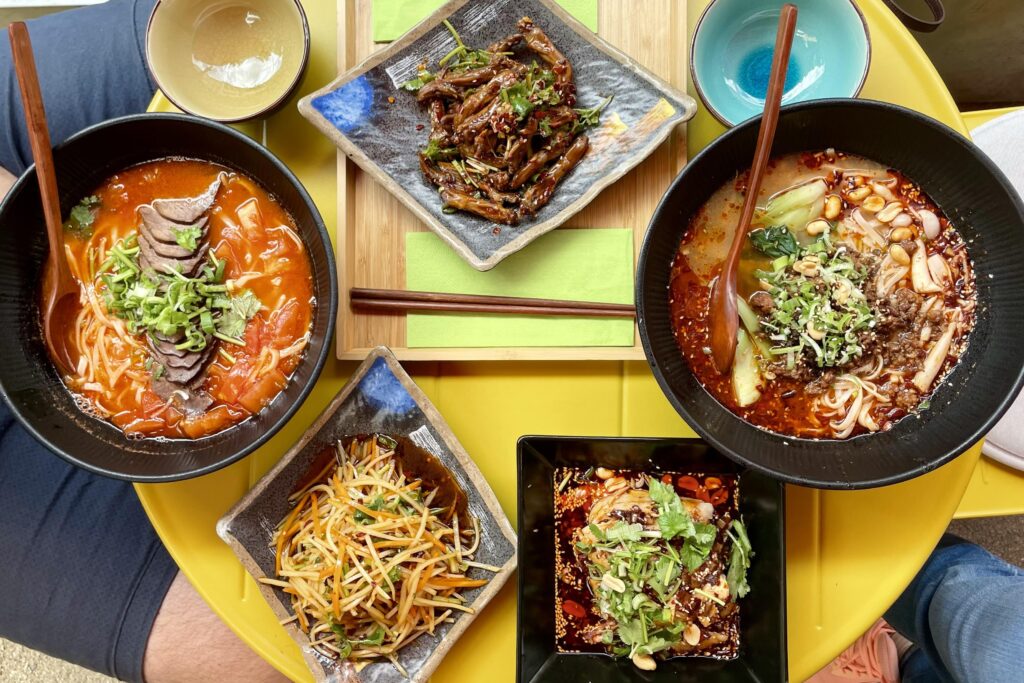
    Mouthwatering Chicken, or Kǒushuǐ Jī (口水鸡), true to its name, is an absolute flavor bomb. This iconic Sichuan cold appetizer features a whole tender, poached chicken leg, perfectly chilled and soaked in a ruby-red sauce. Its incredible succulence is the ideal match for the rich, spicy sauce that envelops it.

    The sauce itself is a masterwork, combining the numbing kick of Sichuan peppercorns with the fiery warmth of chili oil, enriched with garlic, soy sauce, and a hint of black vinegar. It’s spicy, tangy and savory. Toasted sesame seeds and crushed peanuts add a nutty crunch, while fresh cilantro brightens up each bite. With its irresistible combination of málà (numbing and spicy), xiān (savory and aromatic), and just a touch of sweetness, Kǒushuǐ Jī is the ultimate appetizer to get your taste buds buzzing.

    Málà Yāshé (麻辣鸭舌 or Numbing and Spicy Duck Tongue) is cold delicacy perfect for leisurely snacking with friends. This dish features tender, springy duck tongues braised in a fragrant lǔwèi (卤味) broth – a savory blend of soy sauce, vinegar, star anise, rock sugar, and other aromatics. The result is a deep, rich flavor with a balanced umami and tanginess, accented by a warm, licorice-like note from the star anise and a hint of sweetness from the rock sugar.

    The numbing Sichuan peppercorns and the fiery chili oil create an addictive taste that’s both spicy and tingly. The duck tongues are chewy yet tender, with little bones in the middle that makes picking off the juicy bits both fun and satisfying. Topped with cilantro and dry chili, and served cold, this dish is refreshingly complex and packed with flavor. While it may be an acquired taste for some, it’s a must-try for those who enjoy unique and bold flavors.

    Two summer favorites you’ll find on many tables are Yánshuǐ Máodòu (盐水毛豆), or Salted Edamame, and Suān Là Tǔdòu Sī (酸辣土豆丝), or Sour and Spicy Shredded Potatoes. Both are vegetarian and perfect for those warm, sunny days.

    Yánshuǐ Máodòu (盐水毛豆), or Salted Edamame – a simple yet delicious snack that’s easy to love. These young soybeans are boiled in a lightly salted brine, resulting in crisp, refreshing bites. The light salting enhances the natural, nutty flavor of the edamame, making each pod a burst of savory delight.

    Suān Là Tǔdòu Sī (酸辣土豆丝), or Sour and Spicy Shredded Potatoes—a cold dish that packs a flavorful punch. Crisp, thinly sliced potatoes are mixed with carrot strips and fresh cilantro, then tossed in a tangy, spicy dressing made with vinegar, chili oil, and a hint of garlic – a tantalizing mix of sour, spicy, and savory that delivers refreshing crunch in every bite.

    Now, let’s dive into their noodles. Each one, paired with a unique broth or sauce, delivers a distinct flavor experience. We can’t wait to share our top picks with you!

    First up is 四川担担面or Dandan Noodles, a specialty from Zigong in Sichuan, recognized as one of China’s top ten noodle dishes. Named for the traditional way it was sold—carried in shoulder poles (called 担担Dandan in Chinese) by street vendors—this dish has a history dating back to 1841.

    The sauce is a bold blend of spicy chili oil, savory ground pork, fragrant Sichuan peppercorns, and garlic, all enhanced by pak choy, crushed peanuts, sesame seeds, silky shimeji mushrooms, and tangy Yibin preserved vegetables. The vibrant sauce drapes over the thin, smooth noodles, creating a spicy, savory sensation, with just a hint of tang. Mix the noodles with crisp, aromatic pork and the gently numbing, spicy broth, then take a generous bite—you’ll be treated to an umami-packed mouthful that’s both rich and lingering.

    Má là Niúròu Miàn (麻辣牛肉面), or Spicy Numbing Beef Noodles, is a dish that’s bold and bursting with flavor. Served in a rich, spicy broth infused with Sichuan peppercorns and chili oil, it delivers that iconic fiery and slightly numbing málà sensation that’s simply irresistible.

    These noodles come topped with tender slices of spicy beef for a deep, savory richness. Fresh pak choi, earthy shimeji mushrooms, and a sprinkle of green onions and cilantro add brightness and a refreshing crunch, while a touch of sesame introduces a subtle nuttiness. The peppery broth and aromatic chili oil, soaking into the noodles, veggies and the tender beef, enhance the umami flavor with every slurp, making this meal exciting and utterly satisfying.

    Sichuan Gān Zá Miàn (四川干杂面 or Warmer Nudelsalat) is an intensely flavorful and appetizing dish. The thin, elastic noodles are served dry—without broth—and are generously coated in aromatic chili oil, then topped with minced meat, fresh scallions, crunchy peanuts, sesame seeds, dry chili, and crisp spring sprouts.

    The chili oil clings to the noodles, imparting a spicy kick that’s invigorating and addictive. When you stir it all together, each chew is rich, nutty, spicy, and fresh, with the gratifying springiness of the noodles!

    The minced meat is a real highlight, packed with incredible flavor from its marinade of chopped scallions, ginger, doubanjiang (fermented bean paste), soy sauce, sweet bean sauce, and pepper. This combination gives the meat a deep, savory umami taste with a hint of sweetness and a subtle spice. When stir-fried, the meat becomes fragrant and caramelized, perfectly complementing the spicy, chili oil-coated noodles.

    Fānqié Niúròu Miàn (番茄牛肉面), or Tomato Beef Noodles Soup is a heartwarming dish. It features tender slices of beef slow-cooked in a rich, tangy tomato broth that’s brimming with flavor.

    The smooth noodles are bathed in a luscious tomato soup, paired with fresh soybeans, crisp pak choi, nutty shimeji mushrooms, and a sprinkle of green onions and cilantro. Tomatoes’ vibrant sweetness and zesty tang permeates the soup, wonderfully balancing the rich, savory scent of the beef.

    Simmered to perfection, the beef slices keep their shape and have a melt-in-your-mouth softness without becoming too mushy. With subtle sweetness and earthy undertones, the beef adds depth and umami without being spicy. Addition of cilantro and scallions, along with the sweet-tart tomatoes, makes the soup all the more fragrant, offering a refreshing and comforting bowl. If you’re craving for a milder dish with natural, delicious flavors, this is a must-try!

    These were some of our top picks at Noodles Bar, but we also want to highlight two additional main dishes that add variety to their offerings. While they may not be our most frequent orders, they’re definitely worth trying.

    One of them is Dōngyīn Gōng Tāng Miàn (冬阴功汤面), or Tom Yum Noodle Soup, a twist on the classic Thai dish. At Noodles Bar, smooth noodles are paired with fresh soybeans, mildly sweet shimeji mushrooms, succulent shrimp, tender fish tofu, surimi (a savory seafood product made from white fish), shrimp balls and squid balls, giving the dish a deliciously diverse array of seafood tastes. Coriander and bean sprouts lend a crisp freshness to the velvety broth. Unlike the traditional tangy, fiery Tom Yum, the soup at Noodles Bar leans towards a slightly sweet, coconut milk flavor with a mild spice, offering a comforting and umami-rich experience.

    Hóngyóu Chāoshǒu (红油抄手), or Wanton with Pork Filling in a Spicy Soup, is a Sichuan classic that’s beloved throughout China. Tender wontons, filled with juicy pork and wrapped in thin, light skins, are topped with fresh, crisp pak choi, sesame seeds, and green onions.

    The dish’s signature is its savory broth, seasoned with garlic, soy sauce, and a touch of vinegar, delivering just the right amount of heat and tang, making it addictive from the very first bite. While traditionally a fiery Sichuan dish, at Noodles Bar, the flavors are slightly toned down, with the deep aroma of the beef broth taking center stage. It’s spicy but balanced, rich but not heavy. This makes it an excellent introductory dish for those new to Sichuan cuisine. Scoop up a wonton along with chili-oil broth, sip it up all together, and the pork’s heartiness and the broth’s depth will spread through your palate, creating a mouthfeel that’s robust and indulgent.

    Before we wrap up, we have to recommend 2 homemade drinks at Noodles Bar. Both are crafted to be refreshing, with just the right touch of natural sweetness to keep it decadent yet gentle on the palate.

    The Rose Lychee Black Tea has delicate floral notes of rose and the subtle sweetness of lychee, balancing the bold, robust flavor of black tea. It’s a fragrant drink with delightful floral and fruity undertones.

    The Peach Oolong Tea is a fusion of smooth, aromatic oolong tea with the juicy sweetness of ripe peaches. The roasted, earthy base of the oolong tea pairs well with the fresh, fruity peach taste, making for a light, crisp, and naturally sweet refreshment.

    Noodles Bar may be small, but it’s always buzzing with a steady stream of loyal customers who come for the affordable, mouthwatering noodles and versatile side dishes. They use fresh ingredients, homemade noodles, and slow-simmered broths that are as nutritious as they are flavorful. While the menu may be simple, each dish is a masterclass, rich and authentic, bringing together signature noodle recipes from across various regions. The owner’s warm hospitality and speedy service are also a huge plus. It’s no wonder that Noodles Bar has a devoted following.

  • Late Night Wonders: Immerse yourself in Frankfurt’s authentic Chinese snack culture

    Late Night Wonders: Immerse yourself in Frankfurt’s authentic Chinese snack culture

    In China, the concept of “late night snack” or “midnight snack” – known as 夜宵 (Yèxiāo) in Chinese – has a centuries-old tradition and is deeply rooted in Chinese culture. The concept encompasses a diverse range of dishes and snacks celebrated for their rich flavors, typically enjoyed at street stalls, night markets, and specialized late-night eateries. Língdiǎn Chuàn Ba (“零点串吧”, meaning “Midnight Skewer Bar” or “Midnight Skewer Grill”), located just five minutes from Frankfurt’s main train station, carries on this tradition by offering a tempting array of juicy grilled skewers (串, chuàn), hearty noodle soups (面条, miàntiáo), delicious dumplings (饺子, jiǎozi), and more late into the night and early into the morning.

    Restaurant Profile
    • Name of the Restaurant: 零点串吧 (Língdiǎn Chuàn Ba)
    • Adress: Münchener Str. 46, 60329 Frankfurt am Main
    • Style: Chinese Cuisine – Streetfood, Barbecue
    • Price: around 15 – 25 EUR per Person (incl. Drinks and Tips)

    As early as the Tang Dynasty (618-907), Chinese cities were flourishing and bustling markets were emerging, offering a wide variety of goods and foods around the clock. This tradition evolved over the centuries, reaching new heights during the Song Dynasty (960-1279) and continuing to flourish during the Ming and Qing Dynasties (1368-1912). Today, the midnight snack culture is more vibrant than ever, with major cities such as Beijing, Shanghai, Chengdu and Wuhan known for their diverse and vibrant night markets across the country.

    But why is the concept still so popular today? In Chinese culture, eating out is often a social activity. Bars and stalls that stay open late into the night provide a perfect opportunity to spend quality time with friends and family. In bustling cities where life can be hectic, these venues serve as a much-needed oasis for relaxation and socializing. Many professionals, young people, and students flock to these venues to recharge and unwind after a long day of work, intense study, or a night of partying.

    Let’s get to the heart of the matter: the food!

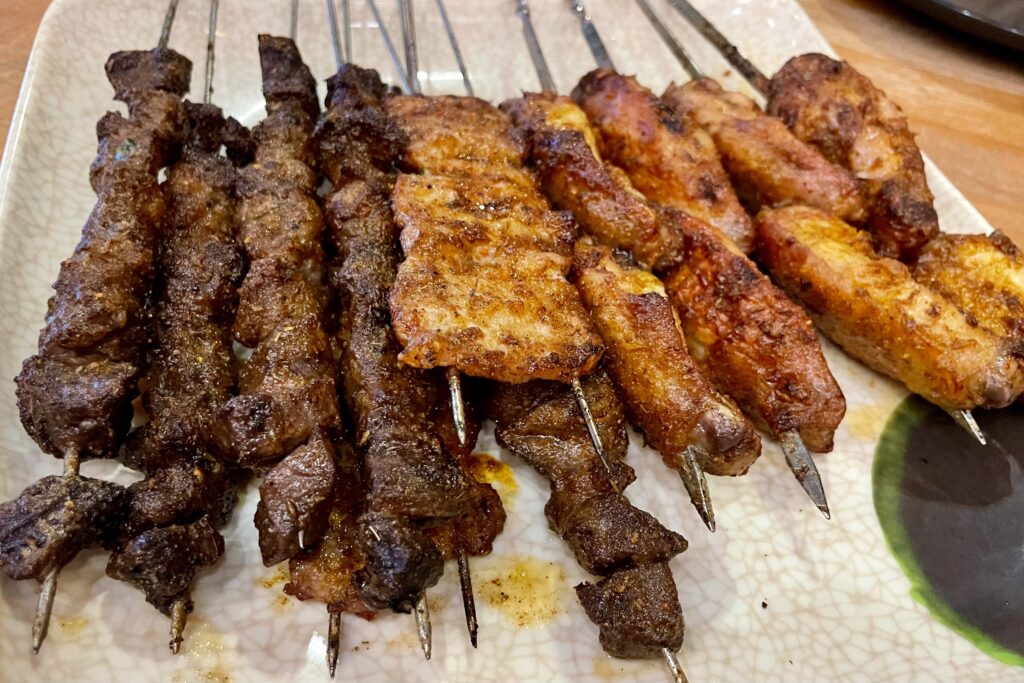
    Skewers are a must when it comes to Chinese street food. At Lingdian Chuanba, you’ll find an impressive array of options: meat, fish, seafood, vegetables, and more. The menu offers endless choices, and we’ve already tried a number of different skewers. From lamb and beef skewers to spicy and garlic chicken wings, lamb kidneys, beef tendons, chicken gizzards, pork belly, grilled octopus, oysters, mushrooms, tofu, Chinese chives, and bell peppers – the selection is so vast, I may have forgotten a few!

    Each skewer is crispy on the outside and wonderfully tender on the inside. Seasoned with cumin, chili, garlic, and a blend of spices, they develop a rich, savory flavor with a hint of smokiness. They also retain their unique character: aromatic fatty lamb, juicy chicken wings, nutty and earthy mushrooms with a meaty texture, robust lamb kidneys, chewy beef tendons, salty seafood, mild and soft tofu, and vegetables ranging from sweet to bitter. Alongside these skewers, you’ll find barbecue classics like scallops and oysters, which offer a smoky, intense and spicy flavor with a firm texture. We previously reported on a night market in Wuhan where oysters are prepared the traditional Chinese way, so feel free to check that out.

    If you’re looking for a hearty meal, you can choose from a variety of noodle dishes. There is a wide selection including rice noodles, glass noodles, and egg noodles, available with or without soup, and with various ingredients such as minced meat, beef, mushrooms, pak choi, beans, and more. Each bowl is served with a half-cooked egg, cilantro, green onions, and pickled radish in four separate small bowls.

    I’m a big fan of the noodle soup with braised beef (红烧牛肉, Hóngshāo Niúròu). The beef is slow-cooked in a savory sauce made from soy sauce, sugar, rice wine, ginger, garlic, and a mixture of spices, resulting in meat that is wonderfully juicy and tender. The pak choi stays crisp, the egg noodles are rich and slightly buttery, and the soup itself is hearty and umami, with a pleasant hint of heat from a touch of chili oil (optional, of course). The sugar in the sauce adds a subtle sweetness that balances the savory flavors nicely.

    I like to add the egg to the soup and stir it in, creating a mild, creamy contrast that enhances the intense flavors of the beef and broth. I also garnish with cilantro and green onions for a fresh kick. Occasionally, I also enjoy a bite of pickled radish to “cleanse” my palate (much like pickled ginger with sushi) and help me fully appreciate the diverse flavors of the noodles, skewers, and other dishes.

    We also recommend authentic noodle soup with minced meat and pickled beans, as well as Suan La Fen (glass noodles with pork in a sour and spicy soup).

    Suan La Fen (酸辣粉), a specialty from Sichuan cuisine, translates to “sour and spicy noodles,” which perfectly captures its essence. This dish features smooth, elastic glass noodles, typically made from sweet potato starch, served in a flavorful broth. The broth showcases a balanced mix of sour, spicy, and slightly sweet flavors characteristic of Sichuan cuisine. Chinese black vinegar contributes a rich acidity, while chili oil and spicy Sichuan pepper provide the heat. Garlic, soy sauce, onions, and cilantro add a touch of sweetness and freshness. Minced pork enriches the dish with savory, umami notes, creating a well-rounded and satisfying experience.

    Noodle soup with minced meat and pickled beans, known as 酸豆角肉沫面 (Suan Dou Jiao Rou Mo Mian), is a fragrant dish from Sichuan province, known for its spicy cuisine. The main ingredients are fermented sour pickled green beans (酸豆角) and spicy stir-fried minced pork (肉沫) seasoned with garlic, ginger and chili paste. The thick, chewy wheat noodles absorb the rich flavors of the sauce, creating a perfect foundation for the intense heat of the Sichuan chili paste, the tangy acidity of the pickled beans, and the deep umami of the minced pork.

    If you’re in the mood for something dry, zhajiangmian is a perfect choice. This flavorful Chinese noodle dish features stir-fried minced pork infused with the deep umami of dark doubanjiang, a rich fermented bean paste.

    The julienned carrots and cucumbers on top deliver a refreshing crunch, nicely contrasting the savory sauce. Fresh cilantro and green onions on the side add an aromatic lift when mixed in, while pickled sour radish provides a tangy punch that balances the flavors. Half a soft-boiled egg on the side lets you mix the yolk with the noodles for a creamy richness. It’s an appetizing and versatile dish.

    In addition, Lingdian Chuanba offers a number of barbecue specialties that quickly catch the eye on the menu due to their presentation in aluminum containers. But what’s the reason? In Chinese cuisine, grilling in aluminum foil is a popular method that preserves the flavor and juiciness of ingredients through gentle, even cooking. This technique not only enhances the flavors, but is also ideal for preparing dishes quickly and effortlessly. Let me introduce you to some of these delicacies.

    Enoki mushrooms grilled in aluminum foil or 锡纸金针菇 (Xīzhǐ Jīnzhēnɡū) are known for their mild, slightly sweet flavor and crunchy texture. When combined with spices such as garlic, chili, and green onion, they become an aromatic and succulent dish that offers a delightful blend of savory, spicy, and umami flavors.

    Grilled Chinese cabbage wrapped in aluminum foil, known as 锡纸娃娃菜 (Xīzhī Wáwá Cài), has a tender texture and a mild, slightly sweet flavor. The small cabbage heads stay fresh and are seasoned with spices such as garlic, chili, scallions, and soy sauce, adding layers of depth to the flavor.

    Tofu grilled in aluminum foil, or 锡纸麻辣豆腐 (Xīzhǐ Málà Dòufu), delivers a robust flavor thanks to a spicy sauce made with Sichuan peppercorns, chili, garlic, ginger, soy sauce, and other spices. This combination creates a rich blend of heat, umami, a hint of sweetness and tender tofu. Fresh cilantro is added as a garnish, providing a refreshing contrast that completes the dish beautifully.

    If you’re still hungry afterward, consider ordering a plate of Chinese dumplings, or Jiaozi (饺子), which are a staple of any Chinese street food restaurant. Lingdian Chuan Ba may not have the best dumplings in town, but they’re still pretty tasty. If you’re a fan of Chinese dumplings, this place is worth a try.

    For food lovers looking to try something new, grilled pig’s feet, known in Chinese as 烤猪蹄 (Kǎo Zhūtí), is an excellent choice. This popular Chinese delicacy is first marinated in a flavorful blend of soy sauce, garlic, ginger, star anise, and Sichuan pepper before being grilled or fried. The result is a rich, spicy and subtly sweet flavor.

    Pig’s feet offer a savory and spicy flavor, with crispy skin and tender, juicy meat. The texture ranges from crunchy to slightly gelatinous, adding a unique depth to the dish. The blend of spices adds to the complexity, making it a distinctive and memorable dining experience.

    The tradition of Chinese midnight snacks thrives not only in China’s night markets, but also in the heart of Frankfurt. Língdiǎn Chuàn Ba brings a taste of this vibrant culture and its diverse flavors to the German city, offering hungry night owls an impressive array of authentic dishes. From crispy barbecue skewers to hearty noodle soups, there’s something for everyone to satisfy late-night cravings while sharing a slice of everyday Chinese life.

  • Loulan Restaurant: Experience Traditional Xinjiang Uyghur Flavors in Frankfurt

    Loulan Restaurant: Experience Traditional Xinjiang Uyghur Flavors in Frankfurt

    Xinjiang’s cuisine, known for its fresh and delectable dishes, has many locals salivating at just the mere mention of its name. Take, for example, the famous Dapanji, or “大盘鸡,” which we shared earlier. In this extraordinary region, dramatic temperature swings between day and night and the abundant daylight create the perfect conditions for producing top-quality ingredients that’re second to none. The locals masterfully transform these ingredients into exquisite dishes that’re hearty and flavorful.

    So get ready for another Xinjiang food adventure as we take you to Loulan, an authentic Xinjiang Uyghur restaurant in Frankfurt, to unlock more of these remarkable flavors. While Loulan offers a variety of popular Chinese dishes from across the country, our mission is to spotlight the iconic dishes that truly reflect the charming essence of Xinjiang.

    Restaurant Profile
    • Name of the Restaurant: 楼兰新疆餐厅 Loulan Xinjiang Uyghur Restaurant (menu)
    • Adress: Kaiserstraße 41, 60329 Frankfurt am Main
    • Style: Uyghur, Xinjiang, Chinese Cuisine
    • Price: around 30 – 40 EUR per Person (incl. drinks and tips)

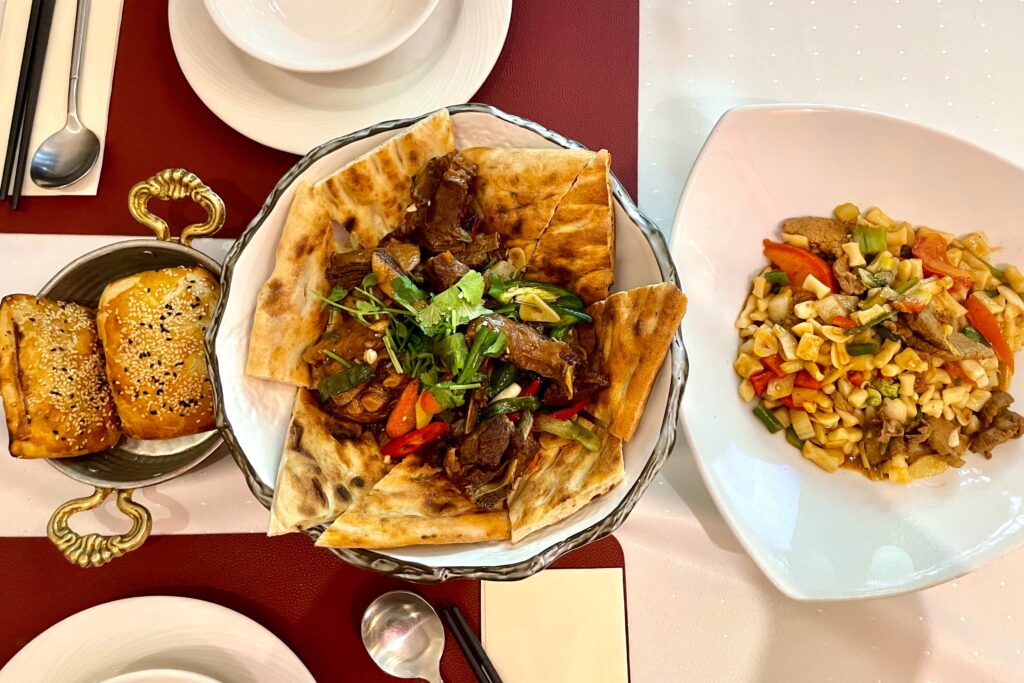
    Ding Ding Chao Mian (丁丁炒面) or “Diced Stir-Fried Noodles” is a true local favorite, celebrated for its vibrant flavors and satisfying textures. It’s a must-try in Xinjiang restaurants, loved for its rich, savory taste and hearty ingredients.

    Unlike typical noodles dishes, Ding Ding Chao Mian is characterized by small, diced pieces of hand-pulled noodles. These noodle cubes are bouncy, slightly chewy, and never sticky, allowing them to absorb the flavorful sauce and spices brilliantly. Seasoned with a blend of cumin, chili, and garlic, Ding Ding Chao Mian offers a delightful kick of spiciness and umami. Mixed with fresh bell peppers, tomatoes, onions, green beans, celery, and tenderpieces of lamb or beef (your choice), this well-rounded dish is packed with flavor and nutrition.

    Nang Bao Rou (馕包肉), or Nan Bread with Braised Lamb, is a shining star among Xinjiang’s top ten classic dishes. This culinary treasure features tender lamb ribs, slow-cooked with a blend of aromatic spices and vegetables, all served on freshly baked flatbread known as “nan.”

    The lamb is braised with a tantalizing mix of bay leaves, cumin, coriander, ginger, garlic, onions, and chili, infusing it with a deep, savory flavor. Cooked to until it’s incredibly juicy and falling apart, the lamb soaks up all the aromatic spices, making every bite succulent and full of robust meaty aroma.

    The crunchy nan bread, cut into eight pieces, is the ideal base. As it sponges up the rich, spiced broth, the bread becomes irresistibly soft and puffed with flavorful goodness. Enjoy it with lamb and veggies, complemented by just the right amount of oiliness and lamb fat. Each mouthful bursts with savory richness and subtle sweetness—warm, mouthwatering, and deeply gratifying.

    Manta with Lamb from the Oven (烤包子 Kao Bao Zi) is a delicious treat featuring two hearty dumplings filled with seasoned lamb, baked in a traditional oven called “nang pit” (馕坑).

    These dumplings boast a crispy exterior while keeping the filling moist and juicy. As the manta bakes, each emerges with a golden, shiny skin, sprinkled with white and black sesame seeds, resembling small, gorgeously wrapped gifts.

    The dough is slightly thicker than typical Chinese dumplings, preventing any loss of the savory juices during baking. The result is succulent lamb interior that bursts with flavor.

    Made from fresh, evenly marbled leg meat, the perfect balance of lean and fat ensures optimal taste. Adding onions, cumin powder and black pepper not only effectively removes the gaminess of the lamb but also balances out the high fat content, making the dumplings nutritious, rich in taste and never greasy. This paring method is a testament to the centuries-old culinary wisdom of the Uyghur people.

    Sinking your teeth into the crispy skin, the release of tender meat and rich lamb juices, mixed with aromatic spices, will take you straight to pure bliss.

    If you love Xinjiang flavors, especially its lamb dishes, you can’t miss the Grilled Lamb Chops (烤羊排 Kao Yang Pai), a delicious reflection of Xinjiang’s nomadic traditions and its vast, rugged landscapes. This dish features three oversized lamb chops, adorned with fresh chili, onions, and cilantro.

    Lamb is a cornerstone of Xinjiang cuisine, stemming from a tradition deeply rooted in its history and culture. The region’s nomadic heritage and abundant natural grazing lands make lamb a popular staple. Raised in expansive, free-range environments, the animals produce lamb meat that is finely textured and full of flavor.

    At Loulan, they bring that superior flavor right to Frankfurt. The high-quality lamb chops are marinated in a blend of spices like cumin, chili, garlic, and ginger for several hours, allowing the flavors to deeply penetrate the meat.

    During the slow-roasting process, the fat melts into the natural juices, giving the chops a glistening appearance while developing a smoky, rich flavor. The result is lamb chops with a lightly charred, caramelized crust and a tender, succulent interior. Each bite bursts with the naturally robust and earthy flavors of the lamb, enhanced by the aromatic marinade – a spicy kick from chili and ginger, and comforting warmth from cumin – an unforgettable taste of Xinjiang’s culinary essence.

    Pilaf (羊肉手抓饭 Yang Rou Shou Zhua Fan) is a staple in Xinjiang cuisine, beloved for its rich flavors and comforting appeal. Known as “Polo” in Uyghur, this traditional dish is a favorite for special occasions and welcoming guests.

    At its heart, Xinjiang Pilaf features fluffy, aromatic rice cooked with carrots, onions, and tender, slow-braised chunks of lamb. The lamb is marinated with a mix of cumin, cinnamon, and a hint of chili, creating a warm, earthy flavor. The glossy, golden rice is rich but not greasy, with each grain soaked in the savory juices and fragrant spices.

    Each bite of the generously-sized lamb pieces reveals exceptional tenderness, falling off the bone and melting in the mouth. Caramelized carrots and onions add a touch of sweetness and vibrance, complementing the rich, spiced meat. Pickled carrots and radishes on the side provide a tangy contrast to the robust flavors of the lamb.

    Legend has it that over a thousand years ago, a healer named Abul Aili Yibisina, struggling with illness, created this dish as a remedy. He combined lamb, rice, carrots, onions, and both vegetable and sheep fat, simmering it into a dish so delicious and nourishing that it restored his appetite and health. Legend or not, one thing is certain: Pilaf is a nutritious dish that is sure to whet your appetite.

    Fish with Tofu Bosten Lake Style (博斯腾湖鱼泡豆腐 Bo Si Teng Hu Yu Pao Dou Fu) is my favorite at Loulan. The dish begins with fresh fish, cleaned and cut into manageable pieces, then pan-fried to a golden crip before being gently simmered in a flavorful broth alongside smooth tofu cubes and spinach. As the fish cooks, it releases its juices, blending with spices like ginger, garlic, and green onions to create a deeply aromatic broth. The bones are present but large, making the fish easy to enjoy.

    What makes Bosten Lake style so special? Journey south from Urumqi into the Yanqi Basin, and you’ll find the crystal-clear waters of Bosten Lake, China’s largest inland freshwater lake. On its western shore is Bohu County, renowned for its pristine waters and delicious fish.

    In Bohu, charming fish restaurants and inns abound, and the town’s natural purity—free from industrial pollution—creates the ideal environment for wildlife to thrive. The saying “good water breeds good fish” rings true here.

    Bohu’s fish is so fresh that it needs only the simplest preparation to shine. Loulan’s chef skillfully brings this style to Frankfurt. The milky-white fish soup comes from slow-cooking over a gentle flame, releasing an aromatic fragrance that fills the air. Seasoned with just salt, and pepper, the soup’s simplicity is its strength. Each spoonful is warm, nourishing, a comforting embrace – as pure and straightforward as the people of Bohu, and as vast and passionate as Bosten Lake itself.

    Loulan is a mysterious, vanished kingdom once thriving along the Silk Road, vibrant with the buzz of caravans and the prosperity of Silk Road trade. Its sudden disappearance remains one of the world’s greatest enigmas.

    As the ancient echoes of this lost kingdom fade into the sands of time, a taste of history’s grandeur seems to come back to life at Loulan restaurant. As many dishes are crafted with ritualistic elegance, artfully arranged and served on exquisite plates, their dedication to honoring the spirit of timelessness and allure is evident. Some of the intricately prepared dishes are rarely seen elsewhere in Germany, such as lamb hoof, an entire roasted lamb, each intends to tell a story of this distant land and its forgotten glories. It’s no exaggeration to call Loulan a beacon of tradition and flavor, living up to the majesty of its namesake.

  • Secret Menu and Rich Flavors: Unveiling Thuy Vietnamese Restaurant in Munich

    Secret Menu and Rich Flavors: Unveiling Thuy Vietnamese Restaurant in Munich

    Today, we’ll take you to a quaint Vietnamese restaurant nestled in a peaceful neighborhood of Munich. Adorned with traditional Vietnamese and Southeast Asian decor, this charming eatery exudes a natural, rustic charm. Its homey ambiance feels like a cozy retreat, whether you’re dining indoors or enjoying the summer breeze under the shade of towering oaks outside.

    This lovely spot offers a gateway to Vietnam’s rich culinary scene, with aromatic herbs, intricate broths, and tantalizing snacks. The menu boasts a wide array of classic Vietnamese/Thai rice and noodle dishes. But for those in the know, the real adventure lies in the “secret” menu, available upon request. Titled “Hôm Nay” (today’s special in Vietnamese), this exclusive selection features many authentic dishes favored by locals and those seeking a true taste of Vietnam.

    Restaurant Profile

    Banh Xeo Chay Hay Man, often called “Vietnamese sizzling pancakes,” is an exquisite crepe made from a batter of rice flour, water, and turmeric, giving it its distinctive yellow hue. The secret to its thin, crispness lies in a high water-to-rice flour ratio and the technique of quickly swirling the batter in a hot, well-oiled pan. This ensures the pancake cooks evenly and achieves a tantalizing crisp delicacy.

    Browned and slightly charred on the outside, the pancake is filled with a delicious mix of shrimp, pork, bean sprouts, and rice noodles. It’s crunchy, tender, and savory, yet incredibly refreshing. Served with an array of fresh herbs like mint, Thai basil, fish mint (rau diep ca), and Vietnamese coriander (rau ram), and accompanied by the tangy nuoc cham dipping sauce, each bite promises an explosion of flavors.

    Wrap the herbs within the pancake and you’ll taste a refreshing coolness from the mint, a hint of anise-like spice from the Thai basil, the fishy, earthy note of fish mint, and the peppery, citrusy zest of Vietnamese coriander. This blend infuses freshness, aroma, and complexity into each mouthful. When dipped in nuoc cham, enhanced with shredded carrots, daikon radish, and chili, you’ll get burst of sweet, sour, and spicy flavors that perfectly complement the savory and herbal pancake.

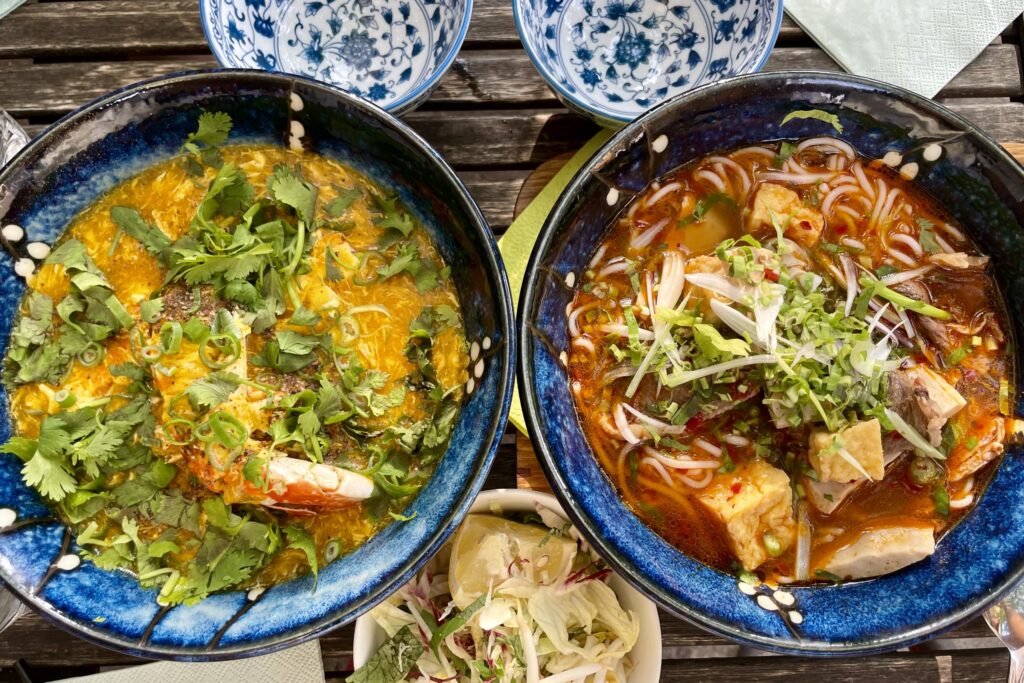
    Bánh Canh Cua (Từ Nhà Làm) + Càng Ghẹ Cua is a hearty Vietnamese dish featuring thick, round rice noodles (akin to Japanese udon noodles) in a luscious, flavorful broth. It’s highlighted by four large crab claws and tender crab meat, garnished with fresh cilantro, green onions, and a hint of pepper.

    The rich, slightly thickened broth is made from simmering pork bones and crab shells, deepened with fish sauce for a savory umami undertone. The addition of crab meat and quail eggs adds an extra layer of luxury with a creamy, seafood flavor. The thick rice noodles maintain their form even after a long soak in the heaty broth, offering a satisfying chew.

    The delicate crab meat, sweet and briny, almost melts in your mouth, while the crab claw meat is exceptionally plump and juicy! Incredibly fresh and springy, it provides a firm, succulent texture and intense flavor bursting with every bite. The claws are pre-cracked for easy shelling, but it can get messy, so better keep extra tissues handy!

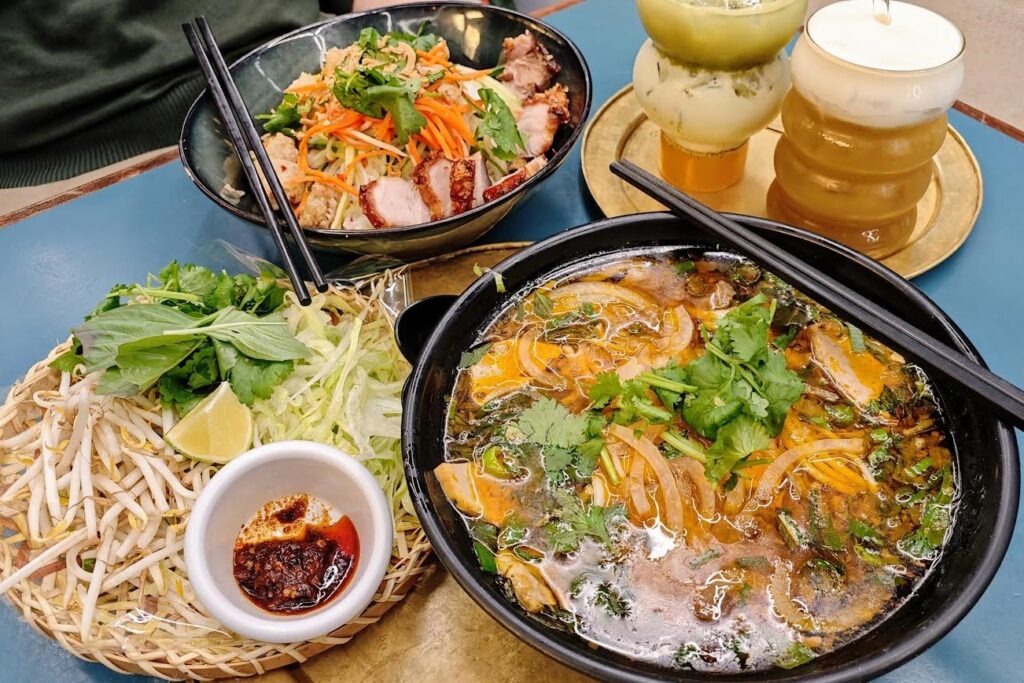
    Bún Bò Huế Đặc Biệt is an outstanding version of the classic Vietnamese noodle soup from the ancient city of Huế in central Vietnam. This dish is known for its rich, spicy broth and diverse flavors.

    The broth, simmered from beef and pork bones with lemongrass and drizzled with chili oil, boasts a fragrant, slightly spicy flavor and a bright red color. The thick, round noodles, unlike the flat ones used in Pho, are firm and elastic, delivering a delightful chew.

    What sets Bún Bò Huế Đặc Biệt apart is its variety of meats, infusing the broth with umami-rich flavor and meaty fragrance.

    Robust beef shank adds a deep, beefy taste, while the oxtail imparts a hint of sweetness with rich, intense beef flavor as the meat easily falls off the bone. Pork knuckle, though soft and mild in taste, enhances the broth with collagen and marrow, its gelatinous skin and cartilage contributing to a rich, viscous mouthfeel. Pig’s blood cubes lend a smooth tenderness to the soup.

    Topped with onions and shallots, the soup also includes airy fried tofu cubes that thoroughly absorb the broth, loaded with juicy aroma. Fresh herbs, vegetables, and a lemon wedge are served on the side, so you can brighten up your bowl to your liking. It’s a dish that excites and comforts at the same time.

    Speaking of Vietnamese cuisine, many often think of its more delicate side, exemplified by Pho or Bun Thang from the north, characterized by their clear, fragrant broth and light, subtly flavored ingredients. While northern Vietnamese dishes tend to be milder, central and southern Vietnamese cuisines are known for their rich, bold, and sometimes spicy flavors. Bún Bò Huế and Bánh Canh Cua are excellent examples of this diversity, showcasing the hearty, flavorful, and intense side of Vietnamese cooking.

    The staff at Thuy is incredibly friendly. Upon learning that I was Chinese, they thoughtfully brought out a translated version of the special menu in Chinese. They explained that many Chinese guests come specifically to enjoy their unique dishes, so they made an effort to create a Chinese version. As I looked at the charming handwritten menu, I was touched by this simple, genuine kindness of the Vietnamese people. It reminded me that the essence of a cuisine lies not only in its flavors but also in the warmth and thoughtfulness of those who prepare it. Perhaps that’s why Vietnamese food, with its rich tapestry of tastes and heartfelt hospitality, continues to enchant food lovers around the world.

  • Unleash the Fiery Flavors of Sanku-Maotsai: Authentic Sichuan Maocai in Frankfurt

    Unleash the Fiery Flavors of Sanku-Maotsai: Authentic Sichuan Maocai in Frankfurt

    Contrary to what the name might suggest, the restaurant Sanku-Maotsai, located just a few minutes’ walk from Frankfurt main station, is not about Maotai or Moutai – a type of baijiu, a traditional Chinese liquor or schnapps. Instead, the name refers to a popular authentic Chinese dish called Maocai (冒菜) from Sichuan Province, known for its spicy and aromatic cuisine.

    Restaurant Profile

    All spices are imported directly from Sichuan to ensure an authentic taste experience. Look out for recurring discount promotions and free side dishes (like chicken feet to try – maybe not everyone’s cup of tea, but a unique experience😊).

    Vegetarians are also well catered for at Sanku-Maotsai, with a wide variety of vegetables, mushrooms, tofu, noodles and more.

    But what exactly is maocai? This dish is a combination of various ingredients such as meat, fish, seafood, tofu and vegetables cooked in a spicy broth or stir-fried, similar to the famous hotpot or malatang.

    Three words, three dishes, and it’s easy to get confused: hotpot, malatang, and maocai. Here’s a quick guide to clear up the confusion:

    • Hotpot (some excellent hotpot restaurants in Frankfurt, for example, are Liuyishou and Sen (vietnamese Version)) is an interactive experience where fresh, pre-selected ingredients are cooked together in a large pot – one of the absolute classics of Chinese cuisine.
    • Malatang (if you want to learn more about Malatang, you can find a restaurant in Frankfurt here) and Maocai differ from Hotpot mainly in that the ingredients are not cooked together in a broth at the table, but are already prepared in the kitchen and then served.
    • With maocai, the differences go a bit further, for example, different spices and sometimes Chinese medicinal herbs are used for the broth, and there is also a “dry” version.

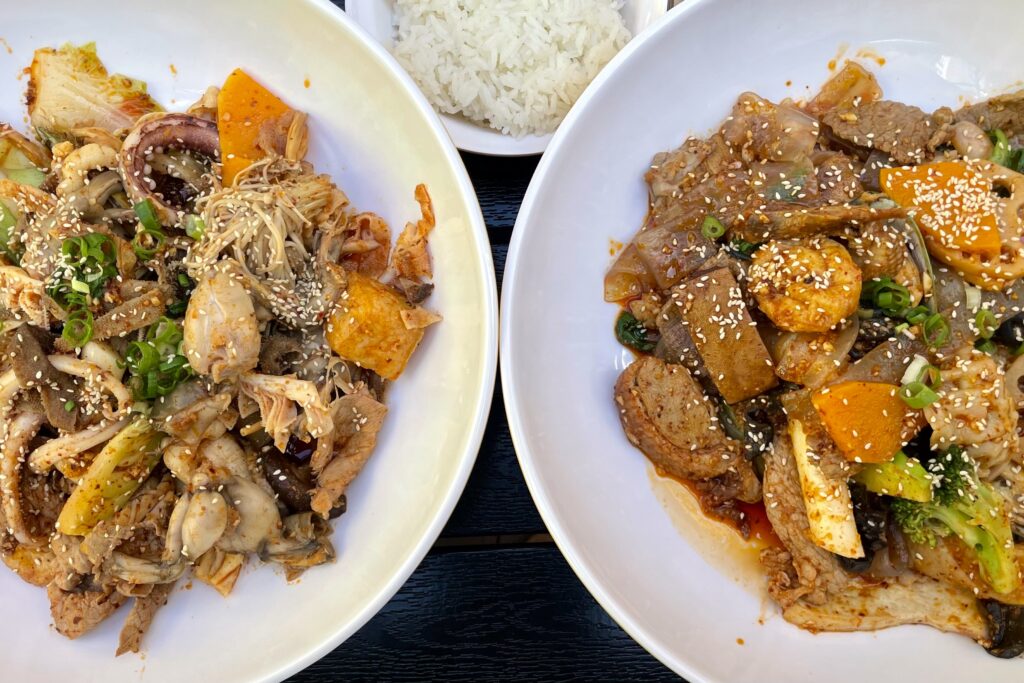
    For this restaurant, we want to focus on dry maocai (香辣干拌), which is made by briefly blanching the ingredients and then stir-frying them in a pan with hot sizzling oil, dried chilies, Sichuan peppercorns, garlic and ginger. Soy sauce, rice wine and a little sugar are added.

    Everything is mixed well and simmered briefly until the flavors are fully developed and the ingredients are cooked to perfection.

    Dry maocai is served hot and is characterized by its pronounced heat and the distinctive, slightly numbing “mala” sensation on the tongue caused by the chilies and Sichuan pepper. It also has a deep, savory umami flavor from the meat, soy sauce, and other flavor-enhancing ingredients.

    While ingredients cooked in a broth become tender, juicy, and aromatic, dry maocai retains the original texture of the components: vegetables remain crisp, and meat or seafood develops a firmer, often slightly caramelized surface. Dry Maocai has a more intense and concentrated flavor because the spices and seasonings adhere directly to the ingredients and are not diluted by a broth. It is this combination of bold flavors and varied textures that probably makes the dry version even better for me than the broth-based one …

    It is similar in taste to ma la xiang guo (such as what you find at the China Haus in Frankfurt) or gan guo, where the ingredients are also served in a spicy sauce with minimal liquid.

    If you still prefer the soups, here is an overview – the following broths are available:

    • Spicy soup – traditional Sichuan spicy (经典川味 – jīng diǎn chuān wèi)
    • Tomato soup, mild (浓香番茄 – nóng xiāng fān qié)
    • Sour soup with sauerkraut – spicy, but slightly milder than the spicy soup (老坛酸菜 – Lǎo tán suān cài)
    • Fresh soup with cooked mushrooms, mild (鲜香三鲜 – xiān xiāng sān xiān)

    If you are a regular reader of our blog, you are probably already familiar with the following process. Start by grabbing a bowl and tongs at the entrance, then head over to the food station and explore the wide array of ingredients. You’ll find everything a maocai lover could want. This includes various meats (some marinated, meat rolls, meatballs, etc.), seafood and fish, a variety of vegetables (broccoli, carrots, cabbage, pak choi, etc.), mushrooms, tofu, and several types of savory noodles. Fill your bowl with your favorites, then choose your preferred cooking method – we recommend the dry maocai. Alternatively, you can choose from the broths listed above. For a small surcharge of 2 euros per person, you can also order an unlimited rice option.

    After placing your order, you will receive a pager. While your maocai is being prepared, you can create your own dipping sauce at the sauce buffet – we’ve covered this in other posts (e.g. Liuyishou in Frankfurt or Haidilao in Wuhan). The base sauces are golden-brown peanut and sesame sauces. We recommend adding garlic, coriander, shallots, and a bit of chili (though you may want to skip the chili since the maocai is already hot). Feel free to experiment and adjust to your taste.

    Now that you have hopefully gotten a good impression of the delicious dishes, have fun trying them out and enjoy your meal at Sanku-Maotsai!

  • Thai Boat Noodles: A Taste of Authenticity, Tradition, and Nostalgia at Soi 22

    Thai Boat Noodles: A Taste of Authenticity, Tradition, and Nostalgia at Soi 22

    Step into the vibrant world of Thailand right here in Frankfurt at our latest culinary hotspot – Soi 22. This new Thai restaurant is a must-visit for anyone craving the true taste of Thailand. From the moment you walk in, you’ll be enveloped in the lively ambiance and charming decor that reflects an old tradition uniquely Thai – the boat noodles culture.

    The owner, passionate about bringing authentic Thai experience to Germany, has recreated the unique and historic tradition of “boat noodles” (Kuay Teow Reua). Originating from the Ayutthaya period (1351-1767), these noodles were once sold from boats along Thailand’s bustling canals, when canals were the primary means of transportation in many parts of Thailand. Vendors would paddle their boats along canals, preparing and selling bowls of noodles to people on the banks or other passing boats.

    With the decline of canal transport, boat noodle markets have made their way to land-based stalls and restaurants, evolving into vibrant cultural and recreational hubs. Soi 22 beautifully mimics this traditional flair with decor like barber shops and massage parlors, creating an atmosphere that transports you straight to a charming miniature version of a Thai boat noodle market.

    Restaurant Profile

    Before diving into the food, let’s introduce you to two indulgent yet refreshing Thai iced tea creations.

    Thai Ice Tea with Lemon, made from a blend of black tea and spices such as anise and tamarind, has a deep, ruby-red hue. The addition of a slice of lemon enhances its bright, lemony sweetness with a subtle tang.

    Thai Ice Tea with Milk offers the creamy, indulgent side of the Thai iced tea. The tea blend with spices gives it a deep amber color that remains visible at the bottom where it hasn’t been mixed fully with milk. It creates an appealing contrast of creamy white on top and rich golden tea below. A sprinkle of cinnamon on top adds a touch of warmth that complements its luscious, milky flavor.

    Though not meant for cooling the thirst, these sweet, refreshing treats are perfect for balancing the bold, spiced Thai flavors, making them a hit for those who love rich, dessert-like drinks.

    Soi 22’s carefully selected starters bring the authentic flavors of the Thai night market right to your table, featuring popular local snacks like crispy wontons and crispy pork fat. You won’t want to miss the A1 Grilled Pork Balls and A4 Steamed Spicy Prawn Wontons— the absolute must-try dishes at Soi 22.

    A1 Grilled Pork Balls features nine freshly handmade pork balls, served on three skewers and topped with cilantro and a slice of red bell pepper.

    Expertly crafted, the meat balls taste incredibly fresh and bouncy, offering a satisfyingly firm texture. The slightly charred surface adds a delightful chewiness and smoky flavor. Generously dip them in the sauce for a blend of smoky, tangy, sweet and subtly spicy notes. It wonderfully enriches the savory, umami-packed meat balls, adding tantalizing layers of taste to every bite!

    A4 Steamed Spicy Prawn Wontons is a dish that had the diner next to us exclaiming “seafood paradise!” And we wouldn’t disagree.

    This exquisite dish features three meticulously crafted wontons, each generously filled with two succulent black tiger prawns. Bathed in a dark, aromatic fish sauce and topped with cilantro and fresh chili, these wontons are a true taste sensation.

    Each wonton bursts with natural sweetness of juicy prawns, perfectly complemented by the bold spices. The delicate steamed wrapper is soft and slightly chewy, melting in your mouth and beautifully contrasting with the firm, plump prawns inside.

    The accompanying spicy, tangy, and slightly sweet fish sauce enhances the overall flavor. Be warned, the sauce packs quite a spicy punch, but it’s this heat that makes the dish so invigorating. Take a bite, and you’ll be hit with an exhilarating blend of textures and flavors—the tender prawn filling, the soft wonton wrapper, and the spicy, umami sauce.

    For those who find the spice level too intense, the sweet Thai drinks can be your remedy here. But trust us, every spicy, flavorful bite of these wontons is worth the heat. It’s truly a piece of seafood paradise.

    Now, let’s dive into the main event—Thai boat noodles! These come with a dark, luscious broth, known for its rich and intense flavors, thanks to a blend of spices, herbs, and sometimes even pig or cow blood for added depth and thickness. At Soi 22, they stick to tradition with a moderate portion of broth, just like in the old days when rickety boats were prone to spillage. But don’t worry— if you want more, you can get extra broth at no extra charge.

    For your noodle bowl, you can choose from a variety of ingredients, including tender beef, flavorful beef balls, and a selection of offal. Each dish is accompanied with Thai basil and crisp bean sprouts for a burst of freshness and crunch.

    You can enjoy your noodles with or without broth, and pick from egg noodles, thin or thick rice noodles.

    For an extra kick, you can add chili flakes, pickled sour chili, fish sauce, and sugar. The Thai chili flakes pack a serious punch, so sprinkle with caution!

    N6. Nam Tok Wagyu A5 Sliced Wagyu takes Thai boat noodles to a whole new level. This dish features premium A5 Wagyu beef, sliced thinly and served raw, flaunting its rich marbling and vibrant red color. It’s a feast for the eyes and the palate, promising a succulent, beefy sensation.

    Generously layered over the noodles, the raw Wagyu is cooked right at your table. Watch in awe as the staff pours hot broth over the beef, transforming it into juicy tenderness right before your eyes. This theatrical cooking process ensures the Wagyu’s buttery richness is preserved at its freshest, elevating the dish to luxurious heights.

    The dark, robust broth, infused with a complex blend of spices, herbs, and a hint of tanginess, superbly complements the rich, savory Wagyu. Fresh Thai basil and crisp bean sprouts add a refreshing crunch and balance to the rich flavors.

    Be sure to stir the noodles right after adding the broth, as the thick, flavorful concoction can make the noodles mushy if left still for too long. Each mouthful delivers a tantalizing mix of tender beef, rich broth, and vibrant toppings — a lavish twist on traditional Thai boat noodles that is sure to impress.

    N5. Nam Tok All-In is the epitome of authentic Thai boat noodles, uniting a delectable assortment of beef components in one bowl. This dish features sliced beef, braised beef, beef balls, tendon, liver, and tripe, delivering a genuine taste of traditional Thai flavors.

    The rich, thick broth deepens the savory flavors of the tender sliced and braised beef, with the braised beef adding an extra layer of melt-in-your-mouth goodness. The beef balls are chewy, firm, and bursting with flavor. The tendon, soft and gelatinous, fully absorbs the richness of the broth. The liver offers a bold, earthy flavor that adds complexity, while the tripe is chewy and slightly spongy, providing a unique texture.

    Enjoy this dish with the robust broth and fresh veggie toppings like Thai basil and bean sprouts. Each spoonful is intensely flavorful, with a refreshing crunch and brightness that balances the rich savoriness.

    The variety of beef cuts are staples in classic Thai boat noodles, making it a top choice for those craving an authentic taste of Thailand.

    The only dessert offer at Soi 22 is the E1. Original Khanom Thuay, and it’s nothing short of extraordinary. This steamed coconut pudding has a smooth texture and a rich, layered flavor.

    Khanom Thuay consists of two layers: a silky, slightly salty coconut custard on top and a subtly sweet, steamed rice flour base below. The bottom layer is tender and smooth, while the top layer is luxuriously creamy, bursting with aromatic coconut flavor.

    Each bite blends sweet, savory, and creamy notes with a light, melt-in-your-mouth quality. For the best experience, use the bamboo spoon to gently scrape from the edges, ensuring you get both layers in every bite. This indulgent dessert will impeccably round off your meal at Soi 22.

    At the end of our meal, we were treated to a sweet surprise not listed on the menu: Palm Sugar, Milk, and Coconut Dessert, a complimentary goodie on the house. This dessert features a soft, cake-like base that’s lightly spongy and sweetened with palm sugar, giving it a warm, golden color and a rich, earthy sweetness.

    Crowned with shredded coconut, it lends an enjoyable chewiness and a hint of nutty flavor, highlighting the dessert’s subtle tropical notes. The coconut’s slightly fibrous texture contrasts nicely with the soft, airy base, combining the indulgent sweetness with a pleasantly light touch.

    The atmosphere at Soi 22 is infectious, as every guest seems to revel in delicious food and joyful mood. The staff greets every guest with traditional, heartfelt gestures—hands pressed together and a gentle “sawadika” (hello in Thai), a subtle bow that speaks volumes of their grace and humility. In quieter moments, the owner himself would take the time to chat, sharing stories about each dish, from its origins in Thailand to the influences from neighboring countries. His passion for the cuisine and the restaurant was palpable.

    Soi 22 is undoubtedly a taste of authentic Thai fare. More than that, it’s an immersion into a slice of Thailand’s soul, where simplicity and authenticity shine brightest, steeped in tradition, warmth and a sprinkle of nostalgia.

  • Off-the-Beaten-Path Bliss on Gran Canaria: Secluded Beaches and a Hidden Family-Run Tavern

    Off-the-Beaten-Path Bliss on Gran Canaria: Secluded Beaches and a Hidden Family-Run Tavern

    For those seeking a serene escape from Gran Canaria’s bustling tourist hubs, Playa de Tiritaña and Playa de los Frailes are the perfect spots. These relatively secluded beaches are easily accessible by car, with Playa de Tiritaña just a short 10-minute drive from Playa de los Frailes.

    We parked our car about 10 minutes’ walk from Playa de Tiritaña. The way there felt like a passage through a forgotten dreamscape, marked by an unfinished road nearby that looked like a part of an abandoned resort project. The sky was a mesmerizing shade of blue, casting its brilliance over the landscape. Stone formations atop a nearby hill stood like ancient sentinels, silently watching over this hidden retreat that sees fewer visitors. All this adds a unique, mystical charm to the area.

    Upon arrival at these rocky bays, we were greeted by a rugged and intimate sanctuary. Unlike the typical sandy beaches, here you’ll find larger stones and pebbles. The natural solitude easily envelops you. In this peaceful corner of the world, the only sounds are the slow, rhythmic waves caressing the shore.

    In the naturally formed ponds on the beach, you’ll easily spot playful little fish frolicking freely in the sunlight. Even the usually shy crabs make a bold appearance, basking in the sun for a moment before quickly scurrying back into the shadows under the rocks.

    The water is cool and inviting, nestled against the mountains that hug the coastline, creating a perfect natural setting for a refreshing swim. However, it’s wise to be cautious of the rocky terrain and occasional strong currents.

    If you’re feeling adventurous, you can take a one-hour hike over the mountains that connect Playa de Tiritaña to Playa de los Frailes, and enjoy the stunning coastal views along the way. Despite its uneven paths and occasional steep sections, the trail remains manageable for most hikers.

    As we ascend the hill, leaving behind all sounds except the ocean’s distant ebb and flow, we feel ourselves shedding, layer by layer, our weariness and ambitions, wandering into a vast emptiness where the horizon draws near and stretches far, all at once. It’s as if we’re caught in a transient interlude of time and space; the world slows down and everything feels suspended in this quiet majesty.

    At Playa de los Frailes, you’ll have softer sands that attract beachgoers seeking a quieter seaside experience. A cliffside trail to the right will lead you to a more tranquil spot.

    Perched upon the stone piles at the trail’s end, we found a corner that felt both vast and intimate, with boundless sea and sky stretching infinitely before us.

    As we watch the seawater change its colors in the sunlight and shadows, see it wash over strands of light, see it reflect every grain of sand and stone, see it sometimes raging, sometimes calm, time passes unnoticed. A distant boat drifts by; its sailor appears to notice us and waves warmly from afar. We return the heartfelt gesture—a fleeting yet heart-stirring encounter, treasured all the more in our solitude.

    Tips for your visit:
    • Rocky Shores: The beaches are rocky, so it’s a good idea to bring water shoes to protect your feet when getting into the water.
    • Hiking Essentials: Wear sturdy hiking shoes and carry plenty of water when trekking between the two playas. The trails can be uneven and demanding.
    • Stay Sun-Safe: Pack sunscreen, a hat, and sunglasses. The sun can be intense, and there’s minimal shade along the trails. Start your hike early to avoid the peak heat.
    • Cliffside Cautions: If you’re walking along the cliff trail, be mindful of loose rocks and narrow paths.

    After a day of walking and climbing, what could be more rewarding than a delicious Spanish feast? This time let us introduce you to an absolute must-try restaurant on this island – La Tasquita Gallega. This family-run Spanish tavern serves up almost all the coastal flavors you could possibly crave while visiting Gran Canaria – grilled meats, veggies, fish, seafood, paella of different kinds, and an extensive selection of tapas. Check out their menu here.  

    With such a tempting array of tapas dishes, you can dive into a variety of flavors by ordering smaller portions at adjusted prices—just as we did!

    Our first tapas choice quickly became one of our favorites: Empanadillas, or Spanish dumplings.

    These savory pastries are stuffed with seasoned minced meat, boasting an irresistible, aromatic taste. The flavorful seasoning includes sautéed onions and garlic forming a fragrant base, complemented by oregano, fresh paprika, and earthy cumin. Salt and pepper perfectly round out the flavors, enhancing the juicy, rich minced meat, all encased in a crisp, golden pastry shell that delivers a satisfying crunch with every bite!

    The oysters at La Tasquita Gallega are remarkably plump and juicy.

    Each one comes in an exceptional size and bursts with a clean, briny flavor that evokes the freshness of the sea. The texture is smooth and slightly firm, providing a satisfying chew. Enjoy them raw, with a squeeze of lemon to enhance their natural sweetness and slightly salty flavor. Each morsel delivers a luxurious, refreshing taste that lingers on the palate.

    Padrón Peppers, featured in our previous post, are a go-to tapas for us.

    Quickly fried in olive oil until blistered and tender, they’re beloved for their simple and fresh taste. Served with a sprinkling of sea salt, they offer a savory contrast to their naturally mild, slightly sweet flavor. This vegetarian dish is ideal as an accompaniment to any other tapas or main meal, adding juiciness and crunch.

    Galician Chorizo is known for its rich, savory flavor profile. It has a very robust taste with hints of pepper, garlic, and other aromatic spices used in its seasoning.

    The sausage combines juicy, flavorful pieces of fat with lean meat, creating a firm texture and satisfying chewiness. When stir-fried with onions and bathed in a slightly spicy sauce, it develops a deep, hearty taste that is both savory and subtly tangy. With slightly sweet onions to balance out the rich meaty flavor, it’s a very delicious and well-rounded dish.

    Vieras al Horno, or Spanish Baked Scallops, is a delectable tapas dish, cherished for their exquisite flavors.

    Fresh, plump scallops are delicately baked to a perfect tenderness, accompanied by chopped onion cubes and parsley. These scallops, prized for their buttery, briny and even mildly nutty flavors, take on a subtle umami richness when cooked with aromatic onions and peppery parsley. They add vibrant color to the dish and elevate the natural sweetness and gentle brininess of the scallops, making each morsel thoroughly enjoyable to eat.

    Arroz Caldoso de Marisco holds a special place in the Canary Islands cuisine, offering a sensory enjoyment for its rich flavors and comforting nature.

    It’s served in a soup bowl brimming with tender rice infused with saffron, imparting a warm golden hue and a subtle floral aroma. This dish is a grand celebration of seafood – succulent squid, briny mussels, plump shrimp, and tender octopus — all simmered in an aromatic broth that reveals luscious oceanic flavors and freshness.

    Despite being cooked in a soup, the rice remains distinct and firm, setting it apart from porridge. It absorbs the broth’s rich flavors while maintaining its integrity. Scoop up some rice with other ingredients – the sweetness of seafood balanced by the hey-like, grassy notes of the saffron, accompanied by the soft paprika and the savory broth. Each spoonful is downright gratifying!

    Crema Catalana is a classic Spanish dessert we’ve enjoyed several times during this trip.

    At La Tasquita Gallega, this custard-based treat is similar to crème brûlée, but with its own twist, being subtly flavored with citrus zest and cinnamon. The dessert is topped with a caramelized sugar crust that adds a pleasant contrast of textures—creamy, eggy underneath and crisp on top. Originating from Catalonia, Spain, Crema Catalana is a decadent finale to any meal.

    This concludes our Gran Canaria series. Wherever you’re from, even the most breathtaking landscapes can sometimes feel routine. Whoever we are or whatever we’ve achieved, there comes a time when we desire to seek new horizons. When that moment comes, and we’re longing for a change, may we all embark on a journey with a carefree heart, embracing the elegance of following our own path and encountering a scenery uniquely our own.