
Tag: Stewed/Braised

A collection of posts featuring Stewed/Braised dishes.

  • Sorihashiya: Frankfurt’s Ramen Revolution

    Sorihashiya: Frankfurt’s Ramen Revolution

    Today, we’re absolutely thrilled to introduce you to Sorihashiya, a relatively new ramen place that has quickly captured the hearts (and stomachs) of Frankfurt’s Japanese food lovers. Located in a cozy, compact space, the restaurant Sorihashiya is often bustling, so it’s important to reserve in advance. With two-person, four-person, and even larger communal tables that seat up to 10, this place has a lively dining atmosphere where guests might share tables with new friends.

    Quick service is part of its fast-casual vibe, and diners are encouraged to keep meals within an hour to make room for the next round of ramen lovers waiting eagerly in line.

    Restaurant Profile

    So what’s the hype? One reason is their gyokai paitan broth—a masterfully crafted soup that’s rich, smooth, and packed with umami. After countless trials, Sorihashiya’s chefs landed on a winning recipe, combining French chicken and Spanish fish in double the usual amount to achieve a deeply satisfying richness. Gyokai paitan is a unique style of ramen soup known for its creamy texture and complex flavors, blending poultry and seafood into a divine sip of heaven!

    And it doesn’t stop at the broth. Sorihashiya’s noodles are crafted with care using German whole grain for flavor and Italian wheat for the ideal mochi-mochi texture—that gratifying chewy bite ramen lovers crave. Made with nothing but wheat, water, salt, and kansui (a special alkaline mineral water), these noodles are as pure as they are delicious.

    Sorihashiya has a relatively simple drink menu, they offer classic Japanese drinks like Kirin beer and sake. If you prefer something warm, they also serve green tea and ginger tea. We personally prefer their homemade lemonade as a refreshing, zesty companion to a steaming bowl of ramen.

    There is also a good selection of side dishes, including savory donburi with tender chashu pork slices, classic edamame, and spicy kimchi. Among these, the vegetarian gyoza is a standout appetizer.

    These pan-fried dumplings arrive with five to a plate, featuring a crispy bottom and a soft, tender top. Inside, a fresh mix of carrots and cabbage provides a mild sweetness that pairs perfectly with the soy sauce dip. The gyoza are a balanced, tasty start to the rich, flavorsome ramen.

    The first noodle dish we want to spotlight is the Gyokai Tsukemen – a magical combination of noodles and soup that takes the ramen experience to a whole next level. Gyokai Tsukemen—which translates to “fish-based dipping noodles”—is a unique ramen style where cold noodles are dipped into a separate bowl of hot, richly flavored soup.

    The broth here is a savory powerhouse, brimming with deep umami, a hint of seafood brininess, and a heartwarming, robust chicken flavor. To balance this intensity, Sorihashiya adds yuzu that brings a bright citrusy note.

    The noodles are cut wide, which not only holds onto the broth beautifully but also enhances their springy, elastic texture—a result of dipping cold noodles into hot soup, a traditional technique that intensifies their chewiness and flavor.

    The dish comes topped with juicy pork cubes, while optional add-ons include ajitama (a seasoned, soft-boiled egg with a creamy yolk) and chashu pork – thinly sliced, slow-cooked pork shoulder that adds a rich, melt-in-your-mouth layer to each dip. Alongside are tender bamboo shoots, refreshing cabbage, and a sprinkle of green onions, which all lend freshness to the bowl. The red chili threads provide a mild spiciness and a dainty decorative touch.

    If you haven’t tried this style of ramen yet, it’s an experience you shouldn’t miss. The way the noodles soak up the flavorful broth, the bounce of each noodle as it’s dipped, and the tender, savory slices of pork will turn every bite into a new discovery.

    While my personal favorite is the Tsukemen, Sorihashiya’s official star dish is actually the Gyokai Ramen. Just like the Tsukemen, this dish features their ultra-rich blend of fish and chicken broth. For the soup ramen, Sorihashiya uses thinner, smoother noodles to better absorb the soup. Compared to Tsukemen, this dish offers a more familiar way to enjoy their signature broth.

    The bowl comes topped with tender pork cubes and fresh, crisp toppings like cabbage, green onions, and bamboo shoots. A touch of yuzu adds a refreshing citrus to round out the soup’s richness. For those who like a little heat, extra spices are available at every table. They deliver a sharp, pungent kick that really enhances the flavors. But if you prefer it as it is, the thick, concentrated broth alone is hearty and indulgent enough to enjoy on its own.

    Next up is the Shoyu Paitan Ramen – dubbed the “Beginner’s Choice”, recommended for anyone interested in a traditional paitan experience.

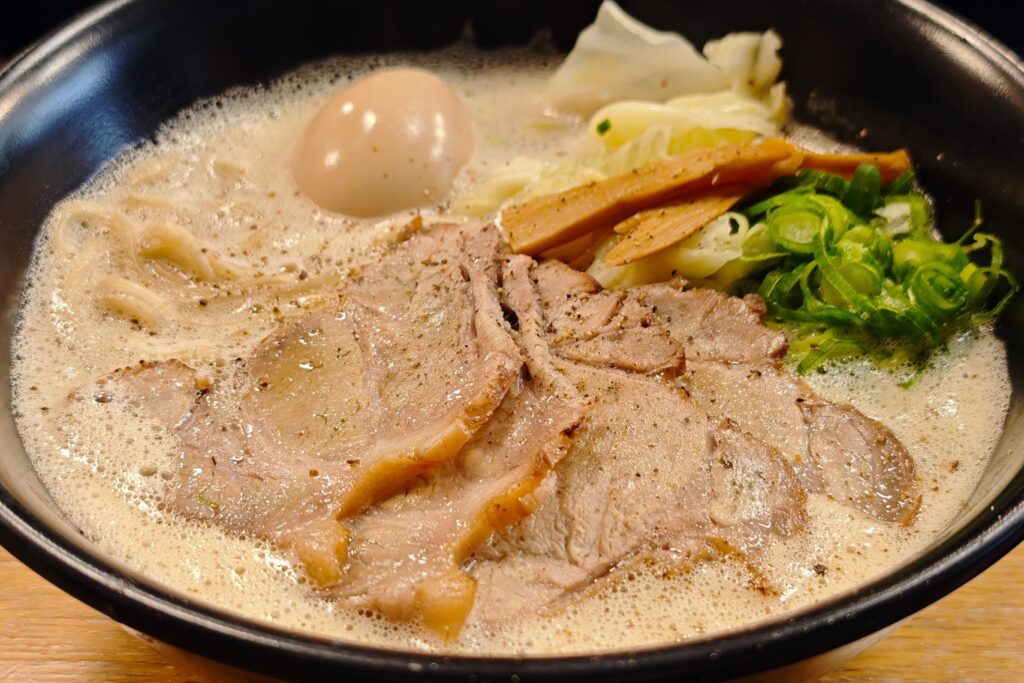
    Paitan” is a style of ramen broth deeply rooted in Japanese ramen culture, known for its creamy, opaque appearance. Unlike clear broths, paitan is made by simmering chicken (or sometimes pork) bones for hours, extracting collagen and fats to create a thick, velvety soup packed with deep umami. In this dish, the paitan base is enhanced with soy sauce (shoyu) for a savory, slightly tangy depth.

    At Sorihashiya, the paitan is particularly rich and thick, with a light foam on top from emulsified fats that seals in heat and aroma. When the noodles glide through the dense broth, they catch that flavor-packed richness in full, making every mouthful deeply indulgent.

    The bowl comes with tender pork cubes, crisp cabbage, green onions, and bamboo shoots. We also opted for an ajitama (boiled egg) and chashu (sliced pork) as additional toppings.

    Umakara Ramen is a bold, spicy option for ramen lovers, made with Sorihashiya’s thick, rich chicken broth. Similar to a Japanese take on Chinese dandan mian, it boasts a deep, satisfying heat.

    The umakara broth is infused with chili spice that’s intense, warm, and umami. Diving into the bowl, you’ll find tender pork cubes, lending a savory juiciness to the fiery broth. The ramen also includes crispy cabbage, refreshing bean sprouts, green onions, and a sprinkle of roasted onions and sesame seeds.

    It’s indeed a pleasure to see how the thick broth clings to the noodles. By the time you reach the end, it almost transforms into a Sichuan Banmian (spicy dry-mixed noodles). The broth/”sauce” coats every strand in a highly concentrated, flavor-packed finish, with optional add-ons like chashu pork and a creamy ajitama egg further intensifying its hearty, robust taste.

    In Japan, ramen restaurants are as numerous as the stars in the sky, each one striving to stand out. Some pursue bold flavors, others emphasize premium ingredients; some stay rooted in tradition, while others push the boundaries of creativity. With over 20,000 ramen shops across the country, the competition is fierce, driving ramen restaurants to constantly focus on perfecting their recipes.

    Sorihashiya’s menu may be simple, but every bowl is a masterwork. Their thick, collagen-rich broth and uniquely crafted noodles highlight the restaurant’s dedication to quality – this place isn’t about doing it all; it’s about doing it right.

  • Lisbon Part 6: From Jerónimos to Belém Tower – A Journey of History and Portuguese Flavors

    Lisbon Part 6: From Jerónimos to Belém Tower – A Journey of History and Portuguese Flavors

    Today marks the final chapter of our Lisbon journey. So we started the morning with our habitual Portuguese breakfast—eggs paired with crispy bacon or ham, simple, pleasant and satisfying.

    The sky was a vivid blue, a perfect backdrop for the day’s plan to explore Belém. This area is home to three iconic landmarks: Mosteiro dos Jerónimos, Padrão dos Descobrimentos, and Torre de Belém, all within a short walking distance from one another.

    Getting to Mosteiro dos Jerónimos is straightforward. From Lisbon’s central district, hop on tram 15E or bus 728, and in about 20 minutes, you’ll arrive in Belém. As soon as we stepped off, the grandeur of the monastery captured our gaze. Its creamy white facade gleamed in the sunlight, a masterpiece of Manueline architecture, a style unique to Portugal. The white stone, called limestone, was sourced locally, giving the structure its radiant appearance.

    Every inch of the monastery is adorned with intricate carvings—angels, saints, nautical motifs, and vines that seem to come alive. These delicate details reflect Portugal’s Age of Discovery, symbolizing its maritime prowess. Despite the pristine whiteness, some sections of the walls have darkened with age, adding a timeless charm.

    The monastery stretches across an impressive length of 300 meters. Plan to spend 1-2 hours exploring the cloisters, which are serene and intricately detailed, and the Church of Santa Maria, where the famous explorer Vasco da Gama rests. Entry costs around €12, but it’s free on the first Sunday of each month.

    Adjacent to the monastery lies the Praça do Império, a sprawling square with manicured gardens that exude an English regal charm. Symmetrical flower beds, trimmed hedges, and fountains make it an ideal spot to sit and admire the monastery’s beauty.

    A short stroll from the square towards the sea brings you to the striking Padrão dos Descobrimentos (Monument to the Discoveries). Towering at 56 meters, this monument celebrates Portugal’s Age of Exploration.

    Shaped like the prow of a ship, it features statues of historical figures—Henry the Navigator at the helm, flanked by brave explorers, cartographers, and missionaries, their expressions carved in stone exuding courage and determination.

    The structure’s massive size makes it a commanding presence, and climbing to its top (entry €6) offers breathtaking views of the Tagus River and the iconic Ponte 25 de Abril, a red suspension bridge reminiscent of San Francisco’s Golden Gate. In the distance, the Cristo Rei statue stands with open arms, as if embracing the city.

    Even if you skip the climb, the view from ground level is just as stunning. Standing on the riverbank, you can soak in a similar panorama and Lisbon’s horizon beauty, where the sky and sea are veiled in a soft, dreamy haze of blue.

    From Padrão dos Descobrimentos, a leisurely 10-minute walk along the waterfront leads to the Torre de Belém, a UNESCO World Heritage Site.

    Yachts rested gracefully by the shore, including one that looked like it might belong to a distant relative of Batman—a half-boat, half-aircraft carrier marvel.

    The salty breeze, shimmering waves, and distant hills make the walk very relaxing, though summer visitors should bring sunscreen as shade is sparse. Along the way, a few makeshift bars dotted the path, offering a place to rest, refresh, and unwind.

    The tower, built in the early 16th century, served as both a fortress and a ceremonial gateway to Lisbon, its weathered walls bearing the marks of time. Patches darkened from the sea air only adds to its beauty. The Manueline details—twisting ropes, armillary spheres, and watchtowers—reflect its maritime heritage.

    Visitors can enter the tower for €9 and climb its narrow spiral staircase to enjoy panoramic views of the river. Next to the tower is a small beach and cafés serving drinks and snacks – a nice spot to recharge while enjoying the historic ambiance.

    After exploring the landmarks, we took our time walking through this peaceful district Belém.

    The streets are lined up with vibrant jacaranda trees, their purple blossoms painting the town in gentle splashes of color. Against the traditional Portuguese brick buildings, the scene feels like a living postcard, quietly glowing under the sun.

    As the day fades, we return to the heart of the city, where lively energy pulses through the streets. Even before dusk falls, a casual snack street is already buzzing, with tables full of people celebrating the free time of the evening, basking in a golden light.

    Despite the bustle, a feeling of calmness enchants, perhaps because the old trams glide by, their gentle hum adding to the timeless rhythm of the city. The blend of history and modernity, with the weight of centuries embedded in the architecture, effortlessly calms the mind, drawing you in with a magnetic pull to its rich past and old-world allure.

    More tips for your visit:
    • Plan for a half-day (around 4-5 hours) to visit all three landmarks at a comfortable pace, allowing time to explore the sites and relax at a riverside café.
    • Mosteiro dos Jerónimos and Torre de Belém can get crowded in peak tourist seasons (spring to autumn). Early morning or late afternoon visits can help avoid the busiest times.
    • If you’d like to see more of Belém’s cultural and natural side, you can visit MAAT (Museum of Art, Architecture and Technology) – a museum combining art and technology in a futuristic setting (Visit MAAT); dive into Berardo Collection Museum – home to artworks by Picasso, Warhol, Duchamp, and other Portugal’s top contemporary art collections (Visit Berardo Collection); and take a stroll in the lush, peaceful gardens in the area (see gardens of Belém)

    For our last dinner in Lisbon, we found a cozy restaurant called Rico Sabor, which offers a varied menu: hamburgers, pasta, grilled beef, fish, vegetarian dishes – and of course, the dishes we’ve been eager to try or savor once more before leaving.

    The first up: the appetizer – Roasted Smoked Sausage – a quintessential Portuguese specialty. Served dramatically with an open flame, the sausage arrives beautifully charred on the outside, with a crispy exterior that crackles as you cut into it. The flame-roasting process caramelizes the sausage’s natural fats, creating mouthwatering blend of smoky, savory goodness and succulent texture. Inside, the meat is firm yet tender, with its iconic robust depth of flavor.

    This dish highlights the country’s passion for preserving meats and its love for bold, rustic flavors, often paired with a glass of rich Portuguese red wine.

    The Grilled Whole Dorada never loses its charm. We had it earlier during our trip, but we couldn’t resist ordering it again.

    The dorada arrives perfectly grilled, its skin slightly browned and crisped, with a smoky fragrance. The flesh inside is incredibly juicy, tender, and packed with the natural, delicate sweetness of the fish. A wedge of lime accompanies the fish, adding a zesty, refreshing kick that enhances the rich, savory flavors.

    This dish is served alongside roasted, hearty potatoes, vegetables like flat beans and carrots, and a fresh, crisp salad – light and nutritious – complementing the succulent, fresh fish and offering a wholesome taste of coastal landscape.

    We can’t end our journey without revisiting a favorite: Portuguese Seafood Rice. Often compared to Spanish paella, this dish has its own charm and story.

    Traditionally prepared in large pots and shared among family and friends, Seafood Rice embodies warmth and togetherness. Its bright orange hue comes from a tomato-based sauce, simmered with olive oil, garlic, onions, and paprika. This luscious base envelops every grain of rice, creating a rich mix of flavors while keeping the grains firm and distinct. The cilantro adds a pop of green, infusing the dish with a bright herbal note.

    Within the dish lies a trove of the ocean’s finest: succulent shrimp, tender mussels, clams, and a seafood paste akin to surimi (蟹柳 or crab sticks), introducing an umami depth and fresh brininess that blends seamlessly with the sweet-tart tomato base.  This dish is a taste of Portugal’s maritime heritage, evoking the spirit of coastal living with its every warm, soothing, flavorful bite.

    For dessert, we chose Tarte Maçã com Gelado Baunilha, which marries apple flavors and vanilla in a simple yet elegant way. The dessert features a warm, perfectly baked apple tart with a crisp, buttery pastry crust. Topping the tart is a scoop of smooth vanilla ice cream, providing a cool, creamy contrast to the warm fruit filling.

    The cinnamon on top lends a spiced aromatic warmth, while a drizzle of sweet, smoky syrup across the adds richness and caramelized sweetness. What a comforting end to a meal 😊

    Though time has raced ahead, don’t let the sunset’s beauty just fade unnoticed. Lisbon’s sea breeze whispers by, inviting us to discover more, to love life, and to let freedom and dreams grow. This trip has shown us a lot, but there’s still more to explore—whether it’s the flavors at Time Out Market, the modern art at MAAT (Museum of Art, Architecture and Technology), or the soulful sound of a live Fado concert. These moments will be for next time then. For now, we hold onto the thrill of the uncharted, with a heart that beats for the unknown. In this life, we only ask for the courage to venture forward, without minding the directions.

  • Dim Sum House: Timeless Flavors of Hong Kong Come Alive in Frankfurt

    Dim Sum House: Timeless Flavors of Hong Kong Come Alive in Frankfurt

    There’s something magical about dim sum— it’s comfort, flavor, and nostalgia served in steaming baskets. This little restaurant Dim Sum House offers the exact flavors that remind us of the bustling old streets of Hong Kong, where narrow alleyways lead to hidden popular stands filled with the aroma of freshly steamed dim sum and bubbling congee.

    We keep coming back, especially when we’re in the mood for something soothing and simple. The restaurant has a modest, yet charming setup. With indoor and outdoor seating, the space is alive with the hum of conversation and the clinking of tea cups. Inside, walls adorned with vintage photographs take you right to the lively, chaotic heart of Hong Kong, where tea houses, noodle shops, and dim sum parlors sit tucked in every corner.

    Restaurant Profile
    • Name of the Restaurant: Dim Sum House (see menu)
    • Adress: Vilbeler Straße 27, 60313 Frankfurt am Main
    • Style: Hong Kong/Cantonese/Chinese Cuisine – dim sum/steamed baskets, dumplings, stir-fries, soup, braised clay pot dishes, noodles, rice dishes, porridge, roasts etc.
    • Price: around 20 – 30 EUR per Person (incl. drinks and tips)

    We can’t wait to take you through the dishes that keep us returning.

    D1 Har Gau (虾饺),the iconic shrimp dumpling – is a timeless classic in Cantonese dim sum cuisine, with a history spanning over a century. This artful creation is shaped like a crescent moon. A perfect Har Gau is adorned with twelve pleats on its semi-transparent skin, resembling the intricate design of a spider’s belly.

    The thin, translucent wrapper is made from wheat starch and tapioca flour to form its signature crystal-like appearance. Inside, the filling is a blend of succulent shrimp, tender bamboo shoots that taste fresh, savory, and slightly crunchy.

    When steamed, the snowy-white, glossy exterior glistens like a culinary jewel, with the pliable wrapper bursting with the rich aroma of its savory filling. The dumpling’s skin is soft yet elastic, encasing the juicy shrimp and crispy bamboo shoots. The shrimp itself is a highlight, bringing out a natural sweetness and a taste of the sea, complemented by the earthy crunch of the bamboo shoots.

    D2 瑶柱烧卖王, fondly known as the “King of Siu Mai,” is beloved for its luxurious filling and bold flavors. It combines minced pork, tender shrimp, and shiitake mushrooms. The addition of dried scallops (瑶柱) elevates the flavor with a rich umami depth that lingers on the palate.

    The golden-yellow skin, tinted with egg yolks or turmeric, adds a visual appeal and hints at the rich flavors waiting inside – where the “meaty chunks” meet the “minced meat” to create a filling that is both tender and satisfyingly chewy.

    With every bite, the plump, juicy filling releases a burst of savory richness. The pork is finely minced yet retains a firm bite, while the shrimp adds a springy, bouncy texture. The shiitake mushrooms contribute an earthy aroma, and the dried scallops lend a subtle seafood sweetness.

    Despite its juicy, almost oily interior, the flavors are balanced, never tipping into greasiness. The overall experience is indulgent yet clean, and incredibly gratifying.

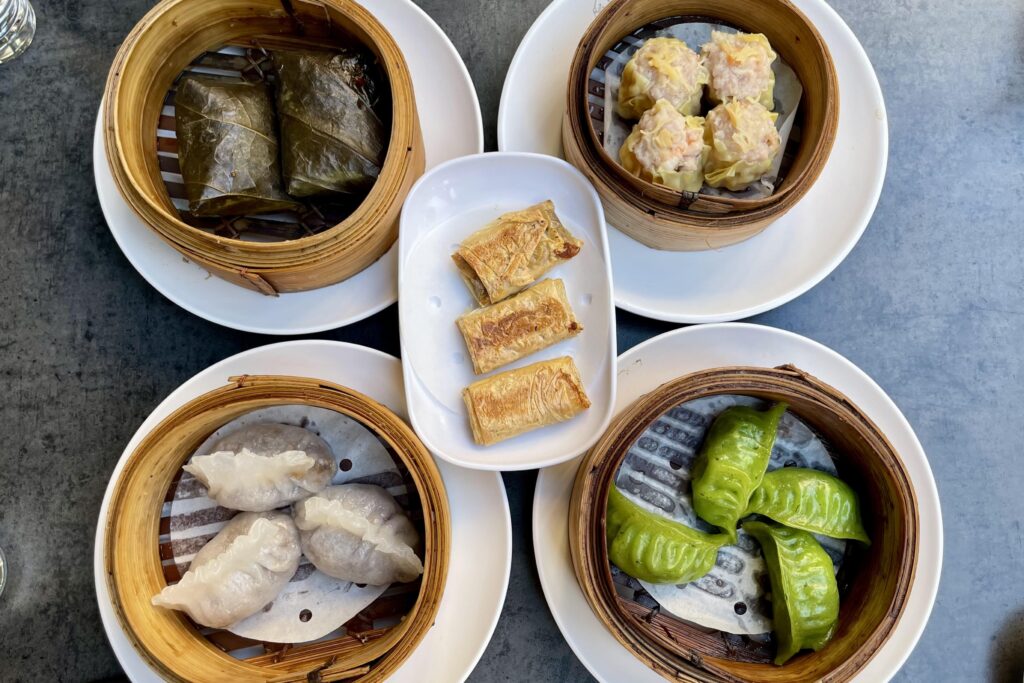
    D7 菠菜带子饺, or spinach scallop dumpling is like a flavor-packed emerald in the dim sum repertoire. Its translucent, emerald-green wrapper is colored naturally with fresh spinach juice, which gives it an earthy aroma that sets it apart.

    The skin is thin, soft yet resilient, perfectly encasing a succulent filling of spinach, scallops and fish. This combination is both refreshing and indulgent. The spinach lends a subtle, vegetal sweetness that complements the briny freshness of the scallops and fish. Together, they create a harmonious blend of land and sea.

    This dumpling is not only delicious but also light and easy to digest, making it a great choice for those who likes subtle yet layered flavors.

    D12 鲜竹卷 (Juicy Tofu Roll) features thin, layered tofu skin wrapped around minced pork and shrimp. The rolls are bathed in a savory blend of soy and seafood sauces and topped with fresh green onions for a fresh aroma.

    The golden-brown tofu skin glistens from the light coating of sauce, making it very appetizing. At first bite, the tofu skin impresses with its soft, multi-layered structure. Known as yuba, the tofu skin is made by simmering soy milk and lifting the thin layer that forms on the surface. Though thin and delicate, its ability to absorb flavors and retain moisture is excellent. Just feel how it releases the rich flavors of the juicy filling – the generously packed minced pork and tender shrimp – offering a full-bodied bite with every mouthful.

    The sauce adds a savory depth and umami, enhancing the natural sweetness of the shrimp and the meaty richness of the pork.

    D14 珍珠糯米鸡, also known as Lo Mai Gai, includes sticky rice and a hearty filling of chicken, pork, tiny dried shrimp, and mushrooms, all lovingly wrapped in fragrant lotus leaves.

    Unwrapping the lotus leaf is a sensory treat, as the warm, earthy aroma escapes, hinting at the flavors hidden within. The sticky rice shines with just the right amount of moisture, infused with the delicate herbal note of the lotus leaf. The rice is soft and chewy, with a rich, and slightly oily mouthfeel that’s indulgent, but not greasy.

    The steaming process melds all ingredients together, ensuring every grain carries the tender, silky essence of the chicken, enriched by a hint of luscious fat. Pork adds a hearty bite and savory depth, while tiny dried shrimp contribute bursts of umami and brininess. Mushrooms, with their subtle chewiness, weave everything together, balancing the richness of the meats.

    D18 潮州粉果 (Chaozhou Fen Guo) has its roots tracing back to the Ming Dynasty (1368 to 1644 CE). A hallmark of Teochew (a city in Guangdong Province) cuisine, these steamed dumplings boast a paper-thin, crystal-clear skin and a savory filling.

    The dumpling’s translucent wrapper is made using rice flour and wheat starch. The dough is kneaded to a silky perfection and steamed to achieve a glossy, semi-transparent sheen that glimmers like a jewel. It’s elastic and smooth, with a pleasant chewiness.

    As you bite into the 潮州粉果, the skin yields to reveal its flavorful filling: peanuts that bring a nutty crunch contrasting with the soft wrapper, slightly sour pickled mustard greens (酸菜), tender morsels of pork, and crisp bamboo shoots. It’s a combination of savory, tangy, and nutty, with an array of textures to keep each mouthful intriguing.

    DG1 萝卜糕 (Radish Cake) is known for its comforting texture and mild, soothing flavor. This dish features a smooth, soft interior with a slightly crispy golden-brown exterior.

    Made with finely grated white radish, the cake carries a subtle sweetness, yet you won’t see visible chunks of radish. Instead, the radish is finely integrated with glutinous rice flour. Tiny dried shrimp, or 虾米, lend a delicate umami that balances the mild taste. The overall taste is gentle yet layered, combining fresh radish, savory shrimp, and slightly sticky consistency of rice flour.

    DG5 紫菜卷 (Seaweed Rolls with Shrimp) is one of the most popular dishes at Dim Sum House, offering a crunchy skin and a savory, briny filling. These rolls are carefully wrapped in seetang (seaweed), adding a touch of natural umami and a slight oceanic aroma that complements the rich shrimp paste inside.

    As you bite into the crispy, golden skin, you’ll taste the shrimp’s briny richness and the seaweed’s fresh, salty notes. Together, the crispy outer coating and the tender, flavorsome shrimp filling make for a delicious treat that’s absolutely a joy to eat.

    DG9 香煎腐皮卷 (Pan-Fried Tofu Skin Rolls with Vegetables and Mushrooms) is a savory vegetarian dish. The tofu skin, made by crafting a thin, delicate layer from simmered soy milk, is rich in flavor and high in nutrients. The process is an art – the soy milk is heated slowly until a thin membrane forms on the surface, which is then carefully lifted and dried by skilled chefs. This tofu skin becomes golden and crispy when pan-fried, creating a crunchy outer layer with a slight chewiness.

    Inside, the rolls are filled with juicy vegetables and earthy mushrooms. Each bite reveals a burst of flavor. When dipped into soy sauce with spices or a splash of vinegar, the rolls sock up the savory goodness. Paired with the fresh filling, they create a mouthwatering combination that’s truly enjoyable.

    肠粉 (Cheung Fun) is a timeless Cantonese dish that has won hearts across Hong Kong, Guangdong, and beyond. This dim sum staple is made from a silky rice flour batter, steamed into soft, translucent sheets that are rolled into delicate bundles. The texture is the highlight — smooth, tender, and slightly elastic, making it such a joy to bite into.

    The rolls can be served plain, known as TF6斋肠粉 (Zhai Cheung Fun, a vegetarian option), or filled with a variety of ingredients. At Dim Sum House, we’d like to recommend:

    TF1 Char Siu Cheung Fun (叉烧肠)

    This roll is filled with Char Siu, a Cantonese BBQ pork that is slightly sweet, savory, and smoky. The pork is roasted to achieve a caramelized glaze with a hint of honey. The tender pork contrasts beautifully with the soft, smooth wrapper. A splash of light soy sauce enhances the umami flavor, balancing the touch of sweetness.

    TF3 Shrimp Cheung Fun (虾肠)

    This version features plump, juicy shrimp that bring a clean, oceanic sweetness. The shrimp filling is lighter than the BBQ pork, ideal for those who prefer delicate, refreshing flavors. The light soy sauce drizzled on top accentuates the shrimp’s natural sweetness, while the soft, silky rice roll complements the shrimp’s firm bite.

    TF8 Kou Shui Ji Si Cheung Fun (口水鸡丝肠)

    A bold and spicy option, these rolls are filled with tender shredded chicken and green onions, topped with doubanjiang (spicy fermented bean paste) and sesame seeds. The doubanjiang delivers a punch of umami, with a deep, spicy, and smoky flavor that goes wonderfully with the mild chicken. The fresh green onions and loads of nutty sesame seeds add crunch and fragrance. Together, the sauce and chicken, paired with the neutral, mild rice rolls, make for perfectly balanced bite that’s exciting and flavorful. 

    R1 皮蛋瘦肉粥 (Congee with Thousand-Year Egg and Pork) is a cherished dish in the Guangdong-Hong Kong-Macau region and is widely offered in congee houses and Cantonese restaurants. 

    This comforting congee starts with creamy, velvety rice porridge, the perfect base for its key ingredients: thousand-year egg and tender slices of lean pork. Thousand-year egg, despite its dramatic name, is a delicacy preserved using a traditional curing process that enhances its creamy texture and introduces a subtle brininess with mineral-rich flavors. Lean pork brings a savory depth, balancing the mild congee with its meaty richness.

    It’s a blend of savory, salty, and umami. With a distinct, almost earthy salinity of the eggs, every spoonful tastes complex yet gentle – deeply comforting. A drizzle of sesame oil and a sprinkle of fresh scallions enrich the flavor with nutty fragrance and a pop of freshness.

    Dim Sum House also serves many other congee variations and accompaniments, such as seafood or chicken congee, plain congee, and You Tiao 油条 (crispy fried dough sticks), a classic side for dipping into the congee for textural contrast.

    GN2 星州炒米 (Singapore-style Fried Rice Noodles) is a fragrant and flavorsome dish. Though the name references Singapore, this dish actually originated in Hong Kong and has become a staple in local tea restaurants, street food stalls, and dim sum houses.

    The thin, light rice noodles are stir-fried with a mix of curry powder and turmeric, giving the dish its signature golden color and slightly spicy, earthy undertones. This spice blend, married with the sweetness of Chinese BBQ pork (char siu) and the briny freshness of shrimp, creates a well-balanced, rich taste. Tender pieces of chicken and a soft fried egg add depth and comfort, while green onions, cilantro and spring sprouts lend a crisp freshness. Hearty yet light, this dish combines warmth, spice, umami, and freshness in every bite.

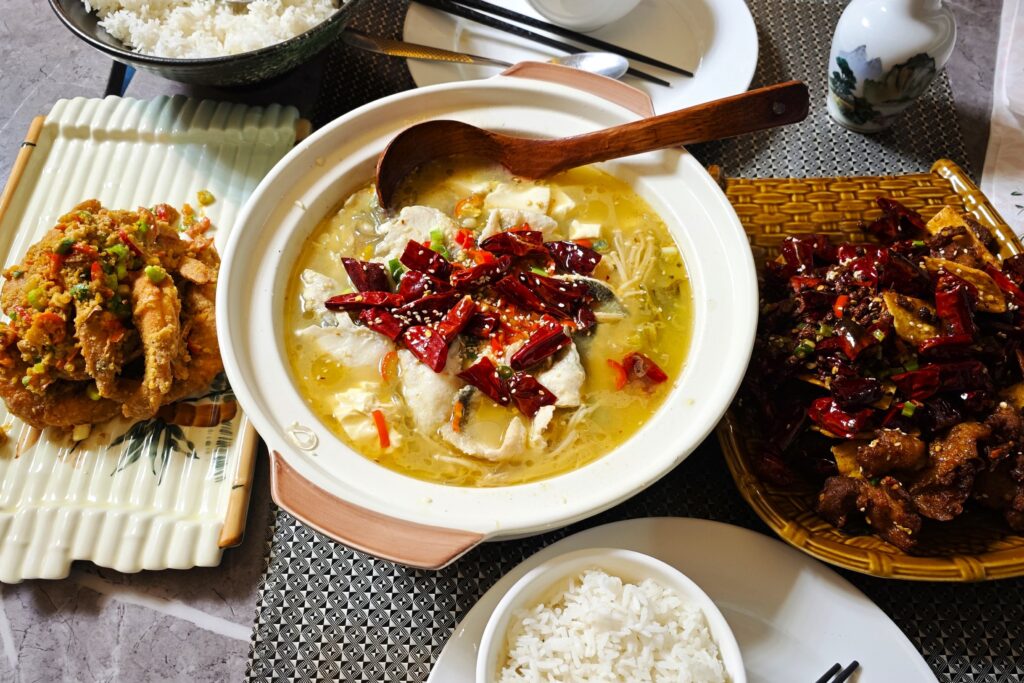
    Dim Sum House offers far more than what we have recommended. From the comforting soup to the fried rice and stir-fried foods, from 烧腊 (Cantonese Roasts) and 烧鸭 (roast duck) to tender braised dishes like 牛腩牛筋煲 (braised beef brisket) and 海鲜豆腐煲 (seafood and tofu pot), each is a story of tradition and culture.

    The simple yet familiar flavors, like a sensory journey transcending palate, evoke memories, emotions, and a sense of home that stretches across time and oceans. It reminds us that sometimes food can be a timeless bridge to the past, carrying with it the stories of those who came before. While savoring the taste of Hong Kong, its warmth and nostalgia, its mosaic streets and glowing neon signs, the aroma and chatter of tea houses, let the fragments of yesterday awaken, becoming vivid and tangible, once more.

  • Bombay Palace: A 20-Year Legacy of Indian Cuisine Excellence in Frankfurt

    Bombay Palace: A 20-Year Legacy of Indian Cuisine Excellence in Frankfurt

    Just steps away from the vibrant nightlife of Frankfurt’s Alt-Sachsenhausen district, the Indian restaurant Bombay Palace offers a warm dining atmosphere that blends rustic charm with intricate elegance.

    The restaurant’s décor focuses on carved wooden structures, with ornate elephant carvings and statues of deities that build a touch of spirituality to this place.

    The approachable, cozy ambiance is elevated by the owner’s exceptional hospitality. Cheerful and warm, they’re the kind of host who makes you feel instantly welcome—attentive but not overwhelming.

    Restaurant Profile

    When we eat Indian food, we love to keep the spice level as authentic as possible, going for Indian-level heat or close to it. That’s where our favorite mango lassi comes in – the creamy blend of sweet, ripe mango and tangy, cooling yogurt brings a soothing intermission as we savor the fiery, exciting Indian flavors.

    Our starter is hot, golden Vegetable Pakora, made with a mix of vegetables—tender potato, sweet onion, and fresh herbs—they are coated in a spiced gram flour batter and deep-fried to delicious crispiness. The flavors are savory and layered, each mouthful bursts with warm, fragrant Indian spices. A touch of heat adds an extra kick.

    It’s served with a cooling yogurt mint sauce, with a hint of spice with a touch of sourness. It balances the spicy pakora with a fresh, tangy contrast. A bed of spiced cabbage adds a crunch and an aromatic note that rounds out the dish.

    Naan bread here is sometimes served on the house – like a warm gesture from the kitchen that adds to the restaurant’s welcoming vibe.

    This naan is brushed with a mix of olive oil, melted butter, and fresh cilantro, giving it an appetizing aroma as it arrives at the table. The outside is lightly browned, crispy and smoky, while the inside remains soft and fluffy. Each piece tears easily, perfect for scooping up the rich, flavorful Indian curries.

    Speaking of Indian curry, the first main dish to hit our table is the irresistible Lamb Vindaloo from South Indian – a classic packed with rich, complex flavors. This dish is crafted from a special recipe that combines tender lamb pieces with potatoes and fresh ginger.

    What makes this vindaloo unique is the tangy, slightly sour kick from the vinegar, balancing the heat from the spices. The dish is seasoned with aromatic herbs like coriander, cumin, cloves and mustard seeds, which enrich the deep, savory flavor of the lamb. The lamb is slow-cooked until tender enough to break easily in your mouth and full-bodied with that slight, gamey richness distinctive of quality lamb. The dish has a definite heat to it, although you can ask the kitchen to tone it down.

    Bombay Palace pairs curry dishes with saffron rice. Its subtle floral note and a touch of luxurious sweetness nicely balance the spiciness of the vindaloo.

    Our next dish, the Special Chicken Tikka, features 3 large, boneless chicken fillets, marinated for a full 12 hours in a mix of yogurt, fresh ginger, golden saffron, garlic, and other Indian spices. This long marination allows the yogurt to really tenderize the chicken, while the spices infuse it with warmth and complexity.

    Grilled a traditional clay tandoor oven, the chicken develops a subtle smoky flavor while staying perfectly succulent with no char. Each piece is deeply flavorful, with a hint of saffron floral notes and a zesty kick from the ginger.

    This dish is served with shredded cabbage, onions, and carrots for a refreshing crunch. We had asked for a spicy sauce, made with chili powder (or Kashmiri chilies). It adds a peppery heat that builds slowly, making each bite more exciting as we eat.

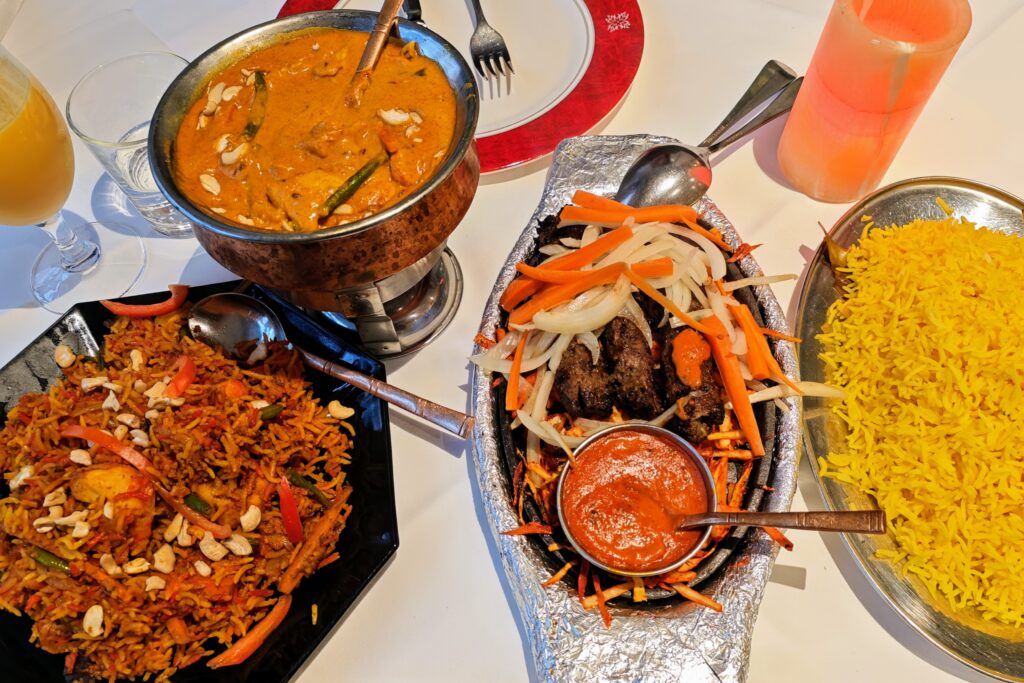
    Chicken Bombay is a chef’s specialty made from his own recipe. This dish includes tender chicken breast fillets in a rich, creamy curry, enriched with cashew nuts and an array of fragrant Indian spices.

    The curry itself is mild, with a slightly fruity undertone – an unexpected twist to the usual warm, earthy Indian flavors. It’s packed with various vegetables—zucchini, carrots, broccoli, and cauliflower – adding vibrant flavor and texture. A general sprinkle of cashews lends an extra creaminess and nuttiness, making each spoonful as luscious and comforting as it is unique.

    Lamb Seekh Kebab is one of our favorites. Made from minced lamb marinated with finely chopped onions, fresh herbs and a medley of warm spices, the flavors get to develop fully before the lamb is grilled in a traditional tandoor oven. The high heat gives the kebabs a light char while keeping the inside tender and juicy.

    What sets it apart is the complex seasoning – subtle heat from the garam masala, a warm earthiness from cumin and coriander, and a fresh zing from ginger and mint – each herb and spice elevates the deep, savory note of the lamb, making it truly irresistible.

    Served with fresh carrots and onions for a refreshing crunch, and a spicy dipping sauce that adds a peppery kick to complement the smokiness, this dish is great for those who crave bald, layered flavors!

    Chicken Madras is a bold and intensely spiced dish rooted in South Indian cuisine. It uses rich coconut-based curries, and is known for its fiery flavors and a nutty, creamy depth.

    The sauce is rich and velvety, infused with coconut milk and coconut flakes (dried coconut shavings), which add toasty crunch and a nutty sweetness that tempers the heat.

    The heat is an intense, layered spiciness that comes from several sources. The green chilies add a sharp burn, while the dried chili brings a smoky fire.

    A variety of peppercorns introduces a tingling, numbing sensation. Black pepper and spicy powders deepen the warmth, while curry leaves weave in an earthy, slightly citrusy aroma.

    The chicken is slow-braised to soaks up the rich, spiced coconut sauce. It’s tender, juicy, and carries the complex flavors of the marinade – garlic, ginger, turmeric, cumin, and garam masala, all working together to intensify the taste with every chew.

    Hidden within are long beans and onions, providing crunch and freshness that balances the rich sauce.

    Served with fluffy rice, the grains absorb the fiery, creamy sauce, making each mouthful a spiced, flavorful, velvety coconut goodness.

    Prawn Biryani is a super aromatic dish that brings together the delicate basmati rice, juicy king prawns, tender chicken and an array of spices. Warm cumin, earthy coriander, slightly citrusy cardamom, sweet cinnamon, peppery cloves and herbal bay leaves create a complex and mouthwatering base, all enhanced by rich curry sauce.

    Our Biryani has a striking red – golden hue, coming from the woody turmeric and floral saffron.

    The red chili powder (optional) gives it a fiery kick, adding intensity.

    What we really like about this biryani is the diverse ingredients. You’ll find green long beans, crisp carrots, and sweet bell peppers, lending a fresh sweetness to balance the heat. Cashews contribute a nutty richness to round off the fiery, aromatic curry sauce. Paired with succulent chicken, and plump king prawns, each rice grain absorbs all the flavors while remaining separate and fluffy. The mix of heat, richness and freshness makes this a comforting yet exciting dish that will leave you craving bite after bite!

    Bombay Palace, one of Frankfurt’s first Indian restaurants, has been operating for over 20 years. Its walls are lined with awards, testifying to its long-standing reputation. Besides the biryani, offered with seafood, meat or as a vegetarian option, the menu boasts an extensive array of grill and curry options – from the flavorful seekh kebabs (spiced skewers) and tender malai tikka (creamy kebabs) to the richly aromatic vindaloo (fiery, tangy curry), mild korma (creamy, mild curry), and tikka masala (rich, savory curry). Each dish, available with chicken or lamb, brings its own unique taste.

    At Bombay Palace, spice levels are carefully tailored to your liking. The staff thoughtfully checks your spice tolerance when you order. And for those seeking a warming kick, simply ask for an authentic, fiery sauce – it will certainly boost your circulation in winter!

    Vegetarians will also find a wide range of flavorful options, reflecting the importance of “Shakahara” (vegetarianism) in Indian culture. In India, vegetarianism is often seen as a symbol of health and status, deeply rooted in religious and historical traditions.

    The Indian cuisine is so rich and mysterious for its magical blend of spices and herbs that create complex, nutritious dishes. Bombay Palace showcases this beauty through its versatile dishes that promise a satisfying meal for newcomers and seasoned fans of Indian flavors alike.

  • Yuan 缘来: Bringing the Heart of Northeastern China Straight to Frankfurt

    Yuan 缘来: Bringing the Heart of Northeastern China Straight to Frankfurt

    Nestled in a quieter corner of Frankfurt, Yuan 缘来Restaurant is a charming escape into the Northern Chinese countryside. This hidden spot teems with a northeastern farmhouse vibe, also known as Dongbei Nongjia Yuan. This concept of Northeastern Farmhouse is deeply rooted in the rural culture of northern China, where hearty, rustic flavors and large shared plates bring people together.

    Restaurant Profile

    Surrounded by lush greenery, Yuan has a spacious courtyard complete with a children’s playground, convenient parking, and an open-air BBQ area, where they use charcoal grills that give an authentic, smoky flavor. It’s great for family gatherings, casual meals with friends, or a romantic dinner—and with many dishes served in generous portions, it’s especially ideal for sharing among bigger groups.

    Yuan has a wide array of Northeastern Chinese dishes so authentic they might just bring the locals to tears. With flavors unmistakably Northeastern, each dish stirs waves of nostalgia and an overwhelming sense of home.

    First up is Guo Bao Rou (锅包肉 or Fried Pork in Scoop), a classic that dates back to the Guangxu period (1871–1908) in the Qing Dynasty. Created by Chef Zheng Xingwen in Harbin, this dish turns savory fried pork strips into a legendary sweet-and-sour delicacy.

    This dish begins with thinly sliced, well-seasoned pork tenderloin coated in a light, flour-and-starch batter. The coating turns into an airy crunch as it’s deep-fried to a golden crisp. The pork is then quickly tossed in a sweet-sour sauce, finished with fresh cilantro and leeks that add a fresh, aromatic contrast to the fried richness.

    The pork inside is tender and juicy, harmonized by the tart-sweet sauce, with just the right touch of saltiness. It’s similar to schnitzel, but with thinner, even crispier slices, and an addictively bright, tangy finish.

    Northeastern Cold Potato Noodle Salad (Dongbei Da La Pi, 东北大拉皮) is a beloved hometown dish from China’s Northeast, known for its unique texture and fresh, savory flavor.

    Made mainly from potato starch, these translucent noodles are remarkably chewy yet tender. In fact, they’re so elastic that they can almost stretch like a rubber band.

    The noodles are topped with fresh ingredients: crisp cucumber and carrot, earthy wood ear mushrooms, fragrant cilantro, green onions, and thin tofu strips. A blend of soy sauce, aged vinegar, and garlic paste provides a savory, tangy base, while a thick, nutty sesame paste adds richness and a hint of sweetness. Served cold, with the creamy sesame dressing clinging to each noodle, every bite is refreshing yet indulgent, combining deep umami with a gentle tang for a classic Northeastern comfort taste.

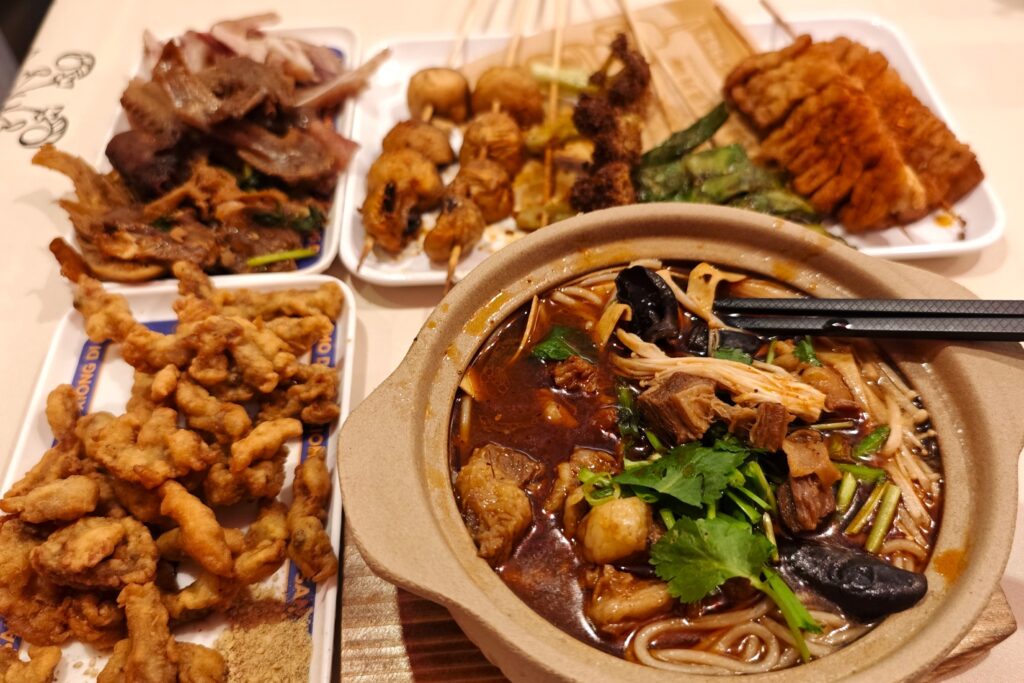
    Yuan’s menu brings the Northeastern BBQ straight from China to Frankfurt. With open-air grilling right next to lush greenery, it’s lively feast of rustic countryside flavors, with highlights like Lamb Skewers (羊肉串), Beef Skewers (牛肉串), and veggie options like Tofu Skin Rolls with Enoki Mushrooms (豆腐皮卷金针菇). A rare treat in Frankfurt, they even have the Grilled Chicken Rack (烤鸡架).

    Lamb Skewers are plump, generously seasoned, with a delicious mix of fatty and lean meat that renders an irresistible juiciness. Coated in cumin, chili powder, and pepper, the outside crisps to a caramelized crust, delivering a deep, earthy flavor with just the right touch of spice.

    Beef Skewers are leaner and slightly chewy, yet tender. The firm texture takes on the intense seasoning beautifully, with each piece infused with intense, smoky, bold flavors.

    Tofu Skin Rolls with Enoki Mushrooms are spicy and full of flavor. The thin tofu skin crisps up to a delightful chew, while the juicy enoki mushrooms inside soak up a spicy, slightly tangy marinade, creating an intense, lingering flavor that spice lovers will relish.

    Grilled Chicken Rack is a Northeastern specialty. It uses the cleaned backbone of the chicken, which is washed and trimmed of excess fat. Eating straight off the bone is as fun as it is delicious. The meat on the bone is packed with flavor, as grilling it bone-in locks in natural juices and brings out a deeper, richer taste. The bones absorb the smoky, charred essence from the coals, which then seeps into the tender meat. Every morsel is savory, spicy, with a crispy edge that gives way to tender, well-seasoned meat – a hearty, hands-on feel that’s deeply satisfying.

    This chicken rack isn’t listed on the menu and may not always be available, but it’s definitely worth asking for!

    Spiced Crispy Eggplant (风味茄子) is a delicious vegetarian dish. The eggplant chunks are lightly dusted with cornstarch and deep-fried until the exterior crisp up while the inside stays soft and tender.

    Once fried, the eggplant is tossed in a rich sauce mingled with Sichuan peppercorns, garlic, and a hint of sugar and soy sauce. This mix creates sweet-sour flavor with a subtle smokiness. The Sichuan peppercorns bring an enticing, numbing heat, giving each piece that unique, tingling sensation.

    The sesame seeds and fresh cilantro lend a bright, nutty note. The crispy skin fully absorbs the sweet-tangy sauce. It provides a spicy, savory crunch and contrasts beautifully with the mild, juicy inside. This dish is all about multi-layered textures and flavors, and it’s really unforgettable.

    Chicken Stewed with Mushrooms (小鸡炖蘑菇) is a super popular stew from Northeast China, combining tender chicken, earthy mushrooms, and slippery vermicelli noodles.

    Topped with fresh cilantro, the chicken chunks are cooked with fragrant ginger, scallions, and star anise, creating a warm, aromatic base. As the chicken simmers, its juices meld with the mushrooms, into a rich broth that’s thick, robust, and has a delicate balance of light sweet and savory. The mushrooms’ umami and fragrant earthiness wonderfully complement the succulent chicken.

    The vermicelli noodles made from potato starch (土豆粉) has a comforting, almost gelatinous quality that enhances stew’s smoothness. Its delicate taste nicely balances the robust flavors of the chicken and mushrooms.

    The chicken is stewed with skin and bones. The marrow and skin fat are released into the broth, giving it a deep, silky mouthfeel. The skin has a soft chew, while the meat is melt-in-your-mouth tender, its juicy goodness falling effortlessly off the bone – making every bite burst with flavor!

    In a region known for its harsh winters, stews hold a significant place and are household staples. Enter 一锅出, or “Everything in One Pot,” a traditional stew from Northeastern China that reflects the rustic, hearty spirit of rural life. Served in an iron pot right at the table, this dish is all about the communal, no-frills style of local dining.

    This stew features generous portions of tender pork ribs, mixed with green yundou (long green beans), corn and soft potatoes. The tender pork ribs, braised to absorb the full aroma of fresh vegetables and herbs, lend a savory, subtly sweet depth to the broth. So rich and warming, each sip reveals earthy sweetness of the beans, starchy creaminess of the potatoes, and a sweet crunch of the corn.

    Hearty pancakes rest atop the ingredients. Traditionally, in rural villages, these pancakes are pressed along the edges of the iron pot, but here at Yuan, they’re spread across the surface of the stew, soaking up the broth’s flavors. With one side golden and crisp, the other soft and chewy, the pancake becomes a sponge of rich savoriness.

    Altogether, 一锅出 is a dish with straightforward, homestyle appeal—no fancy garnishes or elaborate seasonings, just humble ingredients patiently cooked to warm you to the core.

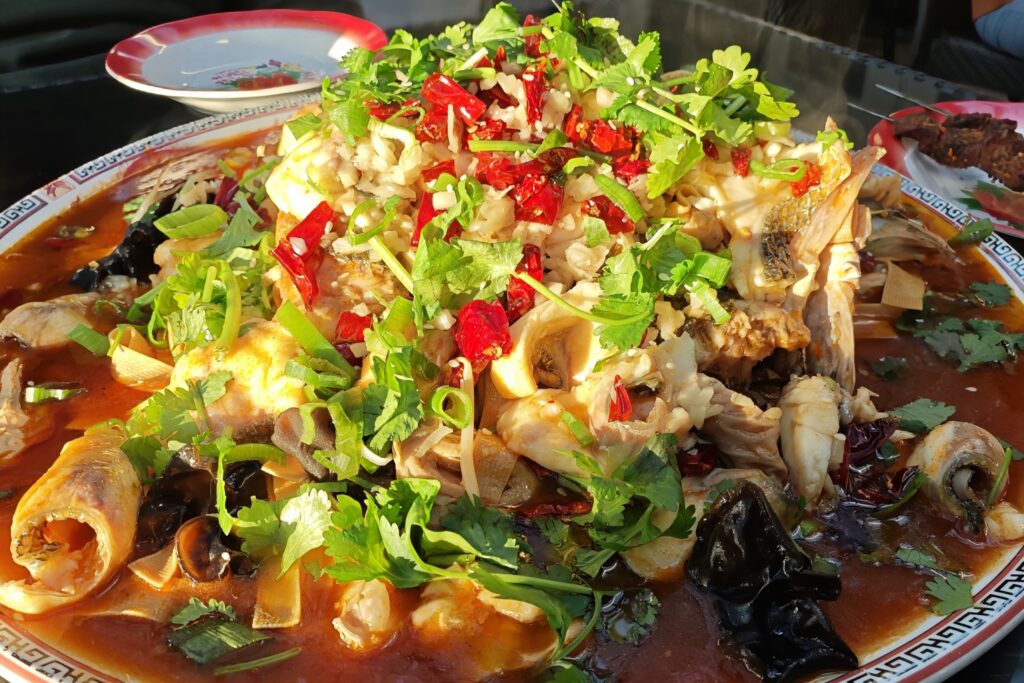
    肥肠鱼, or “Fish with Pork Intestines,” is a bold and flavor-packed dish that combines whole fresh fish, chopped and cooked with the bones intact, alongside succulent pork intestines. When served, the fish bones are mostly removed, leaving behind a few large bones that are easy to detach. The generous amount of both fish and intestines makes this dish a real feast.

    Marinated with baijiu (Chinese white liquor), green onions, ginger-infused water, and salt, the fish’s natural flavors come alive. Coated with egg white and cornstarch, the fish is tender yet firm, holding its shape while keeping a velvety softness. Enriched with oils and spices, the fish skin is deeply savory, while the meat is incredibly tender and flavorful.

    The pork intestines, juicy, tender, and richly flavored, take on a subtle smokiness from the broth and spices. With a chewy, almost creamy texture, they complement the delicate fish nicely. Their distinct heartiness, with spicy, savory notes, creates a lingering warmth that fills each bite.

    A variety of vegetables—soft tofu, crisp bean sprouts, and wood ear mushrooms—layer the dish, bringing an earthy, crunchy contrast. Topped with fresh cilantro and dried chili, 肥肠鱼 has a fiery kick and a garlic-forward aroma.

    This dish offers full sensory experience—its vibrant colors, intense aromas, and unique taste make it hard to resist, especially for those who crave bold flavors.

    Yuan specializes in hearty stews, offering an impressive lineup with pork, chicken, goose (available on request and must be booked in advance), fish and seafood. They are made to share, with portions that are often too large for two and best enjoyed with three or more people. For smaller groups, the stir-fries are a better choice—whether veggie-focused, meat-centric, or some delicious grills—all at very reasonable prices.

    Northeastern China is a region of vast landscapes and sparse population, giving rise to a remarkable natural bounty: over 70 types of poultry, 50 varieties of livestock and game, 100 kinds of fish, and a wealth of fruits, vegetables, and grains. This abundance has shaped the culinary richness of this region, and you can taste it in Yuan’s dishes through their generous portions and rich flavors. Each plate flaunts the region’s unrestrained spirit and its devotion to hearty, memorable meals – bringing true Northeastern Chinese feasts straight to Frankfurt.

  • Kushiya Ichikawa: A Japanese Izakaya Experience You Can’t Miss!

    Kushiya Ichikawa: A Japanese Izakaya Experience You Can’t Miss!

    Today, we’re really excited to take you to one of the most authentic Japanese restaurants in Frankfurt, highly recommended by a trusted friend. This place has received so much praise that we were told – if you’re running a food blog focusing on authentic Asian cuisine and you don’t include this place, well, let’s just say it might raise a few eyebrows. So, we hurried over —and fell head over heels! We’ve been back time and again, gathering our favorite dishes to share with you.

    Walking in, we felt like being taken straight to Japan. The cozy ambiance channels the true spirit of a traditional izakaya, with warm yellow lighting and an intimate layout that sometimes feels a tad snug. This isn’t a sprawling space; it’s all about quality over quantity. The menu is hand-written, and the illustrative paintings of the dishes on the walls make it easy for diners to visualize their options.

    Restaurant Profile

    We have a tempting selection of dishes to introduce, so let’s dive right in!

    The first appetizer is a stunning sashimi trio (S1. 海鮮三種盛 Kaisen Sanshu Mori) – featuring flame-seared bonito, salmon tartare, and lightly torched scallops.

    Starting on the left, the scallops are incredibly tender, their delicate sweetness combined with a hint of caramelization perfectly accentuating their freshness. They’re topped with fresh caviar that bursts with juicy, briny flavors, and complemented by onion and microgreens for a crisp, aromatic finish.

    In the center is the salmon tartare, seasoned with soy sauce for a savory depth. The texture is buttery and smooth, with a sprinkle of onions and spring onions adding a subtle pungency. The thin nori strips on top bring a fishy, briny flavor that pairs well with the salmon’s natural, rich tenderness.

    On the right, the flame-seared bonito offers a slightly firm yet tender bite, with a rich, umami taste deepened by a delicate smoky aroma. Dressed in soy sauce, it carries an iron-like mineral undertone, balanced by fresh greens and spring onions for a refreshing lift.

    As beautiful as it is delicious, this trio offers a multi-sensory experience that honors the elegance of Japanese sashimi.

    At Kushiya Ichikawa, where sashimi dishes are limited but each one feels like a standout, we discovered a unique and rare find: S3. 鶏レバー刺身 (Tori Reba Sashimi), also known as Liver Sashimi, or Kikok Chicken Liver Sous-Vide. This dish is carefully prepared using the sous-vide technique, which gently cooks the liver at low temperatures, to keep it silky and tender while preserving its natural flavors.

    Served with ginger paste, wasabi, and a sprinkle of white sesame seeds, each bite gives a delicate balance of fresh, bold flavors. The liver’s pink-red hue glows under a delicate drizzle of garlic-infused oil, which enhances its savory richness.

    Dip it in the soy sauce and you’ll get pure umami – with a soft, buttery smoothness that melts on the tongue – what a comforting and luxurious experience.

    After indulging in the rich dishes, it’s time for a refreshing change with a veggie starter: A1. ほうれん草と揚げ豆腐のおひたし (Ohitashi). This dish is served cold and features blanched spinach with crispy fried tofu.

    The spinach, with its bright green color and tender texture, offers a clean, crisp taste. The cooling effect makes it a perfect palate cleanser. The fried tofu, golden-brown on the outside, tastes very light and soft. The bonito flakes on top contribute a smoky, savory depth, while the dashi-based dressing adds a delicate sweet and savory notes that highlight the natural flavors of the ingredients.

    Next up is an absolute must-try: S10.和牛の柳川風 (Wagyu Yanagawa). This sensational creation features tender, slow-cooked Wagyu beef paired with black salsify, onions, and a creamy scrambled egg, all bathed in a soothing broth.

    The Wagyu beef is remarkably tender, thanks to the cattle’s careful raising on a nutrient-rich diet in a stress-free environment. This results in exquisite marbling that makes Wagyu melt in your mouth. Each bite is a luxurious experience, with the beef practically dissolving on your tongue, releasing its rich, buttery flavor.

    The black salsify lends an earthy, slightly nutty note with a firm texture that contrasts wonderfully with the tender beef and velvety eggs. The eggs are gently cooked to a soft, luscious consistency, bringing a rich, creaminess.

    The umami-filled broth, infused with sautéed onions, has a sweet undertone that balances the savory elements. Each mouthful is a comforting experience—smooth, rich, and indulgent—melting in your mouth and warming your heart. This dish is total satisfaction!

    E5.牛タン (Gyūtan) is a delicious dish that originated in Sendai, Japan, shortly after World War II, and has since become a popular staple in izakayas. This dish features tender, grilled beef tongue, simply seasoned with salt and a hint of wasabi, accompanied by fresh green onions, crisp lettuce leaves, juicy cherry tomatoes, and a zesty wedge of lime.

    The beef tongue is tender, rich and meaty, with a hint of fat that makes for a luxurious mouthfeel. The outer layer, slightly charred, has a pleasant smoky flavor, while the inside remains juicy and pink. Each bite boasts savory richness, enhanced by a sharp kick of wasabi.

    A squeeze of lime adds a refreshing zing, while the fresh green onions and crisp lettuce bring a burst of freshness. Sweet cherry tomatoes balance the savory notes for a well-rounded, exquisite flavor experience.

    B5. 豚キムチ Buta Kimchi is a sizzling pan-fried pork belly dish combined with tangy kimchi – a fusion of Korean-inspired notes and Japanese culinary style.

    Each ultra-thin, tender slice of pork belly captures maximum flavor, blending so well with the gentle heat and sour tang of kimchi. Although milder than in traditional Korean versions, the kimchi’s subtle spice and fermentation add a nice depth to the savory pork.

    Arriving slightly soupy, Buta Kimchi is garnished with green onions, crisp lettuce salad, cherry tomatoes, and a touch of creamy mayo. A few bean sprouts round out the fresh, spicy, and savory goodness. With hints of acidity, spice, and a slight sweetness from the onions, every bite is a flavorful and satisfying.

    E8. 椎茸Shiitake (Kräuterseitlinge Pilz mit Tare-Sosse) features grilled king oyster mushrooms drenched in tare sauce, delivering earthy flavors with subtle sweetness.

    These tender mushrooms are beautifully wrinkled outside, locking in their rich juiciness. Known for their meaty texture and umami-rich flavor, king oyster mushrooms tastes very savory, which is only enriched by the sweet, flavorful tare sauce.

    The dish is topped with fresh spring onions, lending sharpness to the mushroom’s softness. A bed of crisp cabbage adds crunch. Simple yet tasty, this dish is a perfect blend of freshness and umami.

    Within the diverse grill offerings of an izakaya, skewered chicken is especially well-known, using various parts of the bird, including chicken meatballs, hearts, skin, gizzards, and even stomach. You can find them all at Kushiya Ichikawa, and each is worth trying!

    Our top recommendation is D6. つくねTsukunechicken meatballs served with tare sauce and a rich egg yolk.

    The tender and juicy meatballs are served on a hollowed-out bamboo plate and topped with fresh greens. The meatballs are lightly charred on the outside for a smoky depth. Cut into four succulent pieces, they have a golden-brown surface while remaining incredibly soft and meaty on the inside.

    Mix the egg yolk well with tare sauce for a delicious dip that gives you a rich, indulgent mouthful. The sauce seeps deep into the meatballs, creating a savory, velvety bite that is both creamy and light. Tsukune really stands out among the various grills at Kushiya Ichikawa!

    Next must-try chicken skewer is D7. ささみSasami – succulent chicken tenderloin seasoned with salt and wasabi.

    The Sasami skewer has golden-brown exterior with a delicious charr. It’s topped with delicate cubes of wasabi and nori. The wasabi’s strong flavor really packs a punch, especially when heated, as cooking intensifies its spiciness, causing the pungent aroma to waft right up to your nose. The tenderloin itself is very tender, subtly sweet, with a savory note from the salt. Together, they make for a tempting bite that plays with your senses and entices you to savor more.

    Just a heads-up – the wasabi offers a sharp, invigorating kick! If spice isn’t your thing, you can also opt for ume (plum) instead of wasabi, which gives it tangy, fruity flavor with a hint of sweetness.

    Next on our grill list is the E3.あらびきウインナー Arabiki UinnaJapanese sausages. These plump, juicy links are similar to German bratwurst but with a Japanese twist.

    Served with a side of creamy mayonnaise and tangy mustard, the sausage glistens with a tantalizing sheen that hints at its juicy, flavorful taste. Each bite balances sweetness and smokiness, complemented by the rich, fatty goodness of the sausage.

    It’s one of those simple comfort foods that you’ll find yourself ordering again and again before you know it!

    Izakayas are known for their fried delicacies, like the ever-popular Karaage, and Kushiya Ichikawa is no different. But here, among their many crispy delights, their Katsu is the real standout. Katsu is a breaded and deep-fried cutlet, and at Kushiya Ichikawa, you’ll find it made with a variety of meats—chicken, beef, or pork. Among the various options, one highlight is the F6. 牛タンメンチカツと半熟卵カツMenchikatsu. This dish takes this concept to the next level by using a unique ingredient: minced calf tongue, creating a rich and indulgent flavor.

    At first bite, you’ll fall in love – the golden, crunchy exterior gives way to a succulent, juicy interior that practically falls apart without chewing. The coating is even and generous, with a crispier, flakier crust compared to regular breadcrumbs. Calf tongue filling is rich, tender, mildly sweet, with good amount of intramuscular fat, which results in a deep, savory flavor that’s both meaty and gratifying.

    It’s served with a side of creamy mayonnaise and tonkatsu sauce, which is a sweet and tangy condiment that complements the savory flavors. Fresh lettuce leaves, sweet cherry tomatoes, and shredded cabbage add a refreshing balance. An expertly half-cooked, crusted egg, with its shiny orange yolk exuding creaminess and freshness, makes each bite feel even more luscious.

    Enjoy it on its own or pair it with a bowl of rice for a well-rounded, hearty meal!

    G7. 親子丼Oyakodon, a cherished Japanese comfort dish, is rice bowl with tender chicken thighs, softly scrambled eggs, and a medley of toppings. The name Oyakodon itself is poetic, meaning “parent and child bowl,” reflecting the harmonious union of chicken and egg, in both flavors and essence.

    The bowl is served with chopped green onions, tangy red ginger, and a sprinkle of shredded nori, adding color and aroma. The half-cooked, creamy scrambled eggs seamlessly meld with the tender, deboned chicken thighs, like fish sliding into water. The chicken thigh has a slight bounce, bringing out its natural sweetness and delicate savoriness that enchants you with every spoonful.

    Underneath is the fragrant rice, each grain slightly soaked in a light, flavorful broth. The soupiness is what makes this dish so soothing. With the sweet, soft onions tying all flavors together, it’s a simple, yet heartwarming classic that’s hard to resist!

    Now, prepare to be transported to a realm of heavenly bliss with the final dish – G11. A5 和牛肩ローススキ丼Wagyudon. This luxurious rice bowl is made with exquisite A5 Wagyu beef, renowned for its unparalleled marbling and tenderness. This dish is the highlight of all highlights. It literally melts, and it melts away any cares you may have with it!

    A5 Wagyu beef is one of Japan’s most prestigious cattle breeds cultivated since 1956. Known as “snowflake beef” for its distinct marbling, the meat boasts a rich, beefy flavor that is both succulent and buttery. It practicallydissolves in your mouth, requiring no effort to chew. The exquisite fat glistens like crystal, enhancing its juicy richness.

    Atop fragrant, lightly roasted rice, the Wagyu is paired with a soft-boiled egg—its golden yolk, creamy and luscious, cascading over the meat and rice like a silky sauce. It mingles beautifully with the tender beef and allow the fluffy rice to soak it all up, along with the meat’s savory juices.

    The red ginger lends a zing, the green onions and celery contribute a fresh crunch, and the caramelized onions’ rounds out the flavor. Together, they turn every bite into a direct route to paradise!

    Thank you so much for reading all the way here! This article may be long, but with so many incredible dishes, we couldn’t leave out any of them. Before we wrap up, here’s a quick look at two house-made desserts: Sesame Ice Cream and Matcha Ice Cream.

    Sesame Ice Cream is a little creamy yet with a refreshing, almost-sorbet (dairy-free) quality that feels light and not overly rich or milky. Its restrained sweetness allows the rich, nutty depth of sesame to fully come through — a mellow earthiness with warm, roasted notes that feels pure and memorable.

    Matcha Ice Cream brings a delicate balance between light sweetness and a touch of tea’s natural bitterness. The matcha flavor is unmistakable – grassy, slightly astringent notes of green tea. It’s topped with sweet, earthy red beans, adding a soft, starchy texture to enrich the ice cream’s smoothness.

    These desserts are simple yet beautifully made, perfect for rounding off a nice dining experience.

    When dining at an izakaya, it’s common to start with appetizers and sashimi, then move on to simmered or grilled dishes, and finally, enjoy a hearty main course or soup and, if you like, a dessert. Unlike typical dining where you order everything at once, the izakaya style is more about pacing—ordering two or three dishes at a time, savoring each, and adjusting following orders based on your appetite.

    At Kushiya Ichikawa, you can try this authentic izakaya style. With limited tables and guests, dishes arrive quickly, so you can enjoy each flavor without long waits. The menu spans sashimi, fried foods, skewers, grills, rice bowls and noodles in various styles—all crafted with the utmost care. With such variety, you’re sure to find the right ensemble for a wholesome meal. And we recommend making a reservation one week ahead—walking in might leave you without a seat!

  • La Cevi: A Masterpiece of Peruvian Fusion Cuisine in Frankfurt

    La Cevi: A Masterpiece of Peruvian Fusion Cuisine in Frankfurt

    Welcome to La Cevi, a Peruvian restaurant where every detail speaks of creativity, innovation, and sophistication. The name “La Cevi” may be playful nod to ceviche, Peru’s iconic seafood dish, hinting at restaurant’s strive to reimagine Peruvian flavors with an exquisite, international twist.

    The atmosphere feels both stylish and inspired. The round patterns on the ceiling might remind you of rippling water, while the blackboard wall with colorful drawings of fish, seafood, and marine symbols add to the artistic ambiance, telling Peru’s deep connection to the ocean.

    The décor really mirrors the philosophy of the cuisine itself—continuous exploration and fusion, often with an unexpected Asian touch. At La Cevi, the menu isn’t extensive, but each dish is a thoughtful creation.

    Restaurant Profile

    Before we dive into the food, there is one drink we must mention – the Pisco Sour, Peru’s most iconic cocktail. It blends Peruvian pisco, fresh lime juice, a hint of sugar, a dash of Angostura bitters, and a silky crown of egg white foam.

    Pisco, a grape-based brandy native to Peru, is distilled from select grape varieties, offering a smooth, fruity base that pairs beautifully with citrus.

    From the first sip, the fresh, citrusy brightness awakens your palate, balanced by a delicate sweetness from sugar. Angostura bitters introduce a nuanced complexity, while the velvety egg white foam creates a luxurious creaminess that rounds out the flavor. Together, it’s layered and refreshing, with a unique indulgence that lingers.

    Peru loves its Pisco Sour so much that it dedicates a day to celebrate it: National Pisco Sour Day, held every first Saturday in February. One sip, and it’s easy to see why.

    C3 Ceviche Mixto combines the fresh ingredients from the sea with the zesty punch of lime. This dish includes red snapper, alongside octopus, cuttlefish, shrimp, and mussels, all tossed with fresh cilantro, raw onions, and chili. Paired with sweet potatoes, roasted cancha corn, and peanuts, the colorful presentation is just as inviting as the flavors.

    The tangy brightness of the lime marinade infuses the dish with a fresh, citrusy zing. The red snapper and seafood boast a firm texture and a briny, oceanic taste, balanced by the nutty crunch of toasted cancha corn and peanuts. The octopus has a slightly chewy, springy bite that contrasts with the tender, flaky fish, while the crisp raw onions and cilantro add a fresh, pungent edge.

    Take a scoop of sweet potato along with plump shrimp, and let their natural sweetness melt together deliciously in your mouth. Meanwhile, the chili gives just enough heat to keep things lively. The result is a magical blend of tangy, sweet, spicy, and savory – light and irresistibly refreshing.

    Ceviche is a dish with a rich history – a national symbol in Peru, celebrated annually on June 28th as Ceviche Day. Its roots trace back over 2,000 years to the Moche civilization, where fish was marinated with local fruits and chilis. The addition of lime, which “cooks” the seafood by denaturing its proteins, adds a modern scientific twist to an ancient tradition.

    H4 Seco de Carrilera, a Peruvian masterwork, features beef cheeks cooked sous vide for an extraordinary 45 hours. Sous vide (French for “under vacuum”) is a cooking technique where food is sealed in an airtight bag and cooked in a precisely controlled water bath, to ensure even cooking and retain the food’s moisture and flavor.

    The result is meat so tender and soft that it’s served exclusively with a spoon—testifying its melt-in-your-mouth texture. Imagine scooping up meat as effortlessly as cream—luxurious, rich, and utterly satisfying.

    The beef’s natural gravy is enriched with a gentle curry aroma, balanced by a subtle sweetness and earthy depth from a savory, dark sauce. Beneath the meat are mashed potatoes for a smooth, hearty base. Bright garnishes of microgreens, fresh chili, and onions lend freshness and a bold kick of heat.

    The aromatic jasmine rice is delicately scented with sesame oil, exuding a comforting fragrance. Accompaniments like baby corn, carrots, and fresh parsley bring a light sweetness and crunch, rounding out the plate.

    H7 Ensalada Nikkei is a fusion of Japanese and Peruvian culinary traditions. Nikkei cuisine emerged from the Japanese-Peruvian cultural exchange, starting with Japanese immigrants in Peru in the late 19th century.

    At the core of this dish is an expertly seared tuna steak, coated in a crunchy quinoa crust. Tuna steak has rich, fresh, and meaty flavor. It’s cooked to a tender rare center, offering a clean, oceanic taste. Its natural flavor is delicate but robust enough to stand up to the other ingredients, providing a smooth contrast to the nutty, crisp quinoa coating.

    The salad is a mix of crisp cucumber, peppery radishes, creamy avocado, and aromatic cilantro. Its tangy undertone is complemented by the sweet, crunchy roasted almonds.

    The dressing – made with soy sauce, sesame oil, and house-made Peruvian mayonnaise – is slightly sour, rich, and layered with umami. Lightly salted avocado offers a creamy, buttery contrast to the citrusy lime mixed within. Each element here is nuanced and refined, enhancing every bite without overpowering the delicate flavors of the tuna and vegetables.

    H3 Tacu Chaufa is a stunning Chifa cuisine—melding Chinese and Peruvian food traditions during the wave of Chinese immigration to Peru in the 19th century. This dish features fried rice and succulent pork belly as its heart.

    The pork belly, cooked sous vide for an incredible 30 hours, is incredibly tender and juicy, with a crisp, golden-brown exterior. Addition of fresh parsley, microgreens, finely chopped raw onions, and fresh chili lend freshness and heat to each bite. A hint of tartness comes from salted avocado with lime, cutting through the meat’s richness.

    Beneath the pork lies Kamameshi-style rice (or Japanese “kettle” rice), fried until crispy and layered with hearty white beans, crunchy cereal bits, and rustic potatoes for a comforting base. Aji Amarillo, a signature Peruvian yellow chili, brings a citrusy, mildly spicy kick that elevates the dish, while red berries give a sweet-sourness and a delightful visual flair.

    Peruvian cuisine is a true celebration of diversity – from its abundant inland harvests – 14 varieties of quinoa, over 55 types of corn, 200 kinds of sweet potatoes, more than 300 chili varieties, and an astonishing 3,800 potato varieties – to its fertile oceans as one of the world’s top fishing grounds.

    What takes its food diversity to a next level is its inclusivity. Over centuries, Peru has embraced influences from countless cultures: the Inca Empire, Spanish colonizers, and waves of immigrants from Italy, Japan, China, and Africa. This cultural exchange has shaped Peruvian dishes into something wholly unique. Good examples include Japanese-inspired Nikkei cuisine to Chinese-Peruvian Chifa and Italian-infused Bachiche.

    At La Cevi, the menu may not be long, but every dish exemplifies this organic, seamless evolution of “fusion” cooking, uniting history, culture, and identity. Beyond what we talked about, dishes like Lomo Saltado (a stir-fried beef dish combining Andean flavors with Chinese wok), Arroz con Mariscos (a Peruvian take on Spanish seafood paella) and Ceviche Tradicional (raw red snapper) are all fine illustrations of Peruvian culinary artistry and inclusivity on a global stage.

  • Sonamu: A Taste of Classic Korean Flavors and Culinary Heritage

    Sonamu: A Taste of Classic Korean Flavors and Culinary Heritage

    Today, we’re introducing a restaurant that will surely resonate with many Korean food lovers. Located in the bustling Berger Street, this restaurant, Sonamu — meaning “pine tree” in Korean — instantly draws you in with its natural charm.

    Just like its name, the restaurant’s design is deeply inspired by wood — from the rustic exterior to the cozy interior, you’ll find wooden elements everywhere, creating a simple, comfortable environment. Step outside and you’ll find a space partly surrounded by bamboo, adding a touch of serenity to this urban retreat. It’s a great place for both casual meals and business gatherings.

    Restaurant Profile
    • Name of the Restaurant: Sonamu
    • Adress: Berger Str. 184, 60385 Frankfurt am Main
    • Style: Korean Cuisine – street food, dumplings, noodles, rice bowls, stir-fries, stews
    • Price: around 25 – 35 EUR per Person (incl. drinks and tips)

    Bae Tschu Tschon makes for a nice appetizer, setting the stage beautifully for the rest of the meal. This crepe is made from fresh napa cabbage leaves, delicately cooked on a wheat-based batter. It’s fluffy and soft inside, with a lightly crisp, golden-brown exterior. Served with a savory soy sauce dip that adds a touch of umami, the flavors remain simple yet comforting, letting the fresh taste of the flour take the spotlight.

    The presentation of this dish is very thoughtful. Imprinted on the pancake is a cabbage leaf shaped like a tree, a subtle nod to the restaurant’s name. It’s a small detail that ties the dish to the restaurant’s natural, calming vibe. With its light, comforting tastes, Bae Tschu Tschon sets a soothing foundation and prepares your palate for the flavors to come.

    Galbi, or Korean braised short ribs, is a heartwarming dish traditionally enjoyed during special occasions in Korea, symbolizing warmth and family gatherings.

    These beef ribs are marinated in a delicious blend of soy sauce, honey, and apples, creating a sweet, savory, umami taste. A hint of chili brings a slight kick. Slowly simmered, the ribs become incredibly tender, with just the right mix of lean and fat that makes each bite rich and indulgent.

    It’s served with a variety of ingredients, including soft potatoes, carrots, fresh green onions, egg strips, peppery arugula, and broccoli, all contributing to balanced texture and flavor.

    The broth is surely a highlight, with its deep, savory notes that are so heaty and flavorful you’ll want to savor every sip. Eat the rips with a fresh crunch of onions, and you’ll have an exciting contrast that elevates the rich, tender meat while providing a refreshing lift from the sharp, slightly pungent onions.

    Bul Go Gi is certainly one of the most iconic dishes in Korean cuisine and a staple in many Korean households. This tasty stir-fry features tender meat marinated in a tantalizing mix of say sauce, ginger, garlic, leeks and mushrooms, and balanced with sweetness of apples, Korean pears, as well as honey.

    At Sonamu, you can customize your Bul Go Gi with a choice of meats, including chicken leg (with bones removed), beef short ribs, and pork neck. While the beef version is the classic choice, we opted for the duck breast variant, Bul Go Gi Ori, which offers a uniquely deep, rich flavor. The mouthwatering marinades, especially Korean pears, with its naturally heightened sweetness, not only tenderize the meat, but also infuse it with a subtle fruity taste. They enrich the flavor and make the meat super moist and aromatic.

    The veggie ingredients, including carrots, green onions, rucola, mushrooms, onions, broccoli, green beans, and glass noodles, pairs supremely with juicy, slightly chewy meat, highlighting its savory, slightly sweet taste.

    The side soy sauce soup is rich, nutty, smoky, and fairly salty, so it’s best enjoyed in moderation. Bul Go Gi also comes with a bowl of rice, which, at Sonamu, looks a bit purple, indicating it’s made from a blend of grains. This adds a nutty flavor and additional nutrients to the meal.

    Kim Sam Bok is a fiery Korean stir-fry. This dish features tender pork neck, a good mix of lean and fat, stir-fried with sour, crunchy kimchi (fermented, spicy, sour vegetable) and a generous helping of Korea’s famous gochujang—a spicy chili paste that adds depth, heat, and a hint of sweetness. This iconic condiment gives the dish its signature kick with an earthy, umami-rich flavor that’s really memorable.

    The rich flavors of the pork are complemented by soft tofu, glass noodles, and sweet carrots, all topped off with black and white sesame seeds and fresh, peppery arugula for a fresh, nutty crunch. The interplay of tangy, fermented kimchi and the juicy, savory pork creates layers of flavor, making it spicy and packed with taste.

    If you’re seeking a bold, spicy experience, Kim Sam Bok is a great choice – with heat, tang, and umami all in one dish.

    Bibimbap is one of Korea’s most beloved dishes. It’s a balanced rice dish topped with a variety of vegetables and seasoned with sesame oil and spicy chili paste. At Sonamu, you can enjoy Bibimbap in two ways – either in a warm ceramic bowl with a fried egg and fresh arugula, or in a sizzling hot stone bowl (Dol Sot Bibimbap) with raw egg yolk, apple strips, and arugula. We chose the Dol Sot version, where the hot stone bowl crisps the rice and helps blend the ingredients as they are mixed at the table.

    This dish can be made vegetarian or with various meats, such as beef, chicken, duck, or pork. We went for chicken that brings a tender, juicy layer to the mix.

    It is accompanied by bamboo shoots, wood-ear mushrooms, shiitake mushrooms, eggplant, iceberg lettuce, zucchini, and a touch of chili. Plus, it comes with extra chili paste to kick up the heat!

    Mix them well and let the flavors unfold —smoky, slightly sour, and mildly spicy, with a fresh, light touch from the veggies. The raw egg yolk melts into the rice, creating a rich creaminess, while the sizzling bowl gives the bottom rice a nutty, toasted crunch, balancing the fresh veggies and rich egg yolk.

    If you’re looking for flavors, textures, and healthy ingredients, Bibimbap is the meal for you, offering comfort and excitement in every bite.

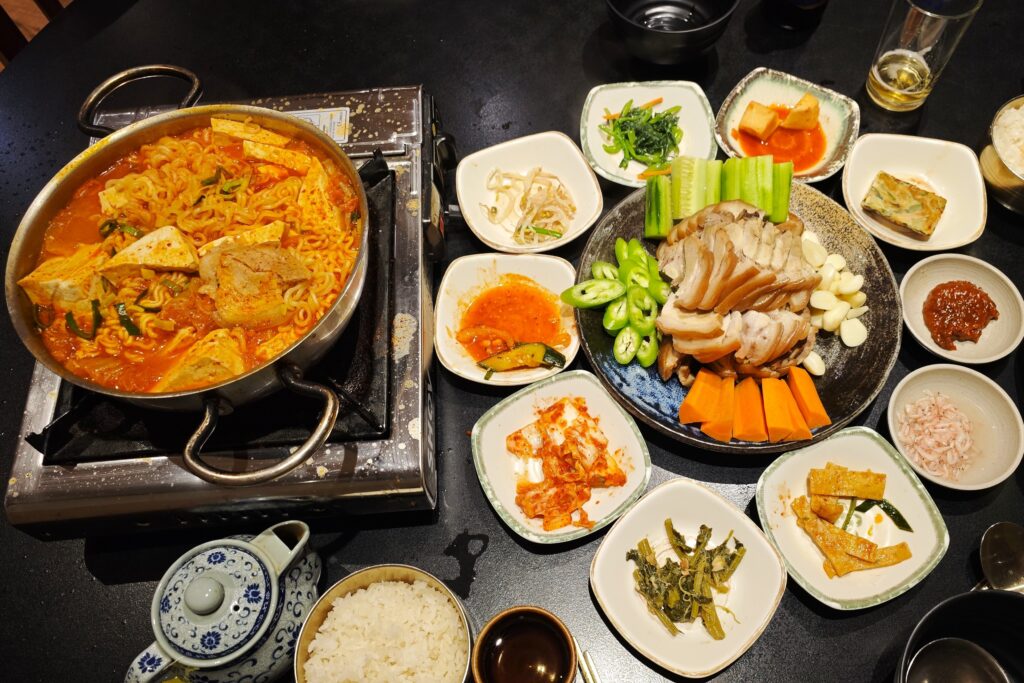
    As well as the above, Sonamu also offers popular starters like Japchae (stir-fried glass noodles with vegetables), pan-fried Mandu (Korean dumplings), and Kimchi Jeon (savory kimchi pancakes). For mains, along with vegetarian and meat options like Dak Gang Jeong (Korean fried chicken), there are seafood specialties like Ojing-eo Bokkeum (spicy stir-fried squid). Small bowls of banchan are served at each table, including the essential kimchi, which balances flavors and aids digestion – a staple of Korean cuisine for good reason.

    Though Sonamu’s menu is simple, it offers a glimpse into the heart of Korean cuisine. The use of stone bowls in Bibimbap, for example, traces back centuries, when early Koreans cooked legumes in stone pots, laying the foundation for today’s hearty stone-bowl dishes. By the 5th century, Buddhism fostered a rich tradition of vegetarian food, while the 7th century saw the rise of Korea’s signature spicy flavors with the introduction of spices like garlic and ginger. In the 10th century, with Mongolian influence, a variety of meats like pork, beef, and even seafood became staples alongside rice.

    From spicy kimchi stir-fries to comforting, warm Bibimbap, each exquisitely crafted dish at Sonamu leads you, like a graceful opening ceremony, on a flavorful encounter through centuries of tradition and taste.

  • Swaad: Spice Up Your Fall with the Magic of Indian Flavors

    Swaad: Spice Up Your Fall with the Magic of Indian Flavors

    As the weather cools and the colors of autumn start to appear, nature’s palette may turn more subdued, but it has a charm all its own, a calmness in its simplicity. With the chill in the air, there’s a natural craving for something spicy to warm us from within. And what could be better than the fiery, colorful spices of Indian cuisine to fulfill our autumn appetites? Today, we’re finally introducing the renowned Swaad – a restaurant that’s been on our minds for a while. It comes highly recommended by many Indian friends. Although they’ve recently changed owners and chefs, the flavors still live up to their well-earned reputation.

    Swaad combines the best of both worlds as a cocktail bar and restaurant, with an interior that leans toward a modern lounge vibe, with a touch of Indian flair. But we always find ourselves drawn to the outdoor seating – in the charming Nordend district, where the restaurant is surrounded by old buildings and lush greenery, creating a peaceful and relaxing dining atmosphere.

    Restaurant Profile

    When diving into Indian food, choosing the right beverage is just as important. A refreshing drink helps cool down the layers of spices, making sure you enjoy the burst of flavors with ease.

    Mango lassi – a creamy, indulgent drink that combines the tropical sweetness of ripe mangoes with the smooth tang of yoghurt. At Swaad, we find it especially thick and velvety, almost like sipping on a blended fruit dessert. This rich texture, balancing sweet- and tartness, is our go-to cooling companion to the spice-packed Indian cuisine.

    The Holunder Minze Limonade is a refreshing twist on classic lemonade, infused with a light floral note of elderflower and a burst of crisp mint. This drink has a medley of flavors—minty, sweet, sour, and even a hint of saltiness. The tangy, popping cubes at the bottom add a fun, zesty surprise with every sip. Paired with a slice of green lemon, it’s a great choice to refresh and revitalize.

    Naan bread is a no-brainer to kick off the meal. At Swaad, their naan nicely balances texture and freshness – slightly charred on the outside, and irresistibly soft in the center. Each bite offers a warm embrace, ideal for dipping and soaking up vibrant flavors while delivering a comforting, satisfying crunch.

    Paired with the naan is a dipping sauce akin to a spicy onion and tomato relish (or chutney). It’s slightly sour and spicy, with a mix of fresh onions, tomatoes, and celery, creating an enticing kick that complements the naan bread.

    Lamm Nihari is a cherished dish from the Indian subcontinent, often enjoyed as a hearty breakfast or a comforting meal. Traditionally, it’s slow-cooked overnight, allowing the lamb to become meltingly tender while the spices meld into a flavorful, aromatic sauce. The name “Nihari” itself comes from the Arabic word “Nahar,” meaning “day,” reflecting its roots as a morning feast for laborers and nobility alike.

    At Swaad, their Lamm Nihari embodies this culinary tradition. The tender lamb chunks soak up the well-seasoned sauce enriched with yogurt, ginger, and sautéed onions. Each bite reveals layers of aromatic spices that are deep and complex, with a hint of sweetness that tames the heat. We chose the Indian original level of spice, and it certainly delivered—fiery and bold, with a warm mouthfeel that envelops your palate.

    Paired with fluffy naan or fragrant basmati rice, Lamm Nihari makes for a solid, hearty meal that warms the stomach and ignites the senses.

    Tandoori Chicken Tikka is a classic Indian dish, featuring succulent chicken breast pieces marinated in a rich blend of yogurt, ginger, garlic, and a medley of spices and grilled in a traditional clay oven (or tandoor). The high heat of the tandoor gives the chicken its smoky, slightly charred surface while locking in a tender, juicy center.

    Its red color is a visual cue to the bold flavors waiting to be savored. The marinade’s spices, including cumin, coriander, and garam masala, infuse the chicken with a warm, earthy flavor that has just the right kick of heat. The yogurt tenderizes the meat and adds a creamy tang that balances the spices.

    The pungent onions and fresh veggies elevate the smoky, spiced chicken, making for an irresistible combination. This dish is fiery and aromatic, with gratifying depth of taste. It totally deserves its place as a favorite in Indian cuisine.

    Palak Paneer is a beloved vegetarian dish from North India. It combines wholesome spinach with soft, homemade paneer cheese. The dish has a beautiful green color, thanks to the pureed spinach that forms the base of the sauce. Seasoned with a delicate mix of spices like cumin, turmeric, garlic, and garam masala, this dish carries a hint of nuttiness, a savory kick and a fragrant, subtle sweetness.

    The paneer itself is soft and mild, allowing it to soak up the rich, earthy flavors of the spinach and spices. It has this unique ability to be both hearty and light – the spinach gives it a fresh, slightly tangy taste, while the cheese provides a hint of richness without being too heavy. Scoop it up with naan or mix it with basmati rice, you’ll have a smooth, comforting mouthfeel that’ll keep your taste buds intrigued from start to finish.

    Swaad doesn’t just stop at Palak Paneer when it comes to vegetarian options—it’s a paradise for veggie lovers. With dishes featuring eggplants, tomatoes, lentils, okra, potatoes, spinach, and other fresh vegetables, they truly celebrate plant-based cuisine. No wonder my vegetarian friends always put Indian food at the top of their list – the sheer variety is unbeatable. With many Indians embrace vegetarianism for religious reasons, Swaad beautifully honors this commitment, wholeheartedly showcasing its flavor diversity through a wide array of vegetarian dishes.

    But meat lovers, worry not— from tandoori to rich chicken, lamb, and fish curries, to rice dishes like aromatic biryani, there’s a world of options for you too. Their appetizers are just as exciting – besides salad, you can find bhaji (fried onions), samosa, crispy fried foods like chicken, fish, or shrimp pakoras.

    At Swaad, meats, vegetables, grains transform into flavorful, sensory creations. Each bite bursts with layers of rich flavors and fragrances, where bold and subtle mingle together, to craft an immersive feast that nourishes your senses and enchants your palate.

  • Lijianger Restaurant: A Cozy Escape with Authentic Guilin Flavors

    Lijianger Restaurant: A Cozy Escape with Authentic Guilin Flavors

    Today we’re taking you to a hidden gem – an unassuming yet cozy restaurant that not many people know about. It features spacious square tables, soft-cushioned seating, and a private dining room that fits about 10 people, perfect for larger groups needing a bit more privacy. Tucked away near Konstablerwache station, it may be easy to miss, but inside you’ll find a treasure trove of authentic flavors from Guilin, a region in China known for its breathtaking landscapes and rich culinary traditions.

    The iconic Li River (Li Jiang or 漓江) of Guilin, so stunning it graces the back of China’s 20-yuan banknote, is a symbol of the region’s natural beauty. But beyond its scenic wonders, Guilin is just as famous for its cuisine. As the saying goes, “Guilin’s scenery stands above all, Li Jiang’s flavors bring joy to all (桂林山水甲天下, 漓江美食滿盡歡)”. Historically a cultural crossroads in southern China, Guilin became a melting pot of culinary influences from Central China, Fujian, Guangdong and beyond. The result is a diverse range of flavors – crispy and fragrant, tangy and spicy, with bold or delicate tastes – all coming together in unique flavorful fusion.

    Restaurant Profile

    Bai Qie Ji (白切鸡), or poached chicken, is a traditional dish in Cantonese cuisine that highlights the chicken’s natural flavors. This delectable dish gets its name from its cooking method, which involves poaching the chicken in plain water. The chicken is served warm with bones, cut into bite-sized pieces that are easy to pick up with chopsticks.

    The magic of Bai Qie Ji lies in its simple yet elegant preparation: no spices or heavy seasonings are added during cooking. The chicken is either immersed in hot water or steamed to perfect tenderness, allowing the pure, juicy essence of the meat to come through fully. The result is a remarkably succulent chicken with smooth, silky skin that is both fragrant and slightly chewy.

    Accompanying this dish is a sauce made from scallion oil, chicken broth, soy sauce, a touch of white sugar, and finely minced ginger, finished with a drizzle of sesame oil. This creates a savory dip that perfectly enriches the chicken’s delicate flavor – a balance of umami, sweetness, and a hint of ginger spice that elevates the dish without overpowering it.

    Bai Qie Ji embodies the Cantonese culinary values of freshness and simplicity. Even without any sauce, its flavor is exceptional, allowing you to savor the pure taste of the chicken in all its glory. For those seeking an extra kick, some enjoy pairing it with a chili sauce on the side which provides a pleasant contrast to the dish’s mild flavors.

    These next two appetizers feature cilantro (also known as coriander) as the main ingredient. In Asia, cilantro is loved for its refreshing taste and health benefits, packed with antioxidants and vitamins that can help reduce inflammation. However, it’s a bit of a love-it-or-hate-it herb—due to genetic variations, some people may experience a soapy taste. So, if cilantro is not your thing, you might want to skip these two dishes.

    The first is a zesty cold salad (凉拌木耳 or Liang Ban Mu Er) made with wood ear mushrooms, finely chopped cilantro, and chili peppers, topped with onions and toasted sesame seeds. Tossed in a light dressing of soy sauce, vinegar, and sesame oil, it has a tantalizing blend of spicy, tangy, and savory. The wood ear mushrooms add a slightly wobbly texture that pairs beautifully with the crisp cilantro and the kick from the peppers, making each bite both refreshing and appetizing.

    Up next is the fiery Lao Hu Cai (老虎菜), or “Tiger Salad,” a bold dish from northeastern China. The “Tiger Salad” derives its name from its intense, spicy kick, much like the fierce bite of a tiger. This salad features a sharp mix of leeks, cilantro, green chilies, peanuts, and red bell peppers, all tossed in a spicy dressing. The flavor is intense and addictive, combining a robust crunch with a mouth-tingling heat.

    Lao Hu Cai is also a popular pairing with China’s potent baijiu (strong Chinese liquor), as the spice from the salad and the burn of the alcohol intertwine, creating a unique, powerful sensation that keeps you hooked for more.

    Gan Guo Ji (干锅鸡), or Dry Pot Chicken, is a signature dish from Sichuan, renowned for its bold and spicy flavors. This dish, a local favorite at Lijianger, has its own twist: the chicken is lightly fried before stir-frying, giving it a crispy exterior while keeping the inside tender and juicy.

    Packed with small green chilies, onions, Sichuan peppercorns, dried red chilies, garlic, ginger and celery, this dish delivers a mouthwatering combination of heat and fragrance. Served in a sizzling pot, the spices meld together beautifully, delivering the characteristic numbing sensation (mala) from the peppercorns that complements the fiery kick of the chilies and amplifies the flavor depth.

    The chicken, served bone-in, absorbs all the flavors from the spices, delivering an enticing mix of spicy, savory, and slightly numbing tastes. The meat itself boasts a natural umami, often described as “self-made MSG” due to its glutamate.

    Though not officially on the menu, this dish is one of the most requested – a true hidden star that you won’t want to miss!

    Tie Ban Dou Fu (铁板豆腐), or Hot Plate Tofu, features silky egg tofu, lightly seared to form a golden crust while remaining wonderfully creamy within. The egg tofu, easily a favorite among tofu lovers, has a rich, custard-like flavor and is full of protein and nutrients.  

    Sizzling away on a hot plate, the tofu is stir-fried with savory minced pork, fresh scallions, and crisp carrots, creating a colorful medley that invites you to dig in. The slight brothiness adds a soothing touch, making each bite a comforting experience.

    The egg tofu’s subtle yet distinct flavor, harmonizing with the savory minced pork and fresh vegetables, provides a satisfying mouthfeel that combines rich, umami tastes with tender textures. It’s a dish that promises to leave you feeling warm and fulfilled!

    Huang Men Yang Rou (黄焖羊肉), or Braised Lamb in Yellow Sauce, was once a favored delicacy in the imperial court of the last Qing Dynasty emperor. Originating from northwestern China, this dish is known for its aromatic and crispy texture that is rich yet not greasy.

    The lamb, expertly braised, soaks up the thick Huang Men sauce, which is both fragrant and deeply savory. The scallions and onions lend a crisp sweetness, enriching the succulent lamb pieces. The meat has a gratifying chew, with a good balance of fat and lean.

    The term “Huang Men” refers to a unique flavor profile characterized by rich umami, mellow sweetness, and a subtle heat that offers comforting warmth. This exquisite taste is achieved through a fusion of spices and seasonings, including ginger, scallions, star anise, and cinnamon. Together, they create a deep, robust, and inviting aroma that envelops the dish

    While this dish not always available, don’t hesitate to ask for it when you visit — it’s definitely worth trying!

    Gan Guo Hua Cai (干锅花菜), or Dry Pot Cauliflower, is a delicious vegetarian dish that’s sure to please those who love crunchy textures with a bit of a kick. The “hua cai” in this dish, a Chinese cauliflower, differs from the Western variety with its longer stems and looser florets, giving it a firmer, crunchier bite.

    This dish is stir-fried in a sizzling pot with dried red chilies and garlic, delivering a savory, mildly spicy flavor. The garlic brings a fragrant depth, while the chilies infuse a gentle warmth. The cauliflower itself remains crisp and fresh, absorbing the flavors of the spices while retaining its natural sweetness. It’s one of those simple yet flavorful dishes that proves vegetables can be anything but boring!

    Málà Yángròu Bǎo (麻辣羊肉煲), or Spicy Numbing Lamb Stew, is an off-menu dish that’s definitely worth inquiring about. This dish features slow-braised juicy lamb, elevated by the bold and fiery flavors of Sichuan cuisine.

    The lamb is succulent, with a good mix of lean and fat, making each mouthful indulgently rich yet tender. The broth is deeply aromatic, infused with málà (麻辣) heat (spicy and numbing), which leave a distinctive tingling sensation. The use of bay leaves lends an earthy, herbal aroma that complements the lamb’s natural gaminess.

    The stew is loaded with daikon radish, carrots, onions, and celery, each soaking up the broth’s intense flavors. The tender radish, in particular, pairs wonderfully with the lamb, offering a light, subtly sweet contrast to the rich meat.

    There is also a non-spicy version – the Jiàngxiāng (酱香) variation, which replaces the fiery málà with a savory, soy-based braise. This version has a deep umami flavor that’s rich, slightly sweet, and more comforting.

    Xue Cai Mao Dou (雪菜毛豆), or Pickled Mustard Greens with Edamame, is a bright, tangy dish that instantly whets your appetite.

    The pickled mustard greens (Xue Cai) give a sour punch, while the edamame adds a mild, nutty contrast. It’s light yet packed with zest, with a hint of saltiness, making it a great side dish to accompany heavier meals or enjoy on its own as a refreshing snack.

    Hong Shao Dou Fu (红烧豆腐), or Braised Tofu, is a deeply flavorful, aromatic dish that’s all about rich soy-based sauces and slow infusion of flavors.

    The tofu has a slightly chewy, golden-browned exterior, a result of light frying before braising. Inside, it remains soft and creamy, offering a delicious contrast. The braising sauce seeps into the tofu, infusing it with layers of flavor.

    The first impression is undeniably umami and garlicky, thanks to a mix of soy sauce, aromatic garlic, and fermented black beans (豆鼓, Dòu Chǐ). These fermented black beans contribute a deep, earthy, and slightly salty complexity, adding an aged, savory, slightly funky, and almost smoky dimension to the dish. It’s topped with spring onions, for a fresh sharp contrast to the richness.

    Cù Liū Báicài (醋溜白菜), or Stir-Fried Chinese Cabbage with Vinegar, is a humble but comforting dish. The cabbage is stir-fried to a nice crunch, absorbing the tangy, slightly sweet notes of Chinese black vinegar. It also has dried chilies (干辣椒), which add a hint of warmth without making it too spicy, creating a gentle heat that enhances the overall flavor.

    The vinegar not only brightens the taste but also supports digestion, stimulating the palate and making it easier on the stomach. It’s a great choice when you’re looking for something both delicious and easy to digest.

    At Lijianger, there’s an impressive array of xiao chao (stir-fries), everyday household dishes from various regions of China. These dishes share the signature tangy, spicy, and savory flavors of Li Jiang, while incorporating regional nuances. While we’ve mostly focused on meat- or veggie-centric dishes, the xiao chao at Lijianger often features a balanced mix of both meat and vegetables.

    A good example is Rou Chao Gan Dou Fu (肉炒干豆腐), or Stir-fried Pork with Dried Tofu. This dish includes tender slices of pork, crunchy strips of dried tofu, sharp onions, and small green chilies that add a bit of heat. The tofu has a firm, chewy texture, contrasting nicely with the tender pork and the crisp onions.

    Paired with rice, these wholesome dishes are ideal for a simple, solo meal and come at a reasonable price.

    To show just how authentic and local Lijianger truly is, they also offer what some might call “culinary nightmares” (or hellish dishes). These dishes come with intense flavors or strong smells that can be hard for many to handle, but those who love them find them utterly fascinating. You’ll rarely find these dishes in overseas Chinese restaurants because they’re perhaps too authentic to be widely popular.

    But don’t worry—if you happen to order one, the experienced waitstaff, familiar with European preferences, will kindly “warn” you that it might be too much for your palate and give you a chance to reconsider. For the seasoned Asian food fans, however, here’s a breakdown of some of these bold dishes—just in case you’re feeling curious or ready to get adventurous!

    Luo Si Fen (螺蛳粉), or River Snail Rice Noodles, is a beloved specialty from Guangxi, China, and has earned its place on the National Intangible Cultural Heritage List since 2020. Famous for its bold and unique flavor, the magic of this dish lies in its one-of-a-kind broth.

    The rich, aromatic soup is crafted by simmering river snails with an enchanting blend of spices, including galangal, star anise, cinnamon, cloves, and various chilies. Although the snail meat is discarded after the broth is made, as all the essence has been extracted into the soup, the resulting flavor is deeply savory and full of umami.

    Served over smooth rice noodles, Luo Si Fen is topped with pickled bamboo shoots, crunchy peanuts, crispy fried tofu skin, fresh cabbage, etc.

    Luo Si Fen is a love-it-or-hate-it dish largely because of its strong, distinct flavors and aromas. Many are put off by the pungent smell, particularly from the pickled bamboo shoots (酸笋). They have a fermented sharp, sour aroma that’s sometimes described as “stinky” in a similar way to durian or certain types of cheeses. The spicy, sour, and umami flavors can also be quite intense. The pickled and fermented elements combine with hot chili oil and strong spices, creating a flavor explosion that can be too much for those with milder tastes.

    On the other hand, those who really like Luo Si Fen often love it for these very reasons. The intense aroma and strong taste create a unique sensory experience. I personally enjoy the contrast of the sour bamboo shoots with the rich, spicy broth and crispy toppings like fried tofu skin. If you like bold, adventurous flavors, Luo Si Fen is a must-try – with its thrilling mixture of tanginess, heat, and umami, all anchored by a deeply flavorful broth.

    Chou Dou Fu (臭豆腐), or Stinky Tofu, is a popular fermented snack from regions like Changsha, Hubei, Nanjing, Shaoxing, and Taiwan. Each region has its own way of preparing and serving it. Lijianger’s version features a crunchy, golden exterior with a soft, creamy center. It’s topped with fresh green onions and cilantro, and served with a deeply flavored broth.

    While its strong, pungent aroma might catch you off guard, the tofu itself has a surprisingly mild taste with a ripened tang and an earthy richness. It absorbs the seasoning and broth, providing a tangy, garlicky, spicy and savory flavor, with a hint of umami. Though its smell may deter some, those who enjoy it find the combination of bold flavors and crispy texture absolutely addictive.

    Gan Guo Fei Chang (干锅肥肠), or Dry Pot Pork Intestines, is a robust, savory dish that’s packed with heat and spice. Stir-fried with dried chilies, fresh green peppers, onions, and lotus root, it delivers a fiery kick alongside tender bites of pork intestines. The intestines themselves have a slightly chewy, rich texture, absorbing the spices while offering intense, umami-filled taste.

    The intestines aren’t overly fatty, but rather well-seasoned and hearty without being greasy. Its strong, distinct flavor and chewy texture may be an acquired taste, but for those who love rich, spicy food, the soft, succulent pieces, bright red hue, and deeply fragrant aroma make this dish truly irresistible.

    Beyond its famous Luo Si Fen, Lijianger offers a wide variety of rice noodle dishes, from hearty beef to light seafood, minced pork, and fish noodles, with flavors ranging from spicy and sour to delicate and mild. The menu is also filled with specialties like Lemon Beer Duck (柠檬啤酒鸭), spicy clams (麻辣花蛤), Sichuan classics like poached beef or fish in chili broth (水煮牛肉/鱼), spicy numbing stir-fry pot (麻辣香锅), and an assortment of dim sum (点心) and comforting congees (粥).

    For drinks, they have a good selection of Chinese teas, featuring an array of fragrant brews infused with various flowers and herbs. They’re quite healthy and mild in flavor. With a pot priced at around 5 euros, it’s good to share among 2-3 people.

    In the soft glow of evening, as the world outside fades, there’s something deeply comforting about settling down for a quiet, peaceful meal. It’s in these moments that you may remember the gentle advice from family: no matter how ordinary the day, always take time to eat well. The elders often say: to nourish yourself with good meals, while embracing each passing season, is life’s most profound practice – a quiet mastery of living. No matter the achievements, a healthy body is life’s greatest asset. And that strength, that vitality, is found not in grand gestures, but in the warmth of everyday meals, amidst the everyday hum of life.

    Outside, the weather may be dreary—fall slipping away, with the sudden chill of damp air creeping in. But when the stomach finds comfort in a steaming bowl of noodles or a well-balanced dinner, the heart, too, begins to feel at ease. It’s these small, unremarkable moments that make a day beautiful.